
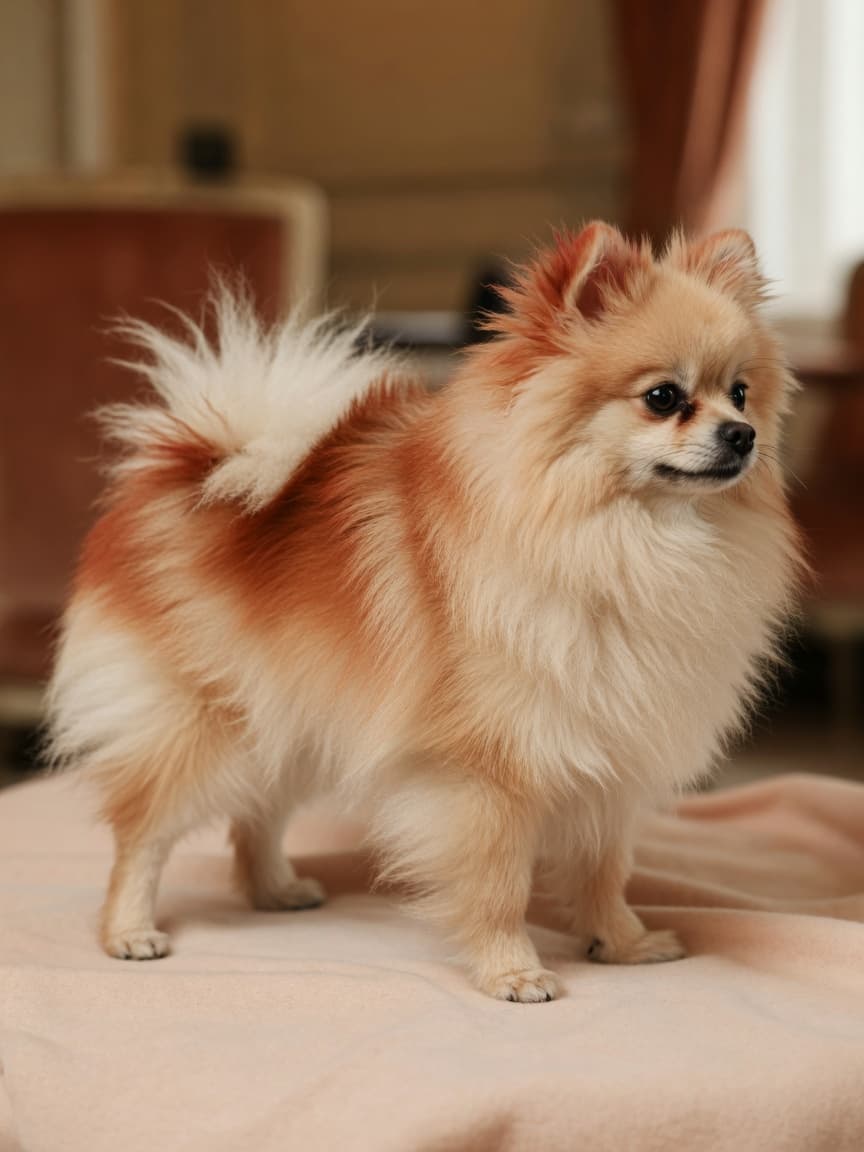
Il Pomerania è una razza da compagnia di piccola taglia, dal muso volpino, ideale per chi desidera un cane da grembo vivace e affettuoso, con una grande personalità in un corpo minuto. Il tratto più distintivo è il suo lussuoso doppio mantello, che richiede un impegno costante nella cura del pelo, mentre il principale problema di salute della razza è la predisposizione al collasso tracheale e alle malattie dentali, entrambi gestibili con cure consapevoli e proattive.
Panoramica sulla razza
- Taglia: in genere 1,9–3,5 kg, con un'altezza al garrese di circa 18–30 cm
- Longevità: comunemente indicata in 12–16 anni, il che ne fa un impegno a lungo termine
- Mantello: doppio mantello con pelo esterno lungo e di tessitura ruvida e sottopelo morbido e denso; disponibile in un'ampia gamma di colori
- Origine: discende da razze spitz di taglia maggiore utilizzate per il traino delle slitte nella regione della Pomerania, in Europa centrale, ridotte di taglia nel corso delle generazioni, con una popolarità favorita dal patrocinio reale nell'Ottocento
Temperamento e adattabilità alla famiglia
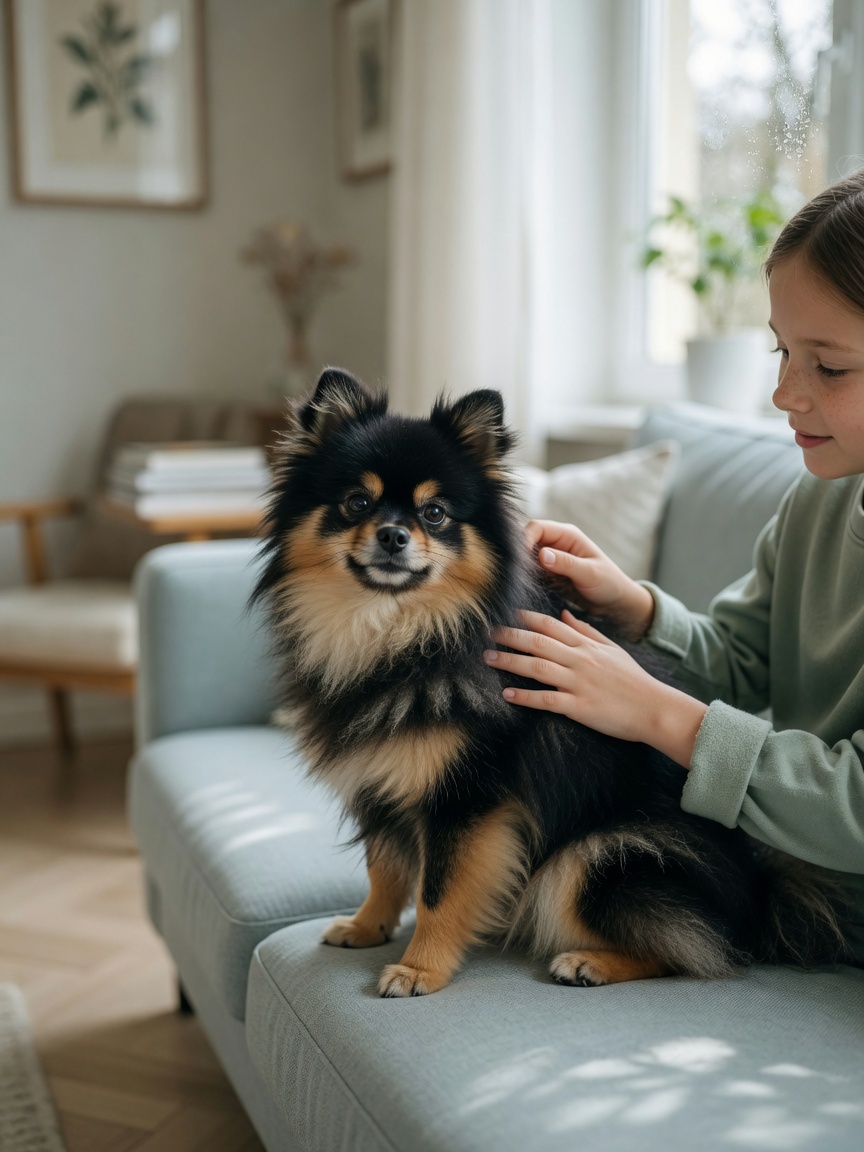
I Pomerania sono coraggiosi, vigili e spesso sorprendentemente sicuri di sé per la loro taglia. Tendono a essere molto legati alla propria famiglia e possono mostrarsi riservati o inclini ad abbaiare con gli estranei, rendendoli piccoli cani da guardia efficaci nonostante la statura minuta. Molti sono intelligenti e apprendono rapidamente, anche se possono rivelarsi testardi se l'addestramento non è coerente.
In genere si trovano bene con bambini più grandi, calmi e rispettosi, piuttosto che con bambini molto piccoli o turbolenti, semplicemente perché la loro struttura piccola e delicata li rende vulnerabili a lesioni dovute a manipolazioni brusche o cadute accidentali. Possono convivere con altri animali domestici, in particolare se cresciuti insieme, ma la loro sicurezza a volte supera la loro robustezza fisica, quindi è opportuno sorvegliarli in presenza di cani più grandi. È una razza che prospera in compagnia e può essere propensa a comportamenti di ricerca di attenzione o a disagio legato alla separazione se lasciata sola per lunghi periodi, quindi è adatta a proprietari in grado di offrire compagnia regolare e stimoli mentali.
Una socializzazione precoce e positiva è particolarmente preziosa per i Pomerania, poiché aiuta a moderare la tendenza ad abbaiare in modo eccessivo o a diffidare di persone e situazioni non familiari. Un addestramento coerente e basato sulle ricompense sin da cucciolo aiuta a canalizzare la loro intelligenza in modo costruttivo e favorisce buone maniere in casa con la maturità.
Problemi di salute nel Pomerania
Come tutte le razze con pedigree, i Pomerania presentano una serie di patologie comunemente segnalate all'interno della razza. Esserne consapevoli permette ai proprietari di riconoscere i primi segnali d'allarme e di collaborare in modo proattivo con il proprio veterinario.
Collasso tracheale
È una delle condizioni di cui si parla più frequentemente nei Pomerania e in altre razze di piccola taglia e toy. Si verifica quando gli anelli di cartilagine che sostengono la trachea si indeboliscono e si appiattiscono, restringendo le vie aeree. I primi segni comprendono una tosse persistente e rauca, simile al "verso dell'oca", specialmente durante l'eccitazione, quando il cane tira al guinzaglio o in caso di clima caldo, insieme a occasionali conati o rigurgiti. I proprietari possono aiutare utilizzando una pettorina ben aderente anziché un collare, evitando l'aumento eccessivo di peso e mantenendo il cane tranquillo in condizioni di caldo o umidità. La gestione veterinaria può includere farmaci per ridurre l'infiammazione delle vie aeree e la tosse, con la chirurgia riservata ai casi più avanzati.
Malattia dentale
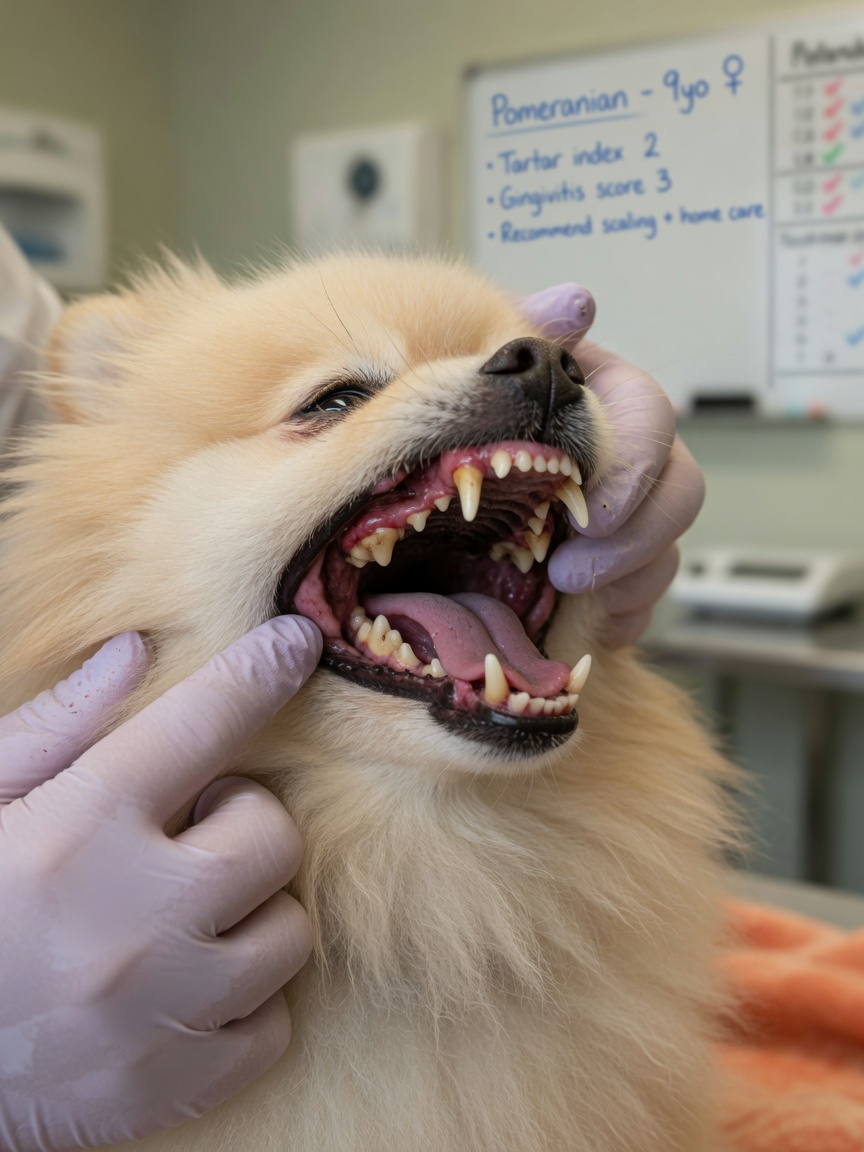
Le razze toy, incluso il Pomerania, sono comunemente segnalate come predisposte a denti affollati e a malattia periodontale precoce a causa delle piccole dimensioni della mandibola. I primi segni includono alito cattivo, accumulo visibile di tartaro, gengive rosse o sanguinanti e riluttanza a masticare cibo duro o giocattoli. Lo spazzolamento regolare dei denti, i masticativi specifici per l'igiene dentale e i controlli dentali veterinari di routine possono aiutare a rallentare la progressione e ridurre il rischio di perdita dei denti o di diffusione di infezioni ad altre parti dell'organismo.
Lussazione della rotula
Si riferisce alla fuoriuscita della rotula dal suo solco normale, una condizione frequentemente segnalata nelle razze di piccola taglia e toy. I segni possono includere un'andatura saltellante intermittente, un arto posteriore tenuto sollevato per brevi istanti durante la camminata o la corsa, oppure un improvviso movimento a saltello. I casi lievi possono essere gestiti in modo conservativo con il controllo del peso e il supporto articolare, mentre una lussazione più significativa o persistente può richiedere una correzione chirurgica. Discutere tempestivamente con il veterinario eventuali cambiamenti nell'andatura può prevenire l'usura articolare secondaria nel tempo.
Displasia dell'anca
Sebbene sia più comunemente associata alle razze di taglia grande, la displasia dell'anca — in cui l'articolazione coxofemorale si sviluppa in modo anomalo e diventa lassa o instabile — è segnalata anche nei Pomerania. I primi segni comprendono rigidità dopo il riposo, riluttanza a saltare o un'andatura "a saltelli di coniglio". Con l'avanzare dell'età dei cani affetti, questo può contribuire a un'osteoartrite secondaria. Mantenere una condizione corporea magra ed evitare un'attività eccessiva a forte impatto durante la fase di cucciolo può favorire la salute articolare, e i proprietari di cani adulti o anziani potrebbero trovare utile approfondire l'artrite nei cani e la sua gestione nel caso in cui la rigidità articolare si sviluppi più avanti nella vita.
Alopecia X (sindrome da perdita del mantello)
A volte definita "malattia della pelle nera" o coat funk, questa condizione comporta una perdita di pelo progressiva e simmetrica, che spesso inizia intorno al collo, alle cosce o alla coda, senza prurito associato. La causa esatta non è del tutto compresa, ma si ritiene sia legata a squilibri ormonali. I proprietari che notano un graduale diradamento del mantello o un imbrunimento della pelle dovrebbero rivolgersi al veterinario, poiché diverse condizioni cutanee e ormonali possono presentarsi in modo simile e devono essere escluse tramite esami.
Allergie e sensibilità cutanee
I Pomerania possono essere predisposti a irritazioni cutanee, causate da allergeni ambientali, sensibilità alimentari o parassiti come le pulci. I segni includono grattamento persistente, leccamento delle zampe, otiti ricorrenti o pelle rossa e infiammata. Poiché la dermatite allergica può avere diverse cause sottostanti, è importante un approccio veterinario strutturato alla diagnosi; i proprietari che desiderano comprendere la gamma di fattori scatenanti e le opzioni di gestione possono trovare la nostra guida alle allergie cutanee nei cani un utile punto di partenza.
Patologie cardiache
I cani di piccola taglia, compresi i Pomerania, possono essere colpiti da malattia degenerativa valvolare, in particolare della valvola mitrale, con l'avanzare dell'età. I primi segni sono spesso subdoli e possono comprendere una tosse leggera, una ridotta resistenza allo sforzo o un soffio cardiaco rilevato durante un controllo di routine. Le visite veterinarie regolari diventano sempre più importanti quando i Pomerania entrano nell'età senior, consentendo l'individuazione precoce e il monitoraggio di eventuali alterazioni cardiache.
Lussazione del cristallino e patologie oculari
Nella razza sono segnalate varie patologie oculari, tra cui l'atrofia progressiva della retina e la cataratta. Fate attenzione all'opacità dell'occhio, a evidenti difficoltà visive come urtare contro i mobili, o a un rossore oculare inusuale. I controlli oculistici veterinari annuali, in particolare dalla mezza età in poi, possono aiutare a individuare precocemente eventuali cambiamenti.
Considerata la varietà di problematiche articolari e respiratorie, comprendere lo sviluppo del vostro Pomerania sin da cucciolo è davvero utile; la nostra guida alle fasi di crescita del cucciolo spiega cosa aspettarsi dal punto di vista fisico e comportamentale in ogni fase, aiutandovi a notare più rapidamente qualsiasi anomalia.
Alimentazione e nutrizione
I Pomerania hanno uno stomaco piccolo ed elevate esigenze metaboliche rispetto alla loro taglia, quindi si raccomanda generalmente una dieta nutrizionalmente densa e di alta qualità, somministrata in pasti con porzioni adeguate, piuttosto che l'alimentazione libera, che può contribuire a un aumento di peso indesiderato. Poiché l'obesità sottopone a ulteriore stress articolazioni già predisposte a lussazione e displasia, e può peggiorare i sintomi del collasso tracheale, mantenere una condizione corporea magra per tutta la vita è una delle azioni più efficaci che un proprietario può intraprendere.
Data la loro tendenza all'affollamento dentale, alcuni proprietari trovano che crocchette formulate per favorire la masticazione, o una combinazione di cibo umido e secco, aiutino a sostenere la salute orale insieme allo spazzolamento. Se il vostro Pomerania mostra segni di sensibilità alimentare, come prurito cronico, otiti o disturbi digestivi, un approccio di eliminazione guidato dal veterinario è il modo più affidabile per identificare i fattori scatenanti, e la nostra guida al cibo ipoallergenico per cani illustra come funzionano queste diete e quando possono essere appropriate.
Quando i Pomerania entrano nell'età senior, il loro bisogno calorico tipicamente diminuisce, mentre diventa più importante il supporto articolare e degli organi; il nostro articolo su come scegliere il miglior cibo per cani anziani spiega a cosa prestare attenzione in questa fase della vita. Alcuni proprietari valutano anche il supporto alla salute intestinale per cani con digestione sensibile, e la nostra panoramica sulle evidenze relative ai probiotici per cani spiega quanto si sa attualmente sul loro ruolo.
L'acqua fresca deve essere sempre disponibile e i premietti dovrebbero essere somministrati con parsimonia, considerando quanto rapidamente i cani di piccola taglia possano acquisire una percentuale sproporzionata del proprio peso corporeo a causa di calorie aggiuntive.
Cura del pelo e igiene
Lo spettacolare doppio mantello del Pomerania è senza dubbio una delle sue caratteristiche distintive, ma richiede una manutenzione costante. Spazzolarlo più volte alla settimana — idealmente con una spazzola a cardatore e un pettine di metallo che arrivi fino al sottopelo — aiuta a prevenire la formazione di nodi, in particolare dietro le orecchie, sotto le zampe e intorno alla coda. Lo spazzolamento regolare consente anche ai proprietari di controllare la pelle per individuare precocemente segni di irritazione, parassiti o il diradamento associato all'alopecia X.
I Pomerania perdono tipicamente il sottopelo in modo stagionale, con una muta notevolmente più intensa una o due volte l'anno, durante la quale sono necessarie sessioni di grooming più frequenti. Il bagno ogni poche settimane, utilizzando uno shampoo delicato specifico per cani, aiuta a mantenere mantello e pelle sani senza rimuovere gli oli naturali.
Il taglio delle unghie deve essere effettuato regolarmente, poiché unghie troppo lunghe possono influire sull'andatura e sul comfort. Anche i controlli delle orecchie sono utili, verificando la presenza di rossore, odore o cerume in eccesso che potrebbero indicare un'infezione. Date le predisposizioni dentali della razza, lo spazzolamento quotidiano o quasi quotidiano dei denti con un dentifricio specifico per cani è una delle abitudini di cura più preziose che un proprietario possa adottare, insieme ai controlli dentali professionali raccomandati dal veterinario.
Esigenze di esercizio e addestramento
Nonostante la piccola taglia, i Pomerania sono cani attivi e vigili che beneficiano di passeggiate quotidiane e di giochi interattivi. Le loro necessità di esercizio sono moderate anziché intense, ma per questa razza intelligente la stimolazione mentale è tanto importante quanto l'attività fisica: giochi di attivazione mentale, brevi sessioni di addestramento e percorsi di passeggiata variati possono aiutare a prevenire comportamenti legati alla noia, come l'abbaio eccessivo.
A causa della loro suscettibilità all'irritazione tracheale, per le passeggiate al guinzaglio è fortemente consigliabile una pettorina anziché un collare, per ridurre la pressione sulla gola. I proprietari dovrebbero inoltre prestare attenzione all'affaticamento eccessivo nelle giornate calde ed evitare attività a forte impatto, come salti ripetuti dall'alto, che possono sollecitare ginocchia e anche.
L'addestramento dovrebbe iniziare presto e basarsi su metodi coerenti e fondati sulle ricompense. I Pomerania possono apprendere rapidamente, ma possono anche sviluppare una vena testarda o problemi comportamentali tipici dei cani di piccola taglia, come reattività o vocalizzazione eccessiva, se i limiti non vengono stabiliti sin da cuccioli. La socializzazione con persone, ambienti diversi e (dove sicuro) altri cani tranquilli favorisce un temperamento adulto equilibrato e sicuro di sé.
Domande frequenti
I Pomerania sono ipoallergenici?
Nessuna razza canina è veramente ipoallergenica, e il Pomerania non fa eccezione. Sebbene alcune persone ritengano che le razze a doppio mantello producano meno forfora libera grazie a routine di grooming regolari, i Pomerania perdono pelo, in particolare durante i cambi stagionali del mantello, e possono comunque scatenare reazioni allergiche nei soggetti sensibili.
Quanta cura del pelo richiede realmente un Pomerania?
Realisticamente, sono necessarie diverse sessioni di spazzolatura alla settimana per prevenire nodi e grovigli, con spazzolatura quotidiana raccomandata durante i periodi di muta stagionale più intensa. Trascurare la cura del pelo può portare alla formazione di nodi dolorosi vicino alla pelle, quindi non è una razza adatta a una routine di grooming poco impegnativa.
Perché i Pomerania tossiscono così tanto?
Una tosse persistente, di tipo "a verso d'oca", in un Pomerania è un segno riconosciuto associato al collasso tracheale, una condizione comunemente segnalata nella razza. Se il vostro cane presenta questo tipo di tosse, in particolare durante l'eccitazione, l'esercizio o quando tira al guinzaglio, vale la pena farlo valutare da un veterinario invece di presumere che sia semplicemente un "pizzicore alla gola".
Quanto esercizio necessita un Pomerania ogni giorno?
La maggior parte dei Pomerania si trova bene con una o due passeggiate moderate al giorno, associate a un po' di gioco attivo e stimolazione mentale. Non hanno bisogno di esercizio intenso o prolungato, ma un'attività quotidiana costante favorisce un sano controllo del peso e il benessere comportamentale.
Questa guida ha finalità puramente informative generali e non sostituisce il parere veterinario individuale. Consultate sempre il vostro veterinario per indicazioni specifiche sulla salute, la storia clinica e le esigenze del vostro cane.