
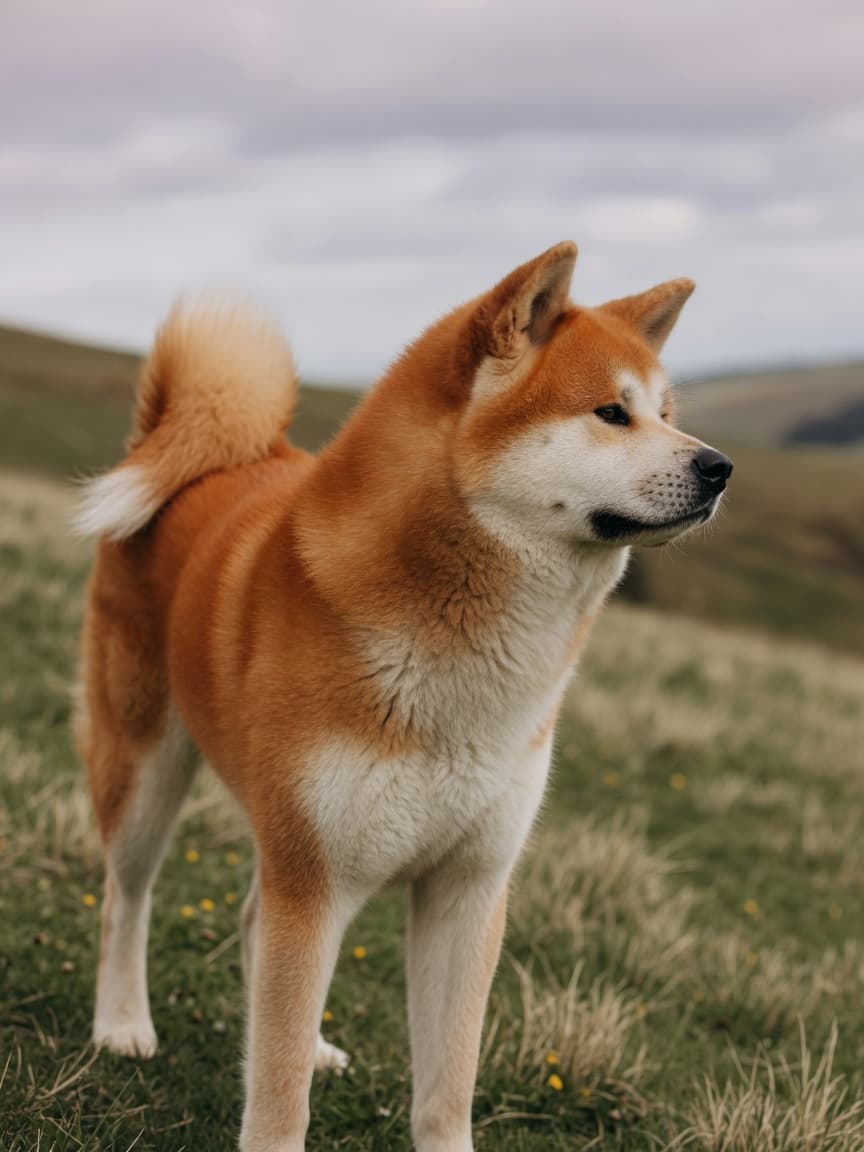
L'Akita è una razza giapponese di taglia grande, potente e profondamente leale, adatta soprattutto a proprietari esperti in grado di offrire una guida calma e costante e una casa con recinzione sicura. Dignitoso e riservato con gli estranei ma devoto alla propria famiglia, l'Akita non è una razza per tutti, e i potenziali proprietari devono essere consapevoli che la displasia dell'anca e diverse condizioni immuno-mediate sono comunemente riportate nella razza. Con la giusta combinazione di nucleo familiare e gestione, tuttavia, l'Akita è un compagno straordinario e profondamente devoto per tutta la vita.
Panoramica della razza
- Taglia: razza di taglia grande; i maschi sono in genere più alti e pesanti delle femmine, con una corporatura solida e muscolosa
- Aspettativa di vita: generalmente intorno ai 10–13 anni
- Mantello: doppio pelo, da corto a medio, con sottopelo denso e morbido; si presenta in una gamma di colori tra cui rosso, fulvo, sesamo, tigrato, bianco e pinto
- Origine: Giappone, originariamente sviluppato nella montuosa prefettura di Akita per la guardia e la caccia alla selvaggina di grossa taglia
Temperamento e idoneità familiare
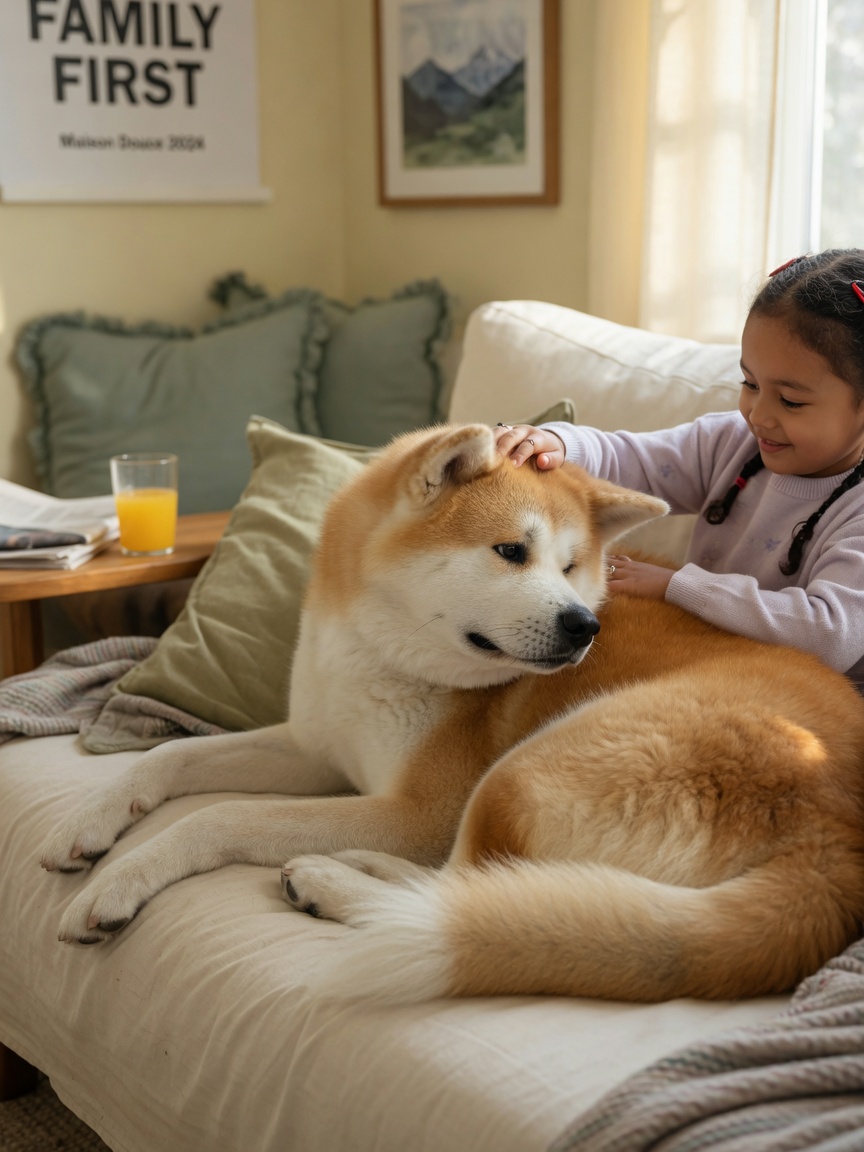
Gli Akita sono spesso descritti come simili ai gatti nella loro indipendenza — dignitosi, vigili e non propensi a un affetto indiscriminato verso gli estranei. In famiglia, tuttavia, sono in genere profondamente legati, affettuosi in modo discreto e protettivi. Questo li rende eccellenti compagni per proprietari che comprendono e apprezzano un cane più riservato, legato a una sola famiglia, ma non sono naturalmente adatti a nuclei familiari che desiderano un animale altamente socievole e di facile carattere che accoglie ogni visitatore.
Una socializzazione precoce e attenta è essenziale. Gli Akita possono essere aggressivi verso individui dello stesso sesso, in particolare verso altri cani, e il loro forte istinto predatorio significa che devono essere presentati ad altri animali di piccola taglia e ai bambini con cautela e supervisione. Gli Akita ben cresciuti possono essere eccellenti con i bambini della propria famiglia, ma le loro dimensioni e la loro forza fanno sì che le interazioni con bambini sconosciuti debbano sempre essere supervisionate. Per via della loro intelligenza e della vena indipendente, danno il meglio con proprietari esperti in una gestione calma, sicura e basata sul rinforzo piuttosto che su metodi coercitivi, che tendono ad aumentare la testardaggine o la difensività invece di risolverle.
Questa è una razza che prospera nella compagnia e nella struttura, ma non richiede un'attività costante come alcune razze da lavoro. Un nucleo familiare stabile e prevedibile, con confini chiari, si adatta bene al temperamento dell'Akita.
Problemi di salute negli Akita
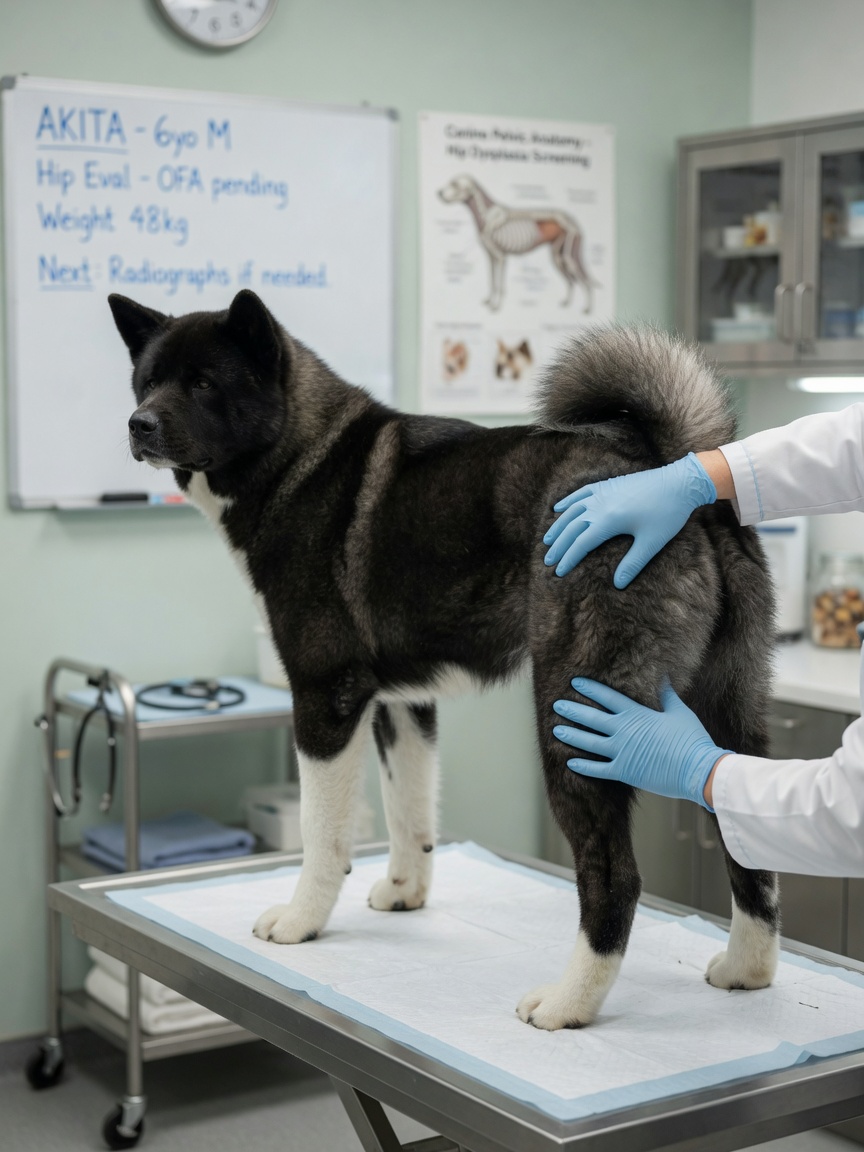
Gli Akita sono in genere una razza robusta, ma come per la maggior parte dei cani di razza pura, alcune condizioni sono documentate più comunemente nella razza che nella popolazione canina generale. Esserne consapevoli consente ai proprietari di individuare i segni precoci e di collaborare in modo proattivo con il proprio veterinario.
Displasia dell'anca
La displasia dell'anca è una condizione dello sviluppo in cui l'articolazione dell'anca non si forma o non si articola correttamente, causando instabilità e, nel tempo, usura e osteoartrite. È comunemente riportata nelle razze di taglia grande e gigante, compreso l'Akita. I segni precoci possono includere un'andatura a coniglio, riluttanza a saltare o salire le scale, rigidità dopo il riposo e un cambiamento nella tolleranza all'esercizio. I programmi di allevamento responsabile utilizzano schemi di valutazione delle anche per ridurre il rischio, quindi è opportuno chiedere a un allevatore lo stato delle anche dei genitori di un cucciolo. Mantenere una condizione corporea magra per tutta la vita, in particolare durante la crescita, aiuta a ridurre lo sforzo sulle articolazioni in sviluppo; la nostra guida alle fasi di crescita del cucciolo spiega come sostenere uno sviluppo scheletrico sano. Se in seguito si sviluppa l'artrite, la nostra guida alla gestione dell'artrite nel cane illustra strategie pratiche per mantenere i cani affetti confortevoli e mobili.
Ipotiroidismo
L'ipotiroidismo, una ghiandola tiroidea ipoattiva, è comunemente riportato negli Akita e può svilupparsi in mezza età. Può causare aumento di peso nonostante un appetito normale, letargia, un mantello opaco o diradato e una maggiore sensibilità al freddo. Poiché questi segni possono essere sottili e facilmente scambiati per un semplice invecchiamento, un esame del sangue è l'unico modo affidabile per confermare la diagnosi. La condizione è in genere molto gestibile con una terapia sostitutiva giornaliera di ormone tiroideo per via orale una volta identificata, e la maggior parte dei cani torna a una buona qualità di vita con il trattamento.
Condizioni immuno-mediate (tra cui adenite sebacea e malattie cutanee autoimmuni)
Gli Akita sono tra le razze in cui le condizioni cutanee immuno-mediate, come l'adenite sebacea (infiammazione che colpisce le ghiandole sebacee della cute) e varie malattie cutanee autoimmuni, sono riportate più frequentemente. L'adenite sebacea può causare pelle secca e desquamata, perdita di pelo a chiazze e un odore di muffa del mantello, spesso a partire dal dorso e dalla testa. Le condizioni cutanee autoimmuni possono presentarsi con croste, piaghe o perdita di pelo, in particolare intorno al naso, alle orecchie o ai cuscinetti plantari. Qualsiasi alterazione cutanea persistente merita una visita veterinaria, poiché una diagnosi precoce tramite biopsia cutanea consente una gestione più efficace. La nostra guida alle allergie cutanee del cane offre un utile inquadramento generale sul riconoscimento e la gestione dei problemi cutanei, sebbene le vere allergie siano una categoria distinta da queste condizioni immuno-mediate e richiedano approcci diagnostici differenti.
Dilatazione-volvolo gastrico (bloat)
Essendo una razza di taglia grande e dal torace profondo, l'Akita presenta un rischio comunemente riportato di dilatazione-volvolo gastrico, un'emergenza potenzialmente fatale in cui lo stomaco si riempie di gas e si ruota su se stesso. I segni includono un addome visibilmente disteso, conati di vomito improduttivi, irrequietezza, scialorrea e collasso. Questa condizione richiede un trattamento veterinario d'urgenza immediato e non può essere gestita a casa. Somministrare pasti più piccoli e più frequenti piuttosto che un unico pasto abbondante, evitare l'esercizio vigoroso immediatamente prima e dopo i pasti e utilizzare ciotole a alimentazione lenta può aiutare a ridurre il rischio, sebbene nessun metodo lo elimini del tutto. I proprietari dovrebbero conoscere la posizione del veterinario d'urgenza più vicino prima che se ne abbia mai bisogno.
Atrofia progressiva della retina e altre patologie oculari
L'atrofia progressiva della retina, una degenerazione graduale della retina che porta alla perdita della vista, insieme ad altre patologie oculari ereditarie, è stata riportata nella razza. I segni precoci includono riluttanza a muoversi in condizioni di scarsa illuminazione o in spazi sconosciuti e un'esitazione generale che può essere scambiata per testardaggine. Non esiste una cura, ma i cani in genere si adattano bene alla perdita graduale della vista in un ambiente domestico familiare. Gli allevatori che sottopongono i riproduttori a screening tramite schemi di esame oculare aiutano a ridurre il rischio di trasmissione di queste condizioni.
Anemia emolitica immuno-mediata e altri disturbi del sangue
Alcune condizioni ematiche immuno-mediate, in cui il sistema immunitario dell'organismo attacca per errore i propri globuli rossi, sono state documentate negli Akita. I segni possono includere gengive pallide, letargia, urine scure e frequenza cardiaca elevata. Si tratta di una condizione grave che richiede una diagnosi e un trattamento veterinari tempestivi, di solito con farmaci immunosoppressori. Il riconoscimento tempestivo dei segni precoci, a volte vaghi, di letargia e ridotto appetito può fare una differenza significativa sugli esiti.
Nutrizione e alimentazione
Gli Akita si trovano bene con una dieta completa di alta qualità adeguata alla loro fase di vita, con il controllo delle porzioni particolarmente importante data la loro tendenza all'aumento di peso, soprattutto se in seguito si sviluppa l'ipotiroidismo. Essendo una razza di taglia grande predisposta a patologie articolari, una crescita controllata durante l'età del cucciolo è importante — evitare un apporto calorico eccessivo e l'integrazione di calcio aiuta a prevenire problemi ortopedici dello sviluppo; consulta la nostra guida alle fasi di crescita del cucciolo per maggiori dettagli sull'alimentazione in questa fase.
Data la predisposizione della razza a condizioni cutanee e immunitarie, alcuni proprietari trovano che aggiustamenti dietetici, sotto guida veterinaria, aiutino a gestire le riacutizzazioni cutanee, sebbene questo debba sempre essere perseguito insieme a una diagnosi adeguata e non come sostituto di essa. La nostra guida agli alimenti ipoallergenici per cani spiega come funzionano le diete a ingredienti limitati e a proteine nuove per i cani con sospetta sensibilità alimentare. Alcuni proprietari esplorano anche integratori di supporto intestinale; il nostro articolo su evidenze sui probiotici per i cani esamina ciò che le evidenze attuali effettivamente sostengono.
Man mano che gli Akita entrano negli anni senior, adeguare l'apporto calorico e considerare nutrienti di supporto articolare può aiutare a gestire gli effetti dell'invecchiamento e di un'eventuale artrite preesistente; la nostra guida al miglior cibo per cani anziani copre cosa cercare in questa fase della vita. L'alimentazione da una ciotola rialzata generalmente non è raccomandata dato il rischio di bloat discusso sopra; pasti più piccoli e più frequenti sono un approccio più supportato dalle evidenze.
Toelettatura e cura
Il denso doppio pelo dell'Akita perde pelo in modo costante tutto l'anno, con una più intensa «soffiata» stagionale del sottopelo che si verifica in genere due volte l'anno. Una spazzolatura regolare, diverse volte a settimana e quotidiana durante i periodi di muta intensa, aiuta a gestire il pelo morto e a mantenere sana la cute. Il bagno dovrebbe essere occasionale piuttosto che frequente, poiché i bagni eccessivi possono asportare gli oli naturali e potenzialmente aggravare le condizioni cutanee a cui la razza è predisposta.
La cura di routine dovrebbe includere il taglio regolare delle unghie, il controllo delle orecchie e l'igiene dentale. A causa della suscettibilità della razza alle condizioni cutanee, i proprietari dovrebbero prendere l'abitudine di passare le mani sul mantello regolarmente per verificare secchezza, desquamazione, odore insolito o perdita di pelo, e di segnalare tempestivamente qualsiasi dubbio a un veterinario piuttosto che aspettare che i sintomi progrediscano.
Esigenze di esercizio e addestramento
Gli Akita necessitano di esercizio quotidiano moderato e costante, in genere passeggiate a passo sostenuto e un po' di attività senza guinzaglio in un'area recintata in modo sicuro, piuttosto che un lavoro atletico intenso e prolungato. Non sono una razza che richiede ore di esercizio, ma la stimolazione mentale e la routine sono molto importanti per il loro benessere. Dato il loro forte istinto predatorio, il richiamo in aree non recintate può essere inaffidabile, e la passeggiata al guinzaglio negli spazi pubblici è generalmente consigliabile.
L'addestramento dovrebbe iniziare precocemente e basarsi fermamente su metodi positivi e incentrati sul rinforzo. Gli Akita sono intelligenti e capaci di apprendere, ma la loro natura indipendente fa sì che possano essere meno motivati da esercizi di obbedienza ripetitivi rispetto ad alcune razze. Sessioni brevi, coinvolgenti e costanti tendono a funzionare meglio di quelle lunghe. Una socializzazione precoce con un'ampia varietà di persone, cani e situazioni, idealmente a partire da un corso per cuccioli ben condotto, è uno degli investimenti più importanti che un proprietario possa fare, date le tendenze della razza alla diffidenza verso gli estranei e all'aggressività verso cani dello stesso sesso.
Domande frequenti
Gli Akita vanno d'accordo con i bambini?
Gli Akita possono essere compagni eccellenti e leali per i bambini della propria famiglia quando crescono insieme e sono adeguatamente socializzati, ma le loro dimensioni, la loro forza e la natura riservata verso le persone sconosciute fanno sì che le interazioni, soprattutto con i bambini in visita, debbano sempre essere supervisionate.
Gli Akita vanno d'accordo con gli altri cani?
Questo varia considerevolmente tra gli individui, ma l'aggressività verso individui dello stesso sesso è comunemente riportata nella razza, in particolare tra due Akita dello stesso sesso. La socializzazione precoce aiuta, ma molti Akita danno il meglio come unico cane in casa o con presentazioni attente e graduali a compagni compatibili.
Quanta toelettatura serve a un Akita?
Gli Akita perdono pelo in modo costante e hanno periodi stagionali pronunciati di muta del sottopelo. Una spazzolatura regolare diverse volte a settimana, che aumenta a quotidiana durante la muta intensa, è in genere necessaria per gestire il pelo morto e mantenere la salute della cute.
Qual è il problema di salute più importante che i proprietari di Akita devono tenere d'occhio?
Non esiste un'unica preoccupazione principale, ma i proprietari dovrebbero essere particolarmente attenti ai segni di dilatazione-volvolo gastrico (bloat) data la sua natura di emergenza, insieme al monitoraggio di routine per i cambiamenti articolari, lo stato della cute e i sintomi correlati alla tiroide come aumento di peso o letargia con l'invecchiamento del cane.
Questa guida è destinata esclusivamente a scopi informativi generali e non sostituisce il consiglio veterinario individuale. Consulta sempre il tuo veterinario per indicazioni specifiche sulla salute, la storia e le esigenze del tuo cane.