
Why Does My Dog Lick Me So Much? Science Behind It
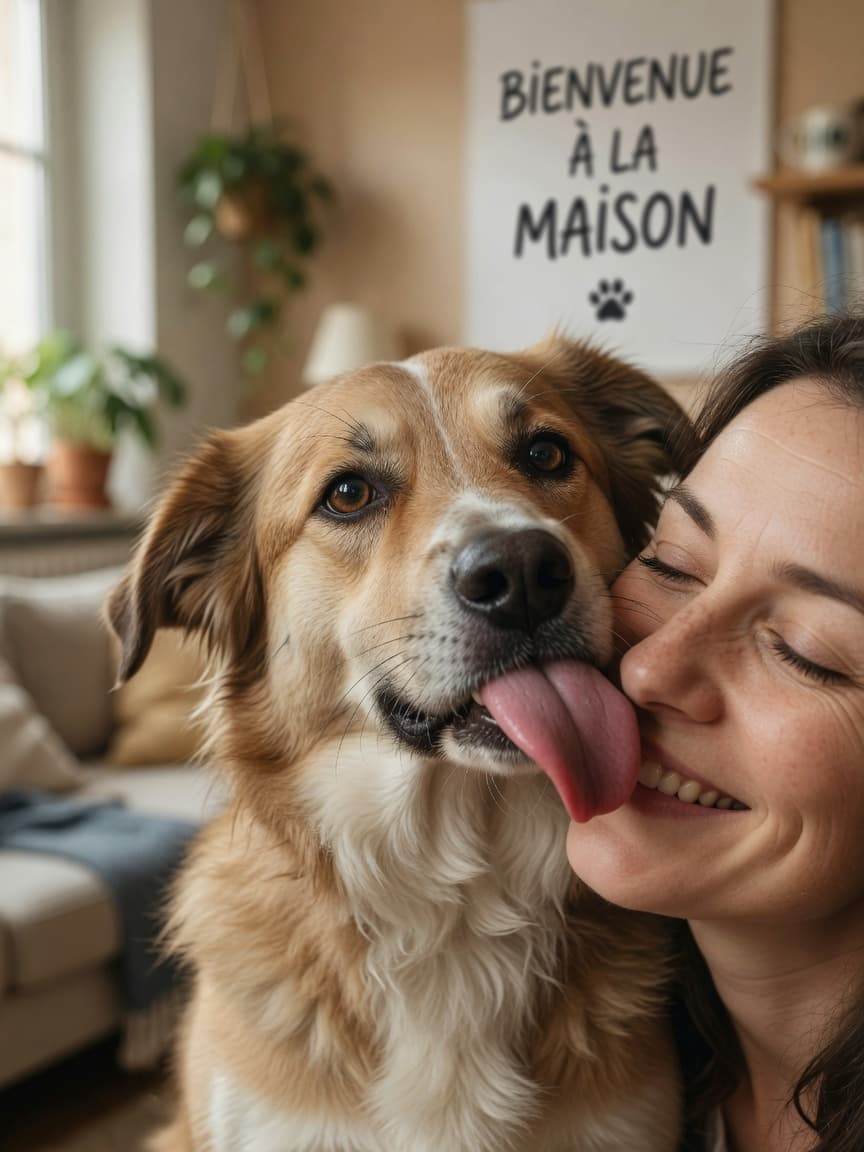
Your dog licking you is not just a sloppy kiss — it's a layered communication act with deep evolutionary roots, and science has a lot more to say about it than "they love you." While affection is absolutely part of it, dogs also lick to gather information, seek attention, self-soothe, and even to taste the salt on your skin. The behaviour starts at birth and never really stops — and understanding what's behind it can tell you a surprising amount about what your dog is actually trying to say.
It Starts the Moment They're Born
The licking instinct is one of the very first behaviours a dog experiences. Mother dogs lick their newborn puppies immediately after birth to stimulate breathing, encourage circulation, and prompt the puppies to urinate and defecate. Puppies respond by licking their mother's face — an instinctive submissive behaviour that also, in wild canid species, triggers the mother to regurgitate partially digested food. Yes, really. The face-licking that makes you go "awww" is evolutionarily linked to meal-requesting. You're welcome for that image.
Affection and Social Bonding

That said, licking is absolutely a bonding behaviour in domestic dogs. Within a pack, mutual grooming through licking reinforces social bonds and communicates trust. When your dog licks you — particularly around your face, hands, and feet — they're including you in that social grooming ritual. It's one of the ways they reinforce the bond with the humans they see as their family group. Studies measuring cortisol levels in dogs have found that licking can reduce stress hormones in both the dog and, interestingly, in the human receiving the licking.
You Taste Amazing (No, Really)
Human skin is naturally salty — we sweat, we use lotions, we eat food that leaves residue on our hands. To a dog's highly sensitive nose and tongue, your skin is a treasure map of interesting chemical information. They can detect trace amounts of sweat, food, cosmetics, and even hormonal changes through licking. This is also why dogs tend to lick more after you've exercised — your sweat concentration is higher, and to them, that's genuinely delicious. Weird? Yes. Scientifically accurate? Also yes.
Attention-Seeking Behaviour
Dogs are fast learners when it comes to what gets a human's attention. If licking you once produced a laugh, a cuddle, or even just eye contact, your dog filed that information away. Many dogs lick persistently not primarily out of affection but because it reliably gets them noticed. This is why dogs will often escalate licking if you try to subtly ignore them — they'll go from your hand to your face to your ear with the determination of someone who knows exactly what they're doing.
Submissive and Appeasement Signals
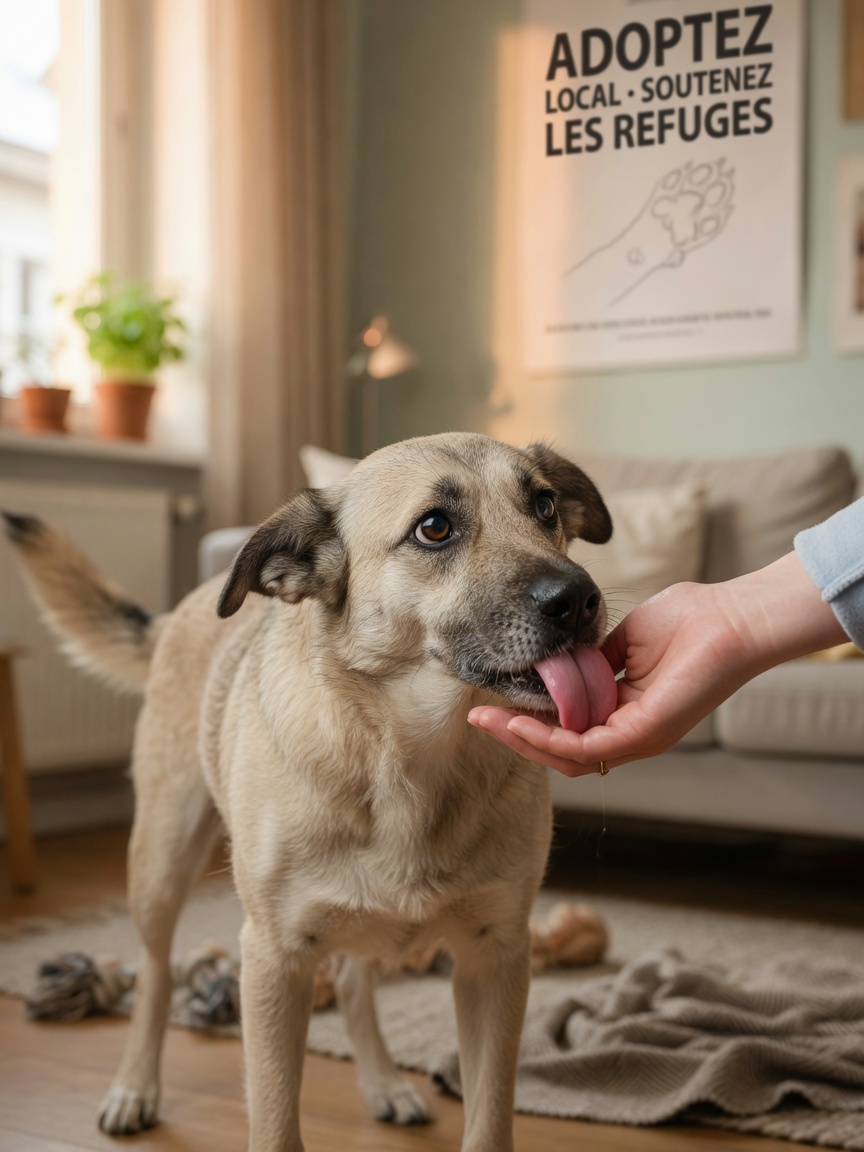
In canine communication, licking the face of a more dominant individual is a classic appeasement gesture. Dogs that are anxious, uncertain, or trying to de-escalate tension will often lick. If your dog licks you intensely when you raise your voice, when a visitor arrives, or during thunderstorms, they may be communicating "please don't be upset" or "I'm not a threat." This type of licking often comes with other appeasement signals: ears back, body low, tail tucked or wagging low. Reading the full body language helps you understand what kind of lick it actually is.
Compulsive Licking: When It's Too Much
Most dog licking is completely normal and harmless. But there's a point where it tips from affectionate behaviour into something worth investigating:
- Obsessive licking of one spot on their own body can signal pain, skin irritation, allergies, or anxiety.
- Sudden increase in licking behaviour in an adult dog can indicate nausea, gastrointestinal discomfort, or cognitive changes in senior dogs.
- Licking that seems frantic or uninterruptible may be linked to anxiety disorders or obsessive-compulsive tendencies.
- Excessive licking of objects or floors (known as Excessive Licking of Surfaces, or ELS) has been associated with gastrointestinal issues in multiple studies.
If you notice a shift in your dog's licking patterns, or if the licking of surfaces or specific body parts seems driven and impossible to interrupt, it's worth mentioning to your vet.
Should You Let Your Dog Lick Your Face?
This is where things get practical. Dog saliva contains bacteria that are generally harmless to healthy adults — the idea that dogs' mouths are cleaner than humans' is a myth, but so is the idea that a lick will make you seriously ill under normal circumstances. The main real risk is to immunocompromised individuals, young children, or people with open wounds. For those groups, face-licking is best avoided. For everyone else, it's a personal preference call. If you're comfortable with it and your dog is vaccinated and parasite-free, the occasional face-lick is not a medical emergency.
How to Manage Excessive Licking
If your dog's licking is becoming overwhelming, consistency is key. Stand up calmly, look away, and withdraw attention the moment licking starts. Don't push them away dramatically (that's still a reaction, and reactions are rewarding). Redirect them to a toy, a chew, or a training exercise. Teaching "leave it" as a command that applies to licking gives you a reliable way to redirect the behaviour without making it a confrontation.
Key Takeaways
- Dogs lick for multiple reasons: affection, information-gathering, taste, attention-seeking, and appeasement.
- Licking releases endorphins in dogs — it actively makes them feel good.
- The behaviour originates in newborn puppy-mother interactions and carries through to adulthood.
- Context matters: anxious licking looks and feels different from affectionate licking — read the whole body.
- Compulsive or sudden-onset licking is worth a vet conversation, especially in senior dogs.
Sources
- Bécuwe-Bonnet V, Bélanger MC, Frank D, Parent J, Hélie P. "Gastrointestinal disorders in dogs with excessive licking of surfaces." Journal of Veterinary Behavior. 2012;7(4):194-204. PubMed PMID: 22771693.
- Odendaal JS, Meintjes RA. "Neurophysiological correlates of affiliative behaviour between humans and dogs." The Veterinary Journal. 2003;165(3):296-301. PubMed PMID: 12672376.
Written by Julia Wrenfield, Pet Wellness Researcher | ForPetsHealthcare.com