
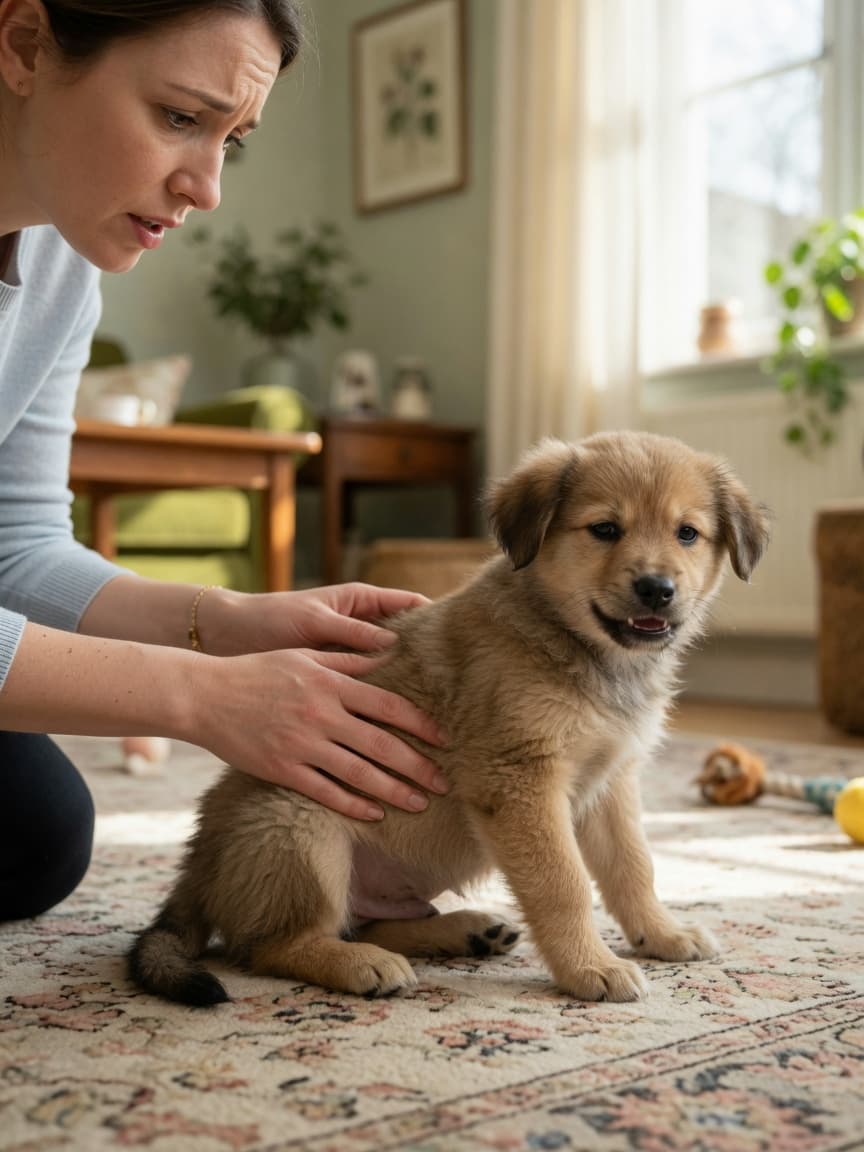
Noticing your puppy hasn't had a bowel movement in a day or two can be worrying, but constipation in young dogs is quite common and often manageable at home. Whether it's caused by dietary changes, dehydration, or something more serious, understanding the signs and knowing when to seek help will give you confidence to support your puppy through this uncomfortable situation. Let's explore what causes puppy constipation, how to recognise it, and the practical steps you can take to get your little one back to normal.
Understanding Puppy Constipation
Constipation occurs when your puppy struggles to pass stools or hasn't had a bowel movement within 48 hours. Puppies typically go to the toilet several times daily, so any significant change in frequency or difficulty should be noted. Common causes include:
- Dietary changes or low-fibre food
- Dehydration and insufficient water intake
- Swallowing non-digestible materials like hair, grass, or toys
- Lack of exercise or activity
- Certain medications or supplements
- Intestinal blockages or anatomical issues
Recognising the Signs
Besides the obvious absence of bowel movements, watch for these telltale signs of constipation:
- Straining or discomfort during toilet time
- Loss of appetite or decreased interest in food
- Lethargy or unusual tiredness
- Abdominal swelling or a hard, tense belly
- Scooting or dragging the bottom along the floor
- Excessive licking of the rear end
If your puppy shows these signs alongside vomiting, severe abdominal pain, or bloody stools, contact your vet immediately, as these could indicate a more serious condition.
Home Remedies and Initial Steps
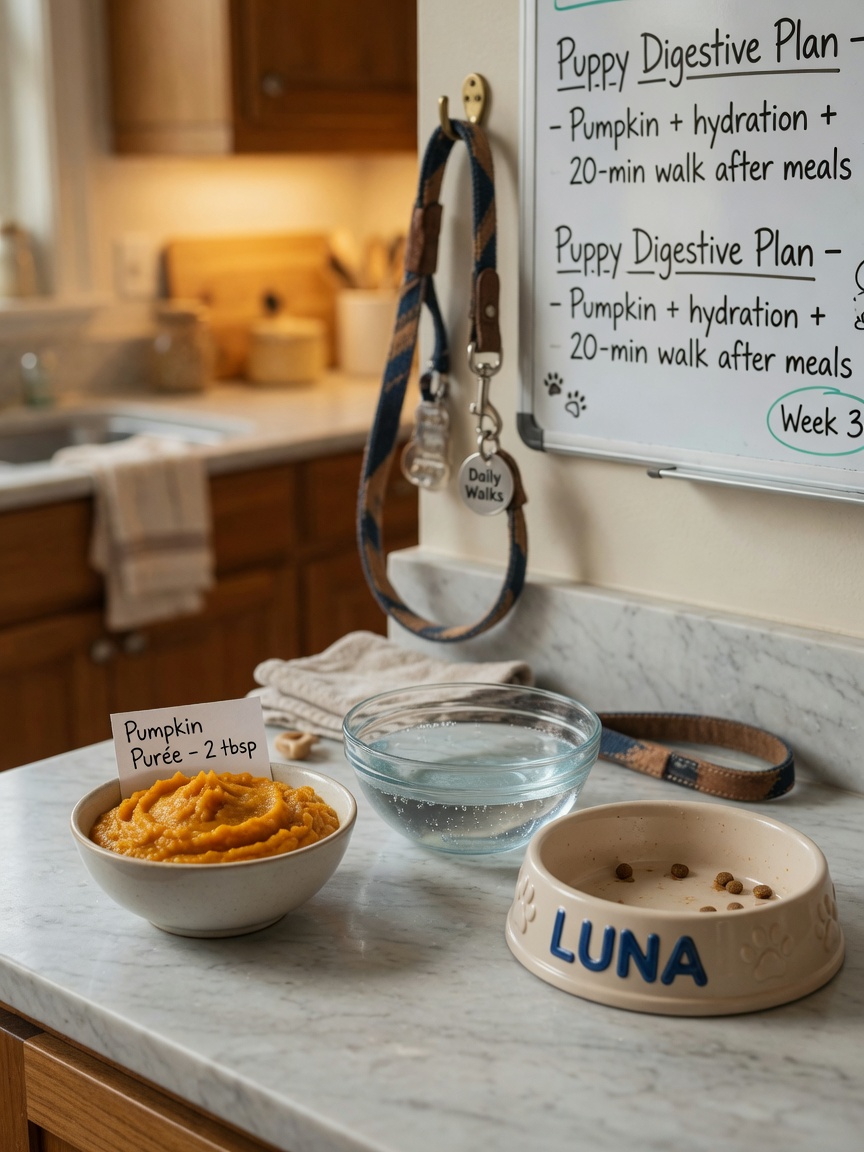
For mild constipation, several safe home remedies can help:
- Increase water intake: Ensure fresh water is always available. Dehydration is a common culprit, so encourage drinking by offering water in different bowls or adding a splash of chicken broth (unsalted).
- Add fibre to their diet: Introduce small amounts of cooked pumpkin (not pumpkin pie filling), plain sweet potato, or commercial puppy-friendly fibre supplements. Start with a teaspoon and gradually increase.
- Provide regular exercise: Increased activity stimulates bowel movements. Take your puppy outside more frequently and engage in age-appropriate play and walks.
- Warm up their food: Slightly warming wet food can aid digestion and encourage eating.
- Check the diet: Ensure you're feeding a high-quality puppy food appropriate for their age and size. Avoid sudden dietary switches, which can cause digestive upset.
When to Contact Your Vet
Seek professional advice if your puppy hasn't had a bowel movement for more than two to three days, shows signs of severe pain, vomits repeatedly, or has a swollen abdomen. Your vet may perform a physical examination or X-rays to rule out blockages or other complications. In some cases, they may recommend a stool softener or enema, though these should only be used under professional guidance.
Prevention and Long-Term Management
Keeping your puppy regular is easier than treating constipation. Feed a balanced, age-appropriate diet with adequate fibre, ensure constant access to fresh water, maintain regular exercise routines, and be cautious about what your puppy has access to. Regular preventative vet check-ups help catch potential issues early.
Key Takeaways
Puppy constipation is usually manageable with increased hydration, dietary adjustments, and more exercise. However, don't hesitate to contact your vet if symptoms persist or worsen. By understanding the causes and recognising early signs, you'll be well-equipped to keep your puppy's digestive system healthy and happy throughout their growing years.