

Small Dog, Large Health Agenda
A Chihuahua puppy can fit in a coat pocket. It can also experience a life-threatening blood sugar crash, lose most of its teeth by middle age, and fracture a leg from a jump off a sofa — all conditions directly linked to the same miniaturisation that makes it so appealing. Toy breeds occupy a distinct health category not because they are delicate by nature, but because the biological consequences of extreme small size are real and specific. Owners who understand them are far better placed to prevent the entirely preventable.
Hypoglycaemia: When Small Bodies Run Out of Fuel
Hypoglycaemia — dangerously low blood glucose — is one of the most acute health risks facing toy breed puppies and, in some cases, adults. It occurs because tiny dogs have a very high metabolic rate relative to their body mass, minimal glycogen storage capacity in the liver, and proportionally large brains with high glucose demand. Any disruption to eating — stress, illness, travel, excitement — can tip the balance rapidly.
Signs include weakness, trembling, glassy eyes, stumbling, seizures, and loss of consciousness. A puppy that was lively an hour ago can deteriorate to unconsciousness within minutes. Emergency first response involves rubbing a small amount of honey or glucose gel onto the gums and transporting the animal to a veterinarian immediately. This is not a condition to manage at home beyond this immediate stabilisation step.
Prevention centres on feeding frequency. Toy breed puppies typically require three to four small meals per day rather than the twice-daily schedule suitable for larger breeds. Owners should maintain a consistent feeding routine, avoid prolonged periods without food during travel or disruption, and discuss a monitoring plan with their vet for any puppy that experiences an episode.
Dental Disease: The Toy Breed's Most Underestimated Problem
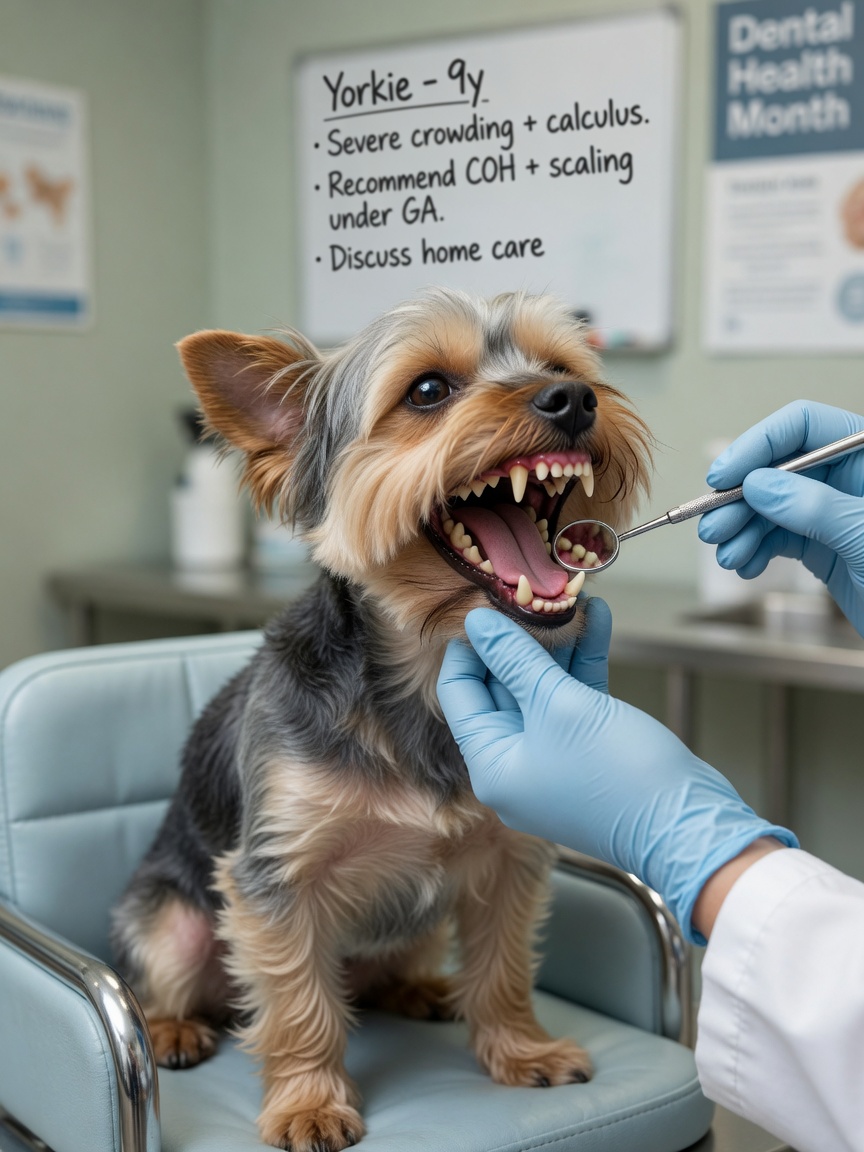
Periodontal disease is present in the majority of dogs over three years of age regardless of breed, but toy breeds suffer earlier, more severely, and with greater systemic consequence. The reason is straightforward: toy breeds have the same number of teeth as a large dog, compressed into a jaw that is a fraction of the size. Crowding causes food and bacteria to accumulate in pockets that routine chewing cannot clear. The result is accelerated plaque and tartar formation, gum recession, tooth root infection, and early tooth loss.
Why This Matters Beyond the Mouth
Chronic periodontal disease is not merely a dental inconvenience. Persistent oral infection contributes to systemic inflammation and has been linked in veterinary literature to cardiac and renal changes over time. In very small dogs where tooth roots sit close to the jaw bone, severe infection can cause pathological jaw fractures — a sobering reminder that neglected dental disease carries structural consequences.
What Prevention Looks Like
Daily toothbrushing with a veterinary-approved toothpaste is the gold standard and remains the single most effective home intervention. Dental chews and water additives offer adjunct benefit but do not replace mechanical cleaning. Professional veterinary dental scaling under anaesthesia will be required periodically — the frequency depends on the individual dog. Starting dental care in puppyhood makes the process dramatically easier for both dog and owner.
Fragile Bones and Structural Vulnerabilities
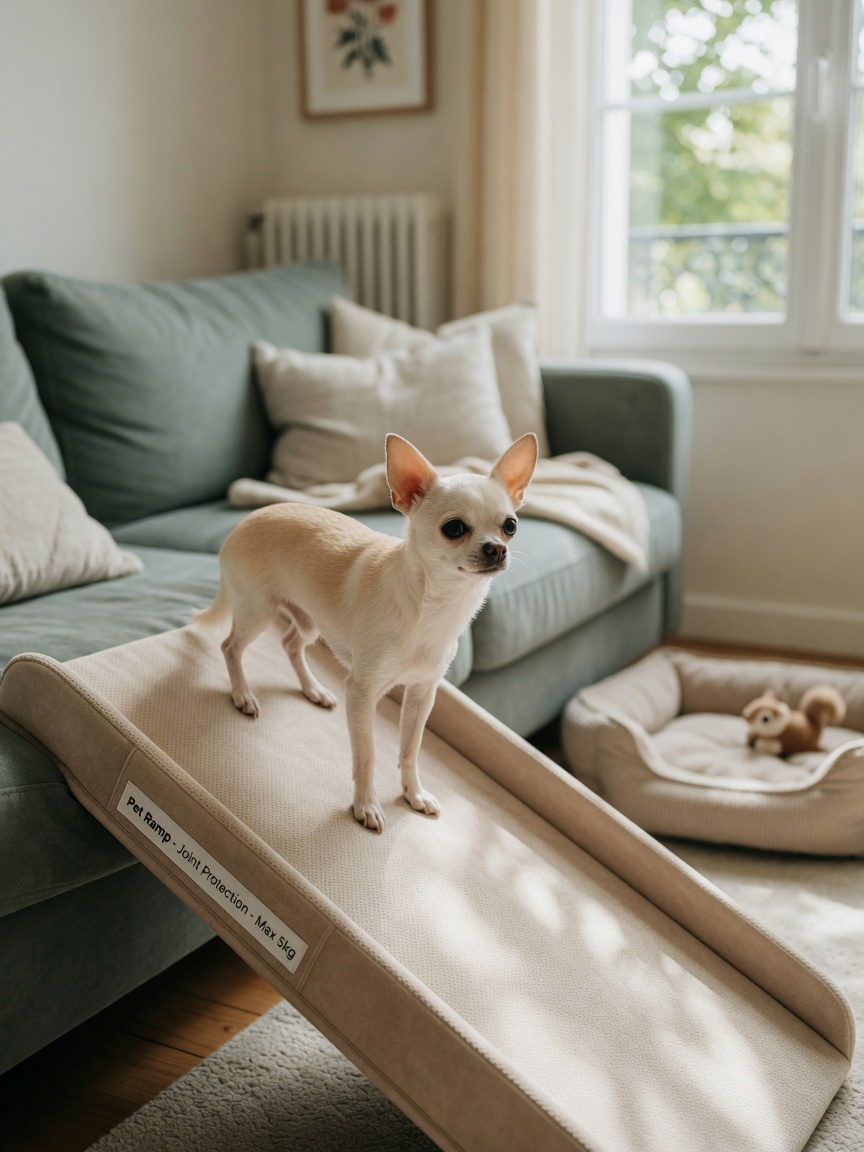
The miniaturised skeleton of toy breeds creates orthopaedic risks that owners of larger dogs rarely encounter.
Patellar Luxation
Patellar luxation — where the kneecap slips out of its groove — is the most prevalent orthopaedic condition in toy breeds. Grades range from occasional slipping that the dog corrects spontaneously, to permanent displacement causing chronic pain and altered gait. Yorkshire Terriers, Chihuahuas, Pomeranians, and Maltese are particularly affected. Mild cases are managed conservatively with weight control and monitored exercise; severe cases require surgical correction. Untreated high-grade patellar luxation accelerates cruciate ligament degeneration, creating a compounding problem.
Fractures From Everyday Life
A toy breed jumping from standard furniture height lands with proportionally enormous force relative to bone diameter. Radius and ulna fractures in Chihuahuas and other very small breeds are notoriously difficult to manage surgically because the bone stock is insufficient for standard fixation hardware. Prevention is far preferable to treatment: ramps and steps to furniture, discouraging jumping from heights, and careful handling particularly in households with children all reduce fracture risk substantially.
Open Fontanelle in Toy Breeds
Chihuahuas and some other toy breeds are born with an open fontanelle — a gap in the skull bones at the top of the head, sometimes called a "molera." In most cases this closes over time, but a persistent open fontanelle indicates the skull has not fully fused, leaving the brain vulnerable to trauma from even minor impact. Dogs with this finding should be assessed by a veterinarian and protected from rough handling.
Additional Concerns Worth Knowing
Tracheal collapse — where the cartilage rings of the windpipe weaken and flatten — affects toy breeds disproportionately, causing a characteristic goose-honk cough that worsens with excitement or exercise. Brachycephalic toy breeds (Pekingese, Shih Tzu, Pug) carry the added burden of brachycephalic obstructive airway syndrome, a syndrome requiring specialist evaluation in affected individuals. Hydrocephalus — fluid accumulation in the brain — occurs with elevated frequency in dome-skulled toy breeds and may present as seizures, behavioural changes, or abnormal gait in young dogs.
Practical Guidance for Toy Breed Owners
- Feed toy breed puppies three to four small meals daily and carry an emergency glucose source when travelling or at times of disruption.
- Begin toothbrushing from eight weeks of age to establish acceptance, and schedule professional dental assessments annually from one year old.
- Install ramps and steps to all furniture and beds; discourage jumping from height, particularly in breeds under four kilograms.
- Have your dog's kneecaps assessed at annual health checks — early-grade luxation is manageable; late diagnosis limits options.
- Ensure children and visitors understand appropriate handling — toy breeds are not robust despite their apparent adaptability.
- Consult your veterinarian at the first sign of coughing, breathing changes, or neurological symptoms — these are not conditions to monitor from home.
Toy breeds live long lives when their specific needs are properly understood and met. Their size is not their vulnerability — uninformed ownership is.