
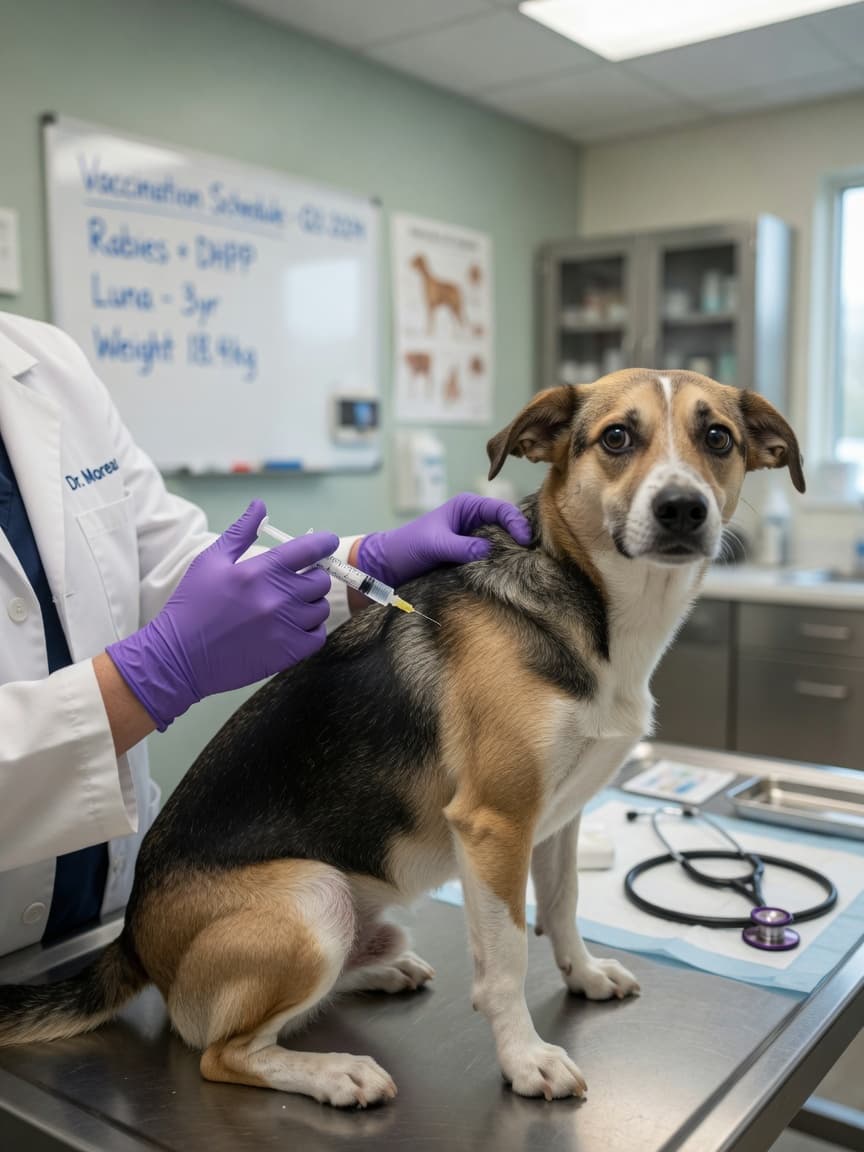
A Disease That Has Not Gone Away
Leptospirosis is a bacterial infection caused by spiral-shaped organisms called Leptospira. It affects dogs across the globe and, critically, it can be passed from animals to humans — making it a zoonotic disease with genuine public health significance. Despite the availability of an effective vaccine, cases in dogs have been rising in many parts of the UK and Europe, driven by changing rainfall patterns, urban wildlife populations, and increased outdoor activity.
The bacteria thrive in warm, stagnant or slow-moving water. Rats and other rodents are the primary reservoir, shedding the organism in their urine. Dogs become infected through contact with contaminated water, soil, or the urine of infected animals — often without any obvious source being identifiable after the fact.
How Dogs Get Infected
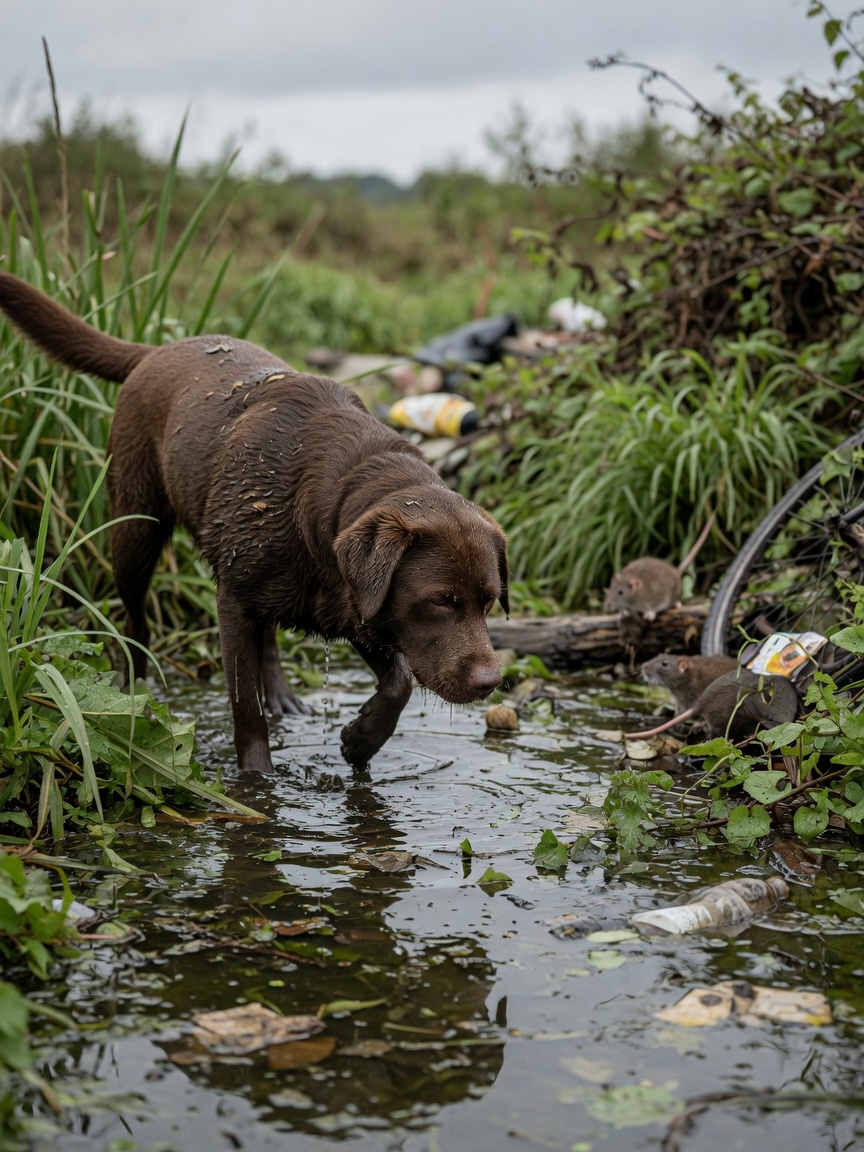
The routes of infection are more varied than many owners realise. Direct contact with infected urine is the most common pathway, but Leptospira can also enter the body through cuts or abrasions in the skin, mucous membranes, or via ingestion of contaminated water. A dog swimming in a river, puddle, or flooded field can be exposed without any obvious risk factor being apparent at the time.
Dogs that spend time in rural areas, near water, or in environments with high rodent activity are at elevated risk. But urban dogs are not protected by city life — rats are abundant in many towns, and contaminated puddles or standing water are not confined to the countryside. The increasing frequency of flooding events in the UK has also expanded the geographic spread of contamination.
Symptoms of Leptospirosis
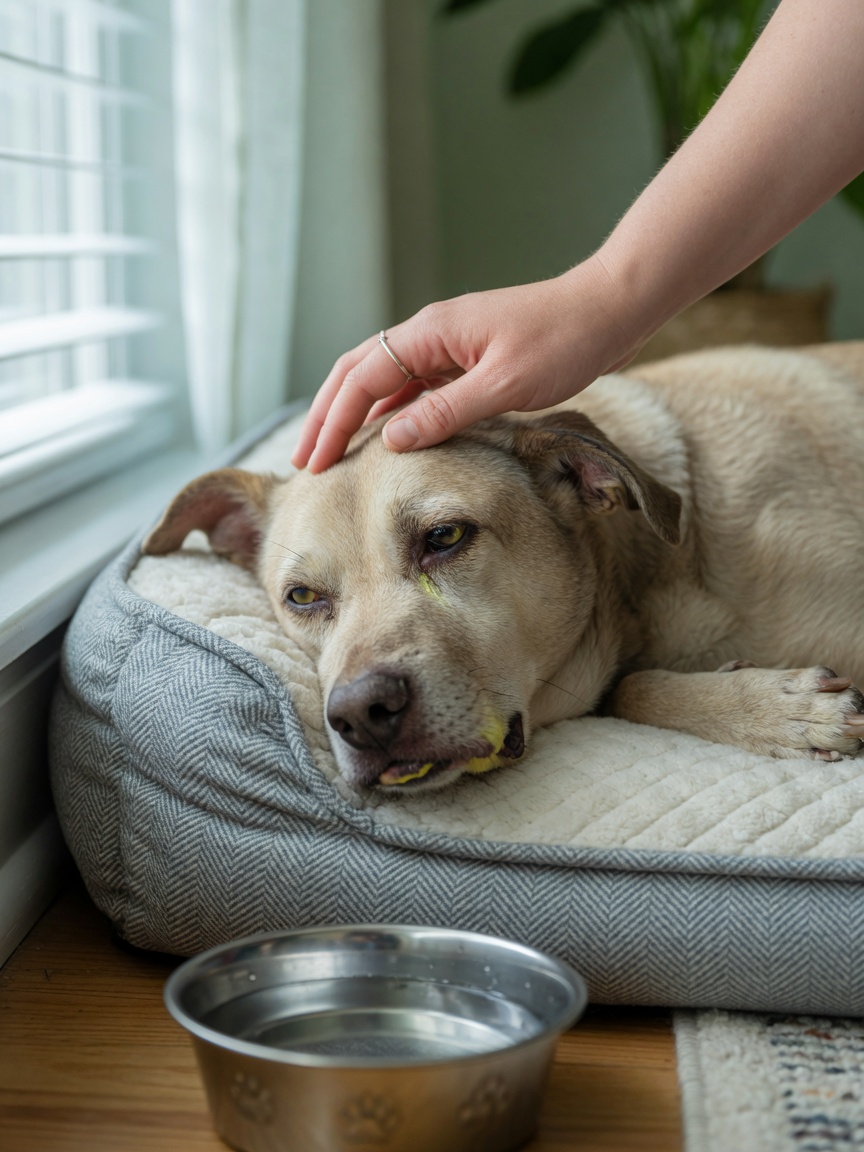
One of the challenges with leptospirosis is that its symptoms are non-specific and can mimic many other conditions. The incubation period is typically between two and twelve days, after which the illness can present in several different ways depending on which organs are primarily affected.
Common signs include:
- Sudden fever, often accompanied by shivering
- Vomiting and diarrhoea, sometimes with blood
- Severe lethargy and reluctance to move
- Increased thirst and urination, or conversely, a dramatic reduction in urine output
- Jaundice — yellowing of the gums, whites of the eyes, and skin
- Muscle pain and stiffness
- Bleeding from the nose or gums
In acute cases, organ failure can develop rapidly. The kidneys and liver are most frequently targeted. Without prompt treatment, leptospirosis can be fatal, and even dogs that survive severe disease may be left with permanent kidney damage requiring long-term management.
Diagnosis and Treatment
Diagnosing leptospirosis requires specific laboratory testing — blood and urine samples are typically sent for culture, PCR analysis, or microscopic agglutination testing. Because the presentation is so variable, vets must often begin treatment on clinical suspicion while waiting for results.
Antibiotic therapy, most commonly using doxycycline or penicillin-based drugs, is the cornerstone of treatment. Dogs with severe illness require hospitalisation for intravenous fluid support, management of kidney or liver failure, and intensive monitoring. Early intervention significantly improves outcomes, which is why acting quickly at the first sign of illness is essential.
It is also important to inform your vet if anyone in your household has developed symptoms of illness, as humans can contract leptospirosis from an infected dog through contact with urine. Human leptospirosis can cause Weil's disease, a potentially life-threatening condition affecting the liver and kidneys.
Why the Vaccine Matters More Than Ever
The leptospirosis vaccine has been part of the core canine vaccination schedule in the UK for decades, but its importance has grown as the disease has become more prevalent and geographically widespread. Historically, the vaccine covered two serovars — the specific strains of Leptospira most commonly implicated in disease. A newer four-serovar vaccine (commonly referred to as L4) was introduced to broaden protection and is now recommended as standard by many vets and the British Veterinary Association.
Annual boosters are necessary to maintain effective protection, as immunity from the leptospirosis component of the vaccine wanes more quickly than protection against other diseases such as distemper or parvovirus. Missing a booster by even a few months can leave a dog vulnerable.
There has been some public discussion about adverse reactions linked to the L4 vaccine, stemming from reports made to the Veterinary Medicines Directorate. The evidence overall supports the vaccine's safety profile, and serious adverse events are uncommon. Your vet can discuss any specific concerns based on your dog's health history.
Reducing Risk Beyond Vaccination
Vaccination is the most effective tool available, but it is not the only line of defence. Supporting measures include:
- Avoiding letting your dog drink from puddles, ponds, or slow-moving water sources, particularly after heavy rain or flooding
- Keeping water sources in your garden clean and preventing rodent access
- Washing your hands after handling your dog if they have been swimming or in contact with wildlife
- Being particularly vigilant if you live near farmland, rivers, or areas with known high rodent populations
These steps are especially important in the warmer months, when Leptospira bacteria survive longest in the environment and outdoor activity is at its peak. However, leptospirosis is not exclusively a summer disease — cases occur year-round, and the autumn period following summer rainfall can also see elevated incidence.
Leptospirosis is a disease that is easy to prevent and genuinely dangerous to treat once established. Keeping your dog's vaccination up to date is one of the most straightforward decisions you can make for their long-term wellbeing — and for the safety of anyone who shares their life.