
Tick Prevention for Dogs: Natural vs Chemical Options
By Julia Wrenfield, Pet Wellness Researcher
Ticks transmit Lyme disease, Rocky Mountain spotted fever, ehrlichiosis, anaplasmosis, and babesiosis. Some of these conditions can be fatal if untreated. Year-round prevention is strongly recommended, especially in wooded or grassy regions.
Ticks are more than a nuisance — they are vectors for some of the most dangerous diseases your dog can contract. With tick populations spreading into new geographic areas every year, the question is no longer whether prevention matters, but which approach to choose. This guide lays out the full range of options — from pharmaceutical treatments to natural alternatives — so you can make an informed decision alongside your vet.
Understanding the Tick Threat
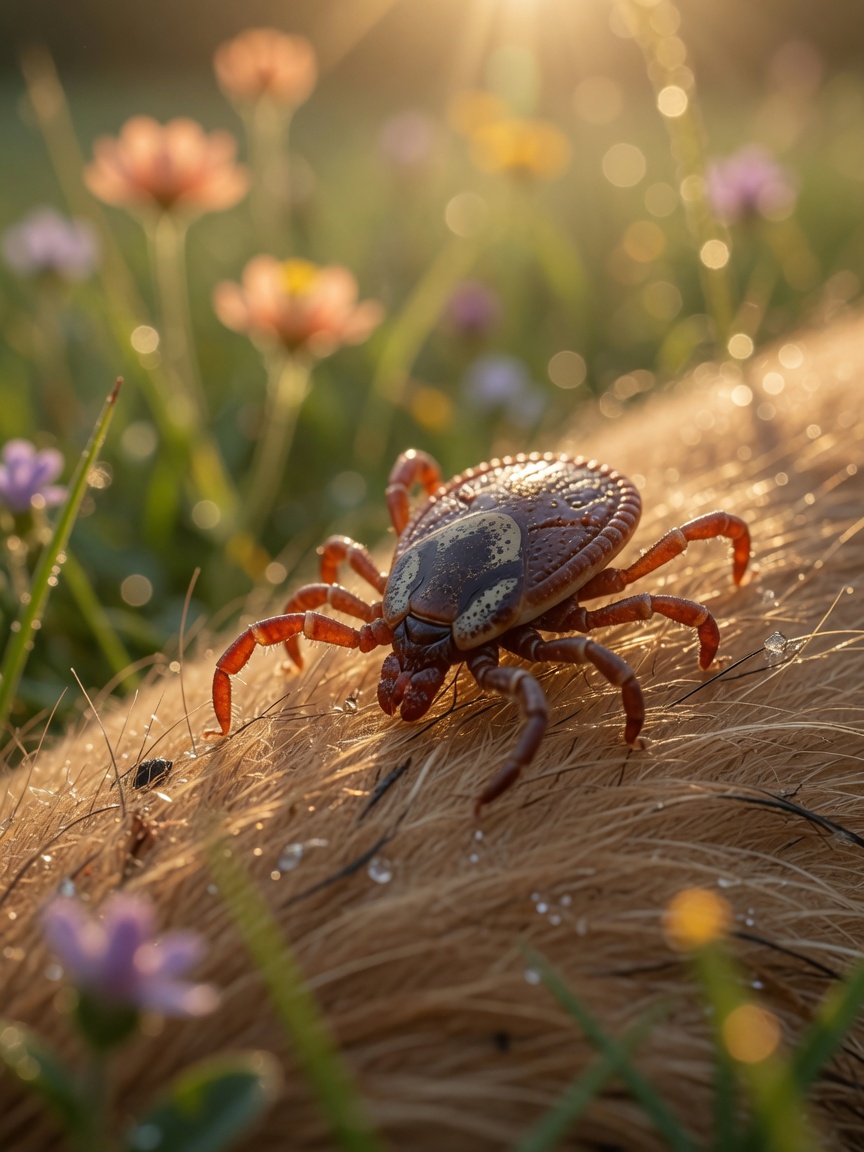
There are several tick species of concern for dogs in the UK, Europe, and North America. The black-legged tick (Ixodes scapularis), also known as the deer tick, is the primary carrier of Borrelia burgdorferi, the bacterium that causes Lyme disease. The brown dog tick (Rhipicephalus sanguineus) is found globally and can transmit ehrlichiosis and babesiosis. The American dog tick (Dermacentor variabilis) spreads Rocky Mountain spotted fever, one of the most dangerous tick-borne illnesses in North America. In Europe, the castor bean tick (Ixodes ricinus) transmits Lyme disease and tick-borne encephalitis.
Most ticks require 24–48 hours of attachment before they can transmit disease. This makes daily tick checks and prompt removal critically important. However, prevention that stops attachment in the first place is always the better strategy.
Chemical Prevention Options

Pharmaceutical tick preventatives are the most rigorously tested options and are widely recommended by veterinarians.
Spot-on treatments are applied to the back of the neck or along the spine. Products containing fipronil, permethrin (dogs only — never cats), or flumethrin kill or repel ticks on contact. Brands like Frontline, Advantix, and Vectra 3D are well-established. Most provide four weeks of protection and are water-resistant after a day or two.
Tick collars release active ingredients — typically amitraz or flumethrin — continuously over several months. The Seresto collar is the most widely used and provides up to eight months of protection against ticks and fleas. Collars are convenient but must remain in close contact with the skin to be effective.
Oral preventatives such as fluralaner (Bravecto), afoxolaner (NexGard), and sarolaner (Simparica) are chewable tablets that enter the bloodstream. When a tick bites the dog, it ingests the drug and dies. Bravecto offers up to 12 weeks of protection per dose; NexGard and Simparica are monthly. These are highly effective and eliminate concerns about washing off or residue on furniture.
Natural Prevention Options
Many pet owners are drawn to natural alternatives, particularly if they have young children or concerns about chemical exposure. The honest assessment is that natural options can reduce tick burden but should not be relied upon as standalone protection in high-risk areas.
Essential oils — particularly rose geranium oil and cedarwood oil — have some limited evidence as tick repellents when diluted and applied to the coat. However, the evidence base is thin compared to pharmaceutical products, and many essential oils are toxic to dogs in undiluted form. Never apply essential oils to cats.
Diatomaceous earth (food-grade) can be dusted into the coat and bedding. It works mechanically — the microscopic particles damage the tick's exoskeleton. It has some effect on larvae and nymphs in the environment but is not reliable for preventing tick attachment in the field.
Apple cider vinegar is often recommended in natural pet communities. There is no credible scientific evidence that it repels ticks effectively. It is generally harmless in small amounts but should not be your primary prevention strategy.
Daily Tick Checks: Non-Negotiable
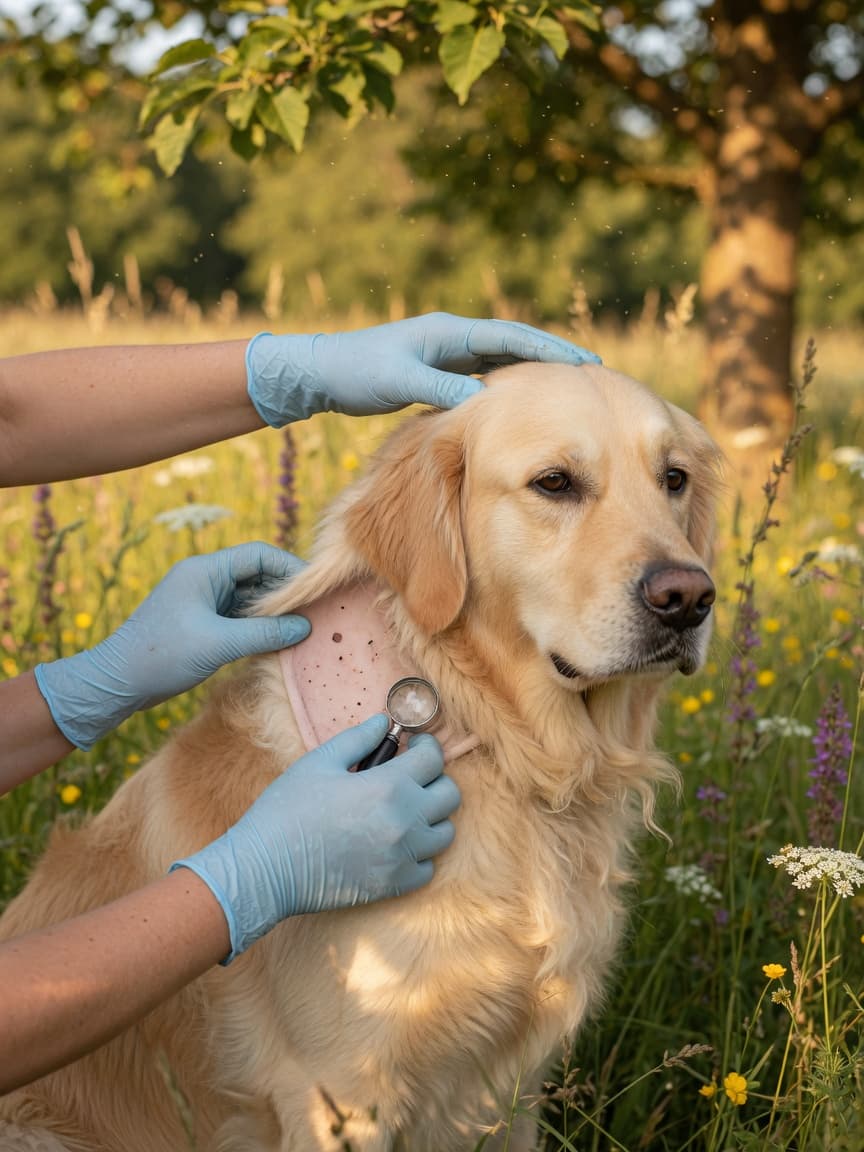
Regardless of which prevention method you choose, tick checks after every walk in grass, woodland, or scrubland are essential. Run your fingers through the coat, paying special attention to ears, between the toes, around the collar, in the groin area, and under the tail. Use a tick removal tool (not fingers) to remove any ticks you find. Twist and pull steadily — do not squeeze the body.
Treating the Environment
If your garden backs onto woodland or your dog frequently encounters ticks outdoors, consider treating garden borders with permethrin-based yard sprays or creating a gravel or wood-chip barrier between lawn and wild areas. Keeping grass short reduces tick habitat significantly.
Browse tick prevention products for dogs on Zooplus — spot-ons, collars, and moreWhich Option Is Right for Your Dog?
The right choice depends on your dog's lifestyle, your geographic location, and your personal preferences. Dogs in high-risk tick areas benefit most from pharmaceutical options — particularly oral preventatives or long-acting collars. If you prefer a more natural approach, combining daily tick checks with diluted essential oil sprays and diatomaceous earth in the home can reduce exposure, but discuss this plan with your vet. In moderate-risk areas, this combination may be acceptable. In high-risk areas, it is not sufficient on its own.
Key Takeaways
- Ticks transmit serious diseases including Lyme disease — black-legged ticks are the primary carrier.
- Pharmaceutical options (spot-ons, collars, oral treatments) are the most effective and evidence-backed.
- Natural options like essential oils and diatomaceous earth reduce risk but are not reliable as sole prevention in high-risk areas.
- Daily tick checks after outdoor activity are essential regardless of prevention method.
- Ticks need 24–48 hours of attachment to transmit most diseases, so prompt removal matters.
References
- Dantas-Torres F, Chomel BB, Otranto D. "Ticks and tick-borne diseases: a One Health perspective." Trends Parasitol. 2012;28(10):437-446. PMID: 22902521
- Jongejan F, Fourie JJ, Chester ST, et al. "The efficacy of fluralaner (Bravecto) administered as a single oral dose against two common tick species infesting cats." Parasit Vectors. 2016;9:284. PMID: 27209001
Written by Julia Wrenfield, Pet Wellness Researcher. This article is for informational purposes only and does not substitute professional veterinary advice.