

Understanding the Bichon Frise's Unique Health Profile
The Bichon Frise is frequently recommended for allergy-prone households, thanks to its low-shedding coat. There is some irony here, because the Bichon itself is one of the breeds most likely to suffer from allergies. Add to that a documented predisposition to bladder stones and immune-mediated conditions, and it becomes clear that this cheerful, adaptable breed requires informed, proactive ownership to stay healthy throughout its 12-to-15-year lifespan.
Allergies: Skin, Food, and Environment
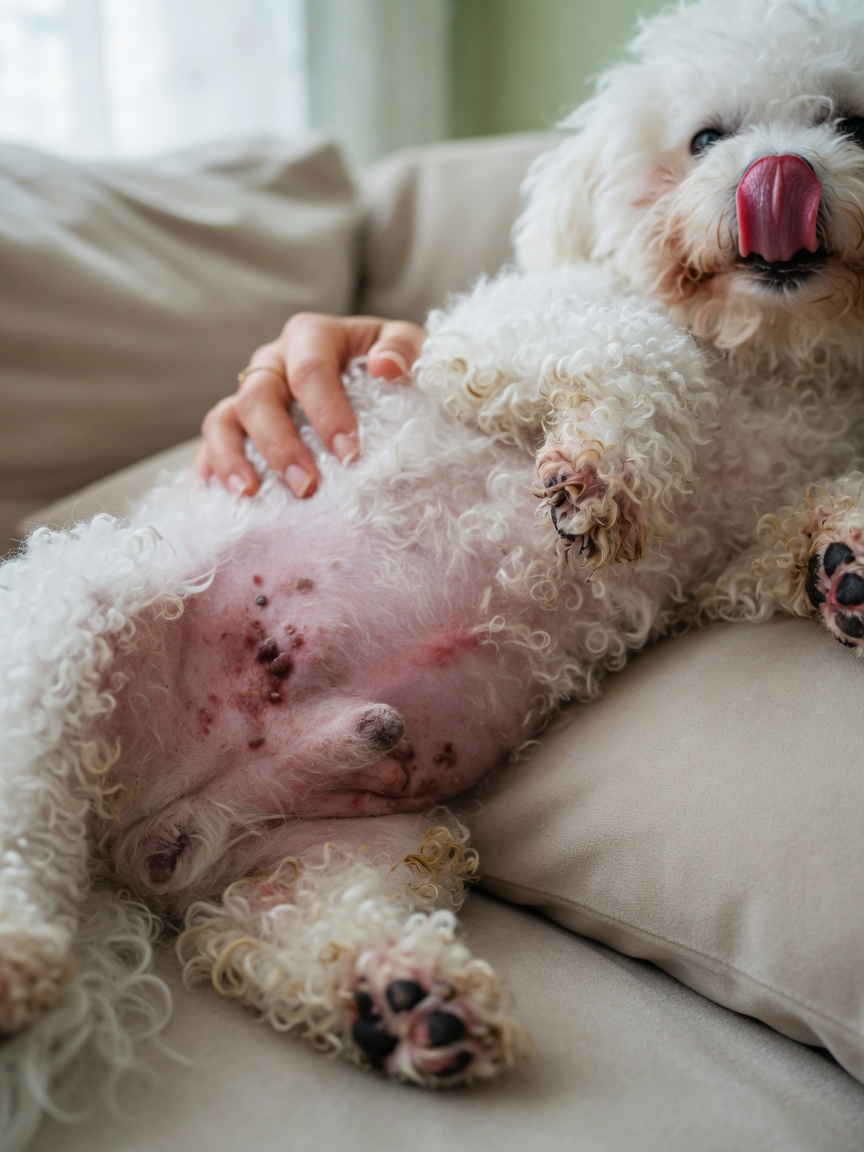
Allergic skin disease — atopic dermatitis — is among the most commonly reported health concerns in Bichon Frises. The condition involves an overactive immune response to environmental or dietary triggers, resulting in chronic inflammation of the skin.
Environmental Allergies
Grass pollens, dust mites, mould spores, and storage mites are frequent culprits. Unlike humans, who tend to respond to allergens with respiratory symptoms, dogs express allergic reactions primarily through the skin. Classic signs include relentless itching (particularly of the paws, belly, groin, and ears), recurrent ear infections, and skin that becomes thickened, discoloured, or malodorous over time due to secondary bacterial or yeast infection.
Food Allergies and Sensitivities
True food allergy in dogs is less common than environmental allergy, but the Bichon does appear at elevated risk. Proteins — most frequently chicken, beef, dairy, and wheat — are the most common dietary triggers. A strict elimination diet trial, conducted under veterinary supervision for a minimum of eight weeks using a hydrolysed or novel protein diet, is the only reliable diagnostic method. Skin or blood allergy tests for food are not considered diagnostically accurate.
Management Options
Long-term allergy management in the Bichon may involve a combination of strategies: regular bathing with gentle, soap-free shampoos to reduce surface allergen load, omega-3 fatty acid supplementation to support skin barrier function, prescription medications such as oclacitinib or lokivetmab for itch control, and allergen-specific immunotherapy (desensitisation) based on intradermal testing results. Your vet or a veterinary dermatologist can build a tailored plan once the type and triggers of your dog's allergy are established.
Bladder Stones: A Common but Preventable Problem
Bichon Frises develop urinary stones — uroliths — at a notably higher rate than many breeds. The most common types found in this breed are struvite stones and calcium oxalate stones, each with different causes, presentations, and management strategies.
Struvite Stones
Struvite stones are closely associated with urinary tract infections. Bacteria alter the pH of the urine in ways that promote mineral precipitation. Female Bichons are at higher risk due to their anatomy predisposing them to ascending infections. Signs include straining to urinate, blood in the urine, and frequent small urinations. Struvite stones in dogs can often be dissolved using a prescription urinary diet combined with antibiotic therapy, avoiding the need for surgery in many cases.
Calcium Oxalate Stones
These are denser, cannot be dissolved medically, and require surgical removal or minimally invasive procedures such as laser lithotripsy. A urinary diet formulated to reduce calcium and oxalate excretion, alongside increased water intake, helps prevent recurrence. Dogs that have formed calcium oxalate stones once are at significant risk of recurrence and benefit from urine monitoring every three to six months.
Increasing Water Intake
Dilute urine is one of the most reliable ways to reduce stone risk in any breed. Feeding wet food, adding water to kibble, and using pet water fountains all encourage increased drinking. Fresh water should always be freely available.
Immune-Mediated Conditions
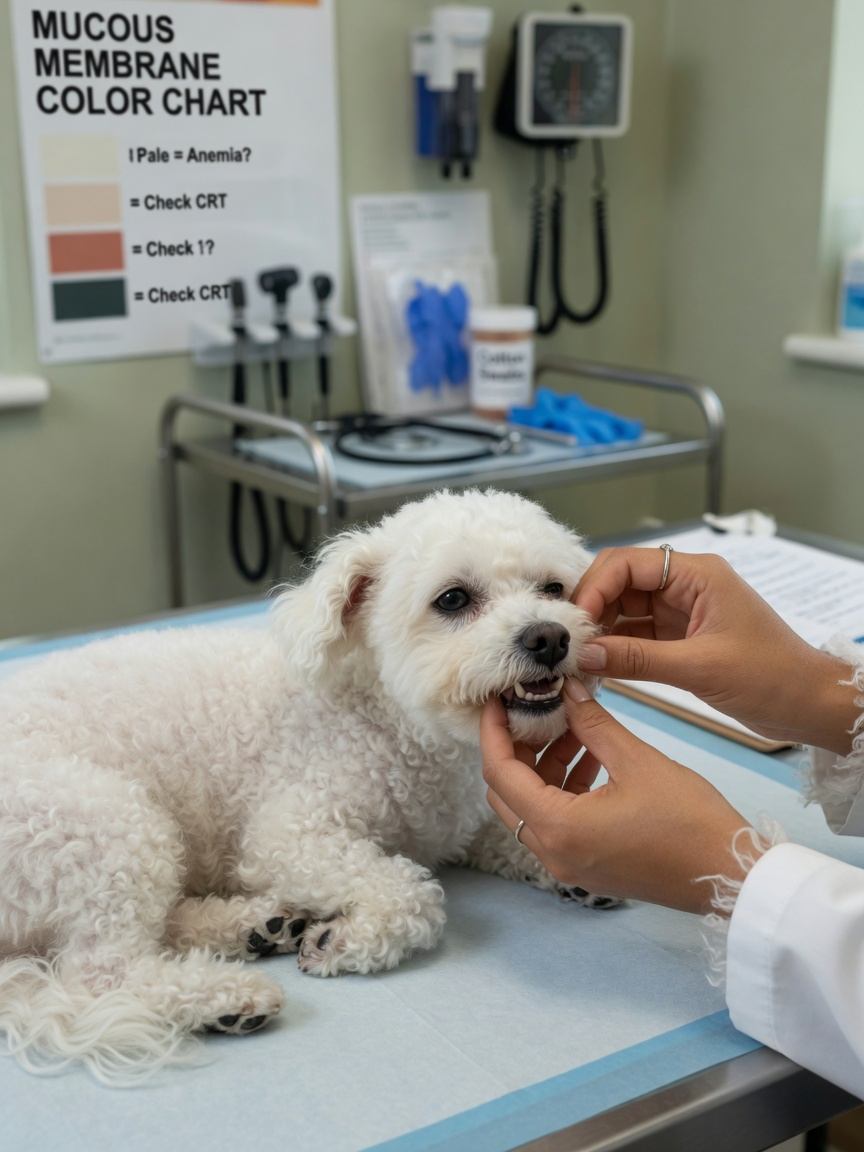
The Bichon Frise has an immune system inclined toward overreaction — a characteristic that underlies both its allergy susceptibility and a broader tendency toward immune-mediated disease.
Immune-Mediated Haemolytic Anaemia
Immune-mediated haemolytic anaemia (IMHA) occurs when the immune system mistakenly destroys the dog's own red blood cells, causing rapid-onset anaemia. Signs include sudden lethargy, pale or yellowish gums, rapid breathing, and collapse. IMHA is a medical emergency with a significant mortality rate if not treated promptly. Treatment involves immunosuppressive drugs to halt the immune attack, alongside supportive care. Some dogs require blood transfusions. Recovery is possible but demands intensive management and monitoring.
Immune-Mediated Thrombocytopaenia
A related condition, immune-mediated thrombocytopaenia (IMT), involves immune destruction of platelets — the cells responsible for blood clotting. Affected dogs may develop spontaneous bruising, small pinpoint haemorrhages on the skin or gums (petechiae), nosebleeds, or blood in the urine or faeces. Like IMHA, this requires prompt veterinary attention and immunosuppressive therapy. The two conditions can occur simultaneously in what is called Evans syndrome.
Eye and Joint Health
Cataracts are documented in the Bichon Frise, with hereditary juvenile cataracts appearing in some lines. Annual ophthalmoscopic examination is sensible practice. Patellar luxation occurs in this breed at a rate comparable to other small toys and should be assessed during routine check-ups. Mild cases are managed conservatively; surgical correction is reserved for higher-grade presentations.
Practical Steps for Bichon Owners
- If your Bichon scratches repeatedly at ears, paws, or belly, arrange a veterinary skin assessment early — allergy management is far more straightforward before secondary infections become established.
- Feed a high-quality diet appropriate to your dog's health status; discuss urinary diet options with your vet if your dog has experienced bladder stones.
- Encourage water intake consistently by offering wet food, adding water to dry meals, and keeping water bowls scrupulously clean.
- Know the signs of anaemia and platelet disorders — pale gums, sudden lethargy, unexplained bruising, or nosebleeds in a Bichon warrant same-day veterinary attention.
- Schedule annual wellness checks that include urinalysis, and consider eye examination by a veterinary ophthalmologist every one to two years.
- Always consult your vet before starting any supplement or elimination diet; well-intentioned changes can complicate accurate diagnosis.
The Bichon Frise is a resilient, joyful companion when its specific vulnerabilities are understood and addressed. Proactive veterinary care, particularly around skin health and urinary monitoring, keeps the vast majority of Bichons comfortable and active well into old age.