
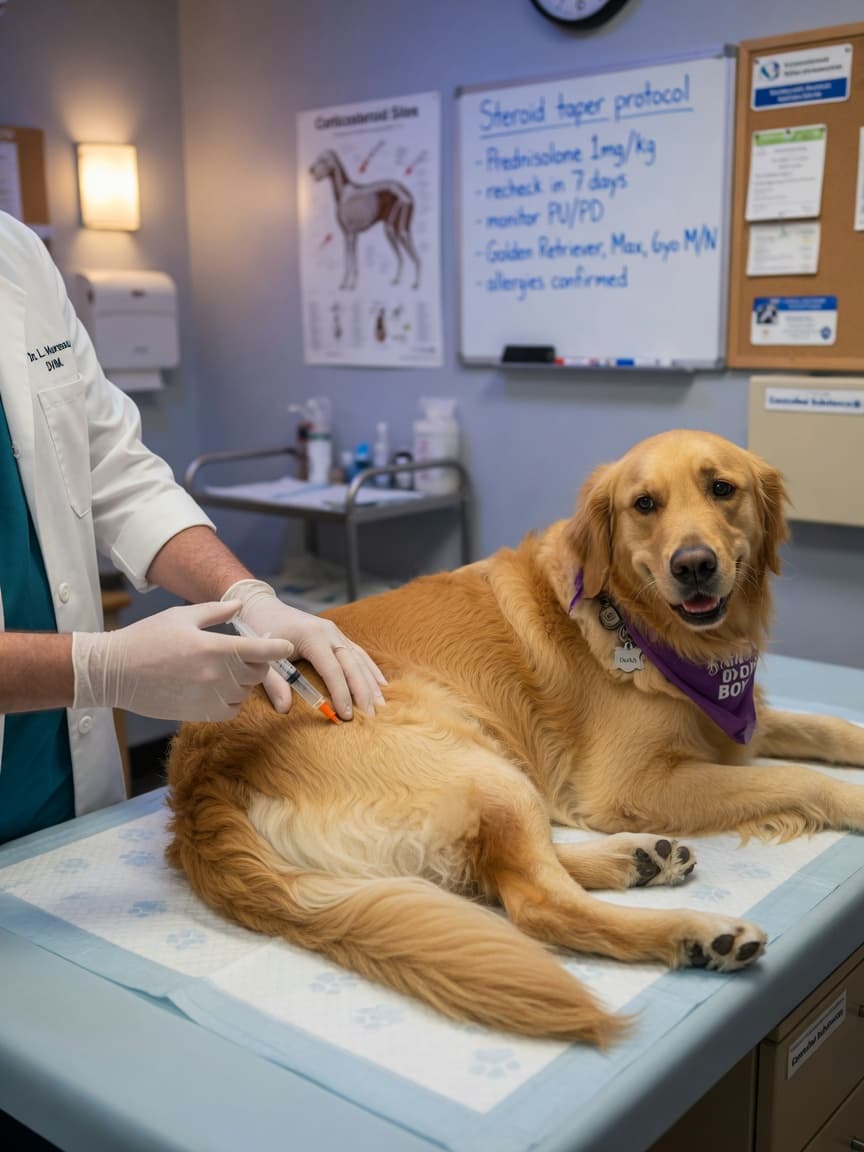
Understanding Corticosteroids in Veterinary Medicine
Corticosteroids — commonly referred to simply as steroids — are synthetic versions of hormones naturally produced by the adrenal glands. In veterinary medicine, they are among the most powerful and most commonly used drugs available. They are prescribed for everything from allergic skin disease and asthma to immune-mediated haemolytic anaemia and inflammatory bowel disease. When used appropriately, they can be genuinely life-saving. When overused or used without adequate monitoring, they carry significant risks that every pet owner should understand.
The most commonly used corticosteroids in dogs and cats include prednisolone, dexamethasone, and methylprednisolone. Hydrocortisone is also used, particularly in topical preparations. They work by suppressing the immune system and reducing inflammation through multiple pathways simultaneously — which is both their greatest strength and the source of their most serious side effects.
When Short-Term Steroid Use Is Appropriate
There are situations where a short course of corticosteroids is not just appropriate but necessary. Acute allergic reactions, severe asthma attacks in cats, anaphylaxis, and certain types of spinal cord inflammation are conditions where the rapid and powerful anti-inflammatory effect of steroids can prevent lasting damage or save a life. In these contexts, the benefits of treatment clearly and significantly outweigh the risks of a short course.
Short-term steroid courses — typically a week to two weeks at an appropriate dose — are also used to manage flare-ups of chronic conditions such as atopic dermatitis in dogs. Used this way, with adequate spacing between courses, they can be part of a sensible management strategy. The key word is short. The risk profile of steroids changes substantially when use extends beyond a few weeks or when doses remain high over time.
The Side Effects of Long-Term Steroid Use

The body's response to ongoing steroid exposure affects virtually every organ system. Understanding these effects helps owners recognise early warning signs and have informed conversations with their vets about when steroid therapy needs to be reconsidered.
The most immediately noticeable side effects, even with short courses, include increased thirst, increased urination, and increased appetite. These are direct effects of the drug on metabolic and hormonal pathways, and they normalise when the medication is stopped. With longer-term use, however, more significant changes occur:
- Muscle wasting and weakness, as steroids promote the breakdown of protein in muscle tissue
- Redistribution of body fat, leading to a pot-bellied appearance
- Thinning of the skin and coat, and poor wound healing
- Increased susceptibility to infection, because immune function is suppressed
- Development of diabetes mellitus, particularly in cats, as steroids interfere with insulin sensitivity
- Iatrogenic Cushing's syndrome, which mirrors the naturally occurring disease and includes many of the above symptoms along with a characteristic rounded abdomen and skin changes
Gastrointestinal and Bone Health Concerns
Steroids also have a significant effect on the gastrointestinal tract. They reduce the protective mucous lining of the stomach and intestines, increasing the risk of ulceration. This risk is substantially higher when steroids are combined with NSAIDs — a combination that should be avoided unless there is a very specific clinical reason and the risks are actively managed.
In dogs on long-term steroid therapy, bone health is another concern. Corticosteroids reduce calcium absorption from the gut, increase calcium loss through the kidneys, and interfere with bone formation. Over time, this can contribute to reduced bone density. This is particularly relevant in younger animals still developing their skeletal structure, and in older dogs already at risk of osteoporosis.
Cats and Steroids: A Different Picture
Cats handle corticosteroids somewhat differently to dogs. They are generally considered more resistant to certain steroid side effects — they are less likely to develop gastrointestinal ulceration, for instance. However, they are significantly more susceptible to steroid-induced diabetes mellitus. Even relatively short courses of steroids can tip a genetically predisposed cat into diabetes, and for those already borderline, steroid use can precipitate a diabetic crisis.
Cats receiving long-term steroid therapy should be monitored for early signs of diabetes: increased thirst and urination, weight loss despite a good appetite, and changes in coat quality. Blood glucose monitoring at routine check-ups is advisable.
Tapering and the Importance of Not Stopping Abruptly
One of the most important things to understand about steroids is that they suppress the body's own production of cortisol — the natural steroid hormone produced by the adrenal glands. When an animal receives exogenous steroids over a sustained period, the adrenal glands reduce their own output. If the medication is stopped suddenly, the body may be left without adequate cortisol levels, a potentially dangerous situation known as adrenal insufficiency.
For this reason, steroid courses lasting more than a few weeks should always be tapered — gradually reduced in dose over a period of days or weeks — rather than stopped abruptly. Your vet will provide a specific tapering schedule. Never stop steroid medication early or adjust the dose without veterinary guidance.
Newer Alternatives and Combination Strategies
For conditions where steroids have traditionally been the default treatment, newer targeted therapies are offering alternatives with better side effect profiles. In dogs with allergic skin disease, for example, medications like oclacitinib and lokivetmab target specific parts of the inflammatory pathway without the broad immunosuppressive effects of steroids. These options may allow steroid use to be reduced or avoided entirely in some patients.
When steroids are necessary, using the lowest effective dose for the shortest necessary period, combined with regular monitoring and follow-up, is the approach most likely to deliver the benefits of treatment while minimising long-term harm. Open communication with your vet about your concerns and your pet's response to treatment will always lead to the best outcomes.