
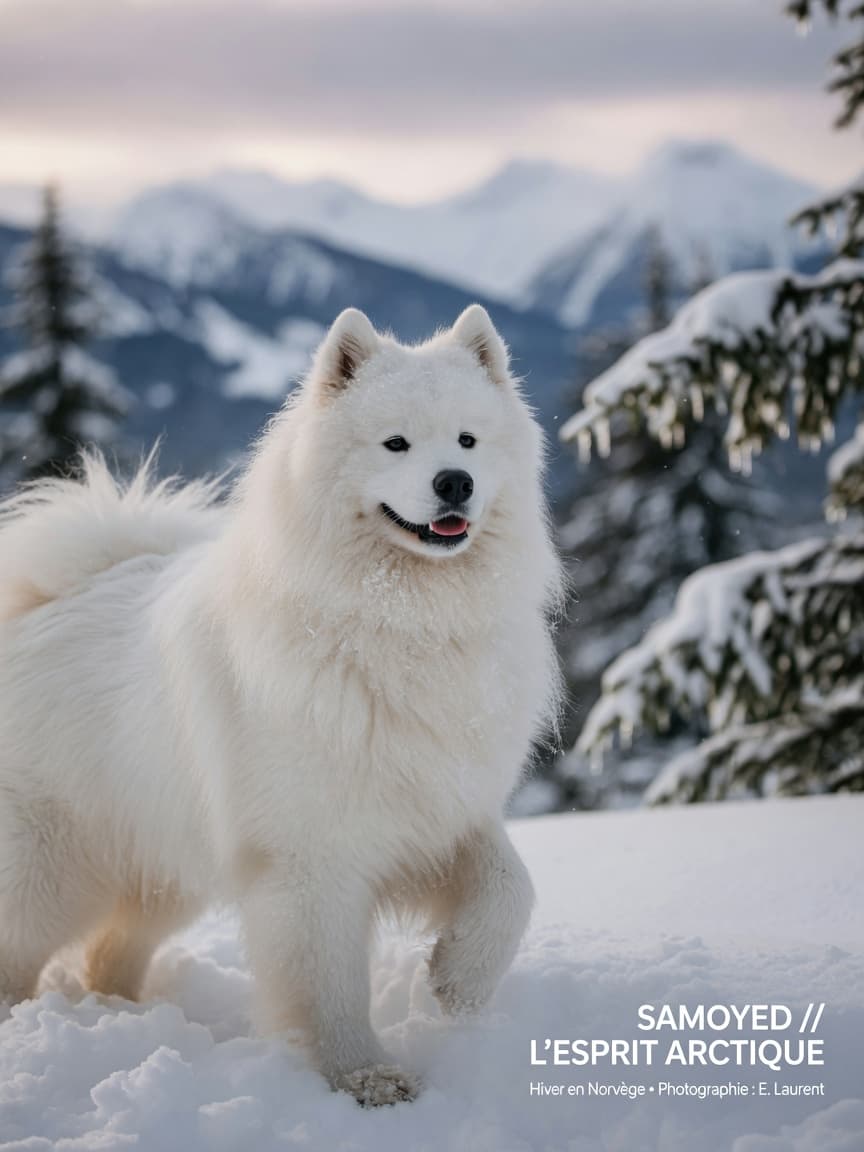
The Samoyed is a striking white, cold-tolerant spitz breed best suited to active families or individuals who can commit to daily exercise and regular grooming. Bred originally to herd reindeer and pull sledges, this is a sociable, people-oriented dog that dislikes being left alone for long periods. One key health headline for prospective owners: Samoyeds carry a documented predisposition to a hereditary kidney condition (Samoyed hereditary glomerulopathy) alongside more common breed issues such as hip dysplasia and eye disease, so working with a health-tested breeder matters greatly.
Breed Overview
- Size: Medium, typically 48–60cm at the shoulder; males generally larger and heavier-coated than females
- Lifespan: Commonly reported to be around 12–14 years
- Coat: Dense double coat with a soft, thick undercoat and longer, harsh-textured outer guard hairs; almost always white, cream, or white-and-biscuit
- Origin: Developed by the Samoyede people of northern Siberia to herd reindeer, pull sledges, and guard camps, with the breed later used in early polar expeditions
Temperament & Family Fit

Samoyeds are famously friendly, earning the nickname "Sammy smile" for their upturned mouth corners that give a permanently happy expression. They are affectionate, gentle with children when properly socialised, and generally sociable with other dogs. However, their pack-oriented history means they form strong attachments to their human family and can develop separation-related distress if left alone frequently.
This is a vocal breed — Samoyeds are known for a distinctive, loud bark and a habit some owners describe as "singing" or howling, which can be a consideration for those in flats or terraced housing. They are intelligent but can be independent-minded, a trait inherited from their working background where they sometimes needed to problem-solve without direct human instruction. Early, consistent, reward-based training works well and helps channel their energy productively.
Samoyeds generally do best in homes with secure, well-fenced gardens, as their strong prey drive and herding instincts can lead to chasing or wandering if given the opportunity. They are not typically recommended for households that are empty for long stretches of the working day without arrangements for company or exercise.
Health Issues in Samoyeds
Like all pedigree breeds, Samoyeds have a set of health conditions that appear more frequently within the breed than in the general dog population. Responsible breeding, health screening of parent dogs, and attentive ongoing care can help manage or reduce risk for many of these.
Hip Dysplasia
Hip dysplasia is a developmental condition where the hip joint doesn't form or fit together correctly, leading to instability, wear, and eventually osteoarthritis. It is commonly reported in medium and large working breeds, including Samoyeds. Early signs can include a "bunny hopping" gait, reluctance to jump into cars, stiffness after rest, or lameness that may appear intermittently. Screening breeding stock via hip scoring schemes before mating is the main preventative tool. Owners can support joint health by maintaining a lean body condition throughout life, avoiding excessive jumping or high-impact exercise in puppies during growth, and asking a vet about joint-supportive strategies as the dog ages. For dogs that go on to develop osteoarthritis later in life, our guide to arthritis in dogs management covers practical approaches to comfort and mobility.
Samoyed Hereditary Glomerulopathy
This is a hereditary kidney disease specific to the breed, affecting the tiny filtering units within the kidney (the glomeruli). It is an X-linked condition, meaning it tends to affect males more severely and at a younger age, while carrier females may show milder or later-onset signs. Early indicators can include excessive thirst and urination, protein loss detectable via urine testing, and general lethargy, with the disease progressing towards kidney failure over time in affected males. There is currently no cure, so the emphasis is firmly on genetic testing of breeding stock to avoid producing affected puppies. Prospective owners should ask breeders whether parent dogs have been tested or whether the pedigree is known to be clear, and should discuss baseline kidney function testing with their vet, particularly for male puppies from lines where the condition has been documented.
Progressive Retinal Atrophy and Other Eye Conditions
Samoyeds are among the breeds in which progressive retinal atrophy (PRA), a group of inherited conditions causing gradual degeneration of the retina, has been documented. Affected dogs typically lose night vision first, becoming reluctant to move around in dim light, before daytime vision is affected over months to years. Cataracts and other inherited eye conditions have also been reported in the breed. There is no treatment to reverse PRA, so annual eye examinations by a veterinary ophthalmologist and DNA testing of breeding dogs (where a test exists for the specific gene variant involved) are the main tools for management and prevention. Owners of affected dogs can help by keeping the home environment consistent and avoiding rearranging furniture, which helps visually impaired dogs navigate confidently.
Diabetes Mellitus
Samoyeds are frequently mentioned among breeds with a higher reported likelihood of developing diabetes mellitus compared with the general dog population. This is a condition where the body cannot properly regulate blood glucose, usually due to insufficient insulin production. Classic early signs include increased thirst, increased urination, weight loss despite a normal or increased appetite, and lethargy. Diagnosis is via blood and urine glucose testing. Management typically involves lifelong insulin therapy alongside consistent feeding routines and weight control, and most diabetic dogs can maintain a good quality of life with careful home monitoring and regular veterinary review. Maintaining a healthy body weight and avoiding sudden dietary changes may help reduce metabolic strain, though diabetes can still occur despite good management.
Hypothyroidism
An underactive thyroid gland is commonly reported in Samoyeds, usually resulting from an autoimmune process that gradually damages the thyroid tissue. Signs tend to develop slowly and can include weight gain without increased appetite, lethargy, a dull or thinning coat, skin infections, and cold intolerance — which can be particularly noticeable in a breed already suited to cooler climates. Diagnosis is via blood testing of thyroid hormone levels. The condition is very manageable with daily oral thyroid hormone replacement, and affected dogs generally have a normal life expectancy once stabilised on treatment with regular monitoring.
Skin and Coat Sensitivities
Given their dense double coat, Samoyeds can be prone to skin issues if grooming is neglected, including matting, hot spots, and secondary infections in trapped moisture or debris. Some individuals also experience environmental or food-related allergies, presenting as itching, redness, ear infections, or paw licking. If your Samoyed shows persistent scratching, recurrent ear problems, or skin irritation, it's worth discussing an elimination approach or allergy testing with your vet; our dog skin allergies guide explains common triggers and management options in more detail.
Heart Conditions
While not as strongly breed-defining as in some other breeds, cardiac conditions including dilated cardiomyopathy (DCM) and other heart abnormalities have been reported in Samoyeds. Early signs can be subtle and include reduced exercise tolerance, coughing, laboured breathing, or fainting episodes. Routine veterinary check-ups, which typically include listening for heart murmurs or irregular rhythms, help with early detection. Dogs showing any of these signs should be assessed promptly, as cardiac disease can progress silently before becoming symptomatic.
Nutrition & Feeding
Samoyeds do well on a complete, balanced diet appropriate to their life stage, with portion control being especially important given their tendency toward weight gain, particularly if hypothyroidism or reduced activity is a factor later in life. Puppies grow at a significant rate and benefit from a diet formulated for large or medium breed growth to support steady, controlled skeletal development rather than rapid weight gain; our puppy growth stages guide explains why growth rate matters for joint health.
Because skin and coat condition can be an early indicator of underlying health issues in this breed, some owners explore diets formulated to support skin barrier function or reduce dietary triggers, particularly if allergies are suspected; our hypoallergenic dog food guide outlines what these diets do and don't achieve. As Samoyeds enter their senior years, adjusting calorie intake and considering joint-supportive nutrients becomes more relevant — see our guide to best dog food for senior dogs for practical pointers. Some owners also ask about gut health support; current evidence on probiotics for dogs is worth reviewing before adding supplements, as benefits vary by individual and product.
Fresh water should always be available, and treats should be factored into daily calorie totals to avoid gradual weight creep, which places extra strain on joints already predisposed to dysplasia and arthritis.
Grooming & Care
The Samoyed's coat is arguably the breed's most demanding care requirement. Brushing two to three times per week is generally recommended to prevent matting, with daily attention needed during seasonal "coat blow" periods when the undercoat sheds heavily. A slicker brush and undercoat rake are typically useful tools. Bathing should be occasional rather than frequent, as over-washing can strip natural oils, but the coat should be thoroughly dried afterwards to avoid dampness sitting against the skin.
Nails should be trimmed regularly, ears checked weekly for wax buildup or odour (particularly relevant given the breed's tendency towards ear issues associated with allergies), and teeth brushed routinely to support dental health. Despite the thick coat, Samoyeds don't tend to have a strong "doggy" odour when well maintained, and the coat naturally sheds dirt reasonably well once dry.
Exercise & Training Needs
Bred as working sledge and herding dogs, Samoyeds have considerable stamina and generally need at least an hour of exercise daily, ideally split across walks and active play, along with mental stimulation to prevent boredom-related behaviours such as digging or excessive barking. They tend to enjoy activities like hiking, agility, and structured pulling sports, which suit their working heritage.
Training should start early and rely on positive reinforcement; Samoyeds can be sensitive to harsh handling and may become stubborn or shut down if training feels unpleasant. Socialisation with a range of people, animals, and environments during puppyhood helps support the confident, friendly temperament the breed is known for. Recall training deserves particular attention given their independent streak and instinct to roam or chase, so most owners find a securely fenced area invaluable for off-lead exercise.
FAQs
Do Samoyeds shed a lot?
Yes. Samoyeds have a dense double coat and shed consistently throughout the year, with heavier seasonal shedding typically occurring once or twice annually. Regular brushing helps manage loose hair and prevents matting.
Are Samoyeds good with children?
Generally, yes — Samoyeds are known for being affectionate and patient with children when properly socialised from puppyhood. As with any breed, interactions between young children and dogs should always be supervised.
How much exercise does a Samoyed need?
Most adult Samoyeds need at least an hour of physical activity daily, combined with mental enrichment. Working-line or younger dogs may require more, while structured exercise should be moderated in growing puppies to protect developing joints.
Is the Samoyed a healthy breed overall?
Samoyeds are generally considered a robust breed, but they do carry documented predispositions to conditions such as hip dysplasia, hereditary kidney disease, certain inherited eye conditions, diabetes, and hypothyroidism. Choosing a breeder who health-screens parent dogs and maintaining regular veterinary check-ups throughout life are the best ways to support long-term health.
This guide is intended for general informational purposes only and does not replace individual veterinary advice. Always consult a qualified veterinarian regarding the specific health needs, diagnosis, or treatment of your dog.