
Persian Cat Health Problems: Eyes, Breathing, and Kidney Disease
Persian cats are among the most recognisable breeds in the world, beloved for their luxurious coats, flat faces, and calm temperaments. But beneath that glamorous exterior lies a collection of serious health vulnerabilities that every Persian owner needs to understand. These are not rare worst-case scenarios — they are near-universal concerns tied directly to how the breed has been selectively developed over decades.
The Brachycephalic Problem
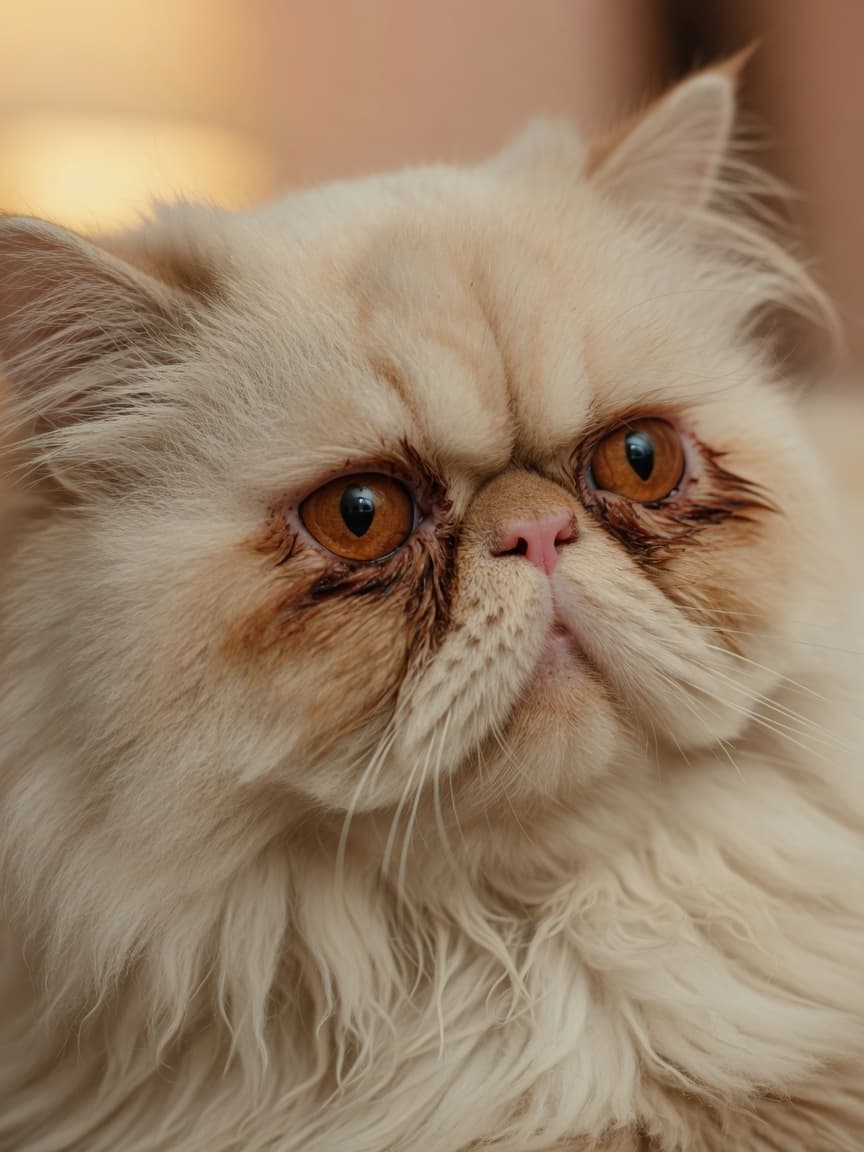
The defining feature of the Persian cat — that dramatically flat face — is the result of brachycephaly, a skull structure that compresses the nasal passages, soft palate, and surrounding anatomy into a much smaller space than nature intended. The formal term for the resulting breathing difficulties is Brachycephalic Obstructive Airway Syndrome, or BOAS.
Unlike dogs, cats are often stoic about breathing difficulties, meaning owners may not notice the problem until it becomes quite severe. Signs to watch for include noisy breathing, open-mouth panting after minimal exertion, snoring during sleep, and an inability to tolerate heat or exercise. In warm weather, Persians are at significantly elevated risk of heatstroke because they cannot cool themselves efficiently through panting.
Severely affected cats may require surgical intervention to widen the nostrils or shorten an elongated soft palate. Even without surgery, keeping a Persian in a cool, calm environment and monitoring for any respiratory distress is essential. If your cat ever breathes with its mouth open while at rest, treat it as an emergency and contact your vet immediately.
Eye Problems in Persians
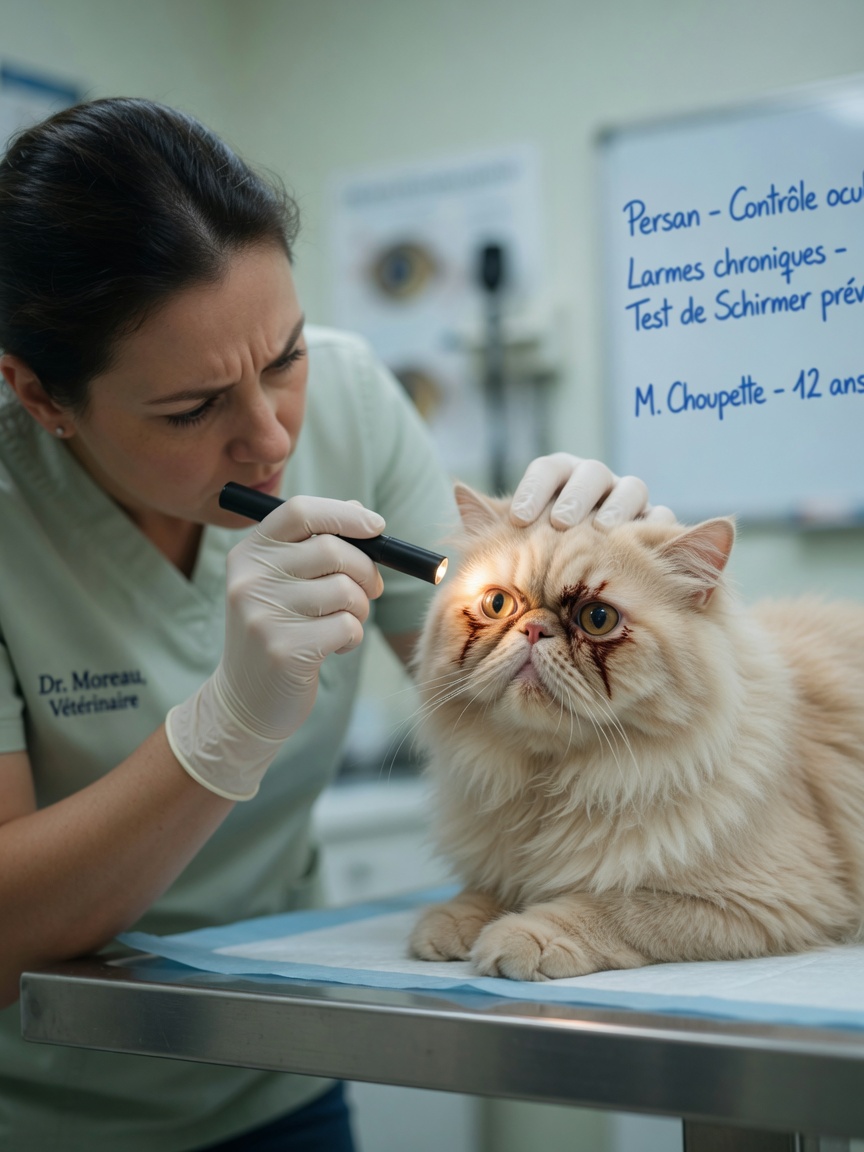
The same flattened skull that causes breathing issues also alters the position and shape of the eye sockets. Persian cats frequently experience a range of ocular conditions, many of which require lifelong management.
Epiphora and Tear Staining
The most common eye issue in Persians is epiphora — chronic tear overflow. Because the facial structure disrupts the normal tear drainage system, tears spill over onto the face rather than draining properly. This leads to the characteristic reddish-brown staining beneath the eyes, and more importantly, creates a persistently moist environment that can harbour bacterial and yeast infections. Daily cleaning with a vet-approved wipe or damp cloth is not optional with this breed; it is a basic requirement of ownership.
Entropion
Some Persians develop entropion, a condition where the eyelid rolls inward so that the lashes rub against the surface of the eye. This causes chronic irritation, pain, and can lead to corneal ulcers if left untreated. If you notice your Persian squinting, pawing at its eyes, or showing excessive discharge, arrange a vet appointment promptly. Surgical correction is often highly effective.
Corneal Sequestrum
Persians are also predisposed to corneal sequestrum, a condition where a dark, plaque-like deposit forms on the cornea. It is thought to result from chronic irritation of the corneal surface. Treatment typically involves surgical removal, and recurrence is possible.
Polycystic Kidney Disease
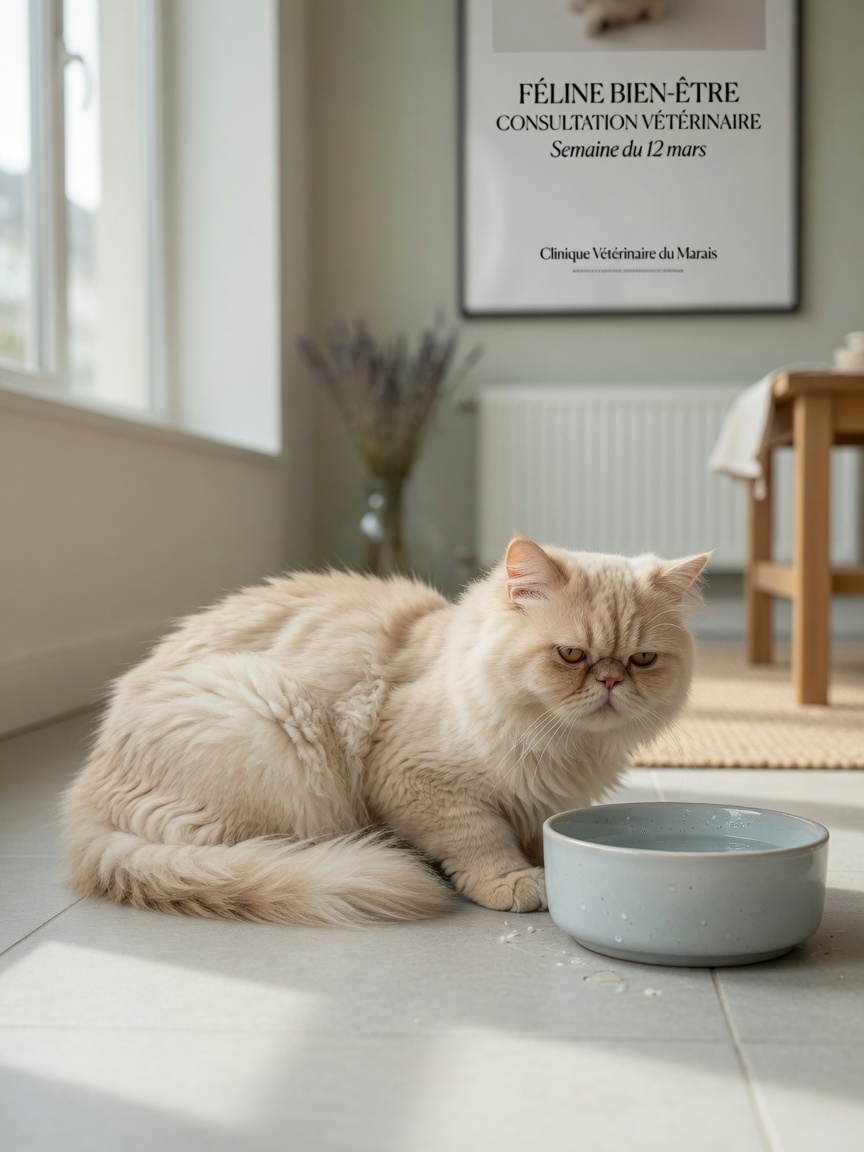
Polycystic kidney disease, known as PKD, is arguably the most serious inherited condition in Persian cats. It is an autosomal dominant genetic disorder, meaning a cat only needs to inherit one copy of the faulty gene to be affected. Historically, PKD has been shockingly prevalent in the Persian population — studies conducted before widespread testing became available found rates as high as 36 to 49 percent in some populations.
PKD causes fluid-filled cysts to form in the kidneys from birth. The cysts grow slowly over years, gradually displacing healthy kidney tissue. Most affected cats show no symptoms until middle age, typically between seven and ten years old, when kidney function has declined enough to cause clinical signs. These include increased thirst and urination, weight loss, reduced appetite, lethargy, and vomiting.
Testing and Breeding Responsibility
A genetic DNA test can identify the PKD mutation in cats of any age, including kittens. Responsible breeders should be able to provide written proof that both parents tested negative for the PKD1 mutation. If a breeder cannot supply this documentation, walk away. There is no treatment that reverses PKD, though supportive management — including kidney-supportive diets, hydration, and regular monitoring — can maintain quality of life once the disease progresses.
If you already own a Persian cat without knowing its PKD status, ask your vet about testing. Catching declining kidney function early through regular blood and urine panels gives you more time to intervene and slow progression.
Coat and Skin Care
While not a disease in itself, the Persian's coat creates real health risks when neglected. That dense, long fur mats easily and can conceal skin infections, parasites, and even wounds. Daily grooming is necessary to prevent matting, and many owners choose to have their Persians professionally clipped, particularly in summer.
Persians are also prone to seborrhoea, a skin condition causing flakiness and greasiness, and may develop skin fold dermatitis in the facial creases around the nose. These folds trap moisture and debris, creating ideal conditions for bacterial overgrowth. Cleaning these areas as part of a daily routine is essential.
Living Well with a Persian
Owning a Persian cat is a long-term commitment that goes well beyond aesthetics. Regular vet check-ups — ideally every six months once your cat reaches middle age — allow early detection of kidney disease, eye changes, and respiratory decline. A high-quality diet with good moisture content supports kidney health and coat condition. Wet food or raw feeding, which naturally increases fluid intake, is often recommended over dry-only diets in breeds with PKD risk.
Persians thrive in calm, indoor environments where temperature is controlled and they are not expected to exert themselves significantly. With attentive care, genetic screening, and an owner who understands the breed's unique needs, a Persian cat can live a comfortable and happy life well into its teens.