
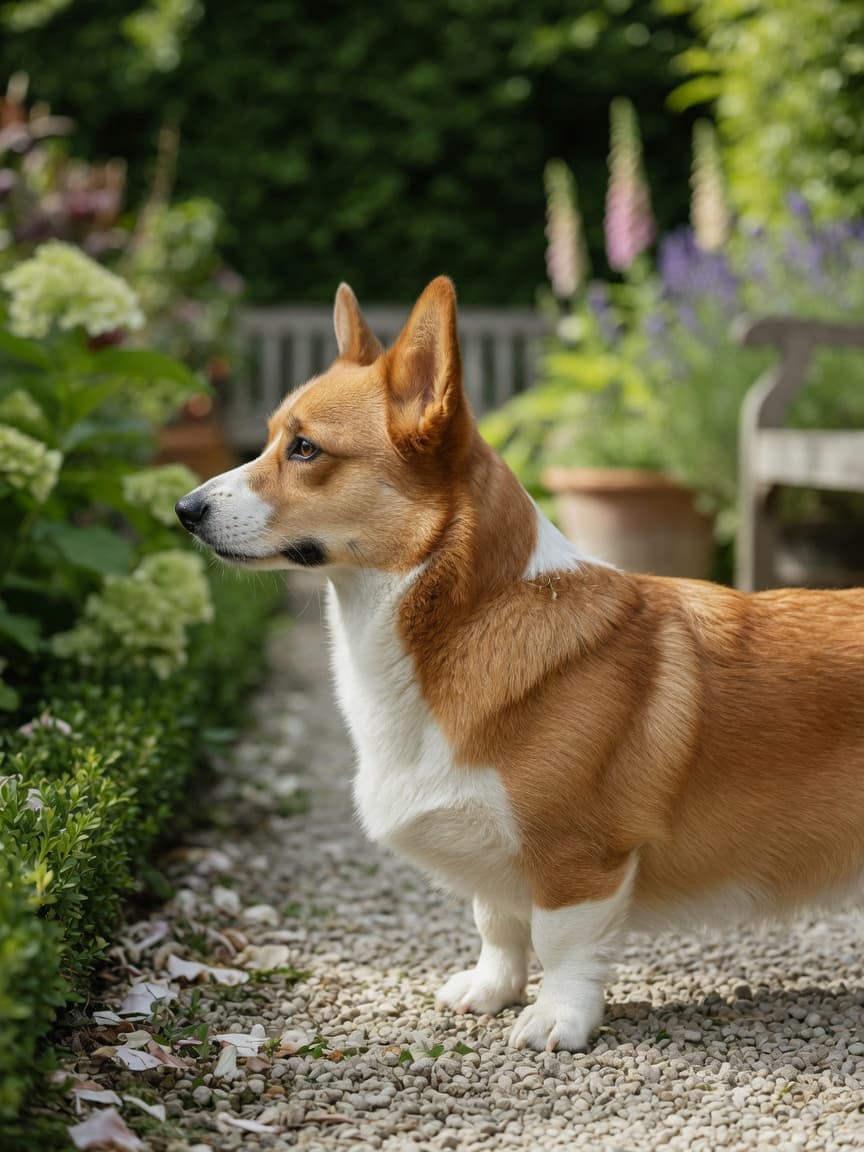
The Pembroke Welsh Corgi is a small, sturdy herding breed best suited to active families and individuals who want a big personality in a compact frame, prized for its intelligence and affectionate nature. Its most defining physical trait — a long back on short legs — is also the source of its most significant health concern, a heightened risk of intervertebral disc disease. With sensible weight management, appropriate exercise, and regular veterinary care, most Corgis lead long, happy, and active lives.
Breed Overview
- Size: Small to medium; typically 25–30cm at the shoulder, weighing around 10–14kg when in healthy body condition
- Lifespan: Commonly reported to live 12–13 years, with many individuals reaching their mid-teens
- Coat: Double coat, medium length, with a weatherproof outer layer and dense undercoat; sheds heavily, particularly during seasonal coat blow
- Origin: Wales, originally bred for driving cattle and general farm herding duties
Temperament & Family Fit

Pembroke Welsh Corgis are clever, alert, and deeply loyal, traits that made them effective working herders and that translate well into modern family life. They tend to bond closely with their households and often form a strong attachment to one particular person, though they're typically affectionate with everyone in the family. Their herding heritage means they are naturally watchful, quick to bark at unfamiliar sounds or visitors, and inclined to try to "herd" children or other pets by nipping at heels — a behaviour that benefits from early, consistent redirection.
This is a breed that thrives on mental engagement. Corgis are intelligent enough to become bored quickly, and boredom often shows up as excessive barking, chewing, or other attention-seeking behaviours. They generally do well with children when raised alongside them and socialised early, though their herding instinct means supervision is wise with very young kids. They can also live compatibly with other dogs and cats, particularly when introductions are handled thoughtfully from puppyhood.
Prospective owners should be aware that Corgis are not a low-maintenance breed in terms of engagement — they need consistent training, daily mental stimulation, and an owner willing to manage a vocal, opinionated dog. Their working-dog brain is a big part of their charm, but it does require an outlet.
Health Issues in Pembroke Welsh Corgis
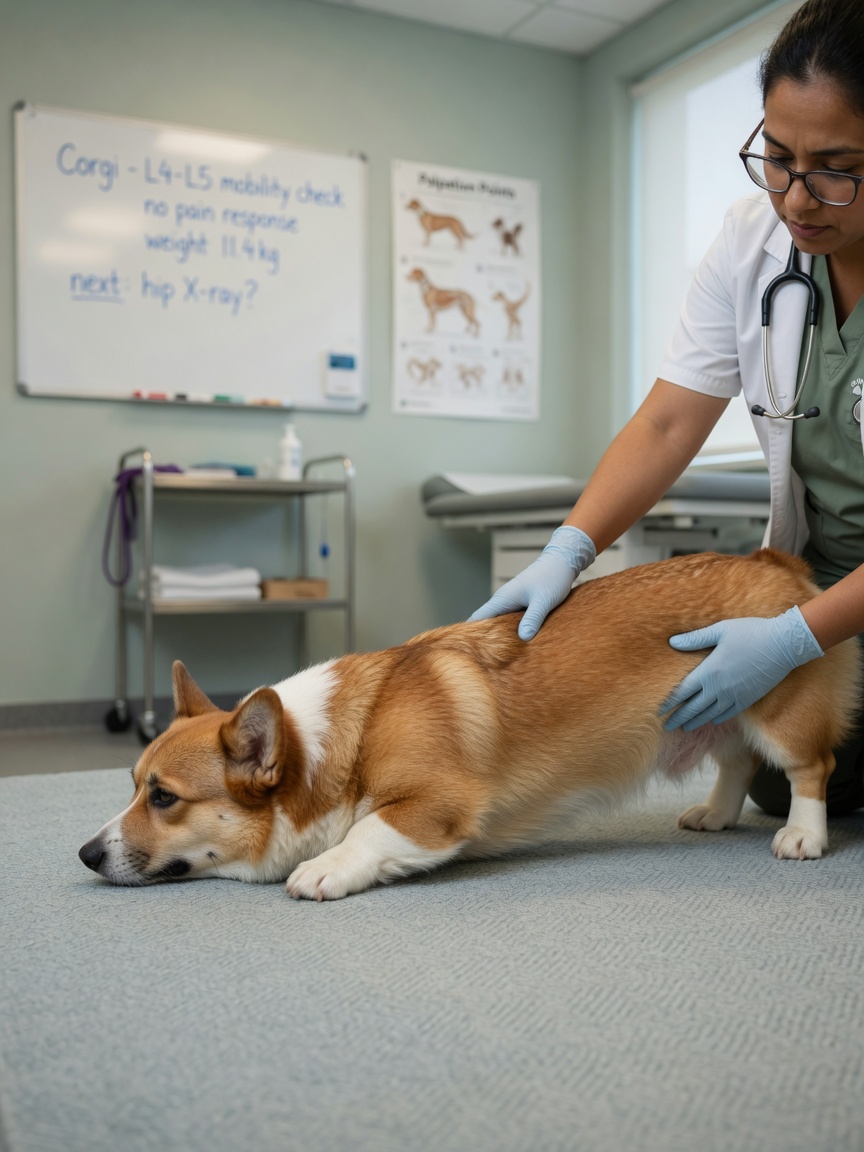
Like all pedigree breeds, Pembroke Welsh Corgis have a number of well-documented health predispositions linked to their body shape and genetics. Being aware of these allows owners to watch for early signs and work proactively with their vet.
Intervertebral Disc Disease (IVDD)
The Corgi's elongated back and short legs are the result of a form of dwarfism called chondrodystrophy, which affects the structure of the spinal discs and makes them prone to premature degeneration and herniation. This is arguably the single most important health consideration for the breed. Early signs can include reluctance to jump or climb stairs, a hunched posture, yelping when touched or picked up, reduced activity, or in more advanced cases, wobbliness or weakness in the hind legs. Sudden paralysis is a veterinary emergency. Owners can reduce risk by keeping their Corgi at a lean body weight, avoiding unrestricted jumping on and off furniture, using ramps or steps where possible, and supporting the dog properly when lifting it (never scooping under the belly alone). Any sudden change in gait or back pain warrants prompt veterinary assessment.
Hip Dysplasia
Despite their small size, Corgis are commonly reported to be affected by hip dysplasia, a developmental condition where the hip joint doesn't form correctly, leading to instability and, over time, degenerative joint changes. Signs can include a bunny-hopping gait, stiffness after rest, reluctance to exercise, or difficulty rising. Screening through schemes such as hip scoring before breeding can help reduce prevalence in future litters. For affected dogs, maintaining lean body condition, providing controlled exercise, and considering joint-support strategies can make a meaningful difference to comfort and mobility over time. Owners of older Corgis may find it helpful to read more about arthritis in dogs management, as hip dysplasia often progresses towards osteoarthritis with age.
Degenerative Myelopathy
This is a progressive neurological disease affecting the spinal cord, typically appearing in older dogs. It causes gradually worsening hind limb weakness and coordination problems that can be mistaken for arthritis in early stages, though it is not painful in itself. Signs often start subtly, such as dragging of the rear paws or scuffed toenails, progressing over months to more significant hind-end weakness. There's a genetic test available for a mutation associated with increased risk, which can be a useful tool for breeders, though not every dog carrying the mutation goes on to develop clinical disease. There's no cure, but physiotherapy and supportive care can help maintain quality of life for longer.
Obesity and Weight-Related Complications
Corgis have hearty appetites and a body shape that makes even modest weight gain look and feel proportionally significant. Excess weight compounds the risk of both IVDD and hip dysplasia by placing extra strain on the spine and joints, and is also linked to broader metabolic and cardiovascular strain. Early signs of creeping weight gain include a loss of visible waist, difficulty feeling the ribs under a light layer of fat, and reduced stamina on walks. Regular weigh-ins, portion control, and resisting the urge to overfeed a persuasive, food-motivated dog are key preventive steps.
Degenerative Valve Disease and Cardiac Concerns
While Corgis aren't as strongly associated with cardiac disease as some breeds, age-related degenerative valve changes and, less commonly, other cardiac conditions can occur. Owners should be alert to signs such as a new or worsening cough, reduced exercise tolerance, fainting episodes, or laboured breathing, and mention any of these promptly to their vet. Routine veterinary check-ups typically include heart auscultation, which helps catch early murmurs before symptoms develop.
Progressive Retinal Atrophy and Eye Conditions
Some Corgis are predisposed to inherited eye conditions, including progressive retinal atrophy, which causes gradual vision loss, often starting with reduced night vision. Owners may notice their dog becoming more hesitant in dim light or bumping into furniture in unfamiliar settings before full vision loss occurs. There's no treatment to reverse the condition, but affected dogs typically adapt well to gradual vision loss, especially in a stable home environment. Responsible breeders often screen for known heritable eye conditions before breeding.
Skin and Allergic Conditions
As with many breeds, some Corgis experience skin sensitivities or allergic dermatitis, which can show up as itching, licking of paws, recurrent ear infections, or red, inflamed skin. These can stem from environmental allergens, fleas, or food sensitivities, and identifying the underlying trigger usually takes some detective work with a vet. Owners noticing recurrent scratching or skin flare-ups may find it useful to read a dog skin allergies guide to understand the range of possible causes and management approaches.
Nutrition & Feeding
Given the breed's strong predisposition to weight gain and the added spinal risk that extra weight carries, nutrition is one of the most important aspects of Corgi care. Feeding measured portions rather than free-feeding, choosing a complete and balanced diet appropriate to life stage, and limiting treats to a small proportion of daily calories all help maintain a healthy body condition.
Puppies grow quickly and benefit from a diet formulated for their developmental stage, with attention paid to appropriate calcium and calorie levels to support steady, controlled growth rather than rapid weight gain, which can stress developing joints. Those wanting a deeper understanding of what to expect and watch for during this stage may find a puppy growth stages guide useful.
As Corgis enter their senior years, calorie needs typically decrease while joint-supportive nutrients become more valuable, and adjusting the diet accordingly can help manage weight and support mobility. Information on best dog food for senior dogs can help owners navigate this transition. For Corgis with suspected food sensitivities contributing to skin issues, a vet may recommend a limited-ingredient or novel-protein diet, and resources on hypoallergenic dog food can provide useful background, though any dietary change for suspected allergies should ideally be guided by a vet through a proper elimination trial. Some owners also explore probiotics for dogs to support digestive health, though it's worth discussing the current evidence with a vet before adding supplements.
Grooming & Care
The Pembroke Welsh Corgi's double coat requires regular brushing, ideally several times a week, to manage shedding and prevent matting, with more frequent attention needed during the heavier seasonal coat-blow periods in spring and autumn. Bathing can be done as needed rather than on a strict schedule, since over-bathing can strip the coat's natural oils.
Routine care should also include regular nail trimming, since overly long nails can alter gait and place additional strain on the joints and spine — a particular concern given this breed's back-related risks. Ears should be checked periodically for signs of redness, odour, or discharge, especially in dogs prone to allergies, and teeth benefit from regular brushing or dental-care routines to reduce the risk of periodontal disease.
Exercise & Training Needs
Despite their short legs, Corgis are energetic dogs bred for a working role, and they need a good balance of physical exercise and mental stimulation to stay content. Daily walks, supplemented with games, puzzle feeders, or training sessions, help satisfy their active minds. However, exercise should be moderate and controlled rather than high-impact — activities involving repeated jumping, twisting, or leaping from height are best minimised given the breed's spinal vulnerabilities.
Training tends to go well with Corgis thanks to their intelligence, though their independent streak (a legacy of their herding background, where dogs often had to make decisions without direct guidance) means consistency and positive reinforcement work better than harsh correction. Early socialisation helps manage their natural wariness of strangers and tendency to bark, while structured training channels their herding instincts constructively rather than letting them emerge as nipping or chasing behaviours around the home.
FAQs
Are Pembroke Welsh Corgis good with children?
Generally, yes, particularly when raised alongside kids and properly socialised. Their herding instinct can lead to nipping at heels or attempting to "herd" running children, so supervision and early training to discourage this behaviour are recommended, especially in homes with very young children.
How much exercise does a Corgi actually need?
Corgis typically need moderate daily exercise, such as one or two walks combined with mental enrichment like training games or puzzle toys. High-impact activity such as jumping from furniture or repeated stair use should be limited given the breed's back-related risks, but they still need consistent activity to avoid boredom and weight gain.
Why are Corgis prone to back problems?
Their long back and short legs result from a form of dwarfism affecting cartilage and bone growth, which also alters the structure of the spinal discs, making them more prone to premature degeneration and herniation. This underlies their well-known predisposition to intervertebral disc disease.
Do Corgis shed a lot?
Yes, Corgis have a dense double coat and are considered heavy shedders, with particularly noticeable shedding during seasonal coat changes in spring and autumn. Regular brushing several times a week helps manage loose hair and keeps the coat healthy.
This guide is intended for general informational purposes and does not replace personalised veterinary advice. Always consult a qualified veterinarian regarding any health concerns or before making significant changes to your dog's diet, exercise, or care routine.