
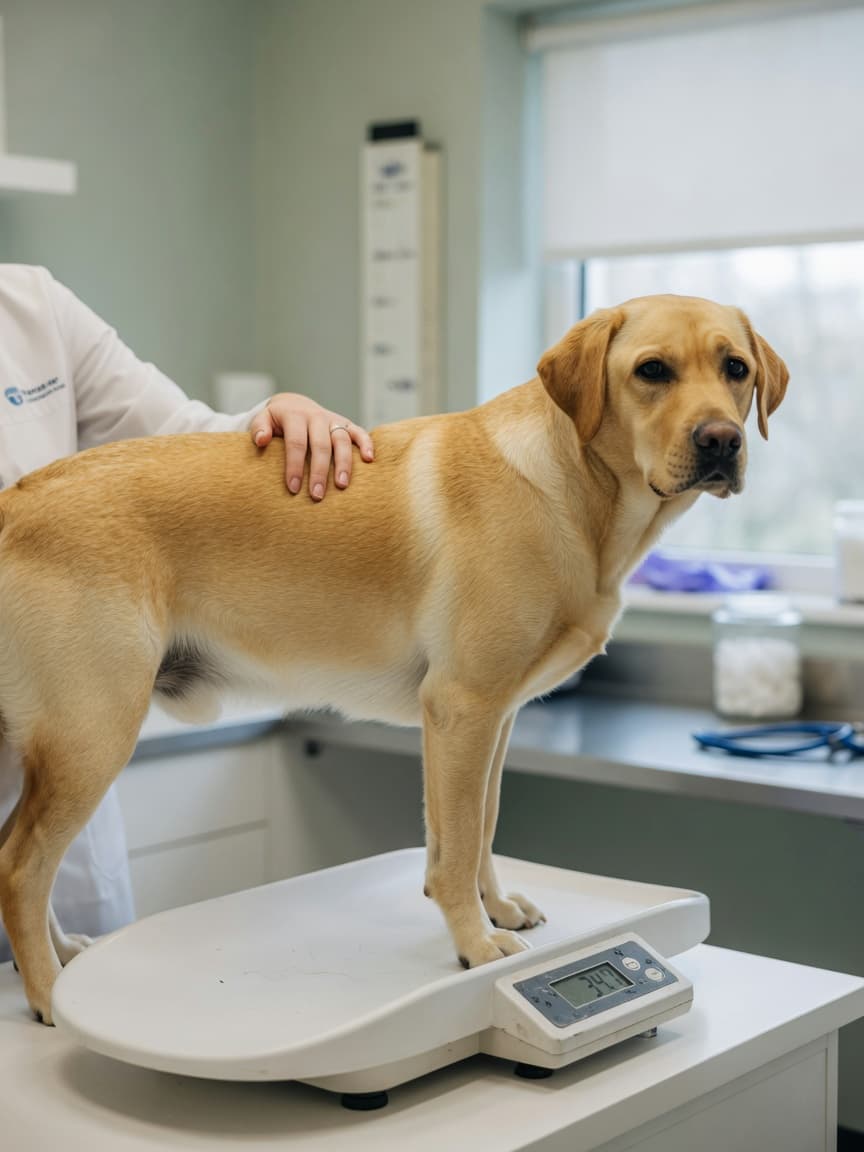
Why Labradors Are Prone to Weight Gain
The Labrador Retriever consistently ranks as one of the UK's most popular breeds, and for good reason — they are loyal, trainable, and endlessly affectionate. However, Labs carry a well-documented genetic predisposition to obesity. Research published in Cell Metabolism identified a mutation in the POMC gene found in a significant proportion of Labradors that impairs the feeling of fullness after eating. In plain terms, many Labs are biologically wired to overeat, and owners who interpret constant begging as hunger are inadvertently fuelling a serious health problem.
Excess weight in Labradors is not merely a cosmetic concern. It accelerates the onset of hip and elbow dysplasia, worsens arthritis, increases the risk of diabetes, and places additional strain on the heart and respiratory system. According to the UK Labrador Retriever Club, maintaining a healthy body weight is one of the most impactful things an owner can do to extend a dog's quality of life.
Ideal Weight Ranges for Labradors
Weight targets vary by sex and build. As a general guideline:
- Adult male Labradors: 29–36 kg
- Adult female Labradors: 25–32 kg
These figures are approximate. A large-framed male in peak athletic condition may sit at the higher end and still be perfectly healthy, while a small-framed female at 30 kg could be overweight. This is why body condition scoring (BCS) is a far more useful tool than the scales alone.
Body Condition Scoring: The Hands-On Method
Body condition scoring uses a 1–9 scale, where 1 is emaciated and 9 is severely obese. A healthy Labrador should score 4–5 out of 9. To assess your dog at home:
- Ribs: Run your fingers firmly along the ribcage. You should be able to feel each rib with light pressure but not see them. If you have to press hard, the dog is overweight; if ribs are immediately obvious, the dog may be underweight.
- Waist: When viewed from above, there should be a visible waist behind the ribs. A Lab that looks like a sausage from above is carrying excess weight.
- Tummy tuck: Viewed from the side, the abdomen should tuck upward from the chest. A sagging belly is a warning sign.
Many veterinary practices in the UK offer free nurse weight clinics where a professional can perform BCS assessment and give tailored advice.
Calculating Daily Calorie Needs
The resting energy requirement (RER) for a dog is calculated as: RER = 70 × (body weight in kg)^0.75. For a moderately active adult Labrador at ideal weight, this figure is then multiplied by an activity factor of roughly 1.6–1.8. For a neutered, less active dog the multiplier drops to around 1.2–1.4.
As a practical example, a neutered female Labrador whose ideal weight is 28 kg would have an RER of approximately 700 kcal, giving a daily target of around 840–980 kcal. Always check the feeding guide on your chosen food and adjust based on your dog's actual body condition — manufacturers' guidelines are estimates based on average activity levels.
Portion Control and Feeding Routines
Free-feeding — leaving a bowl topped up throughout the day — is particularly dangerous for Labradors. Measured meals fed twice daily (morning and evening) are strongly recommended. Use a kitchen scale rather than a cup or scoop, as volume measurements vary significantly between kibble sizes and brands.
If your Labrador needs to lose weight, aim for a loss of no more than 1–2% of body weight per week. Dramatic calorie restriction leads to muscle loss and nutrient deficiencies. A weight management kibble with a lower calorie density and higher fibre content can help your dog feel fuller on fewer calories.
Zooplus stocks a wide range of weight management foods suitable for Labradors, including options from brands such as Royal Canin Labrador Retriever Adult, Hill's Science Plan Perfect Weight, and Orijen Fit and Trim. These are formulated to provide complete nutrition while supporting gradual, healthy weight loss.
Low-Calorie Treat Alternatives
Treats can contribute 10–20% of a dog's daily calories without owners realising. For a Lab on a restricted diet, switching to low-calorie alternatives makes a significant difference:
- Raw carrot sticks (approximately 4 kcal per stick)
- Cucumber slices (almost no calories)
- Blueberries (fed sparingly)
- Small pieces of cooked chicken breast with no seasoning
- Commercial low-calorie training treats, many of which are available on Zooplus
Avoid grapes, raisins, onions, and high-fat human foods, which are toxic or harmful to dogs.
Exercise Needs for a Healthy Weight
Adult Labradors require at least 60–80 minutes of exercise daily, ideally split into two walks with some off-lead running or swimming if possible. Labs are natural retrievers and water dogs, so fetch games and swimming provide both mental stimulation and calorie burn without the high-impact stress of sustained running on hard surfaces.
Puppies and senior dogs require adjusted exercise — puppies should not be over-exercised before growth plates close (typically around 12–18 months), and older Labs with arthritis may benefit from shorter, more frequent walks or hydrotherapy sessions.
When to See a Vet
If your Labrador is gaining weight despite a controlled diet, or if weight loss is not occurring after 8–10 weeks on a calorie-restricted plan, schedule a veterinary appointment. Underlying conditions such as hypothyroidism or Cushing's disease can cause weight gain independent of diet and require diagnosis and treatment. Your vet may recommend a prescription weight management food, a structured weight loss programme, or referral to a veterinary nutritionist.
The UK Labrador Retriever Club (labradorretrieverclub.co.uk) is also an excellent resource for breed-specific health advice and can direct owners to health screening schemes and reputable breeders who test for POMC mutations.
Summary
Managing a Labrador's weight is a long-term commitment that pays dividends in longevity and quality of life. By combining accurate portion control, regular body condition assessment, appropriate exercise, and low-calorie treats, most Labs can reach and maintain a healthy weight without going hungry. When in doubt, your vet is always the best first port of call.