
Understanding Intersex Conditions in Dogs
Intersex conditions in dogs — referred to more precisely in veterinary medicine as disorders of sexual development (DSDs) — encompass a range of congenital conditions in which the chromosomal sex, gonadal sex, or phenotypic (physical) sex of an animal do not follow the typical pattern expected for males or females of the species. These are not rare anomalies limited to a single type; they represent a spectrum of developmental variations with differing causes, presentations, and health implications.
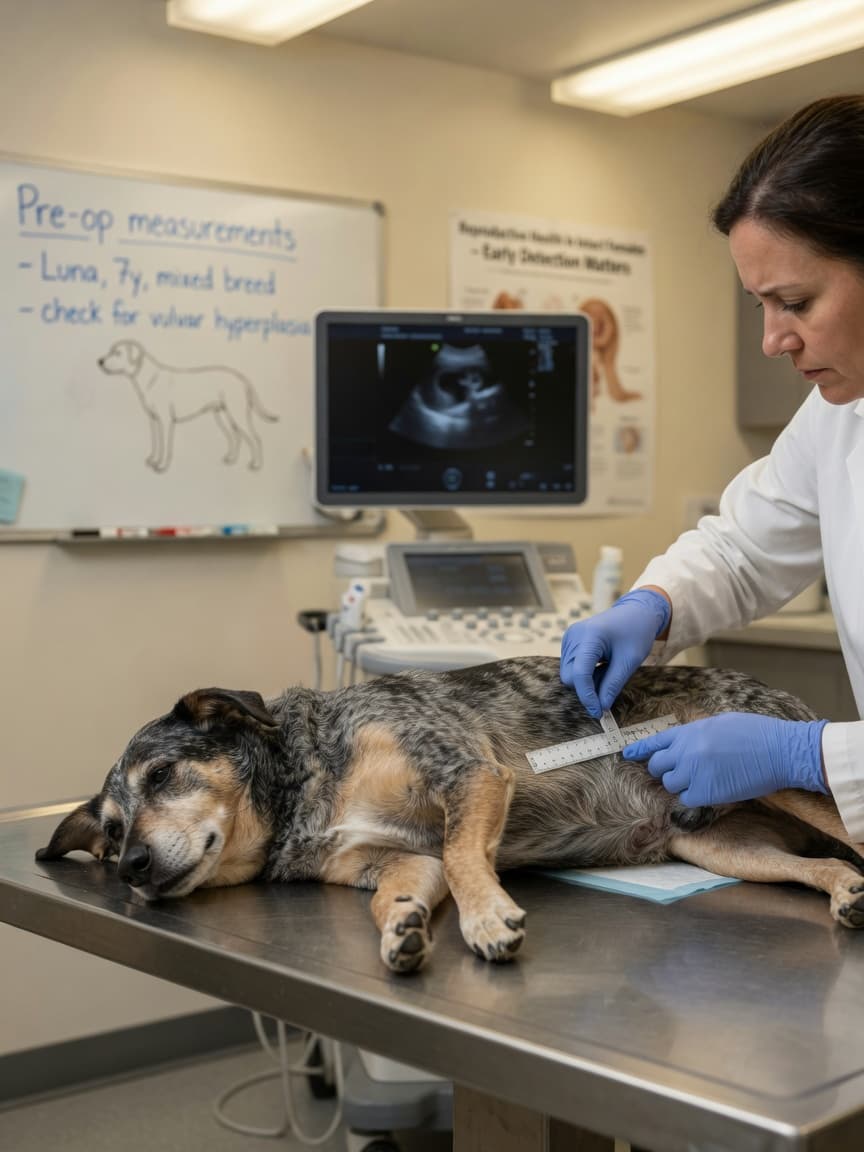
In clinical practice, DSDs are often discovered incidentally — when a dog is presented for routine neutering and anatomical anomalies are found, or when a breeder notices abnormal genitalia in a puppy. In other cases, affected dogs are brought for evaluation due to infertility, recurrent urinary tract issues, or unusual behaviour.
How Sexual Development Normally Proceeds
Normal sexual development is a multi-step process. It begins with chromosomal sex, determined at fertilisation (XX for female, XY for male in dogs). Chromosomal sex drives gonadal sex — the differentiation of the bipotential gonadal ridge into either ovaries or testes. The gonads then produce hormones that determine the development of internal reproductive structures and external genitalia. Disruption at any of these stages can produce a DSD.
In dogs, as in other mammals, the default developmental pathway is female. The presence of the SRY gene on the Y chromosome triggers testicular development; without this signal, ovarian development proceeds. Testosterone and anti-Müllerian hormone (AMH) produced by the foetal testes are responsible for masculinising the internal and external anatomy. Absence or dysfunction of these signals results in feminisation regardless of genetic sex.
Categories of Intersex Conditions
Sex Chromosome DSDs
These involve an abnormal number or arrangement of sex chromosomes. Examples include XXY males (analogous to Klinefelter syndrome in humans), X0 females (analogous to Turner syndrome), and XXX or XYY individuals. These animals may have underdeveloped or dysgenetic gonads and are typically infertile. Diagnosis requires karyotyping — chromosomal analysis from a blood sample.
Gonadal DSDs
In gonadal DSD, the chromosomal sex does not match the gonadal sex. XX males, for example, are genetic females with testicular tissue. This has been well documented in several breeds, including the Cocker Spaniel, Weimaraner, and Kerry Blue Terrier. The SRY gene, normally located on the Y chromosome, has translocated to an autosome or X chromosome in these individuals, triggering testicular development despite an XX karyotype.
Ovotesticular DSD (formerly called true hermaphroditism) involves the presence of both ovarian and testicular tissue in the same individual. This may manifest as a single ovotestis, or as one ovary and one testis. It has been reported across many breeds.
Phenotypic DSDs
These are conditions in which gonadal and chromosomal sex are concordant but the external or internal anatomy is atypical. Examples include:
- Androgen insensitivity syndrome (AIS): an XY individual with testes but a female external appearance, due to non-functional androgen receptors. These dogs have testes that are often undescended (cryptorchid) and female external genitalia.
- Congenital adrenal hyperplasia: excessive adrenal androgen production in an XX female causes masculinisation of external genitalia
- Persistent Müllerian duct syndrome: an XY male with testes and male external anatomy who retains the internal female reproductive structures (uterus, fallopian tubes) due to absent or non-functional AMH
Clinical Signs and Presentation
DSDs present in many ways, and the degree of abnormality varies enormously. Common presentations include:
- Ambiguous external genitalia — an enlarged clitoris resembling a penis (clitoromegaly/penile-like clitoris), a small or abnormally positioned penis, or an unusual urethral opening
- Cryptorchidism — one or both testes retained in the abdomen or inguinal canal
- Absence of expected reproductive organs on palpation or imaging
- Infertility in animals intended for breeding
- Recurring urinary tract infections, particularly where anatomical abnormalities affect urethral positioning
- Inguinal hernias, sometimes containing reproductive structures
- Behavioural patterns inconsistent with the apparent sex of the animal
Diagnostic Approach
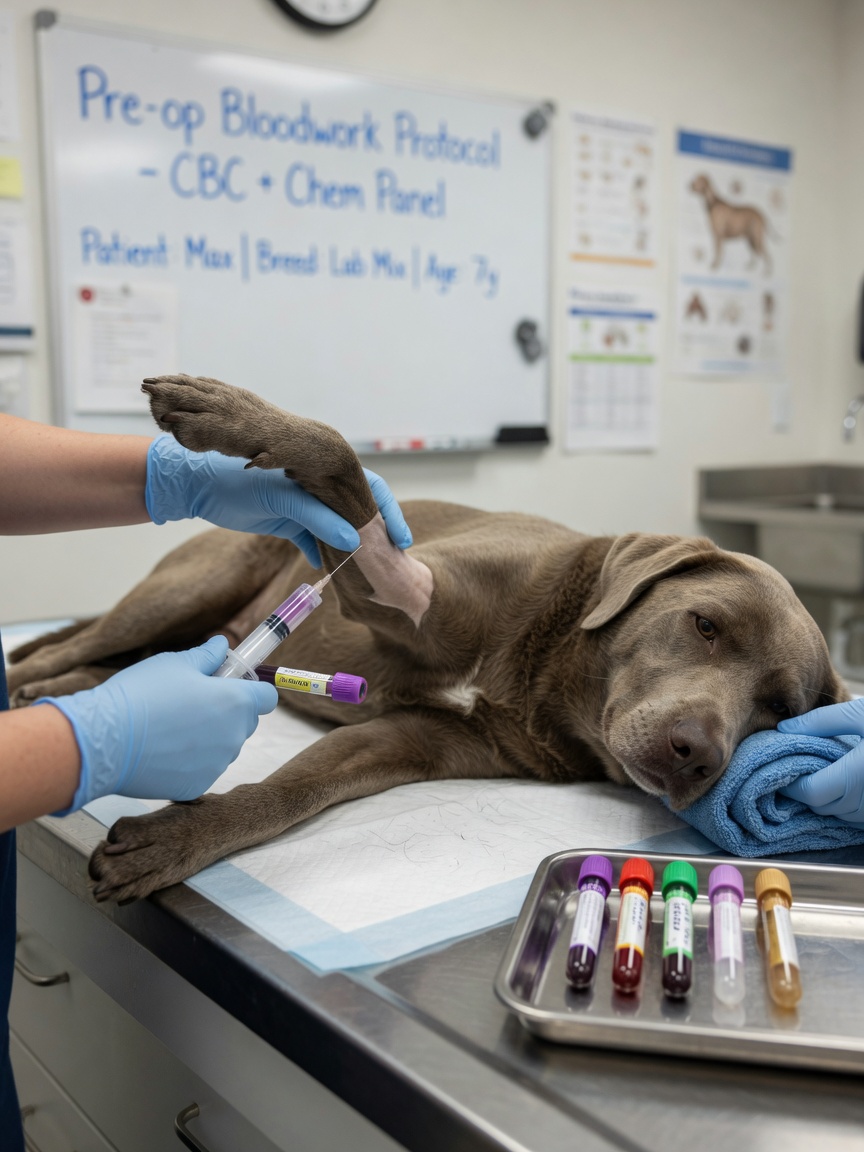
Diagnosis of DSDs requires a systematic approach combining clinical examination, imaging, hormonal testing, and chromosomal or genetic analysis.
Initial evaluation involves careful physical examination of the external genitalia, including measurement of clitoral or penile length, location of the urethral opening, and palpation of the inguinal region and abdomen for retained gonads.
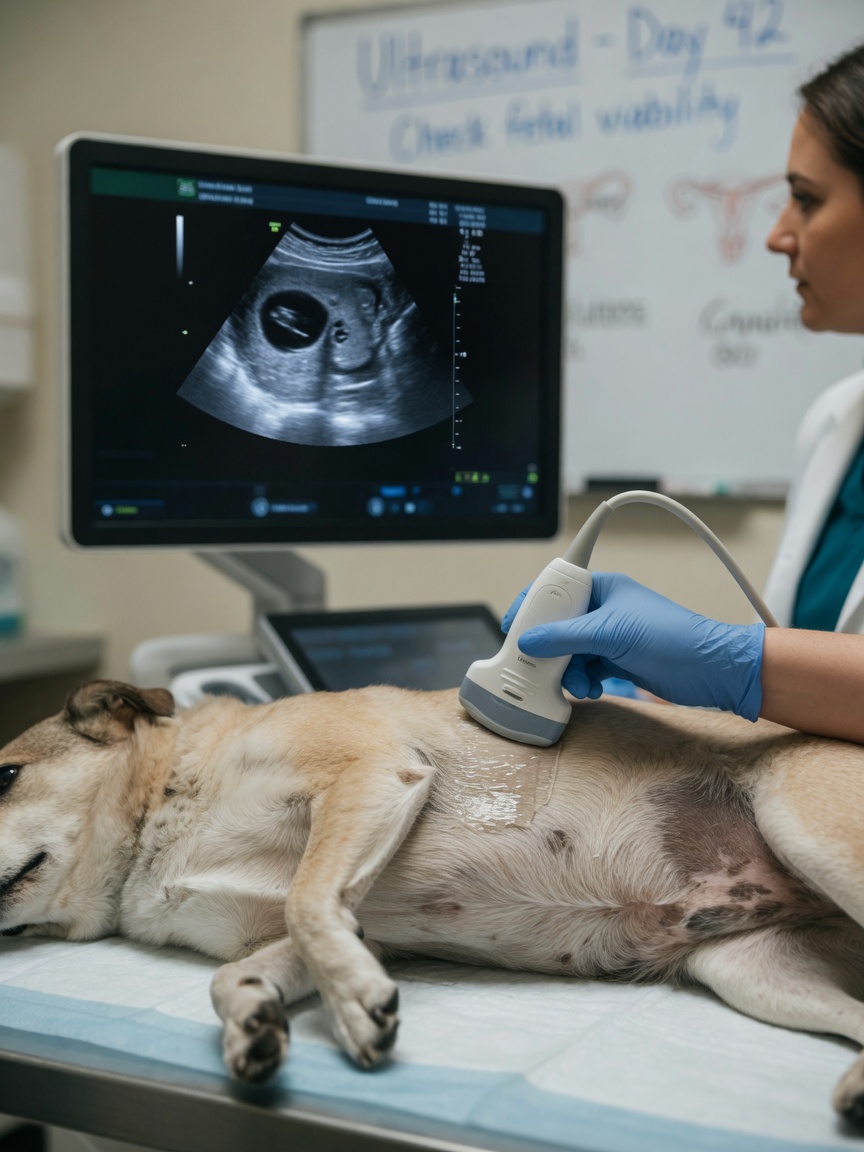
Imaging with ultrasound is essential to identify internal reproductive structures — ovaries, testes, uterus, and accessory structures. This can be supplemented with contrast radiography or MRI in complex cases.
Hormonal assays — including testosterone, oestradiol, AMH, and gonadotrophins (LH, FSH) — help characterise the type of gonadal tissue present and its functional status.
Karyotyping confirms chromosomal sex and identifies numeric abnormalities. Where a specific genetic mutation is suspected, PCR-based testing for SRY gene presence or specific mutations can be performed.
Histopathological examination of gonadal tissue, obtained at surgery, provides definitive characterisation of gonadal type.
Health Implications
The health implications of DSDs depend significantly on the specific condition and the nature of any anatomical anomalies present.
Retained or dysgenetic gonads carry an elevated risk of neoplasia. Undescended testes in particular have a markedly higher risk of developing Sertoli cell tumours, seminomas, and interstitial cell tumours compared with normally descended testes. Dysgenetic gonads — whether ovarian, testicular, or ovotesticular — are also associated with increased tumour risk, including gonadoblastoma.
Anatomical anomalies of the lower urinary tract can predispose to recurrent urinary tract infections, urinary incontinence, or difficulty urinating. These may require surgical correction independent of gonadal removal.
Persistent Müllerian structures in XY males increase the risk of pyometra-like infections within the retained uterus, as well as uterine tumours.
Management and Treatment
For the majority of dogs with DSDs, surgical removal of all gonadal tissue is recommended due to the elevated cancer risk and, where relevant, the prevention of hormone-driven complications. This surgery may be more complex than routine neutering, particularly when gonads are retained intra-abdominally or anatomy is atypical.
Concurrent correction of anatomical abnormalities — such as clitoral reduction or urethral repositioning — improves long-term quality of life, particularly where recurrent infections or urinary difficulties are present.
With appropriate veterinary management, many dogs with DSDs live full and healthy lives. Early diagnosis, thorough investigation, and timely surgical intervention are the cornerstones of optimal care for these patients.