ForPetsHealthcare
Dogs

How to Know When to Call the Vet for Your Cat

By Julia WrenfieldUpdated August 4, 20264 min read
Evidence-based · Sources checked
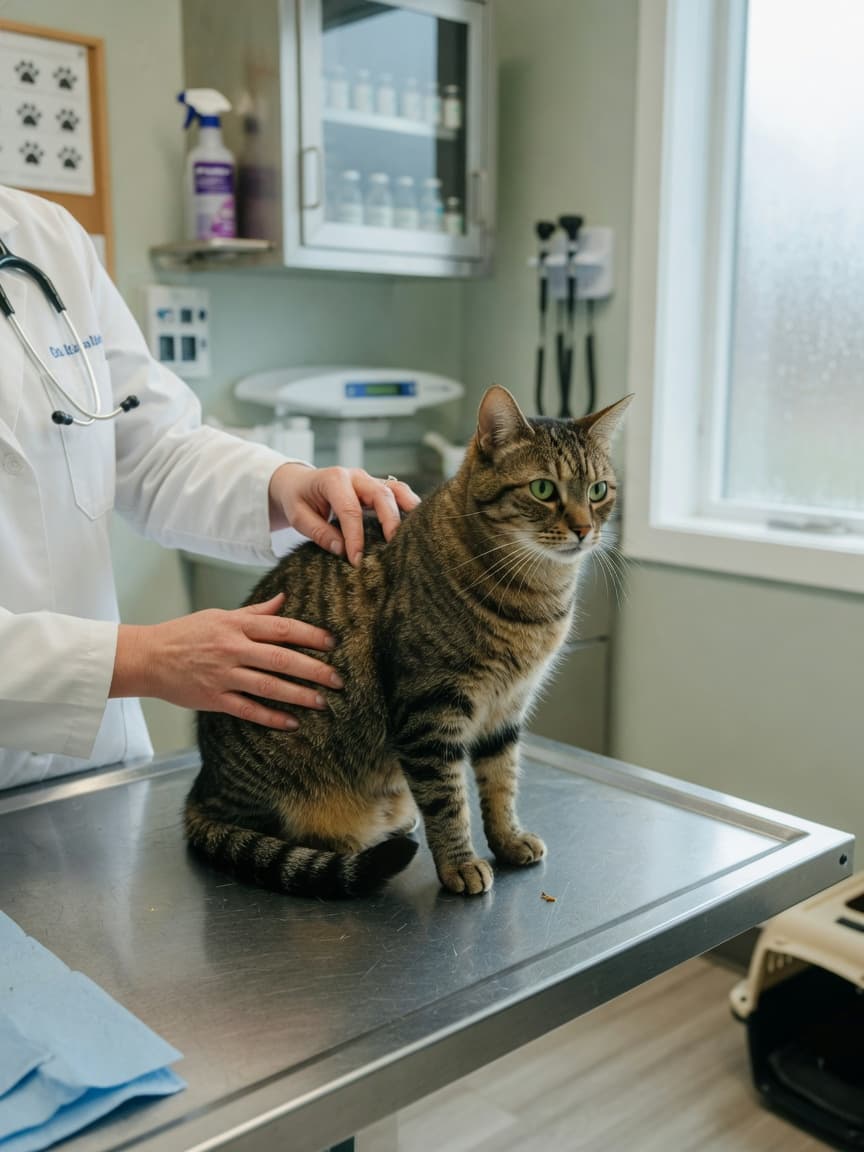
{"en": "Cat owner examining their tabby cat at home, assessing health and considering when to call the veterinarian", "es": "Due\u00f1o examinando a su gato atigrado en casa, evaluando la salud y considerando cu\u00e1ndo llamar al veterinario", "fr": "Propri\u00e9taire examinant son chat tigr\u00e9 \u00e0 la maison, \u00e9valuant sa sant\u00e9 et d\u00e9cidant d'appeler le v\u00e9t\u00e9rinaire", "de": "Katzenbesitzer untersucht seine getigerte Katze zu Hause und pr\u00fcft die Gesundheit und wann der Tierarzt angerufen werden sollte", "nl": "Kateneigenaar onderzoekt zijn gestreepte kat thuis, beoordeelt de gezondheid en overweegt de dierenarts te bellen", "pt": "Dono examinando seu gato malhado em casa, avaliando a sa\u00fade e considerando quando chamar o veterin\u00e1rio", "it": "Proprietario che esamina il suo gatto tigrato a casa, valutando la salute e considerando quando chiamare il veterinario"}

As a cat owner, you know your feline friend better than anyone. Yet distinguishing between minor behavioural quirks and genuine health concerns can be challenging. Cats are particularly skilled at masking illness, which means recognising the subtle signs of trouble is essential. This guide will help you understand when it's time to ring your vet and when you can safely monitor your cat at home.

Immediate Red Flags: Call the Vet Now

Certain symptoms require urgent veterinary attention. If you notice any of the following, don't delay—contact your vet immediately or visit an emergency clinic:

  • Difficulty breathing or gasping for air
  • Loss of consciousness or collapse
  • Severe bleeding or trauma from accidents
  • Inability to urinate or defecate, or straining excessively
  • Sudden paralysis or inability to move hind legs
  • Uncontrollable vomiting or vomiting blood
  • Signs of extreme pain (crying, aggression when touched)
  • Seizures or unusual neurological behaviour
  • Sudden blindness or eye trauma

Changes in Eating and Drinking Habits

One of the most reliable indicators of feline health problems is appetite change. Cats are creatures of habit, and alterations in eating patterns often signal underlying issues. Call your vet if your cat:

  • Stops eating for more than 24 hours
  • Shows a significant decrease in appetite lasting several days
  • Drinks excessively or very little water
  • Has difficulty chewing or dropping food
  • Shows sudden interest in foods they've previously ignored

Feline hepatic lipidosis (fatty liver disease) can develop in just 48–72 hours when cats stop eating, making prompt attention crucial.

Litter Box Behaviour Changes

Your cat's toilet habits are telling indicators of internal health. Contact your vet promptly if you observe:

  • Changes in urinary frequency or output
  • Straining or crying whilst using the litter box
  • Inappropriate elimination outside the box (after ruling out behavioural issues)
  • Diarrhoea lasting more than a day or two
  • Constipation or difficulty defecating
  • Blood in urine or stool

These signs may indicate urinary tract infections, kidney disease, or digestive problems—all conditions that benefit from early intervention.

Physical Symptoms and Behavioural Changes

Schedule a vet appointment within a few days if your cat exhibits:

  • Persistent coughing, sneezing, or nasal discharge
  • Vomiting more than once a week (even without other symptoms)
  • Excessive grooming or hair loss in patches
  • Lethargy lasting more than a day (cats should be alert and playful)
  • Limping, lameness, or reluctance to jump
  • Ear discharge, scratching, or odour
  • Lumps, bumps, or skin lesions
  • Bad breath or visible dental issues

Senior cats (over 12 years) require more frequent health monitoring. Watch closely for signs of hyperthyroidism, kidney disease, and arthritis. Even subtle changes like decreased grooming or slightly increased water intake warrant veterinary evaluation in older cats. Don't assume changes are simply "age-related"—many conditions are treatable when caught early.

When Home Monitoring Is Appropriate

Minor, isolated symptoms may not require immediate attention. You can safely monitor at home if your cat is:

  • Eating and drinking normally
  • Using the litter box regularly
  • Maintaining normal energy levels
  • Experiencing a single sneeze or minor cough

However, if symptoms persist or worsen within 24–48 hours, arrange a vet visit.

Key Takeaways

Trust your instincts—you know your cat best. When in doubt, contact your vet for advice rather than waiting. Early intervention often prevents serious complications and costs. Most vets are happy to discuss concerns over the phone before scheduling an appointment. By staying vigilant and responsive to changes, you'll help ensure your beloved cat enjoys a long, healthy life.

#how to know when to call the vet for your cat#cat health#feline nutrition#forpetshealthcare

Sources & further reading

This article is based on peer-reviewed veterinary research and reputable animal-health sources. Explore the underlying science in our Research Library.

Related articles

The 19 Best Animal Shelters in the Netherlands (2026)

the Netherlands's animal shelters, rescue associations and refuges save thousands of dogs, cats and other animals every year, almost always on tiny budgets and volunteer power. To build the most objective ranking possible, we analysed public Google reviews across more than 56 registered animal-prote…

Read more →

The 25 Best Animal Shelters in Italy (2026)

Italy's animal shelters, rescue associations and refuges save thousands of dogs, cats and other animals every year, almost always on tiny budgets and volunteer power. To build the most objective ranking possible, we analysed public Google reviews across more than 121 registered animal-protection org…

Read more →

The 48 Best Animal Shelters in Germany (2026)

Germany's animal shelters, rescue associations and refuges save thousands of dogs, cats and other animals every year, almost always on tiny budgets and volunteer power. To build the most objective ranking possible, we analysed public Google reviews across more than 152 registered animal-protection o…

Read more →

The 32 Best Animal Shelters in France (2026)

France's animal shelters, rescue associations and refuges save thousands of dogs, cats and other animals every year, almost always on tiny budgets and volunteer power. To build the most objective ranking possible, we analysed public Google reviews across more than 89 registered animal-protection org…

Read more →

The 8 Best Animal Shelters in Portugal (2026)

Portugal's animal shelters, rescue associations and municipal centros de recolha save thousands of dogs, cats and other animals every year, almost always on tiny budgets and volunteer power. To build the most objective ranking possible, we analysed public Google reviews across more than 86 registere…

Read more →

Sphynx Cat Skin care and hygiene: Causes, Signs & Care

Sphynx cats have little to no coat, which means the skin itself takes on jobs that fur normally does — insulation, oil dispersal, and barrier protection — leaving it prone to greasiness, blocked pores, fungal infections, and sunburn. The single most important thing to know is that a Sphynx's skin ne…

Read more →
Disclaimer:This article is for informational purposes only and does not constitute veterinary advice. Always consult a qualified veterinarian for your pet's health concerns.

Free newsletter

Pet health tips, straight to your inbox

Weekly science-backed advice for dog & cat owners. No spam, unsubscribe anytime.