
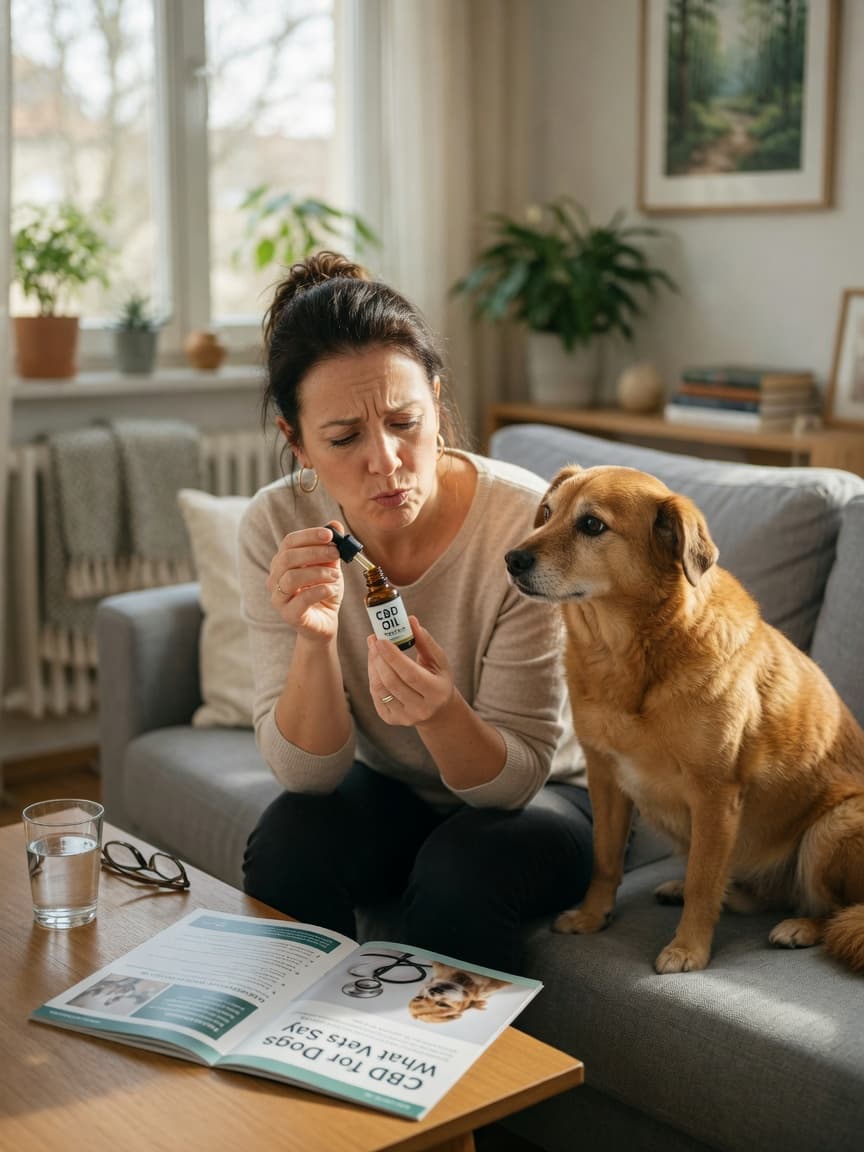
CBD—or cannabidiol—has become increasingly popular among UK dog owners seeking natural solutions for everything from anxiety to joint pain. Yet many pet parents remain uncertain about whether it's genuinely safe for their furry companions. The truth is nuanced: whilst emerging research shows promise, CBD exists in a regulatory grey area, and understanding both potential benefits and risks is essential before giving it to your dog.
What Is CBD and How Does It Work in Dogs?
CBD is a naturally occurring compound found in cannabis and hemp plants. Unlike THC (tetrahydrocannabinol), CBD is non-intoxicating and won't make your dog "high." Dogs possess endocannabinoid receptors throughout their nervous system, immune system, and digestive tract, which means they can theoretically benefit from CBD's interaction with these receptors.
When CBD binds to these receptors, it may influence serotonin regulation, pain perception, and immune response. However, research specifically on dogs remains limited compared to human studies, which is why caution is warranted.
Potential Benefits of CBD for Dogs

- Anxiety and stress relief: Preliminary research suggests CBD may help calm dogs during thunderstorms, fireworks, or separation anxiety
- Pain management: Some evidence indicates CBD may reduce chronic pain associated with arthritis or post-surgical recovery
- Inflammation: CBD's anti-inflammatory properties could potentially support dogs with inflammatory conditions
- Seizure control: A small number of studies have explored CBD's role in reducing seizure frequency in epileptic dogs
- Appetite stimulation: Some owners report improved appetite in dogs receiving CBD
It's important to note that whilst these benefits are anecdotally reported, large-scale clinical trials in dogs are still lacking.
Known Side Effects and Safety Concerns
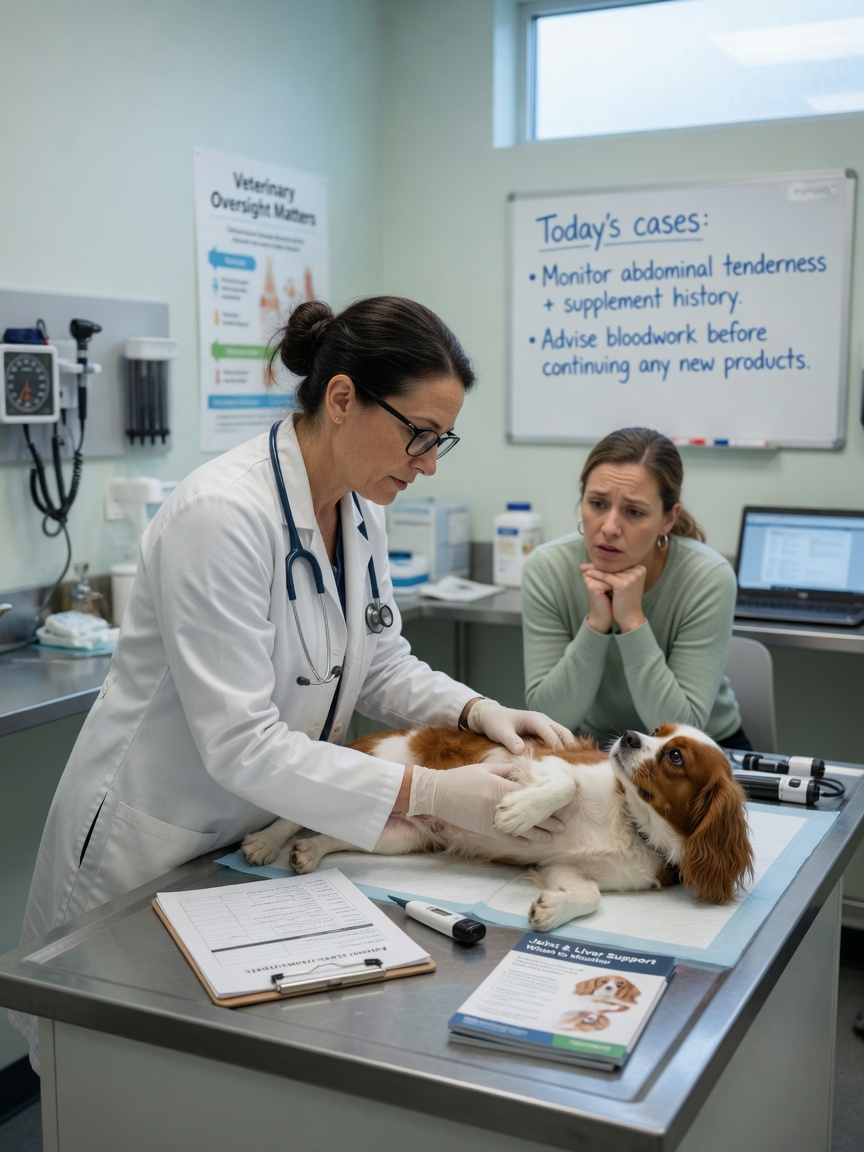
Most dogs tolerate CBD well, but potential side effects do exist:
- Drowsiness or sedation
- Dry mouth (reduced saliva production)
- Diarrhoea or digestive upset
- Reduced appetite (paradoxically, in some dogs)
- Liver enzyme elevation at high doses
- Interaction with medications metabolised by the liver
The biggest safety concern involves product quality. The CBD market remains largely unregulated in the UK, meaning products vary dramatically in purity, potency, and contamination levels. Some products may contain excessive THC, pesticides, or undisclosed ingredients.
Important Considerations Before Giving Your Dog CBD
Consult your veterinarian first. This is non-negotiable. Your vet needs to know about any CBD you're considering, especially if your dog takes other medications. CBD can interact with drugs metabolised by the liver enzyme CYP3A4, including certain anticonvulsants, immunosuppressants, and cardiac medications.
Choose products carefully. Look for products that provide third-party testing certificates confirming:
- Accurate CBD content
- THC levels (ideally less than 0.2%)
- Absence of contaminants like heavy metals and pesticides
Start with low doses. Begin with the smallest recommended dose and observe your dog for 1-2 weeks before adjusting. Dogs respond individually to CBD.
The Regulatory Landscape in the UK
Interestingly, whilst CBD products for pets aren't explicitly prohibited in the UK, they also aren't formally approved as veterinary medicines. The Veterinary Medicines Directorate (VMD) hasn't authorised any CBD products for dogs, which means the burden of responsibility falls entirely on pet owners and manufacturers to ensure safety and efficacy.
Key Takeaways
CBD shows promise for certain canine conditions, but it's not a magic cure-all. Before considering CBD for your dog:
- Always discuss it with your veterinarian first
- Source products from reputable manufacturers with third-party testing
- Be realistic about expected outcomes based on limited clinical evidence
- Monitor your dog carefully for side effects
- Never use CBD as a substitute for veterinary-approved treatments without professional guidance
The safest approach is to view CBD as a potential complementary therapy under veterinary supervision, rather than a standalone solution. Your dog's health deserves evidence-based decisions made in partnership with your trusted vet.