
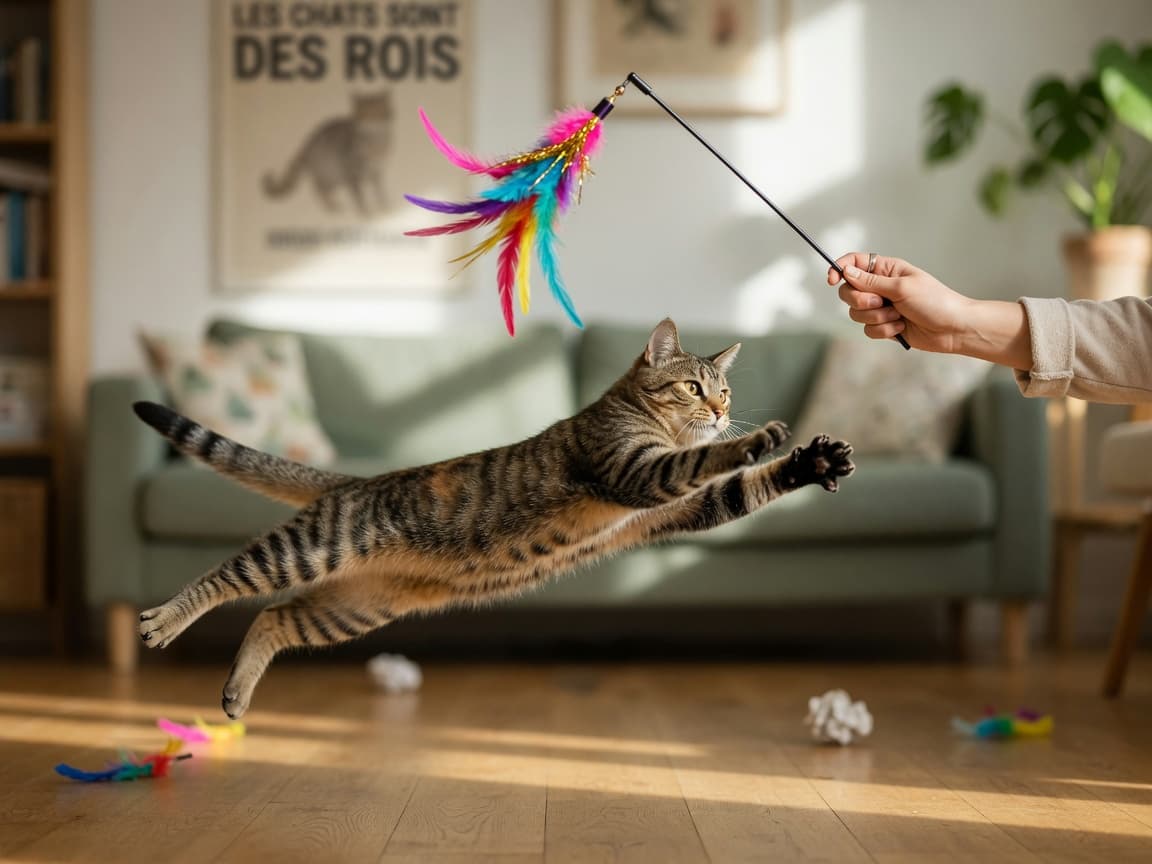
Many cat owners assume their feline companions prefer solitary napping to interactive play, but this couldn't be further from the truth. Regular play sessions are essential for your cat's physical health, mental wellbeing, and emotional bond with you. Whether you have an energetic kitten or a more reserved adult cat, understanding how to engage them properly can transform playtime into a rewarding experience for both of you. Let's explore the science-backed strategies and practical tips that will help you become your cat's favourite playmate.
Understanding Your Cat's Natural Hunting Instincts
Cats are hardwired hunters, and play behaviour mimics the stalking, pouncing, and capturing sequences they'd perform in the wild. When you play with your cat, you're not just entertaining them—you're providing essential mental stimulation and physical exercise. Understanding this instinctive behaviour helps you create more engaging and satisfying play sessions that tap into their natural drives.
A healthy adult cat requires at least 15-20 minutes of active play daily, ideally split into two or three shorter sessions. This prevents obesity, reduces behavioural problems, and keeps their mind sharp at any age.
The Best Toys for Feline Play
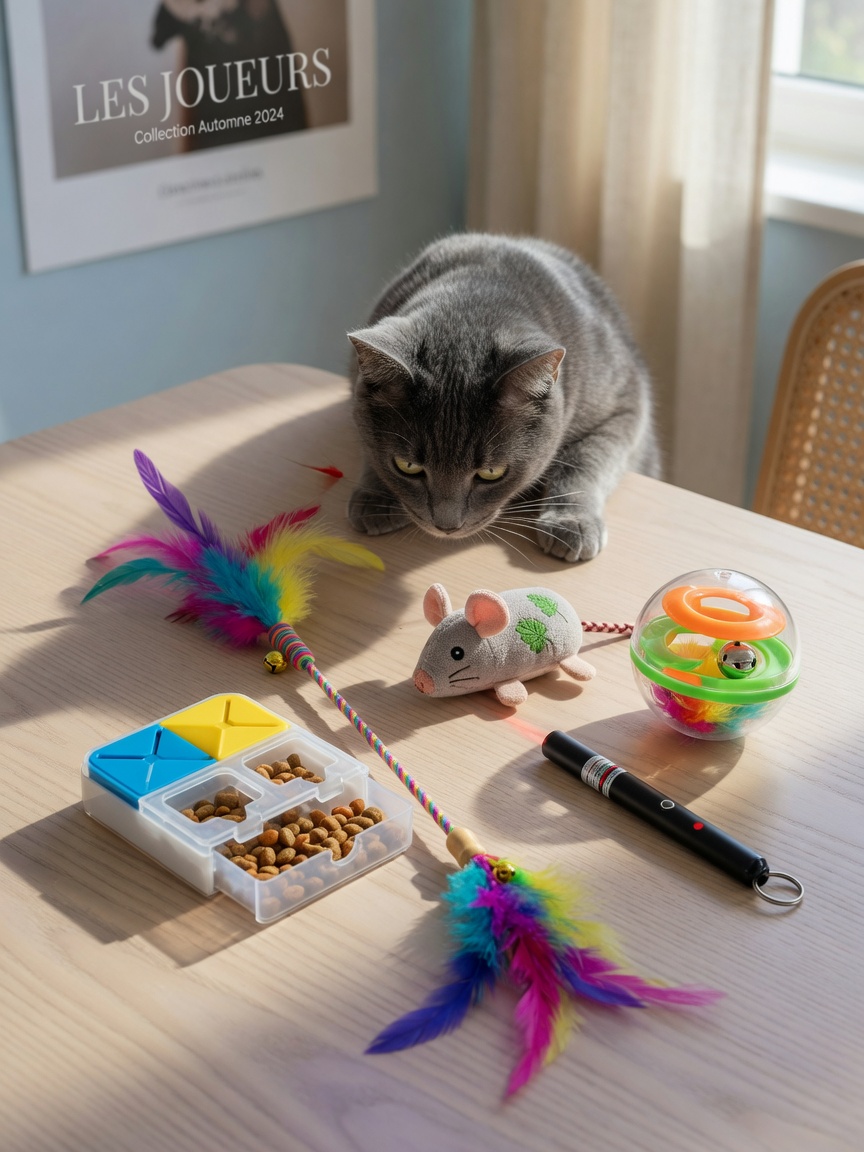
Not all cat toys are created equal. The most effective toys engage multiple senses and mimic prey movements:
- Wand toys and feather chasers: These allow you to control the "prey" movement, encouraging your cat to jump, leap, and pounce whilst you maintain safe interaction
- Ball toys: Small balls that roll unpredictably appeal to your cat's hunting instincts, though supervise play to prevent choking hazards
- Interactive puzzle feeders: These combine play with feeding, rewarding your cat's problem-solving efforts with treats or kibble
- Mice and small plushies: Soft toys your cat can carry and "kill" satisfy their predatory behaviours safely
- Laser pointers: Use with caution—end sessions by allowing your cat to "catch" a physical toy to prevent frustration
Creating Engaging Play Sessions
The key to successful playtime is mimicking realistic prey movement patterns. Use unpredictable, jerky motions rather than consistent patterns. Vary your play style: sometimes move toys fast across the floor, other times dangle them at different heights to encourage vertical jumping.
Rotate toys weekly to maintain novelty and interest. Cats become bored with the same toy repeatedly, so introducing variety keeps them engaged. Store some toys away and bring them back after a few weeks—your cat will rediscover them with renewed enthusiasm.
Tailoring Play to Your Cat's Personality
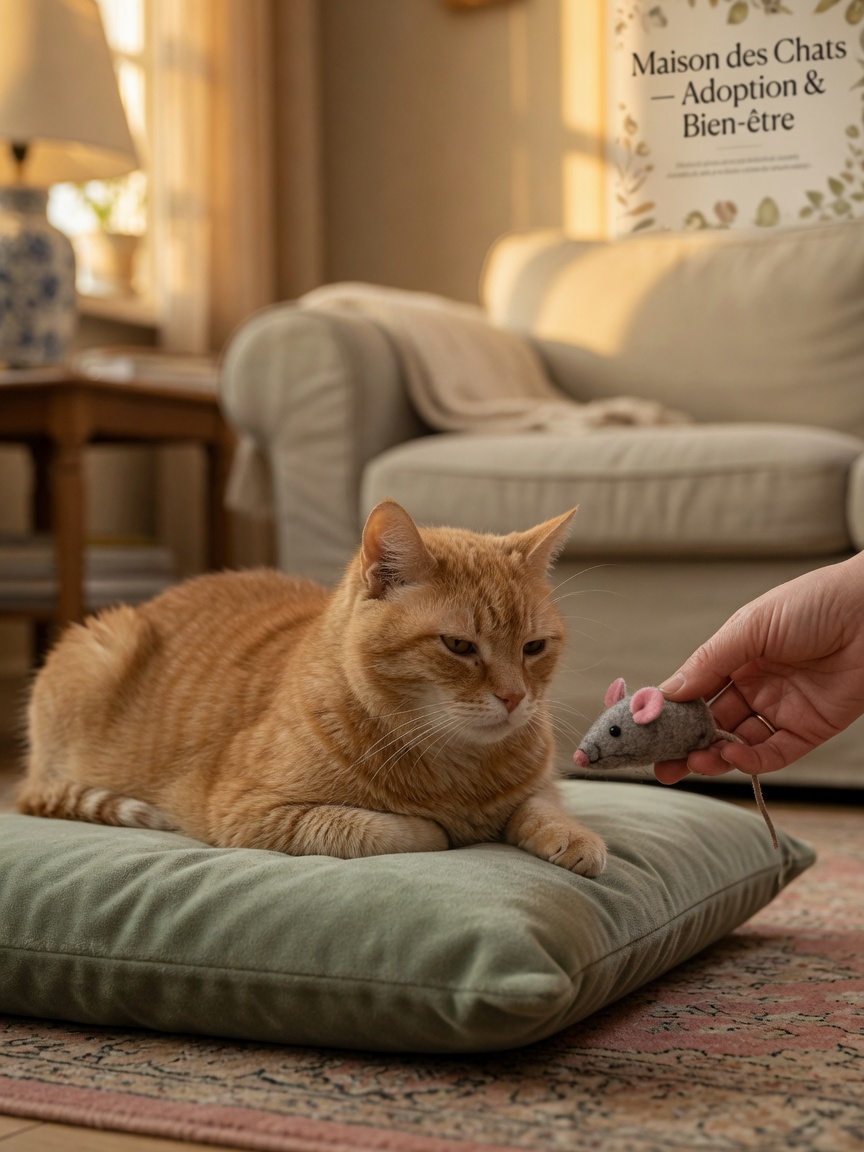
Every cat has unique preferences. Some prefer intense, fast-paced games, whilst others enjoy gentle, low-energy play. Pay attention to what captivates your cat:
- Observe which toys they naturally gravitate towards
- Notice their preferred play times (many cats are most active during dawn and dusk)
- Adjust intensity based on age—kittens handle vigorous play better than senior cats
- Respect their boundaries if they indicate play should stop
Safety Considerations During Play
Always prioritise your cat's safety during play sessions. Ensure toys have no small detachable parts, loose strings, or sharp edges. Never leave your cat unsupervised with toys containing string or ribbon, as these pose serious intestinal obstruction risks. Wash your hands before play to prevent transferring harmful bacteria, and supervise sessions with very young kittens who may not judge risks appropriately.
Key Takeaways for Healthy, Happy Playtime
Playing with your cat isn't a luxury—it's an investment in their long-term health and your relationship. Aim for consistent daily play sessions using toys that genuinely engage their hunting instincts. Rotate toys, observe your individual cat's preferences, and always prioritise safety. With these expert strategies in place, you'll create a stimulating, enjoyable playtime routine that keeps your feline friend healthy, happy, and deeply bonded to you.