
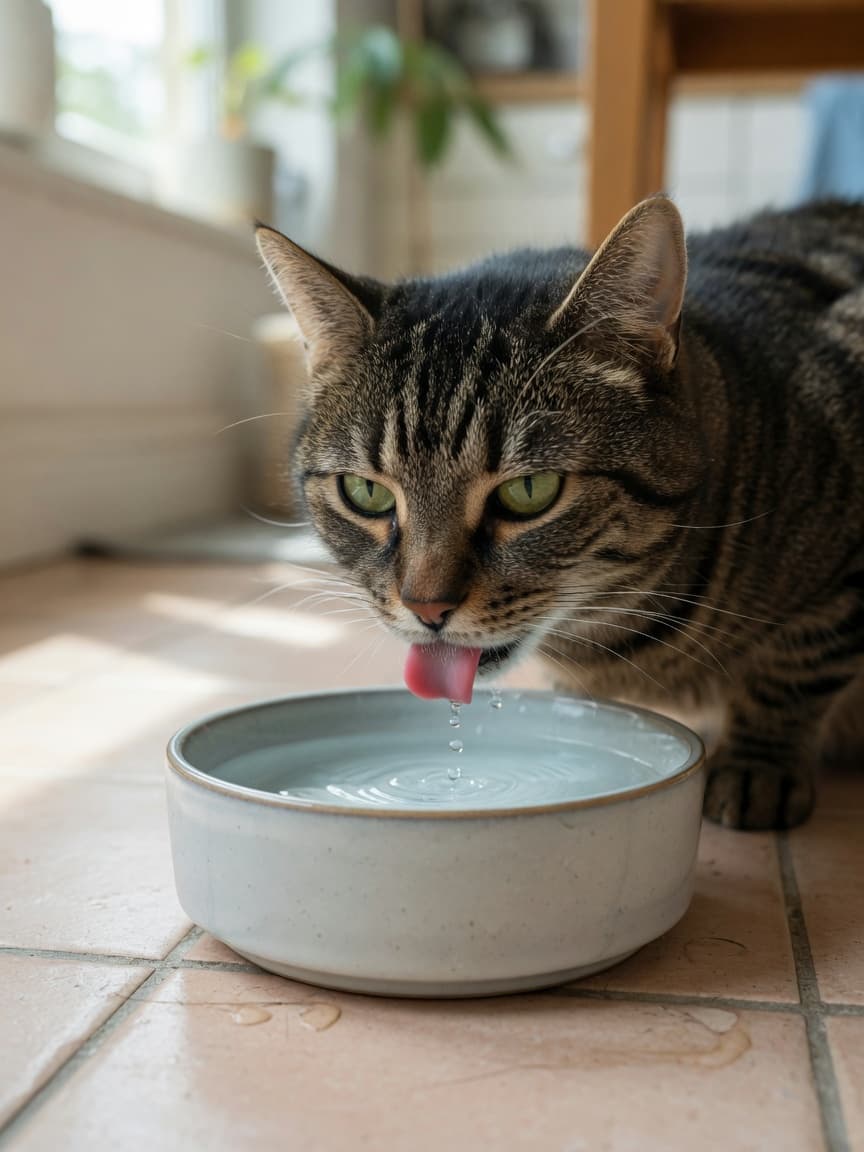
Water is essential for your cat's survival and wellbeing, yet many cat owners are surprised to learn that their feline companions often don't drink enough. Unlike dogs, cats have a naturally low thirst drive—a trait inherited from their wild ancestors who obtained most of their moisture from prey. Understanding your adult cat's daily water requirements and recognising the signs of dehydration can help you keep your pet healthy and prevent serious conditions like kidney disease and urinary tract problems.
Daily Water Requirements for Adult Cats
Most veterinary nutritionists recommend that adult cats consume approximately 50 millilitres of water per kilogramme of body weight daily. For a typical 4-kilogramme cat, this translates to about 200 millilitres (roughly a small teacup) per day. However, this is a baseline figure, and actual requirements can vary significantly depending on several factors.
It's important to note that cats obtain water from multiple sources. If your cat eats wet food exclusively, they may be consuming 70–80% of their daily water intake through their meals, meaning they'll drink considerably less from their bowl. Conversely, cats fed primarily dry kibble will need to drink substantially more water to compensate.
Factors That Influence Water Intake
- Diet type: Wet food provides significant moisture, whilst dry food requires additional water consumption
- Activity level: Active and playful cats may need more water, particularly during warmer months
- Age: Senior cats and kittens may have different water requirements than young adults
- Health status: Cats with diabetes, hyperthyroidism, or kidney disease require increased water intake
- Environmental temperature: Warmer weather increases water loss through perspiration and respiration
- Individual metabolism: Some cats naturally drink more or less than others
Signs Your Cat May Be Dehydrated
Dehydration in cats can develop quickly and lead to serious health complications. Watch for these warning signs:
- Lethargy and reduced activity
- Dry gums and mouth
- Loss of skin elasticity (skin doesn't bounce back when gently pulled)
- Sunken eyes
- Reduced or absent urination
- Dark or concentrated urine
- Vomiting or loss of appetite
If you notice any of these signs, contact your veterinary surgery promptly, as dehydration can indicate underlying health issues.
Encouraging Your Cat to Drink More Water
Since many cats naturally resist drinking, here are practical strategies to increase their water consumption:
- Provide multiple water sources: Place water bowls in different locations throughout your home, away from food and litter boxes
- Use cat water fountains: Many cats prefer running water, which mimics natural flowing water sources
- Offer fresh water daily: Change water twice daily and clean bowls regularly
- Increase wet food: Mix tinned or pouched food into your cat's diet to boost moisture intake
- Try different bowls: Some cats prefer ceramic or glass bowls over plastic, which can retain odours
- Add moisture to dry food: Mix a small amount of water or low-sodium broth into kibble
- Monitor water temperature: Some cats prefer room-temperature water over cold water
When to Seek Veterinary Advice
Contact your veterinarian if your cat suddenly increases or decreases water intake, as this can indicate underlying medical conditions such as hyperthyroidism, diabetes, or kidney disease. Your vet can perform simple tests to assess your cat's hydration status and overall health.
Key Takeaways
Your adult cat should ideally drink approximately 50 millilitres of water per kilogramme of body weight daily, though individual needs vary considerably. Since cats have a naturally low thirst drive, proactive strategies—such as providing water fountains, multiple bowls, and moisture-rich foods—are essential for maintaining adequate hydration. Monitor your cat's drinking habits and urine output, and don't hesitate to contact your veterinary practice if you notice concerning changes. Proper hydration is a cornerstone of feline health and can help prevent serious illnesses throughout your cat's life.