
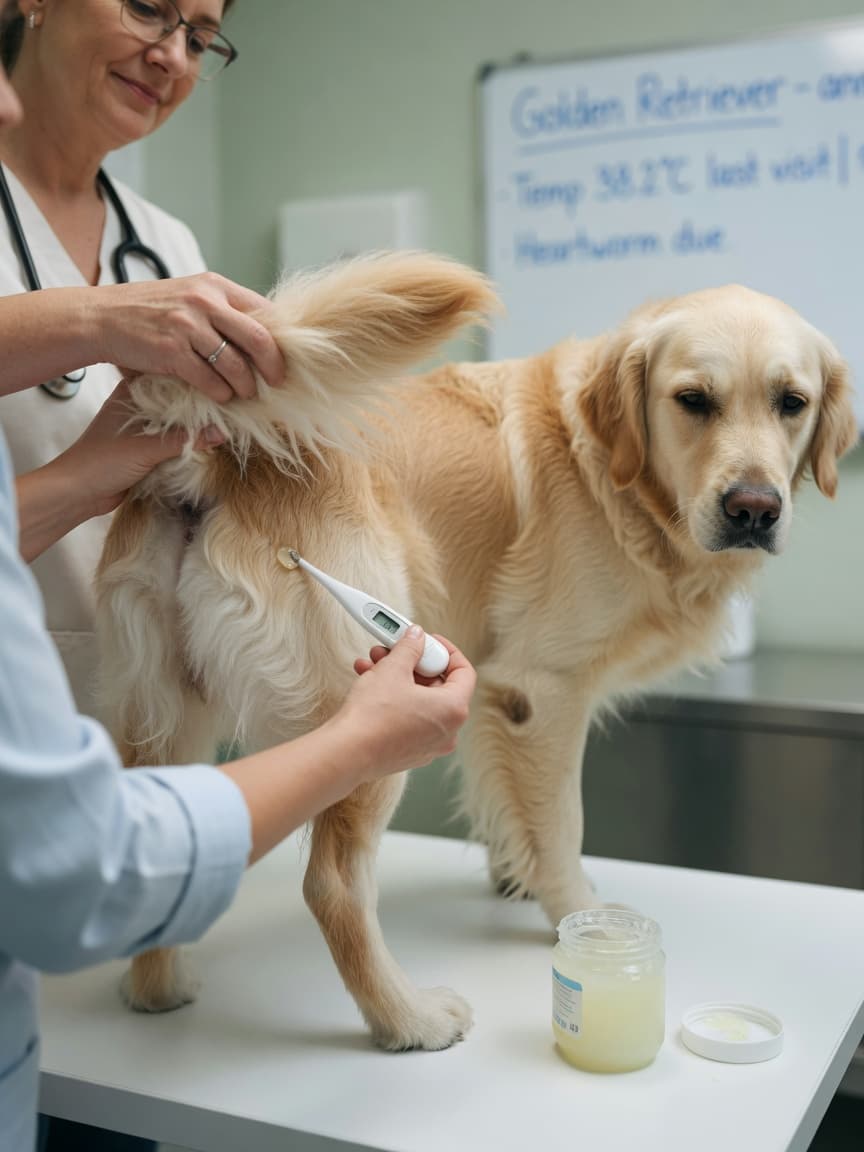
Knowing how to take your dog's temperature is one of the most valuable skills any pet owner can develop. A fever or abnormally low body temperature can indicate illness, infection, or other health concerns that require veterinary attention. Unlike humans, dogs can't tell us when they feel unwell, so recognising these vital signs early can make all the difference in their recovery. Whether your dog seems lethargic, has a hot nose, or you simply want to monitor their health proactively, learning this simple procedure empowers you to be a more informed and responsive pet parent.
Understanding Normal Dog Body Temperature
Before you can identify an abnormal temperature, it's essential to know what's normal for your dog. A healthy dog's body temperature typically ranges between 38.1°C and 39.2°C (100.5°F to 102.5°F), which is notably higher than humans. Puppies and smaller breeds may run slightly warmer, whilst some older dogs may have marginally lower readings. Temperature can fluctuate based on activity level, time of day, and even emotional state, so a single reading shouldn't cause panic—but patterns are worth monitoring.
Types of Thermometers: Which One to Choose?
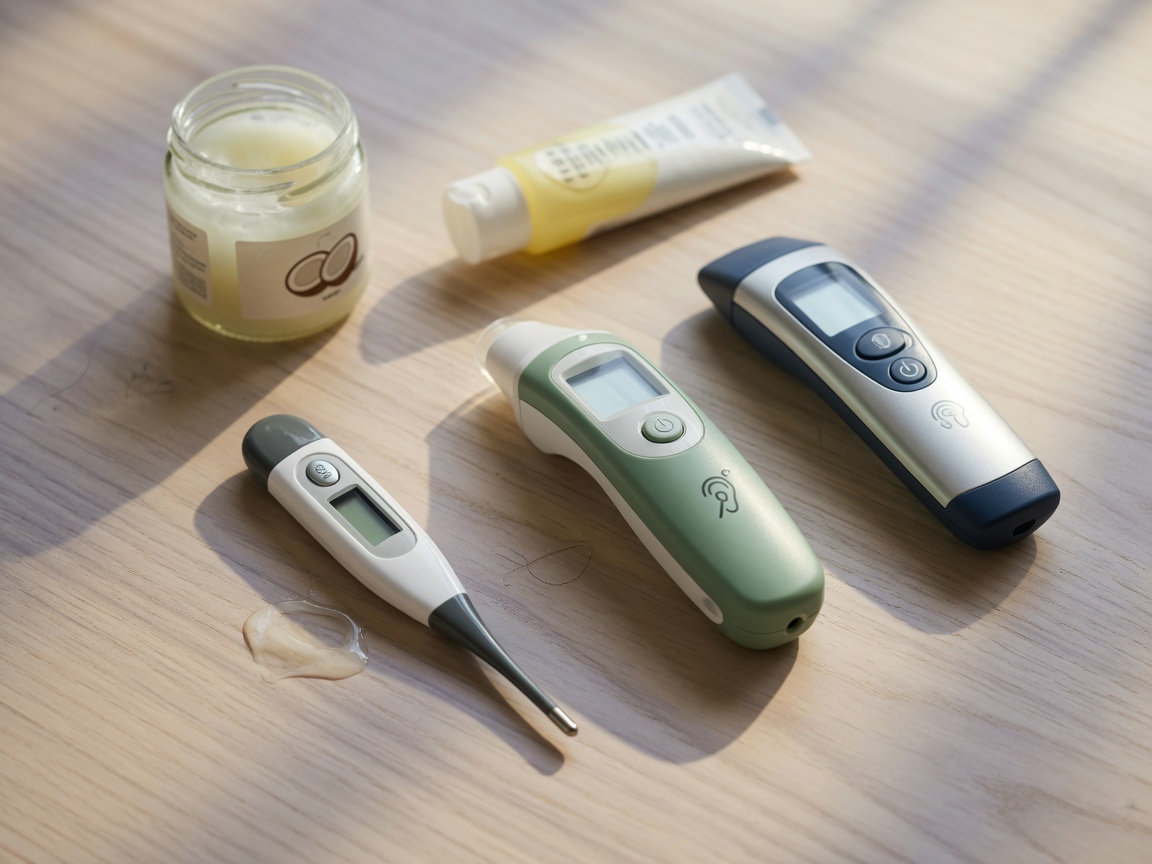
Several options are available for taking your dog's temperature:
- Rectal thermometers (digital): The gold standard for accuracy. Digital models are quick (results in 10-60 seconds) and easier to read than mercury versions. Choose one specifically designed for pets or humans.
- Ear thermometers: Infrared ear thermometers are fast and non-invasive, though they require proper technique and can be less accurate than rectal readings.
- Temporal artery thermometers: Some pet owners use these on the inner ear or forehead area, though they're generally less reliable than rectal methods.
- Smart microchips: Emerging technology, but not yet standard practice for home monitoring.
For most pet owners, a basic digital thermometer remains the most practical and reliable choice. Avoid glass mercury thermometers, which pose safety risks if broken.
Step-by-Step Guide to Taking Your Dog's Temperature
- Prepare your supplies: Gather your thermometer, a small amount of petroleum jelly or coconut oil (for lubrication), and perhaps some treats as a reward.
- Calm your dog: Choose a quiet moment when your dog is relaxed. If anxious, a short walk beforehand can help settle them.
- Position your dog: Have someone gently hold your dog's head and front legs whilst they stand, or let them lie on their side.
- Apply lubrication: Coat the thermometer tip with a small amount of lubricant to ensure comfort.
- Insert gently: Lift your dog's tail and slowly insert the thermometer about 2.5 centimetres (1 inch) into the rectum at a slight upward angle.
- Wait for results: Hold the thermometer steady for the recommended time (check your device's instructions, typically 10-60 seconds).
- Read and record: Note the temperature and the time. Keep a simple log if monitoring over several days.
- Reward your dog: Praise and offer a treat to create positive associations with the process.
When to Worry: Abnormal Temperature Readings
A fever (temperature above 39.2°C) or hypothermia (below 38.1°C) warrants veterinary consultation, especially if accompanied by other symptoms like lethargy, loss of appetite, vomiting, or trembling. Contact your vet immediately if your dog shows severe symptoms or temperatures exceed 40°C or fall below 37.8°C.
Key Takeaways
Taking your dog's temperature is straightforward with practice. Keep a digital thermometer in your pet first-aid kit, familiarise yourself with the procedure during healthy times, and don't hesitate to contact your veterinary surgery if you're ever unsure about a reading or your dog's health. Regular health monitoring, including temperature awareness, forms the foundation of preventative pet care.