
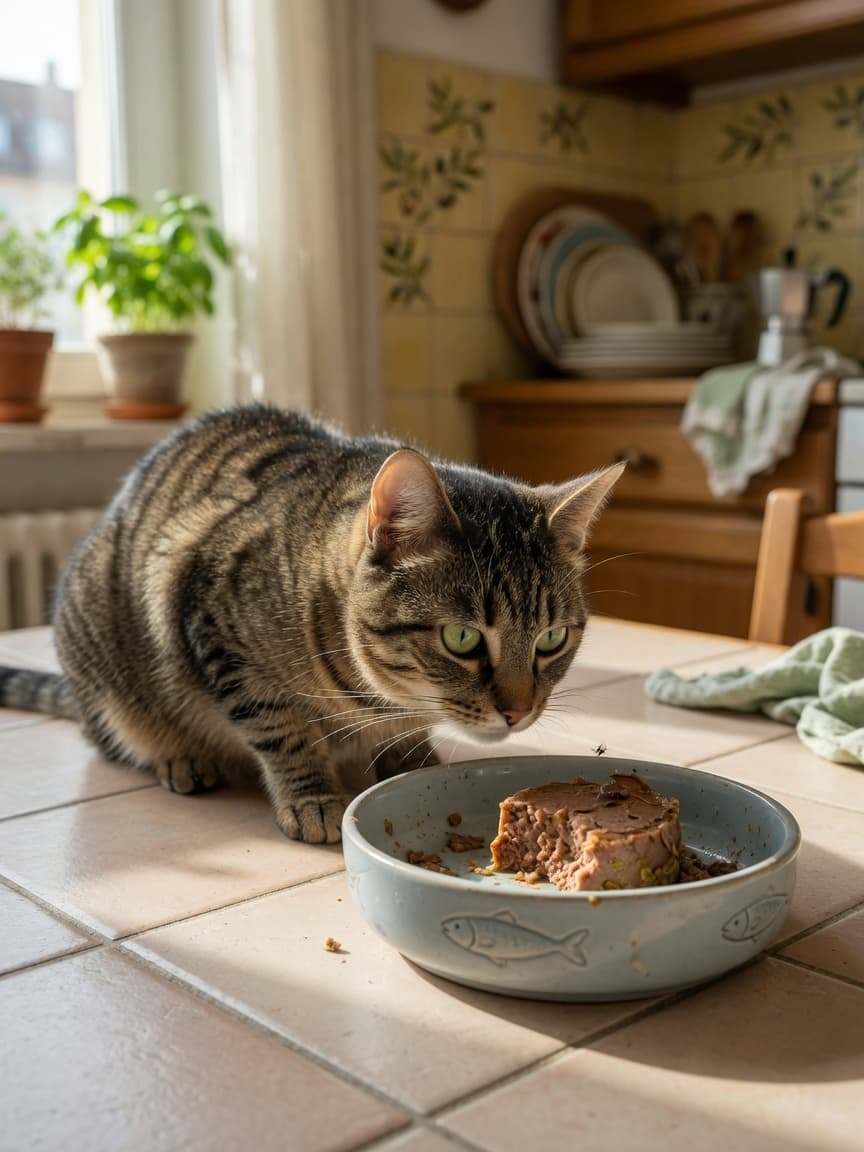
One of the most common questions I receive from cat owners is about food safety and storage. Whether you're busy with work, managing multiple cats, or simply unsure about proper food handling, knowing how long canned cat food can safely remain at room temperature is essential for your feline's health. Leaving food out too long can lead to bacterial growth, spoilage, and potentially serious gastrointestinal issues. In this comprehensive guide, I'll walk you through everything you need to know to keep your cat safe and healthy.
The Basic Rule: Two Hours Maximum
The golden rule for canned cat food is straightforward: never leave it out for more than two hours at room temperature. This guideline aligns with food safety standards used for human food and applies equally to our feline companions. The reason is simple—bacteria multiply rapidly in the "danger zone" between 4°C and 40°C, where conditions are ideal for pathogenic growth.
If your home is particularly warm (above 26°C), reduce this window to just one hour. This is especially important during summer months or in homes without air conditioning.
Why the Two-Hour Rule Matters
Canned cat food contains moisture and nutrients that create an ideal breeding ground for harmful bacteria such as Salmonella, E. coli, and Listeria. Once opened, the protective seal is broken, and contamination becomes increasingly likely as time passes.
- Bacterial multiplication: Bacteria can double every 20 minutes under ideal conditions
- Toxin production: Some bacteria produce toxins that cooking or reheating cannot destroy
- Visible changes may not occur: Food can look and smell fine whilst harbouring dangerous pathogens
- Vulnerable digestive systems: Cats are more susceptible to foodborne illnesses than humans
Proper Storage Techniques
To extend the shelf life of opened canned food and maintain nutritional quality, follow these evidence-based storage practices:
- Use airtight containers: Transfer uneaten food to a glass or plastic container with a secure lid
- Store in the refrigerator: Canned food will keep for 3-5 days when properly refrigerated at 4°C
- Label with the date: Write the opening date on the container to track freshness
- Never reuse the original can: Metal cans can oxidise and contaminate food
- Allow refrigerated food to reach room temperature: Serve at slightly above room temperature to enhance palatability
Signs Your Cat Food Has Spoiled
Always inspect food before serving, even if it hasn't exceeded the two-hour window. Warning signs include:
- Unusual odours or sour smells
- Mould or visible discolouration
- Separation of liquid from solids (beyond normal variation)
- A fizzy or effervescent appearance
- Sticky or slimy texture
Managing Multiple Cats and Feeding Schedules
If you have several cats with different feeding routines, portion control becomes crucial. Rather than opening one large can for the entire day, consider opening smaller portions as needed. This approach minimises waste, maintains food safety, and allows you to monitor individual consumption patterns—useful for identifying health issues early.
For cats that eat slowly, place food down for 15-20 minutes only, then remove and refrigerate any remainder. This prevents both bacterial growth and encourages healthy eating habits.
Key Takeaways for Safe Canned Cat Food Handling
Protecting your cat's health through proper food safety is straightforward but essential. Remove canned food after two hours (one hour in warm conditions), refrigerate opened cans in sealed containers for up to five days, and always inspect before serving. By implementing these practices, you'll minimise foodborne illness risks whilst ensuring your beloved cat receives nutritious, safe meals every day. When in doubt, it's always better to discard questionable food than risk your cat's wellbeing.
```