
A Virus That Most Cats Carry — and That Some Cannot Survive
Feline coronavirus infects the majority of cats who live in multi-cat environments, causing little more than mild, transient diarrhoea in most. Yet in a small but significant proportion of infected cats, the virus mutates into something far more dangerous — feline infectious peritonitis, or FIP. For decades, FIP meant a death sentence. That picture has now fundamentally changed, but only for cats whose owners and vets recognise it in time.
Understanding Feline Coronavirus
Feline enteric coronavirus (FECV) is extraordinarily common. Estimates suggest infection rates of 25–40% in single-cat households and up to 90% in multi-cat environments such as catteries and shelters. Most cats shed the virus in their faeces and never develop anything beyond a brief gastrointestinal upset, if that.
The problem arises when FECV mutates — within an individual cat — into feline infectious peritonitis virus (FIPV). This mutant form replicates not in gut cells but in macrophages, the immune cells that ordinarily fight infection. By hijacking these cells, the mutated virus disseminates throughout the body and triggers a profound, dysregulated inflammatory response.
Which Cats Are at Risk?
Age and Immune Status
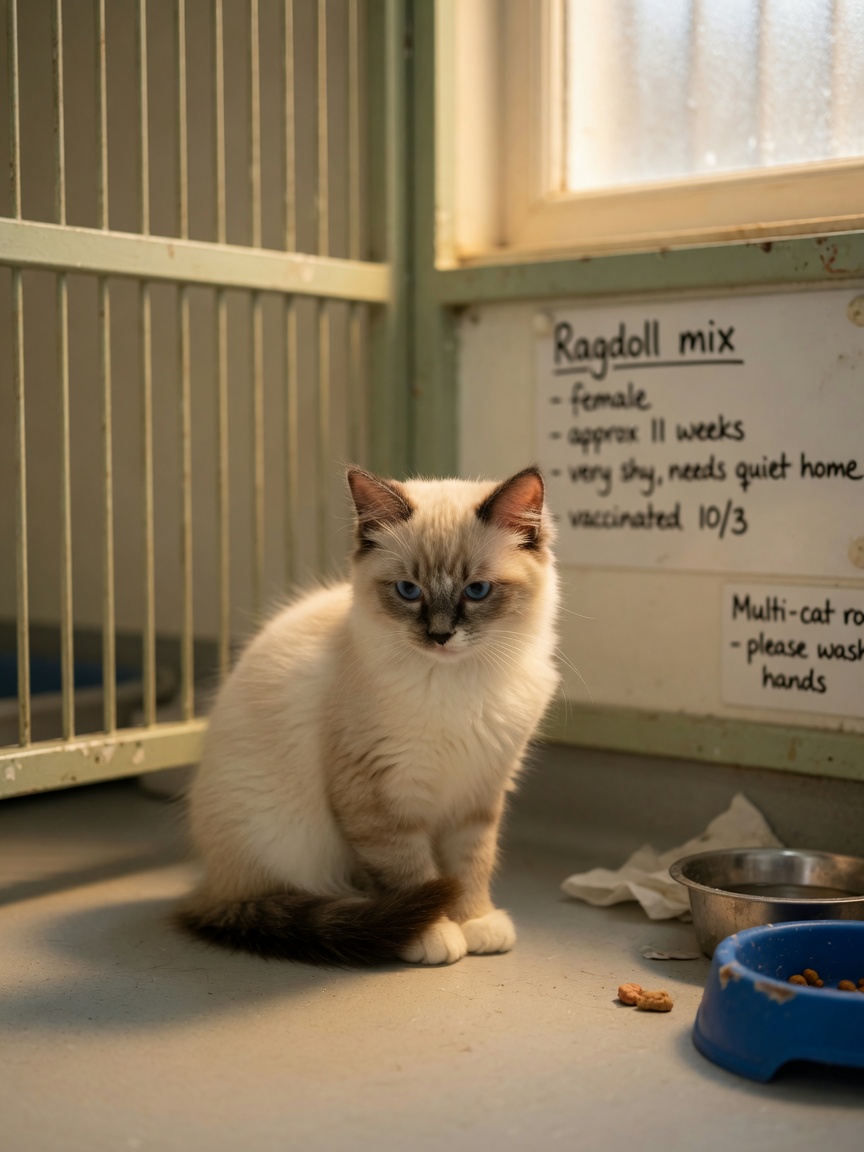
FIP predominantly affects young cats, with the highest incidence in those under two years of age. A second, smaller peak occurs in cats over ten. This distribution suggests that immune system immaturity and immune senescence both increase vulnerability to the mutational event or to disease progression once it occurs.
Environmental and Genetic Factors
High-density living — shelters, large catteries, breeding colonies — elevates risk because it increases viral exposure and reinfection frequency. Certain breeds, including Ragdolls, Birmans, and Bengals, appear to have elevated susceptibility, suggesting a genetic component to resistance. Stress, concurrent illness, and early weaning are also implicated as risk factors.
The Two Forms of FIP
Effusive (Wet) FIP
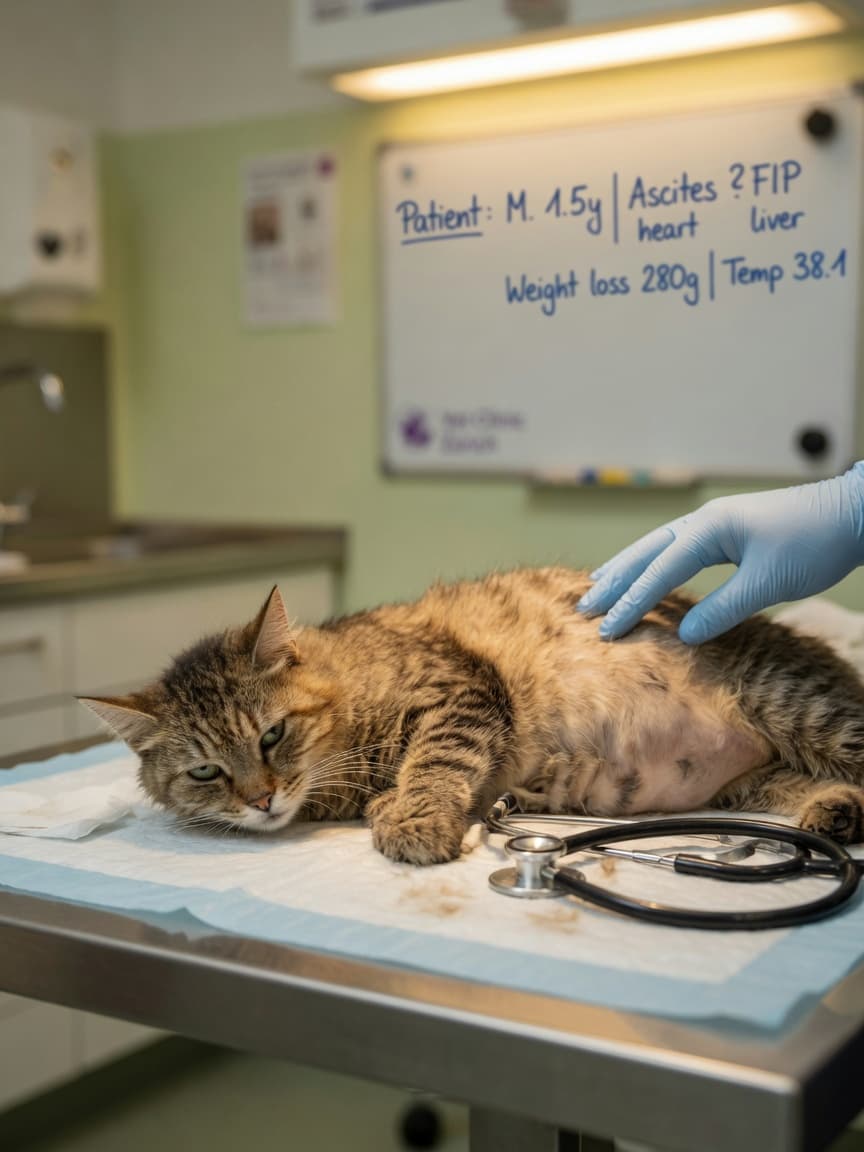
The wet form is characterised by accumulation of a distinctive viscous, straw-coloured fluid in the abdominal or thoracic cavity. Abdominal distension is often striking and develops rapidly. Cats with thoracic effusion struggle to breathe. This form progresses quickly and, without treatment, is fatal within weeks.
Non-Effusive (Dry) FIP
The dry form presents with granulomatous lesions in organs including the kidneys, liver, eyes, and brain. Signs vary accordingly and may include weight loss, fever, neurological symptoms such as seizures or ataxia, and uveitis (inflammation within the eye). This form progresses more slowly but is equally fatal without intervention. Mixed forms, with elements of both, also occur.
Diagnosis: A Complex Picture
FIP is notoriously difficult to confirm without tissue biopsy. No single blood test is definitive. Coronavirus antibody titres measure exposure to coronavirus generally, not the mutant FIP-causing strain, and are therefore unreliable for diagnosis.
Useful diagnostic indicators include the Rivalta test for effusion fluid, an elevated alpha-1 acid glycoprotein, a low albumin-to-globulin ratio, and characteristic changes on blood count and biochemistry. PCR testing of effusion fluid for FIPV has high sensitivity. Immunohistochemistry on biopsy tissue remains the gold standard. In practice, vets often reach a working diagnosis based on the clinical picture, signalment, and combination of supporting tests.
The Treatment Revolution
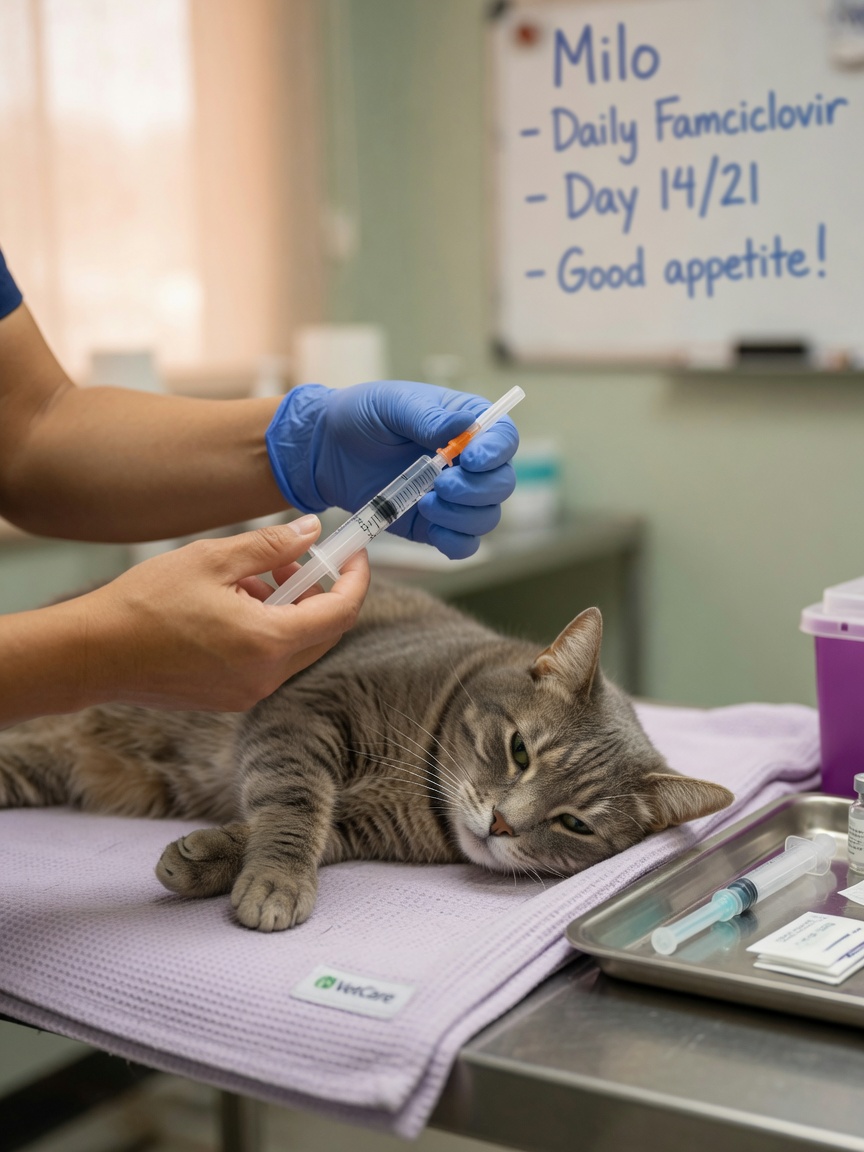
GS-441524, a nucleoside analogue antiviral, and its prodrug remdesivir have transformed FIP from a universally fatal diagnosis into a treatable — and in many cases curable — condition. Studies and clinical experience now report remission rates of 85–90% or higher in cats treated with appropriate antivirals for a full course, typically 84 days or more.
Treatment requires commitment: daily injections or oral administration, regular monitoring, and a full course without interruption. Relapse, particularly neurological relapse, can occur if treatment is curtailed early. The cost of a full treatment course remains significant, though access has improved considerably. Any cat suspected of having FIP should be referred promptly — time from symptom onset to treatment initiation materially affects outcome. Always work with a vet experienced in FIP management; dosing and monitoring protocols require expertise.
Prevention and Living With Coronavirus
There is no reliably effective vaccine against FIPV currently available in all markets. Reducing coronavirus transmission through good hygiene — regular litter tray cleaning, avoiding faecal contamination of food and water, and reducing overcrowding — lowers the viral burden cats are exposed to and may reduce mutation risk.
Separating cats into smaller groups in breeding or rescue environments, minimising stress, and sourcing kittens from low-density environments all form part of a sensible risk-reduction strategy. A cat testing positive for coronavirus antibodies is not a cat with FIP; avoid conflating the two.
Key Points
- Feline coronavirus is common and usually harmless; FIP occurs when it mutates within an individual cat
- Young cats under two years are most commonly affected
- Wet FIP causes dramatic fluid accumulation; dry FIP causes organ and neurological lesions
- Diagnosis requires a combination of tests; no single test is conclusive
- Antiviral treatment with GS-441524 has transformed outcomes — early diagnosis is critical
- Consult a vet with FIP experience promptly if you suspect the disease in your cat