

Dog Shedding: Why It Happens & How to Reduce It
Understanding the Dog Shedding Cycle
Every dog hair goes through four phases: anagen (active growth), catagen (transitional), telogen (resting), and exogen (shedding). The length of each phase varies by breed, age, health status, and environment. Dogs with a continuous growth cycle—like Poodles or Maltese—shed very little because their hairs spend a long time in the anagen phase. Dogs with a shorter growth cycle—German Shepherds, Labradors, Huskies—cycle through quickly, which means constant, heavy shedding.
Photoperiod (day length) is the primary trigger for seasonal shedding. As days lengthen in spring, dogs shed their dense winter undercoat in large quantities. A secondary shed occurs in autumn as the summer coat gives way to the winter coat. Indoor dogs exposed to artificial lighting year-round may shed more consistently rather than in dramatic seasonal bursts.
High-Shedding Breeds
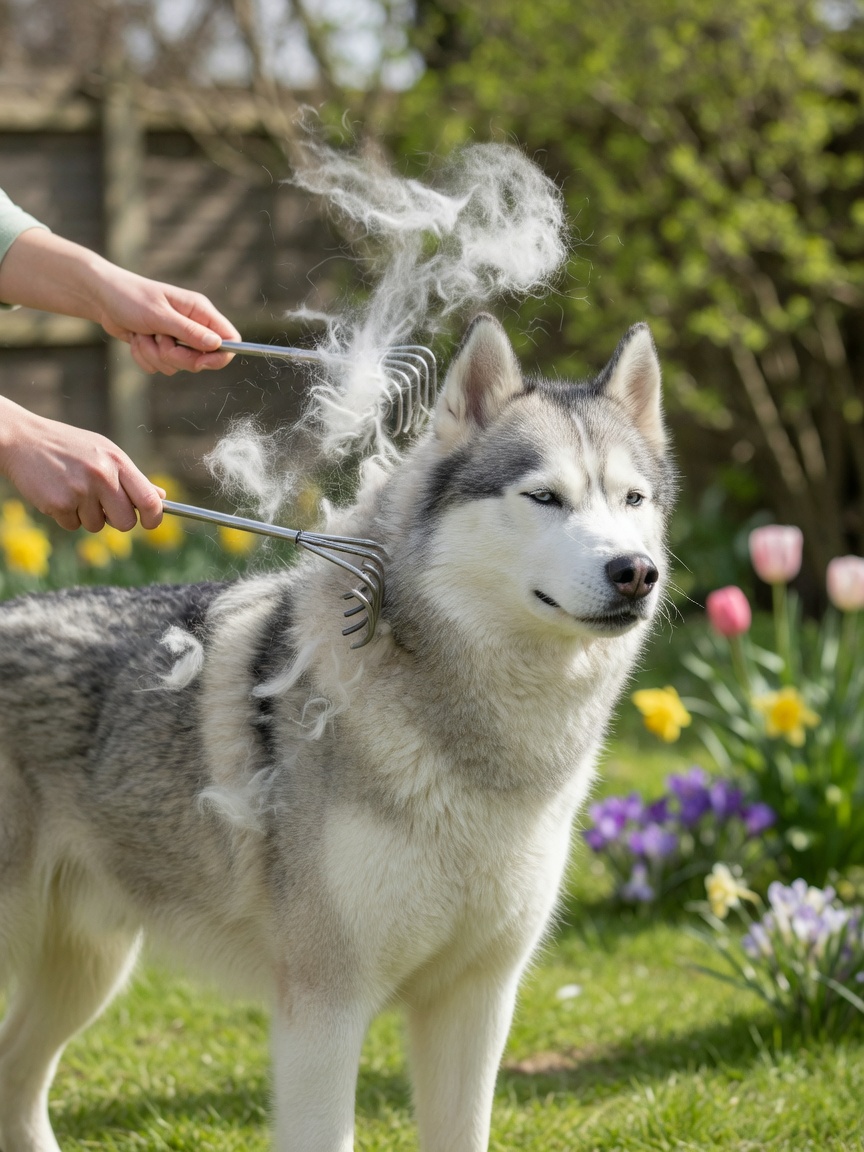
Not all dogs shed equally. Double-coated breeds—those with a dense, insulating undercoat beneath a coarser outer coat—are consistently the heaviest shedders. These include the Siberian Husky, Alaskan Malamute, German Shepherd, Golden Retriever, Labrador Retriever, Bernese Mountain Dog, Chow Chow, and Corgi. Breeds like the Akita and Samoyed are notorious for producing enough fur during a single brushing session to stuff a small pillow.
Single-coated breeds such as the Vizsla, Greyhound, and Boxer shed less volume, though they still shed. Truly low-shedding breeds—Poodle crosses, Bichon Frisé, Portuguese Water Dog—are often labelled "hypoallergenic," though this term refers more to lower dander production than to zero fur loss.
The Role of Nutrition in Shedding
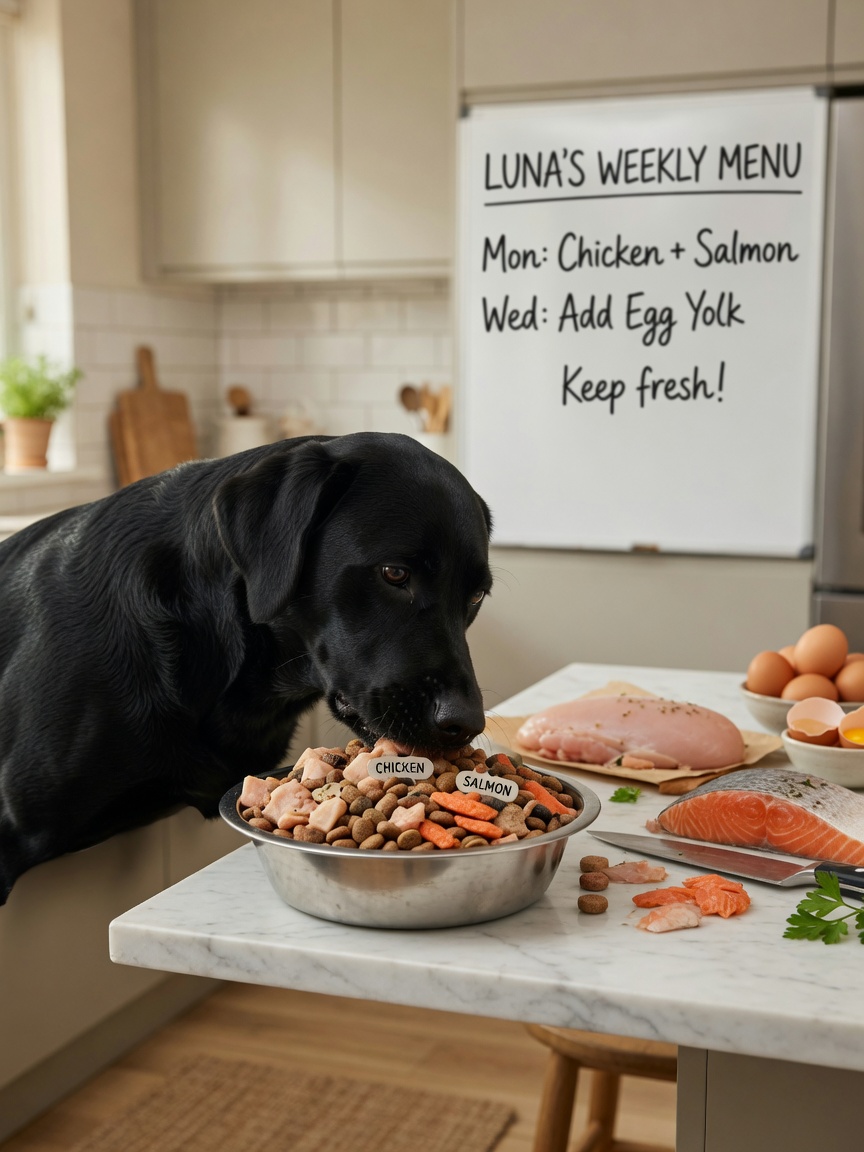
Diet is one of the most controllable factors affecting coat health and shedding volume. A nutritionally deficient diet leads to weak, brittle hair that breaks and falls out prematurely, increasing apparent shedding beyond the natural cycle.
Protein is the building block of hair. Keratin, the structural protein that makes up each hair shaft, requires adequate dietary protein to be synthesised properly. Dogs eating low-quality food with poor protein digestibility often show dull coats and increased shedding. Choose foods where a named meat protein (chicken, salmon, lamb) is listed as the first ingredient.
Omega-3 fatty acids—specifically EPA (eicosapentaenoic acid) and DHA (docosahexaenoic acid)—are the most researched nutrients for coat quality. These long-chain polyunsaturated fats reduce inflammatory cytokines in skin tissue, improve follicle health, and increase the lipid content of the skin barrier. The result is a coat that holds moisture better, sheds less due to breakage, and visibly gleams. Marine-sourced omega-3s (fish oil, krill oil, algae oil) are far more bioavailable in dogs than plant-sourced ALA from flaxseed.
Biotin (Vitamin B7) and zinc are also involved in keratin production and cell turnover in the follicle. A deficiency in either can accelerate shedding and cause a dull, lackluster coat.
Building an Effective Grooming Routine
Grooming is your most direct weapon against household fur accumulation. Regular brushing removes dead and loose hair before it lands on your furniture, and it also distributes natural skin oils along the hair shaft, which strengthens each strand.
Frequency: Double-coated and heavy-shedding breeds benefit from daily brushing during peak shed season, and 3–4 times per week at baseline. Low-shedding breeds may only need weekly grooming.
Bathing: A warm bath followed by thorough blow-drying (with a high-velocity dryer on low heat, or a standard pet dryer) loosens and removes enormous quantities of undercoat. Many groomers offer "deshedding baths" that combine a deshedding shampoo with conditioner and forced-air drying—this is highly effective before a shedding season peak.
Professional grooming: A professional deshedding treatment 2–4 times per year can dramatically reduce at-home shedding, especially for double-coated breeds. The groomer uses specialised tools and high-velocity dryers to extract far more undercoat than home brushing typically achieves.
De-Shedding Tools That Actually Work
The right brush makes a significant difference. For double-coated dogs, an undercoat rake or deshedding tool with stainless steel tines that penetrate the outer coat and comb out the undercoat is far superior to a standard bristle brush. Slicker brushes work well for single-coated breeds and for finishing. A metal wide-tooth comb is useful for checking for tangles after brushing.
Rubber grooming gloves are a practical tool for short-coated breeds—they lift loose hairs through friction as you stroke the coat and are especially good for dogs that resist traditional brushing.
Consistency matters more than the specific tool: a good brush used three times per week beats a premium deshedding tool used once a month.
Other Factors That Influence Shedding
Health conditions such as hypothyroidism, Cushing's disease, and skin infections can increase shedding significantly. Stress, pregnancy, and certain medications can also trigger abnormal hair loss. If your dog's shedding pattern changes suddenly or if you notice bald patches, consult a veterinarian before attributing the change to normal seasonal shedding.
Key Takeaways
- Shedding is driven by photoperiod, breed, and coat type—double-coated breeds shed the most.
- Marine-sourced omega-3 fatty acids (EPA and DHA) are the most evidence-backed nutritional intervention for reducing shedding caused by coat fragility.
- Brush your dog regularly—daily during peak seasons—to remove dead hair before it falls on surfaces.
- A warm bath followed by forced-air drying is the most effective single grooming session for heavy shedders.
- Sudden changes in shedding pattern or bald patches warrant a veterinary check-up.
- The right deshedding tool, used consistently, reduces household fur accumulation significantly.
References
Bauer JE. (2011). Therapeutic use of fish oils in companion animals. Journal of the American Veterinary Medical Association. PubMed
Rees CA, et al. (2001). Effects of dietary flax seed and sunflower seed supplementation on normal canine serum polyunsaturated fatty acids and skin and hair coat condition scores. Veterinary Dermatology. PubMed