ForPetsHealthcare
Dogs

How to Stop Your Dog Pulling on the Lead

By Julia WrenfieldUpdated August 4, 20261 min read
Evidence-based · Sources checked
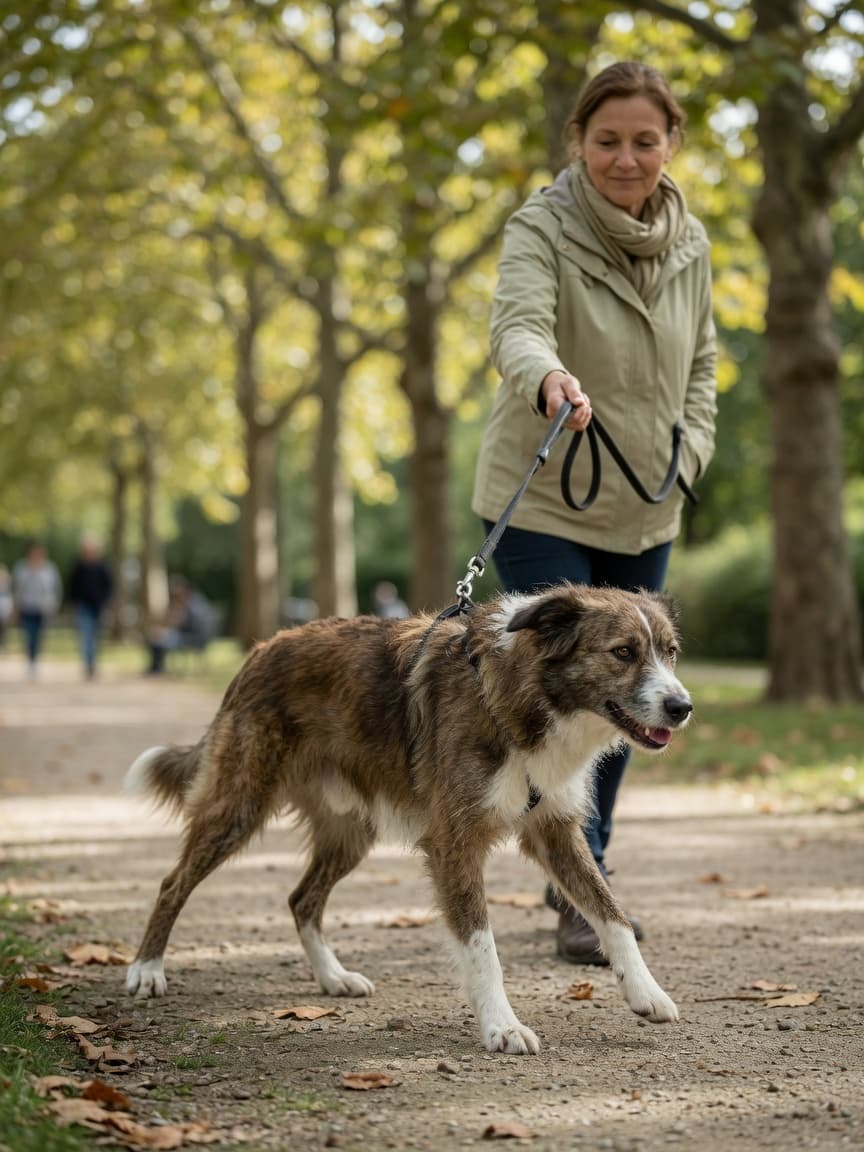
{"en": "Dog on leash walking calmly beside owner during lead training", "es": "Perro con correa caminando tranquilamente junto a su due\u00f1o durante el entrenamiento", "fr": "Chien en laisse marchant calmement \u00e0 c\u00f4t\u00e9 de son propri\u00e9taire lors de l'entra\u00eenement", "de": "Hund an der Leine l\u00e4uft ruhig neben seinem Besitzer w\u00e4hrend des Leinentrainings", "nl": "Hond aan leiband loopt rustig naast eigenaar tijdens lijntraining", "pt": "C\u00e3o na coleira caminhando calmamente ao lado do dono durante treinamento", "it": "Cane al guinzaglio che cammina tranquillamente accanto al proprietario durante l'addestramento"}
Pulling works for dogs - they get where they want. The solution is making pulling ineffective.

Equipment

  • Front-clip harness: redirects pulls back toward you
  • Head halter: control via head direction
  • Avoid: choke chains, prong collars, electric collars

Techniques
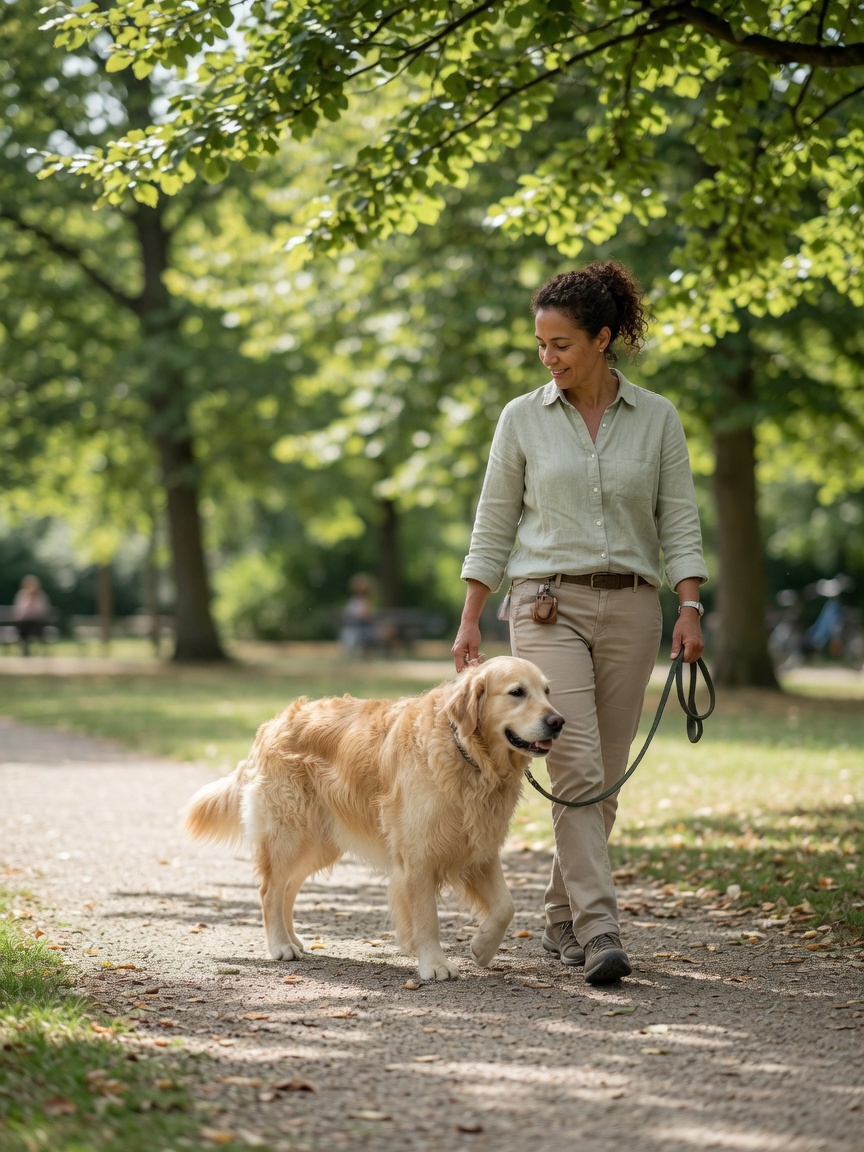
Trainer walking golden retriever with slack leash demonstrating successful loose lead walking technique
  • Stop and wait: the moment lead tightens, stop. Resume when loose.
  • Change direction: turn and walk away when dog pulls
  • Reward loose lead walking with treats and praise

Timeline

Most dogs improve within 2-4 weeks of consistent training.

#dog pulling on leash training tips#dog health#dog nutrition#forpetshealthcare

Sources & further reading

This article is based on peer-reviewed veterinary research and reputable animal-health sources. Explore the underlying science in our Research Library.

Related articles

The 19 Best Animal Shelters in the Netherlands (2026)

the Netherlands's animal shelters, rescue associations and refuges save thousands of dogs, cats and other animals every year, almost always on tiny budgets and volunteer power. To build the most objective ranking possible, we analysed public Google reviews across more than 56 registered animal-prote…

Read more →

The 25 Best Animal Shelters in Italy (2026)

Italy's animal shelters, rescue associations and refuges save thousands of dogs, cats and other animals every year, almost always on tiny budgets and volunteer power. To build the most objective ranking possible, we analysed public Google reviews across more than 121 registered animal-protection org…

Read more →

The 48 Best Animal Shelters in Germany (2026)

Germany's animal shelters, rescue associations and refuges save thousands of dogs, cats and other animals every year, almost always on tiny budgets and volunteer power. To build the most objective ranking possible, we analysed public Google reviews across more than 152 registered animal-protection o…

Read more →

The 32 Best Animal Shelters in France (2026)

France's animal shelters, rescue associations and refuges save thousands of dogs, cats and other animals every year, almost always on tiny budgets and volunteer power. To build the most objective ranking possible, we analysed public Google reviews across more than 89 registered animal-protection org…

Read more →

The 8 Best Animal Shelters in Portugal (2026)

Portugal's animal shelters, rescue associations and municipal centros de recolha save thousands of dogs, cats and other animals every year, almost always on tiny budgets and volunteer power. To build the most objective ranking possible, we analysed public Google reviews across more than 86 registere…

Read more →

Sphynx Cat Skin care and hygiene: Causes, Signs & Care

Sphynx cats have little to no coat, which means the skin itself takes on jobs that fur normally does — insulation, oil dispersal, and barrier protection — leaving it prone to greasiness, blocked pores, fungal infections, and sunburn. The single most important thing to know is that a Sphynx's skin ne…

Read more →
Disclaimer:This article is for informational purposes only and does not constitute veterinary advice. Always consult a qualified veterinarian for your pet's health concerns.

Free newsletter

Pet health tips, straight to your inbox

Weekly science-backed advice for dog & cat owners. No spam, unsubscribe anytime.