ForPetsHealthcare
Dogs

Is Your Cat at Risk for Heartworm Disease?

By Julia WrenfieldUpdated August 4, 20263 min read
Evidence-based · Sources checked
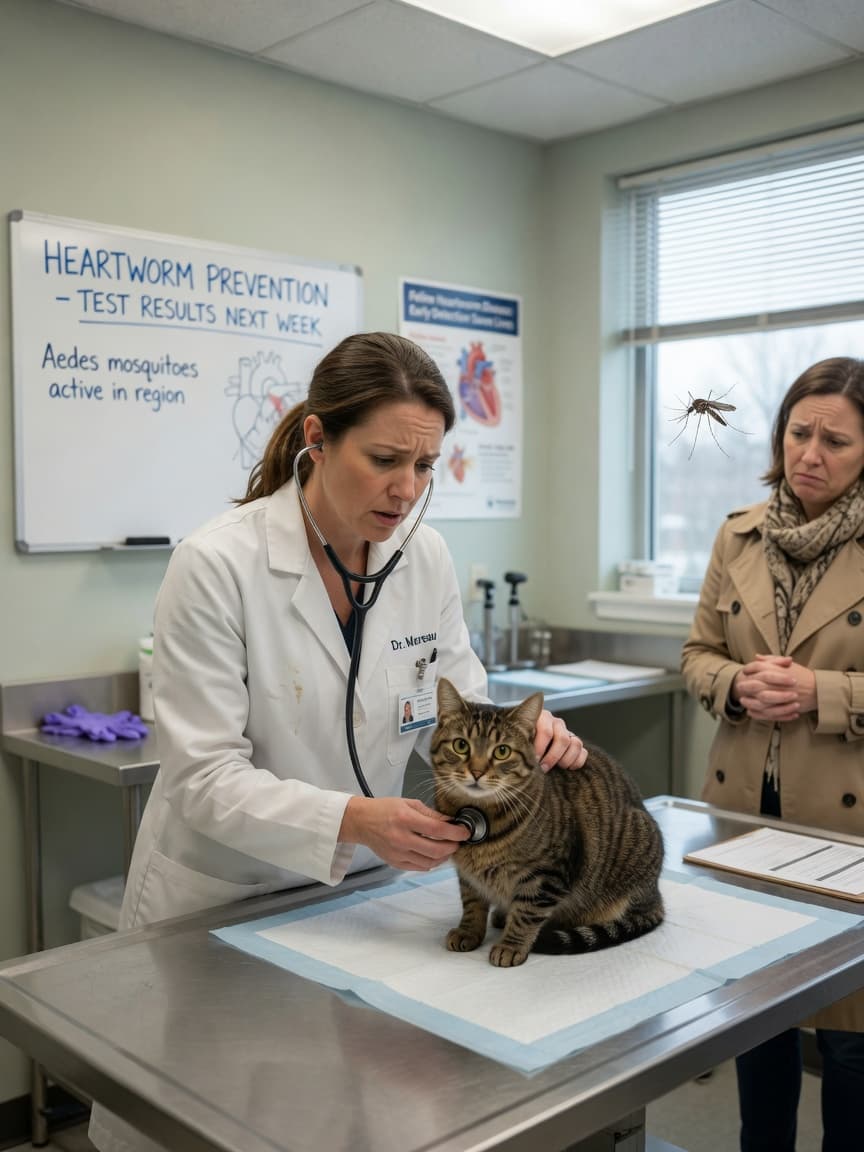
{"en": "Cat receiving veterinary examination for heartworm disease screening and prevention", "es": "Gato recibiendo examen veterinario para detecci\u00f3n y prevenci\u00f3n de enfermedad del gusano del coraz\u00f3n", "fr": "Chat en consultation v\u00e9t\u00e9rinaire pour d\u00e9pistage et pr\u00e9vention de la dirofilariose f\u00e9line", "de": "Katze bei tier\u00e4rztlicher Untersuchung zur Vorsorge und Diagnose von Herzwurmerkrankungen", "nl": "Kat wordt onderzocht door dierenarts voor hartwormenziekte screening en preventie", "pt": "Gato recebendo exame veterin\u00e1rio para rastreamento e preven\u00e7\u00e3o de doen\u00e7a do verme do cora\u00e7\u00e3o", "it": "Gatto sottoposto a visita veterinaria per screening e prevenzione della filariosi cardiaca felina"}

Many cat owners believe their feline companions are safe from heartworm disease, but this common misconception could put your pet's health at serious risk. Whilst heartworm is often associated with dogs, cats are equally vulnerable to this potentially life-threatening parasitic infection. Understanding the risks and taking preventative action could be the difference between a healthy cat and one facing a serious health crisis.

What is Feline Heartworm Disease?

Heartworm disease is caused by a parasitic worm called Dirofilaria immitis, transmitted through mosquito bites. When an infected mosquito bites your cat, it deposits microscopic larvae that mature into adult worms over several months. These worms settle in the heart, lungs, and blood vessels, causing inflammation and potentially fatal complications.

The condition is particularly dangerous in cats because they are naturally resistant hosts. This means the worms often don't develop fully, but the inflammatory response to the parasites can cause severe respiratory and cardiac disease, sometimes with minimal warning signs.

Geographic Risk and Your Location

Heartworm is endemic in many European regions, with higher prevalence in warmer, more humid areas. Cats living in southern Europe, coastal regions, or areas with poor stagnant water drainage face elevated risk. However, rising temperatures mean the disease is spreading northwards, affecting cats in previously low-risk areas.

Indoor cats are not completely protected. If your home has mosquitoes—which is common—your indoor cat remains at risk, particularly during warmer months when mosquito activity peaks.

Signs Your Cat Might Have Heartworm

Lethargic tabby cat resting on cushion showing signs of illness with concerned owner nearby

Detecting heartworm in cats is challenging because symptoms often develop slowly and can mimic other conditions:

  • Persistent coughing or laboured breathing
  • Lethargy and decreased activity
  • Loss of appetite and weight loss
  • Vomiting
  • Difficulty exercising or playing
  • Open-mouth breathing or gasping
  • Sudden collapse or death (in severe cases)

Unfortunately, some cats show no symptoms until the disease is advanced. Regular veterinary check-ups are essential for early detection.

Diagnosis and Testing

Your veterinary surgeon can conduct heartworm testing through blood tests, though diagnosis in cats is more complex than in dogs. Tests may include antigen detection and antibody screening. Your vet may also recommend chest X-rays or ultrasounds to assess heart and lung damage.

If you live in a heartworm-endemic area, discuss regular screening with your veterinary practice, even if your cat shows no symptoms.

Prevention Strategies

Homeowner eliminating standing water for mosquito control while tabby cat watches from indoors

Prevention is far more effective than treating established infection. Several options are available:

  1. Monthly preventative medications – Your vet can prescribe heartworm preventatives suitable for cats, typically administered monthly during mosquito season or year-round in high-risk areas
  2. Mosquito control – Eliminate standing water around your home where mosquitoes breed; use screens on windows and doors; consider outdoor mosquito treatments if appropriate
  3. Indoor management – Keep cats indoors, particularly during peak mosquito hours (dawn and dusk)
  4. Regular veterinary visits – Annual check-ups allow early detection of any parasitic exposure

Key Takeaways

Heartworm disease poses a genuine threat to cats throughout many European regions. Whilst cats are less commonly affected than dogs, when they do contract the disease, outcomes can be serious. The good news is that prevention is straightforward and highly effective.

Speak with your veterinary surgeon about your cat's individual risk factors based on your location and lifestyle. Together, you can develop a preventative strategy tailored to your pet's needs, ensuring your feline friend remains protected from this preventable disease.

#is your cat at risk for heartworm disease#cat health#feline nutrition#forpetshealthcare

Sources & further reading

This article is based on peer-reviewed veterinary research and reputable animal-health sources. Explore the underlying science in our Research Library.

Related articles

The 19 Best Animal Shelters in the Netherlands (2026)

the Netherlands's animal shelters, rescue associations and refuges save thousands of dogs, cats and other animals every year, almost always on tiny budgets and volunteer power. To build the most objective ranking possible, we analysed public Google reviews across more than 56 registered animal-prote…

Read more →

The 25 Best Animal Shelters in Italy (2026)

Italy's animal shelters, rescue associations and refuges save thousands of dogs, cats and other animals every year, almost always on tiny budgets and volunteer power. To build the most objective ranking possible, we analysed public Google reviews across more than 121 registered animal-protection org…

Read more →

The 48 Best Animal Shelters in Germany (2026)

Germany's animal shelters, rescue associations and refuges save thousands of dogs, cats and other animals every year, almost always on tiny budgets and volunteer power. To build the most objective ranking possible, we analysed public Google reviews across more than 152 registered animal-protection o…

Read more →

The 32 Best Animal Shelters in France (2026)

France's animal shelters, rescue associations and refuges save thousands of dogs, cats and other animals every year, almost always on tiny budgets and volunteer power. To build the most objective ranking possible, we analysed public Google reviews across more than 89 registered animal-protection org…

Read more →

The 8 Best Animal Shelters in Portugal (2026)

Portugal's animal shelters, rescue associations and municipal centros de recolha save thousands of dogs, cats and other animals every year, almost always on tiny budgets and volunteer power. To build the most objective ranking possible, we analysed public Google reviews across more than 86 registere…

Read more →

Sphynx Cat Skin care and hygiene: Causes, Signs & Care

Sphynx cats have little to no coat, which means the skin itself takes on jobs that fur normally does — insulation, oil dispersal, and barrier protection — leaving it prone to greasiness, blocked pores, fungal infections, and sunburn. The single most important thing to know is that a Sphynx's skin ne…

Read more →
Disclaimer:This article is for informational purposes only and does not constitute veterinary advice. Always consult a qualified veterinarian for your pet's health concerns.

Free newsletter

Pet health tips, straight to your inbox

Weekly science-backed advice for dog & cat owners. No spam, unsubscribe anytime.