
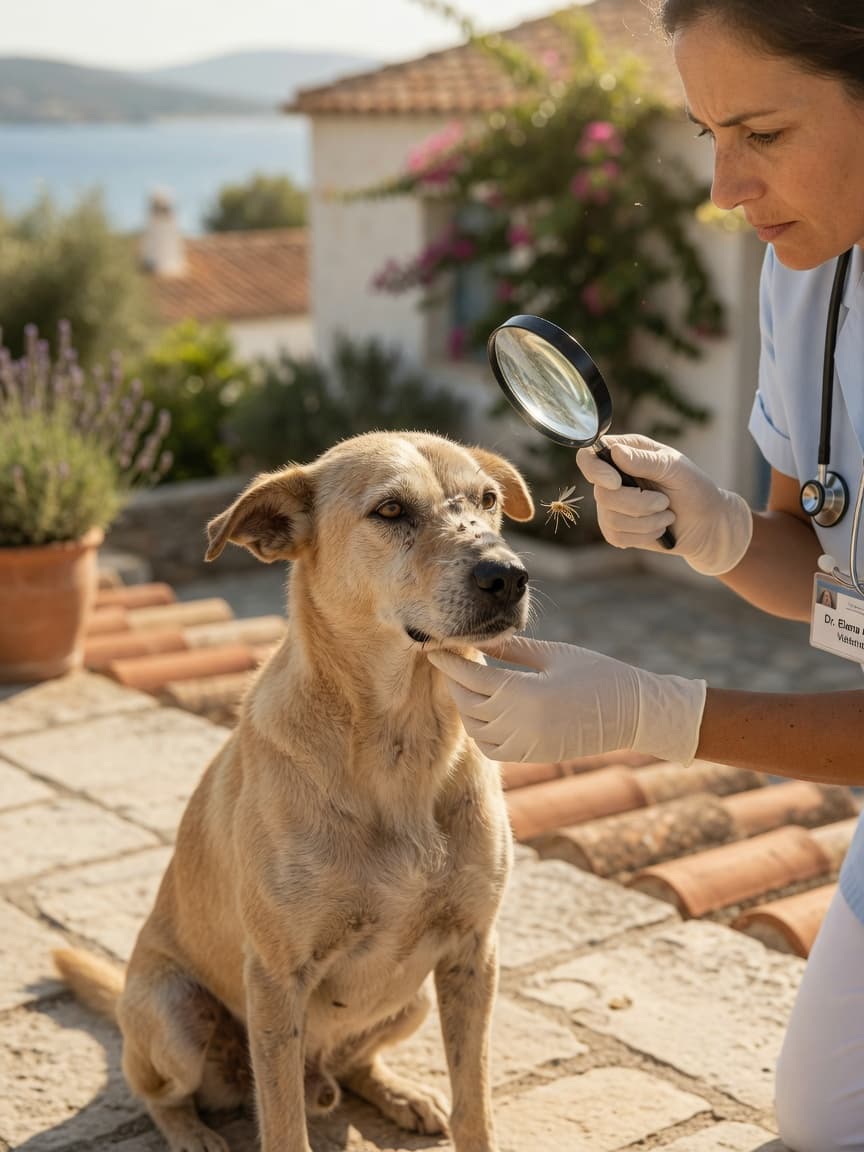
What Is Canine Leishmaniasis?
Canine leishmaniasis (CanL) is a serious and potentially life-threatening parasitic disease caused by the protozoan parasite Leishmania infantum. It is transmitted to dogs through the bite of infected female sandflies, primarily of the genus Phlebotomus. Once considered a disease confined to the Mediterranean basin, leishmaniasis is now spreading northward across Europe as climate change allows sandfly populations to colonise new areas.
Unlike some parasitic diseases that cause temporary illness, leishmaniasis can be a chronic, progressive condition. Without proper management, it can lead to severe organ damage and death. Early detection and treatment are essential for a good long-term outcome.
Where in Europe Is Leishmaniasis Endemic?
The disease is firmly established throughout southern Europe. Countries with the highest prevalence include Spain, Portugal, Italy, Greece, and southern France. The Iberian Peninsula and southern Italy are considered the highest-risk zones. However, cases have been documented progressively further north — including in Switzerland, Germany, and even some parts of central France — as warming temperatures expand the sandfly's geographic range.
Dogs travelling to southern Europe from non-endemic northern regions are at particular risk, as they have no prior exposure or immunity. If you are holidaying in Spain, Italy, Greece, or Portugal with your dog, leishmaniasis prevention should be part of your preparation.
How Is It Transmitted?
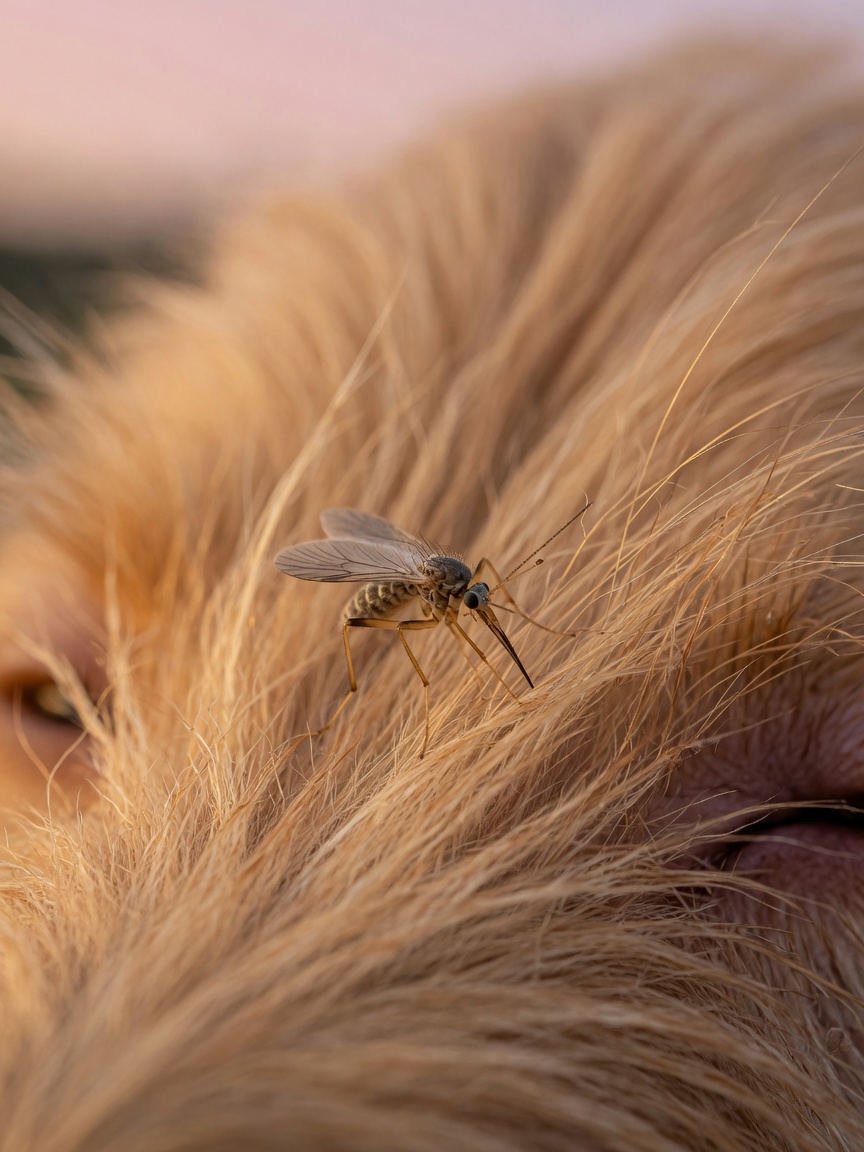
Sandflies are small, biting insects active mainly at dawn and dusk, particularly during the warmer months (April to October in most of Europe, year-round in some southern regions). They breed in sheltered, humid environments — cracks in walls, leaf litter, animal burrows. When a sandfly bites an infected dog, it ingests the parasite, which then develops within the fly and can be transmitted to the next animal it bites.
Dogs cannot transmit the disease directly to one another through casual contact, though direct transmission through blood transfusion or dog bites has been documented rarely. Humans can also be infected by sandflies, making it a zoonotic disease of public health concern.
Recognising the Symptoms
The incubation period can range from months to several years, meaning a dog infected during a summer holiday may not show signs until the following year. The clinical picture varies enormously depending on the dog's immune response.
- Skin changes: scaling, hair loss (especially around the eyes and muzzle), skin ulcers, nodules, or abnormal nail growth
- Weight loss despite normal or increased appetite
- Swollen lymph nodes (lymphadenopathy)
- Lethargy and reduced exercise tolerance
- Nose bleeds or abnormal bleeding
- Eye problems including conjunctivitis and uveitis
- Kidney disease — protein loss in the urine, leading to renal failure in advanced cases
- Muscle wasting
The skin signs are often the first thing owners notice, but the systemic effects — particularly renal damage — are the most serious long-term concern.
LeishVet Staging and Diagnosis
European veterinary specialists have developed the LeishVet staging system to classify disease severity and guide treatment decisions. Dogs are placed into four stages (I to IV) based on clinical signs, laboratory findings (including kidney function markers), and antibody levels. This staging system is widely used by vets across the EU and helps predict prognosis.
Diagnosis involves a combination of approaches:
- Serology (antibody testing) — the most common initial test; high antibody levels strongly suggest active infection
- PCR testing — detects parasite DNA from blood, bone marrow, or lymph node samples; highly sensitive
- Cytology — microscopic examination of lymph node or bone marrow aspirates to visualise the parasite
- Blood and urine analysis — to assess kidney function, protein levels, and overall organ health
Your vet may recommend a combination of these tests for a definitive diagnosis and to establish the disease stage.
Treatment Options
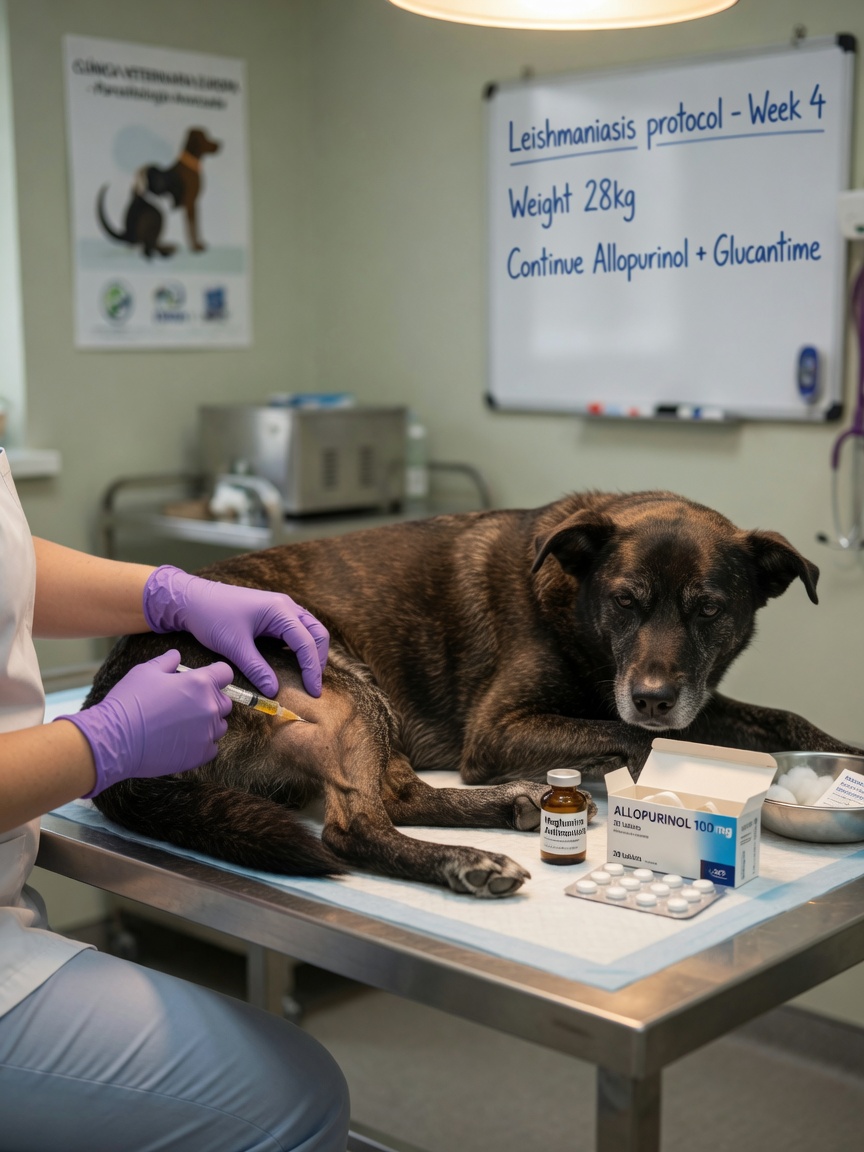
Leishmaniasis cannot be permanently cured in most cases, but it can be successfully managed with lifelong treatment and monitoring. The standard treatment protocol in Europe involves:
- Meglumine antimoniate (Glucantime) — injectable antiparasitic drug given for 28 days; reduces parasite burden
- Allopurinol — oral medication that inhibits parasite reproduction; typically continued long-term, sometimes for life
- Miltefosine — an alternative oral option used in some EU countries
Treatment protocols are adapted based on LeishVet stage and individual patient response. Regular monitoring every 3 to 6 months is essential to assess kidney function and adjust treatment. Dogs diagnosed at early stages generally have a much better prognosis than those presenting with advanced renal disease.
Prevention: Protecting Your Dog
Prevention is far preferable to treatment, particularly for dogs living in or travelling to endemic areas. A multi-layered approach is most effective:
- Insect repellents: Spot-on products and collars containing permethrin or deltamethrin repel and kill sandflies. The Scalibor collar (deltamethrin) is widely recommended by European vets for dogs in endemic zones and is available from Zooplus and other pet retailers
- Vaccination: The CaniLeish vaccine is licensed in the EU and provides partial protection; it is recommended for seronegative (uninfected) dogs in endemic areas
- Avoid peak sandfly activity: Keep dogs indoors at dawn and dusk, particularly in summer
- Physical barriers: Fine-mesh screens on windows and kennels can reduce sandfly access
- Pre-travel screening: Test your dog before travel to endemic regions if they are not already on preventative treatment
For dogs travelling from non-endemic northern Europe to southern Europe, starting a repellent collar at least one week before departure is strongly advised. Speak to your vet well in advance of any trip to high-risk regions.
A Note on Climate Change and Future Risk
The northward expansion of leishmaniasis is one of the clearest examples of climate change affecting companion animal health in Europe. Warmer winters are allowing sandfly populations to survive at higher altitudes and latitudes. European veterinary organisations are closely monitoring this spread and updating guidance accordingly. Even if you live in a currently non-endemic area, the risk landscape may change over the coming years — making awareness and preventive measures increasingly relevant for all EU dog owners.