
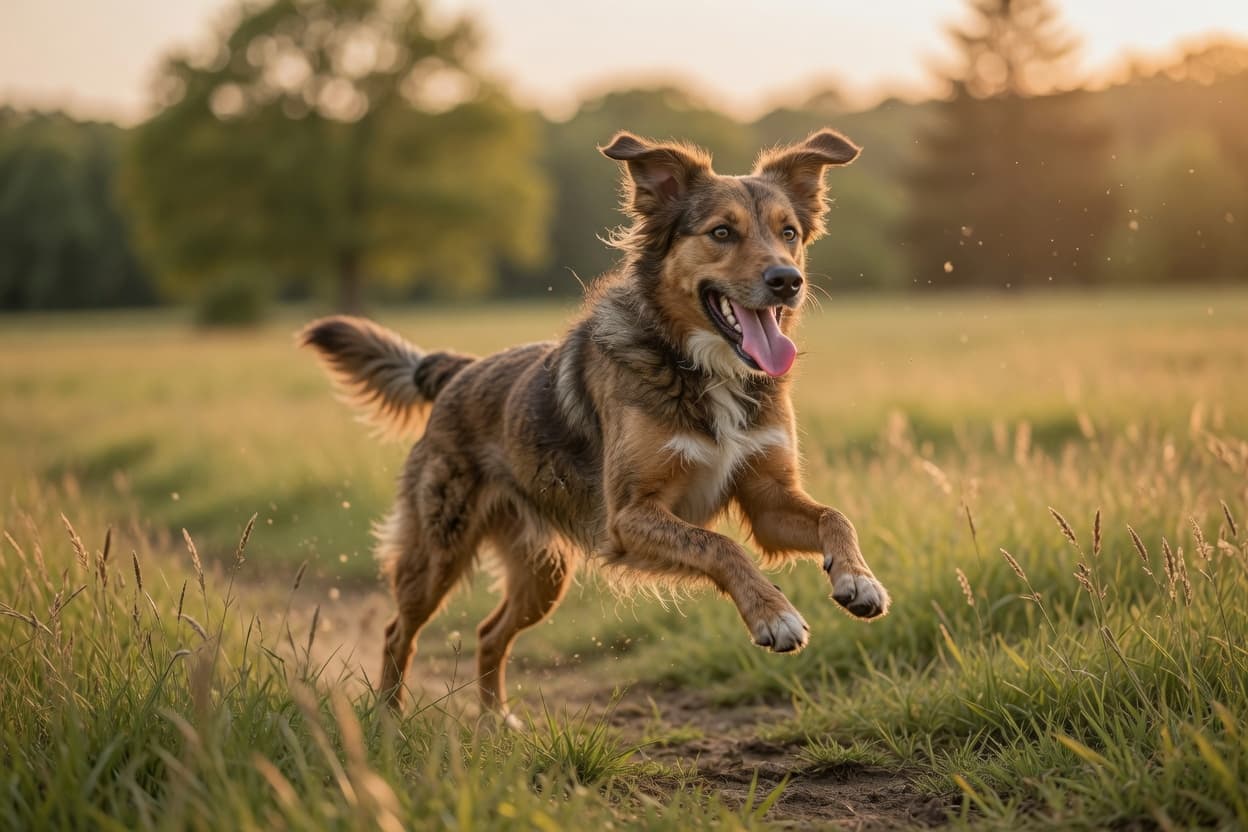
How Many Walks a Day Does a Dog Need? Experts Answer
If you're a dog owner, you've probably wondered whether you're giving your furry friend enough exercise. The truth is, there's no one-size-fits-all answer. Your dog's walking requirements depend on several factors, from breed and age to health status and energy levels. In this guide, I'll help you determine the ideal walking routine for your individual dog, backed by veterinary expertise and canine behavioural science.
The General Guidelines for Daily Walks
Most veterinarians recommend that adult dogs receive at least 30 minutes to 2 hours of exercise daily, split across multiple walks. However, this varies considerably. A general framework to follow:
- Small breeds (under 15kg): 30-45 minutes total daily activity
- Medium breeds (15-25kg): 1-1.5 hours daily
- Large breeds (25-40kg): 1.5-2 hours daily
- Giant breeds (over 40kg): 1-1.5 hours daily (less than expected, due to joint stress)
For most dogs, two walks daily is ideal—one in the morning and one in the evening. This routine maintains consistent energy levels, supports house training, and provides mental stimulation throughout the day.
Breed-Specific Exercise Needs
Different breeds have vastly different energy requirements. Working and sporting breeds like Border Collies, Springer Spaniels, and Huskies need significantly more exercise—often 2+ hours daily—because they were selectively bred for demanding tasks. Without adequate stimulation, these breeds frequently develop behavioural problems including destructive behaviour and excessive barking.
Conversely, toy breeds like Cavalier King Charles Spaniels and Pugs are satisfied with shorter walks of 20-30 minutes daily. Brachycephalic breeds (flat-faced dogs) should have even shorter, gentler walks to prevent overheating and respiratory distress, particularly in warm weather.
Age Matters: Puppies, Adults, and Seniors
Exercise requirements change throughout your dog's life:
- Puppies (under 1 year): Short, frequent walks (5 minutes per month of age, twice daily) to avoid joint damage during growth periods
- Adult dogs (1-7 years): Peak exercise capacity; can handle consistent, vigorous activity
- Senior dogs (7+ years): Shorter, gentler walks (20-40 minutes) maintaining mobility without overexertion
Senior dogs particularly benefit from regular but low-impact walking, as it helps prevent joint stiffness and maintains muscle mass.
Health Conditions and Special Considerations
Dogs with certain health conditions require modified exercise routines:
- Dogs with arthritis or hip dysplasia benefit from multiple short walks rather than one long outing
- Overweight dogs should gradually increase activity whilst monitoring for excessive panting
- Dogs recovering from surgery need restricted activity as directed by your veterinarian
- Dogs with heart conditions may need tailored exercise plans
Always consult your vet before significantly increasing your dog's exercise, particularly if they have health concerns.
Beyond Just Physical Exercise
Walking isn't purely about covering distance. Mental stimulation is equally important. Varied walking routes, sniff breaks, and interactive play engage your dog's brain and provide enrichment that lengthy walks alone cannot. Consider incorporating training sessions, puzzle toys, or games during or between walks.
Key Takeaways
Most adult dogs need at least two walks daily, totalling 1-2 hours of activity, though individual requirements vary. Consider your dog's breed, age, size, and health status when planning their exercise routine. Start with this baseline and observe your dog's behaviour—if they're restless or destructive, they likely need more activity. If they seem exhausted or lethargic, reduce intensity. Regular walks benefit both physical and mental health, reduce behavioural problems, and strengthen your bond. When in doubt, consult your veterinarian to develop an exercise plan tailored to your individual dog's needs.
Key takeaways
- Adult dogs typically need 30 minutes to 2 hours of daily exercise split across multiple walks, with two walks per day being ideal for most
- Breed matters enormously: high-energy working breeds like Border Collies need 2+ hours daily, whilst toy breeds need only 20-30 minutes
- Puppies need short, frequent walks (5 minutes per month of age, twice daily) to protect developing joints; seniors benefit from shorter, low-impact walks
- Dogs with health conditions like arthritis need multiple short walks rather than one long outing, and mental stimulation through varied routes and sniff breaks is just as important as distance covered
Frequently asked questions
Is one walk a day enough for my dog?
For most adult dogs, one walk daily is insufficient. Two walks are ideal for maintaining consistent energy levels, supporting house training, and providing mental stimulation throughout the day. High-energy breeds may need additional activity beyond this.
How do I know if my dog is getting enough exercise?
Observe your dog's behaviour: if they're restless or destructive, they likely need more activity. If they seem exhausted or lethargic, reduce the intensity. A properly exercised dog should be calm and content at home.
Can I exercise my puppy as much as an adult dog?
No—puppies have developing joints and should only have short, frequent walks following the guideline of 5 minutes per month of age, twice daily. Excessive exercise in puppies can cause joint damage during growth periods.
What if my dog has arthritis or a health condition?
Dogs with arthritis or hip dysplasia benefit from multiple short walks rather than one long outing. Always consult your veterinarian before significantly increasing exercise, especially for dogs with health concerns, as they can recommend a tailored exercise plan.