

Recognising Constipation in Your Dog
Constipation — the infrequent, difficult, or incomplete passage of faeces — is less common in dogs than diarrhoea, but it causes significant discomfort and can progress to a serious medical problem if left unaddressed. A healthy adult dog typically defecates once or twice daily, though individual variation is normal. When a dog goes 24 hours without passing stool, strains without producing anything, or produces hard, dry, pebble-like stools, constipation is the likely cause.
It is important to distinguish genuine constipation from tenesmus — the act of straining to pass stool when the colon is actually empty. Tenesmus is associated with colitis and can look identical to constipation from the outside. If your dog appears to be straining but producing only small amounts of mucus or blood rather than formed stool, this distinction is worth raising with your vet.
What Causes Constipation in Dogs
Constipation develops when stool moves too slowly through the large intestine, allowing excess water to be reabsorbed. The result is hard, dry faecal matter that is difficult to pass. Multiple factors can slow intestinal transit.
Dietary Factors
- Insufficient dietary fibre, particularly in dogs fed a meat-only or raw diet without appropriate plant matter
- Ingestion of bone, which can create a chalky, very dry stool that is difficult to pass
- Eating hair, grass, or other indigestible material that impairs gut motility
- Dehydration reducing the water content of faecal matter
Lifestyle and Environmental Factors
- Insufficient exercise, which normally stimulates intestinal motility
- Reluctance to defecate due to pain from anal gland problems, perineal hernia, or orthopedic issues making squatting uncomfortable
- Stress or changes in routine disrupting normal bowel habits
- Lack of opportunity to defecate at appropriate intervals
Medical Causes
- Enlarged prostate gland in entire male dogs, which presses on the colon
- Pelvic abnormalities following trauma or fracture
- Hypothyroidism, which slows overall metabolic rate including gut motility
- Neurological conditions affecting the nerves supplying the colon
- Certain medications including opioid painkillers, antihistamines, and diuretics
- Obstipation — severe, recurrent constipation leading to a colon packed with immovable faecal matter, requiring veterinary intervention
Safe Home Remedies for Mild Constipation
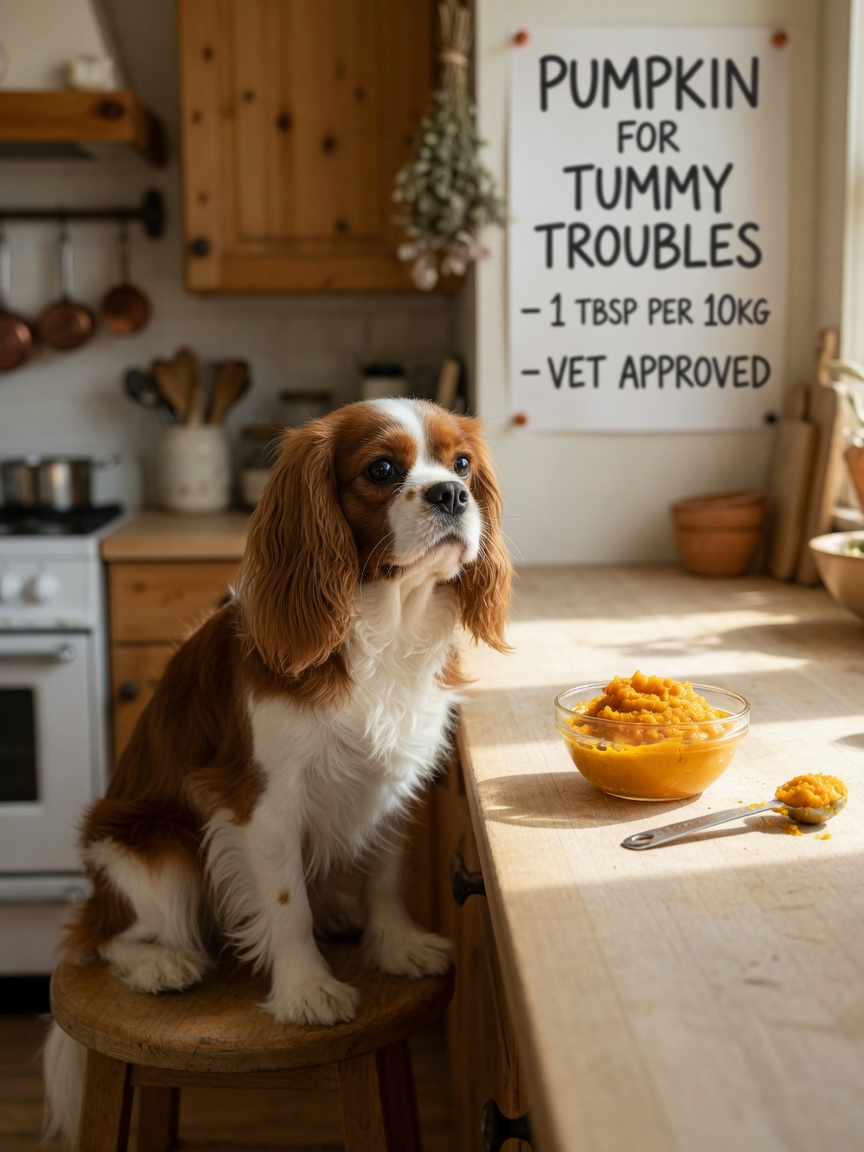
For a dog who has missed one or two bowel movements but is otherwise well, alert, and showing no signs of discomfort or straining, several safe home approaches can encourage bowel movement before veterinary intervention becomes necessary.
Increase Water Intake
Dehydration is a primary driver of constipation. Encourage increased fluid intake by offering additional fresh water bowls, switching from dry kibble to wet food temporarily, or adding warm low-sodium broth to meals. Some dogs drink more readily from a pet fountain than a static bowl.
Canned Pumpkin
Plain canned pumpkin (not sweetened pie filling) is a reliable and safe first-line home remedy. It is high in soluble fibre, which draws water into the colon and softens the stool. For small dogs, one to two tablespoons mixed into food is appropriate; medium dogs can have two to three tablespoons; large breeds up to four tablespoons. Results are typically seen within 24 hours.
Dietary Fibre Additions
Psyllium husk is a soluble fibre supplement used in human constipation management that is also safe and effective in dogs. Half a teaspoon per ten kilograms of body weight mixed with plenty of water and added to food can help. It is critical to increase water intake alongside any fibre supplementation, as insufficient fluid can actually worsen constipation.
Exercise
Physical activity stimulates peristalsis — the wave-like muscular contractions that move content through the digestive tract. If your dog has been less active than usual, an extra walk or an extended play session is a simple and beneficial intervention that costs nothing.
Olive Oil
A small amount of olive oil added to food can act as a mild lubricant laxative. One teaspoon for small dogs and up to one tablespoon for larger breeds, added once to a meal, can ease the passage of hard stool. This should be a one-off measure rather than a regular addition, as excessive dietary fat can trigger pancreatitis in susceptible dogs.
What Not to Do
Several home remedies commonly suggested online are either unsafe or ineffective for dogs. Do not administer human laxatives — lactulose, bisacodyl, or senna preparations — without veterinary guidance, as dosing errors can cause electrolyte imbalances or diarrhoea. Mineral oil should not be added to food as there is a risk of aspiration into the lungs if the dog inhales during eating. Enemas should never be administered at home; some human enema preparations contain sodium phosphate, which is toxic to dogs and can be rapidly fatal.
When to Seek Veterinary Help
Constipation that does not resolve within 48 hours of home measures, or constipation accompanied by any of the following, requires professional attention:
- Vomiting alongside the inability to pass stool
- Visible pain or distress when attempting to defecate
- Blood in the stool or around the anus
- Abdominal bloating or sensitivity to touch
- Lethargy or loss of appetite
- History of swallowing a foreign object
Obstipation — the severe, refractory form of constipation where the colon becomes impacted — requires veterinary management including manual disimpaction under sedation, enemas administered in a clinical setting, and sometimes surgery in extreme cases.
Long-Term Prevention
Once an episode has resolved, preventing recurrence centres on consistent hydration, appropriate dietary fibre, and regular exercise. Dogs fed exclusively dry kibble are at higher risk of constipation than those who receive some wet food or have fresh water available at all times. If your dog has recurrent constipation, adding a fibre source such as cooked vegetables, plain bran, or psyllium to their regular diet can support more consistent gut transit. Regular veterinary check-ups also catch underlying conditions such as enlarged prostate or hypothyroidism before they lead to chronic constipation.