
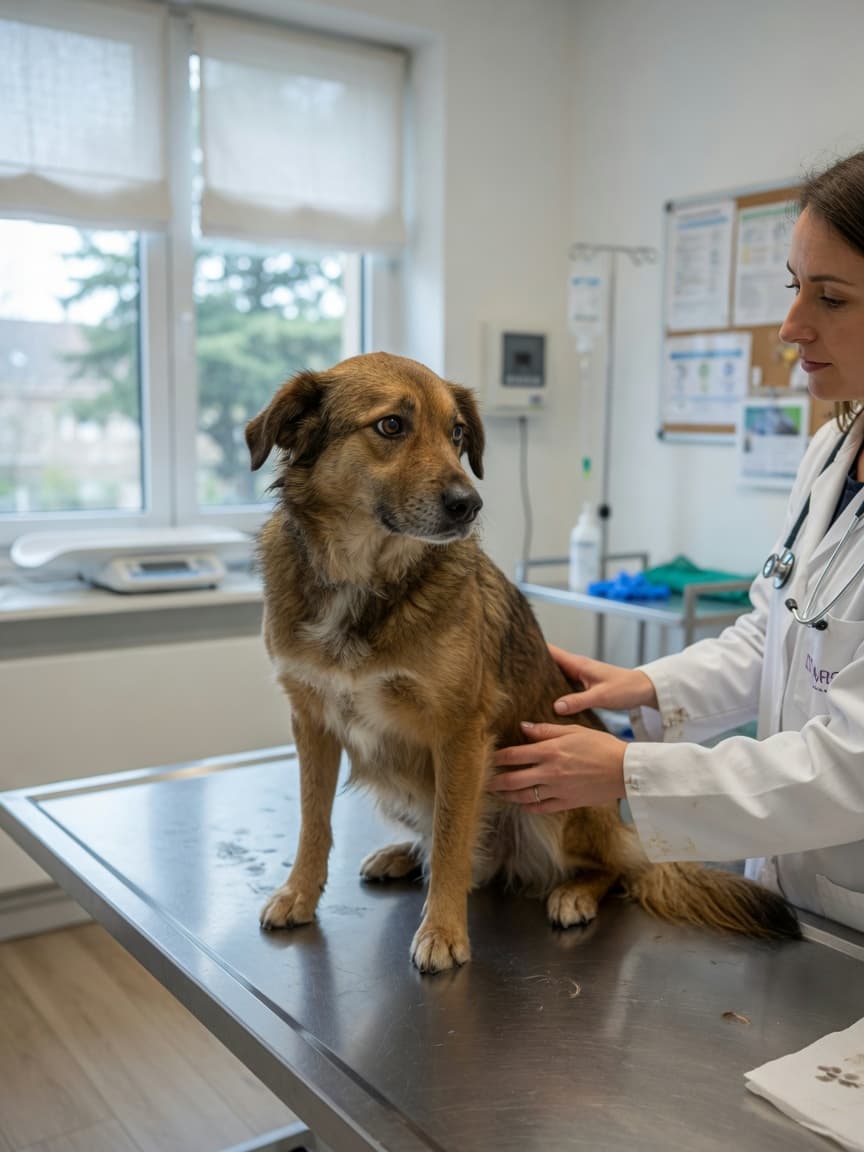
Canine herpesvirus (CHV) is a viral infection that affects dogs worldwide, yet many pet owners have never heard of it. Unlike some dog illnesses that grab headlines, CHV works quietly in the background, particularly devastating to puppies and pregnant females. Understanding this virus is essential for protecting your beloved companion and preventing transmission to other dogs. This guide, informed by veterinary standards, will help you recognise, prevent, and manage canine herpesvirus effectively.
What Is Canine Herpesvirus?
Canine herpesvirus is a highly contagious viral pathogen that primarily affects the respiratory system, eyes, and reproductive organs in dogs. The virus is species-specific, meaning it only affects dogs and some wild canids—it cannot infect humans or cats. Once a dog is infected, the virus remains dormant in nerve tissue for life, similar to herpes simplex in humans, though reactivation is less common.
The virus spreads through nasal secretions, saliva, urine, and sexual contact. Pregnant females can transmit the infection to unborn puppies, leading to serious complications. Infected dogs may shed the virus intermittently, even without showing symptoms, making transmission control challenging.
Symptoms and Clinical Signs
Clinical presentation varies depending on the dog's age and immune status. Adult dogs often show mild or no symptoms, whilst puppies and immunocompromised dogs suffer more severe consequences.
- In adult dogs: Respiratory symptoms including cough, nasal discharge, and eye inflammation (conjunctivitis). Some infected dogs remain asymptomatic carriers.
- In puppies: Severe systemic disease including haemorrhagic diarrhoea, abdominal pain, respiratory distress, and potentially fatal encephalitis
- In pregnant females: Abortion, stillbirth, or delivery of weak puppies
- Ocular involvement: Corneal ulcers and vision impairment in severe cases
- Neurological signs: Tremors, seizures, or lack of coordination in affected puppies
Diagnosis and Veterinary Care
Your veterinary surgeon can diagnose canine herpesvirus through several methods. Viral isolation from nasal or ocular swabs remains the gold standard, though polymerase chain reaction (PCR) testing offers faster results. Blood tests may reveal antibodies indicating previous or current infection.
There is no cure for canine herpesvirus. Treatment focuses on supportive care: maintaining hydration, managing secondary bacterial infections, and providing nutritional support. Puppies require intensive care including heat support, as the virus is temperature-sensitive and replicates poorly in warmer conditions.
Prevention Strategies
Preventing canine herpesvirus requires a multi-faceted approach:
- Screen breeding dogs: Test breeding stock before mating to identify carriers
- Isolate infected dogs: Keep affected animals separate from other dogs for at least two weeks after symptom onset
- Maintain hygiene: Disinfect food bowls, bedding, and shared surfaces with appropriate disinfectants
- Monitor pregnant females: Pregnant dogs showing respiratory symptoms require immediate veterinary attention
- Avoid stress: Minimise environmental stressors, as these can trigger viral reactivation in carriers
- Limit exposure: Avoid kennels, dog parks, and social gatherings during outbreaks
Living With an Infected Dog
If your dog has canine herpesvirus, management focuses on maintaining quality of life whilst preventing spread. Keep your dog in a dedicated space away from other dogs. Wash your hands after handling your infected pet before touching other animals. Watch for stress triggers—illness, extreme temperatures, and anxiety can reactivate dormant virus.
Work closely with your veterinary surgeon to monitor for complications. Most adult dogs recover well, though they become lifelong carriers capable of intermittent shedding.
Key Takeaways
Canine herpesvirus is a serious concern, particularly for breeders, multi-dog households, and rescue facilities. Whilst adult dogs often cope well, puppies and pregnant females face significant risks. Early recognition of symptoms, prompt veterinary care, and rigorous hygiene protocols are your strongest defences against this persistent virus. If you suspect your dog may have canine herpesvirus, contact your veterinary surgeon immediately for proper diagnosis and guidance tailored to your circumstances.