

Choosing the Right Dog Breed: 10 Questions to Ask First
Why Getting This Right Matters
Every year, millions of dogs are surrendered to shelters — and a significant proportion of surrenders happen within the first year of ownership. The most common reasons owners give: the dog is too energetic, too large, too destructive, requires too much grooming, or simply doesn't fit the family's lifestyle. In virtually every case, the problem isn't the dog — it's a preventable mismatch between the dog's bred-in traits and the owner's actual life.
Dogs were bred over centuries for specific purposes: herding livestock, hunting game, guarding property, pulling sleds, or sitting on laps. These instincts and physical traits don't disappear because the dog now lives in an apartment. Understanding what a breed was built to do is the foundation of a good selection.
Question 1: How Much Living Space Do You Have?
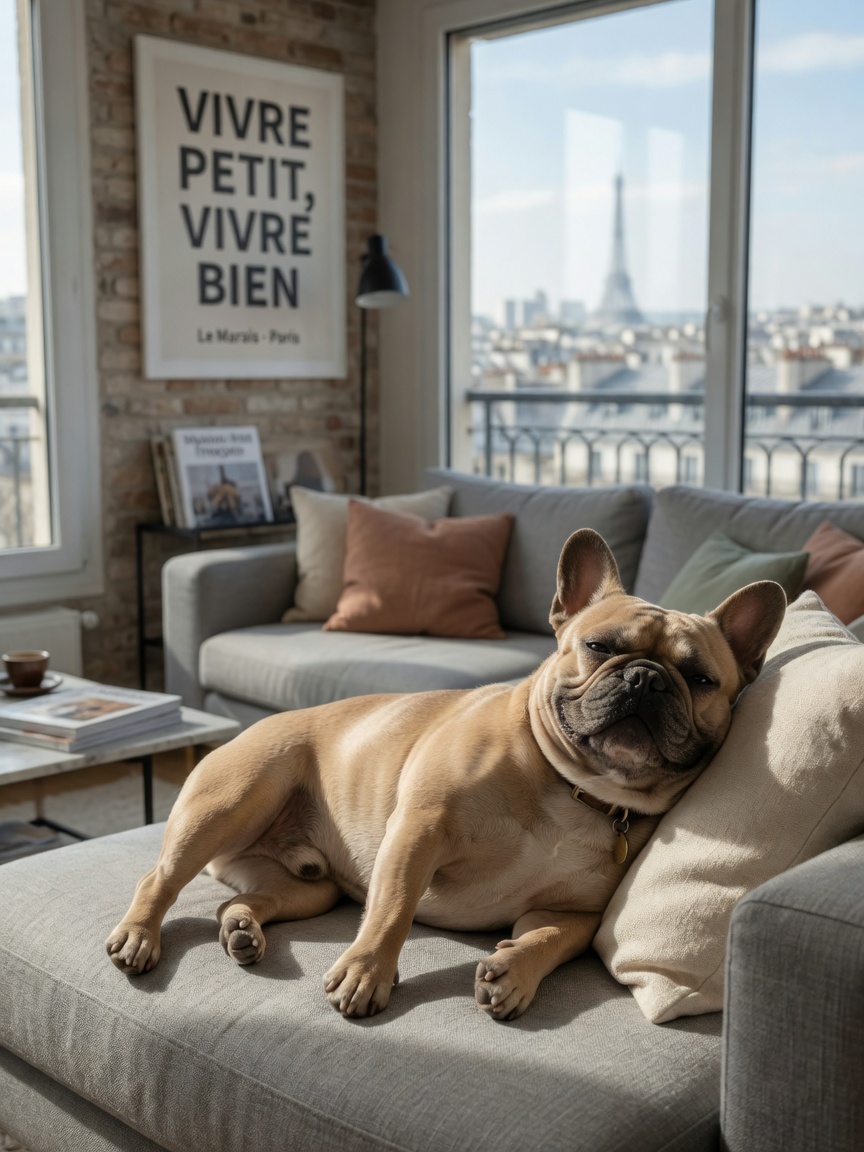
Living space matters less than many people think — what matters more is exercise commitment. That said, certain large and high-energy breeds struggle in small spaces without very high activity levels. Ideal small-space breeds: French Bulldog, Cavalier King Charles Spaniel, Greyhound (surprisingly calm indoors), Shih Tzu, and Basenji. Breeds that need space or a yard: Border Collie, Siberian Husky, German Shepherd, Labrador Retriever, Weimaraner. Common mismatch: Huskies in small apartments — bred to run 100+ miles/day, a Husky in a studio flat with a single daily walk is a behavioral disaster waiting to happen.
Question 2: What Is Your Activity Level?

Be brutally honest here. How many hours per day are you realistically willing to exercise a dog — every day, including rainy days, work deadlines, and holiday mornings? High-energy breeds (Border Collies, Malinois, Jack Russells, Vizslas) require 90–120+ minutes of active exercise daily. If your realistic answer is 30 minutes, choose accordingly: Basset Hound, Bulldog, Maltese, Pug. Common mismatch: Getting a working breed because you admire their intelligence and beauty, then being unable to meet their needs.
Question 3: How Much Experience Do You Have With Dogs?
Some breeds are genuinely difficult for first-time owners. The Belgian Malinois, Chow Chow, Akita, and Dalmatian are all breeds that frequently overwhelm inexperienced owners. First-time owners tend to do best with breeds that are forgiving, people-oriented, and eager to please: Golden Retrievers, Labrador Retrievers, Cavalier King Charles Spaniels, Poodles, and Bichon Frises consistently rank among the most suitable choices. This doesn't mean avoiding challenges entirely — just being realistic about the training investment involved.
Question 4: How Long Will the Dog Be Alone Each Day?
Dogs are social animals and should not be left alone for more than 4–6 hours regularly. Some breeds are more prone to separation anxiety than others: Vizslas, Border Collies, and Cavaliers are famously velcro dogs who struggle with isolation. More independent breeds — Basenjis, Chow Chows, some Sighthounds — tend to handle alone time better. If your lifestyle involves long working hours, factor in doggy daycare, a dog walker, or a second dog for company into your budget.
Question 5: How Much Grooming Are You Willing to Do?
Grooming demands range from weekly brushing (short-coated breeds like Beagles or Boxers) to daily brushing plus professional grooming every 6–8 weeks (Poodles, Shih Tzus, Bichons, Lhasa Apsos). Long-coated double-coated breeds like Huskies and Malamutes shed massively twice a year and need intensive coat management. Underestimating grooming commitment leads to matted, uncomfortable dogs and expensive emergency grooming bills.
Question 6: What Is Your Budget for Ongoing Care?
Dog ownership costs vary enormously by breed size, health predispositions, and grooming needs. Large breeds cost significantly more to feed, medicate (doses scale with weight), and board than small breeds. Brachycephalic breeds (Bulldogs, Pugs, French Bulldogs) have elevated veterinary costs due to their structural health problems. Giant breeds (Great Danes, Saint Bernards, Irish Wolfhounds) have shorter lifespans and may face joint, cardiac, and bloat issues requiring expensive intervention. Research your breed's health history before committing.
Question 7: Do You Have Allergies in the Household?
No dog breed is truly hypoallergenic — all dogs produce the protein Can f 1 in their saliva and skin secretions, which is the actual allergen (not dog hair itself). However, breeds that shed minimally reduce allergen dispersal significantly. Lower-allergen breeds include: Standard and Miniature Poodles, Portuguese Water Dogs, Soft Coated Wheaten Terriers, Maltese, and Bichon Frises. People with dog allergies should spend time with the specific individual dog before committing, as sensitivity varies between individuals and breeds.
Question 8: Do You Have Children or Other Pets?
Family-friendly breeds with strong child tolerance records include: Golden Retrievers, Labrador Retrievers, Cavalier King Charles Spaniels, Beagles, and Boxers. Breeds that can struggle with children (high prey drive, low tolerance for unpredictable movement): Chow Chows, Shar Peis, Weimaraners. For multi-pet households, research the breed's prey drive and dog-sociability. Huskies and Malamutes may not coexist safely with cats or small dogs. Terrier breeds often have high prey drive.
Question 9: Are You Prepared for the Full Lifespan?
Small breeds often live 14–18 years; giant breeds 7–10 years. Are you prepared for the commitment at every life stage — including the expensive and emotional senior years? Senior dogs often require increased veterinary care, medication, and lifestyle adaptations. Committing to a dog means committing to their end-of-life care as well.
Question 10: Rescue or Breeder?
Both can be excellent options with different considerations. Rescue dogs (including breed-specific rescues) offer the profound satisfaction of giving a second chance, often lower initial cost, and frequently older dogs whose temperament is already known. Reputable breeders offer health-tested parents, known lineage, and breed-specific support. If choosing a breeder, avoid any who won't allow home visits, sell multiple breeds simultaneously, always have puppies available, or cannot provide health clearances for the parents. Never buy from pet shops or online without verifying conditions — these are often puppy mill supply chains regardless of how professional the website appears.
Key Takeaways
- Breed mismatch — not bad dogs — is the leading cause of early shelter surrender. Research honestly before committing.
- Activity level honesty is critical: high-energy working breeds (Huskies, Malinois, Border Collies) need 90–120+ minutes of exercise daily, every day.
- First-time owners do best with people-oriented, forgiving breeds like Golden Retrievers, Labradors, and Cavaliers.
- Grooming, size, and breed-specific health issues significantly impact lifetime cost — research these before choosing.
- Whether adopting or buying from a breeder, meet the individual dog and verify responsible sourcing practices.
References
- Salman MD, New JG Jr, Scarlett JM, et al. Human and animal factors related to relinquishment of dogs and cats in 12 selected animal shelters in the United States. Journal of Applied Animal Welfare Science. 1998;1(3):207–226. PMID: 16363966
- Serpell J, Duffy D. Dog breeds and their behavior. In: Horowitz A, ed. Domestic Dog Cognition and Behavior. Springer; 2014:31–57. PMID: 25388043