
Do Cats Really Get Separation Anxiety?
The idea that cats are entirely self-sufficient creatures who neither notice nor care when their owners leave the house is a persistent myth. Research published in veterinary and animal behaviour journals has consistently shown that cats do form genuine attachments to their human caregivers and that a significant proportion experience real distress when left alone. A 2020 study found that approximately 13 per cent of cats in the sample showed clinical signs consistent with separation anxiety, and many experts believe the true prevalence is higher due to underreporting. Cats are subtle communicators, and their distress can easily go unrecognised until it becomes difficult to ignore.
Signs of Separation Anxiety in Cats
Feline separation anxiety can manifest in a variety of ways, and the signs may appear only when the owner is absent, which makes them easy to miss. Video recording your cat while you are out can be a useful diagnostic tool.
- Vocalisation immediately after the owner leaves, including persistent meowing or yowling that would not occur during normal alone time
- Over-grooming, particularly on the belly, inner legs, or tail base, which can result in visible hair loss or skin irritation
- Inappropriate elimination, such as urinating or defecating outside the litter tray, sometimes specifically on the owner's belongings
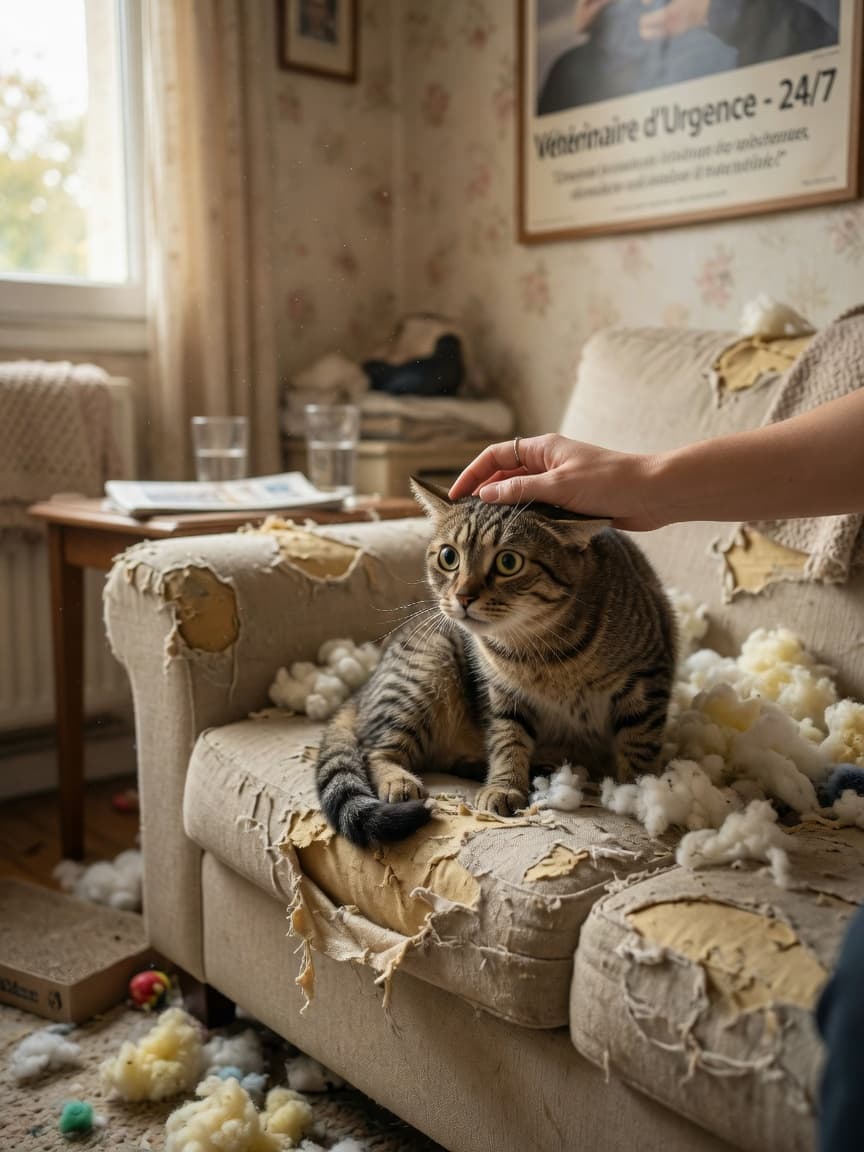
- Destructive behaviour including scratching furniture, knocking items off surfaces, or chewing objects
- Excessive and frantic greeting behaviour when the owner returns, beyond what would be considered normal enthusiasm
- Reduced appetite or refusal to eat when alone, with a return to eating once the owner is present
- Following the owner constantly throughout the home and becoming anxious before departures, for example when the owner picks up keys or puts on shoes
Risk Factors for Separation Anxiety
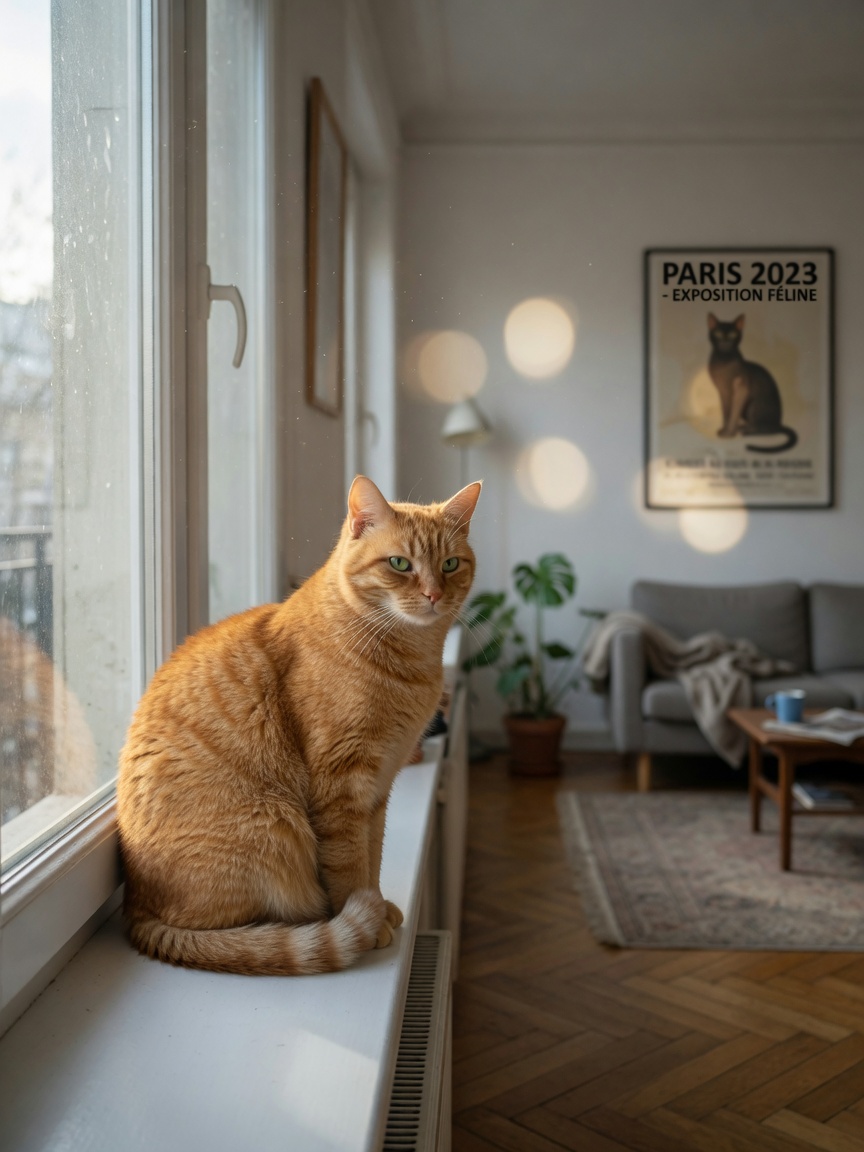
Certain cats are more vulnerable to developing separation anxiety than others. Single-cat households are a significant risk factor because the cat has no feline companion and is therefore more likely to develop an intense bond with their human. Cats adopted during the COVID-19 pandemic represent a particularly at-risk group: many of these animals were acquired when owners were at home full-time and became accustomed to near-constant human presence, making the eventual return to normal working patterns deeply unsettling. Rescue cats with histories of abandonment, multiple rehomings, or early separation from their mothers may also be predisposed to anxiety-related behaviours. Kittens separated from their mothers before eight weeks of age may not have had adequate opportunity to develop normal coping mechanisms.
Building Independence Through Graduated Training
Graduated independence training involves systematically and very gradually increasing the amount of time your cat spends alone, while ensuring that each separation is short enough to remain below the threshold that triggers anxiety. Begin by stepping out of the room for just a few seconds, returning calmly before any signs of distress appear. Over days and weeks, very slowly increase the duration. The pace must be set by the individual cat; there are no shortcuts. It is equally important to practise pre-departure cues, such as picking up keys or putting on a coat, without actually leaving, so that these cues lose their predictive power and stop triggering anticipatory anxiety.
Feliway Classic: Pheromone Support
Feliway Classic is a synthetic version of the feline facial pheromone that cats deposit when they rub their cheeks against objects in their environment, a behaviour associated with feeling safe and settled. Available as a plug-in diffuser or a spray, Feliway Classic has been shown in clinical studies to reduce anxiety-related behaviours in cats including inappropriate elimination and hiding. The diffuser is most practical for home use and should be plugged in to the room where the cat spends the most time. It takes approximately one week to reach full effect and works best when used consistently over at least four weeks alongside behavioural interventions.
Zylkene for Cats
Zylkene is a non-prescription nutritional supplement containing alpha-casozepine, a compound derived from a milk protein that has a calming effect on the central nervous system without causing sedation. It is available in capsule form and can be opened and mixed with food. Zylkene can be used short-term, for example around anticipated stressful events, or long-term in cats with chronic anxiety. It is generally well tolerated and safe for long-term use. Always consult your vet before starting any new supplement, particularly in cats with underlying health conditions.
Environmental Enrichment to Reduce Dependency
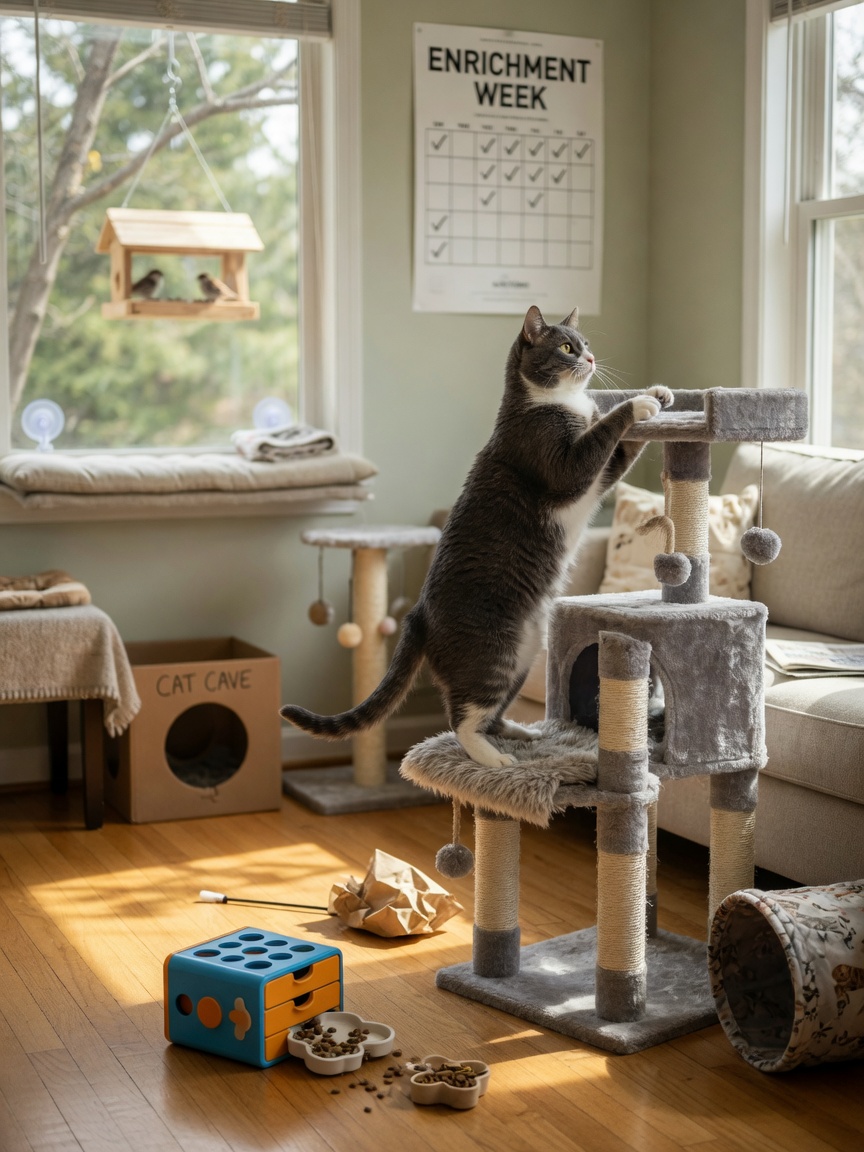
A well-enriched environment gives a cat access to activities that engage their natural behaviours and reduce their reliance on human interaction as their sole source of stimulation. Puzzle feeders, rotating toys, window perches with views of bird feeders, cat trees with multiple levels, and hiding spots all contribute to a richer daily experience. When a cat has outlets for hunting, climbing, scratching, and exploring, they are better equipped to occupy themselves calmly during periods of solitude.
When to Refer to a Behaviourist
Mild cases of separation anxiety often respond well to the strategies described above. However, moderate to severe cases, particularly those involving self-directed behaviours like over-grooming that has resulted in skin damage, significant inappropriate elimination, or distress that does not improve with consistent management, warrant referral to a qualified feline behaviourist. In the UK and EU, look for practitioners accredited by organisations such as the Association of Pet Behaviour Counsellors (APBC), COAPE, or IAABC. A behaviourist will conduct a detailed behavioural assessment and develop a structured, individualised behaviour modification programme.
Medication for Severe Cases
In cases where anxiety is severe or where behavioural modification alone is insufficient, your vet may refer you to a veterinary behaviourist who can prescribe anti-anxiety medication. Commonly used options include selective serotonin reuptake inhibitors or tricyclic antidepressants, which are used as part of a broader treatment plan rather than as a standalone solution. Medication is most effective when combined with a concurrent behaviour modification programme. Your vet will monitor the cat's response and adjust the approach as needed.
Positive Reinforcement and the Owner's Role
Owners can inadvertently reinforce anxious behaviour by responding to their cat's distress with attention and reassurance, which teaches the cat that anxious behaviour is an effective way to obtain contact. Using positive reinforcement to reward calm, independent behaviour instead, such as settling on a bed or playing with a toy, helps shift the cat towards healthier coping strategies over time. Patience, consistency, and a non-punitive approach are essential throughout the process.