
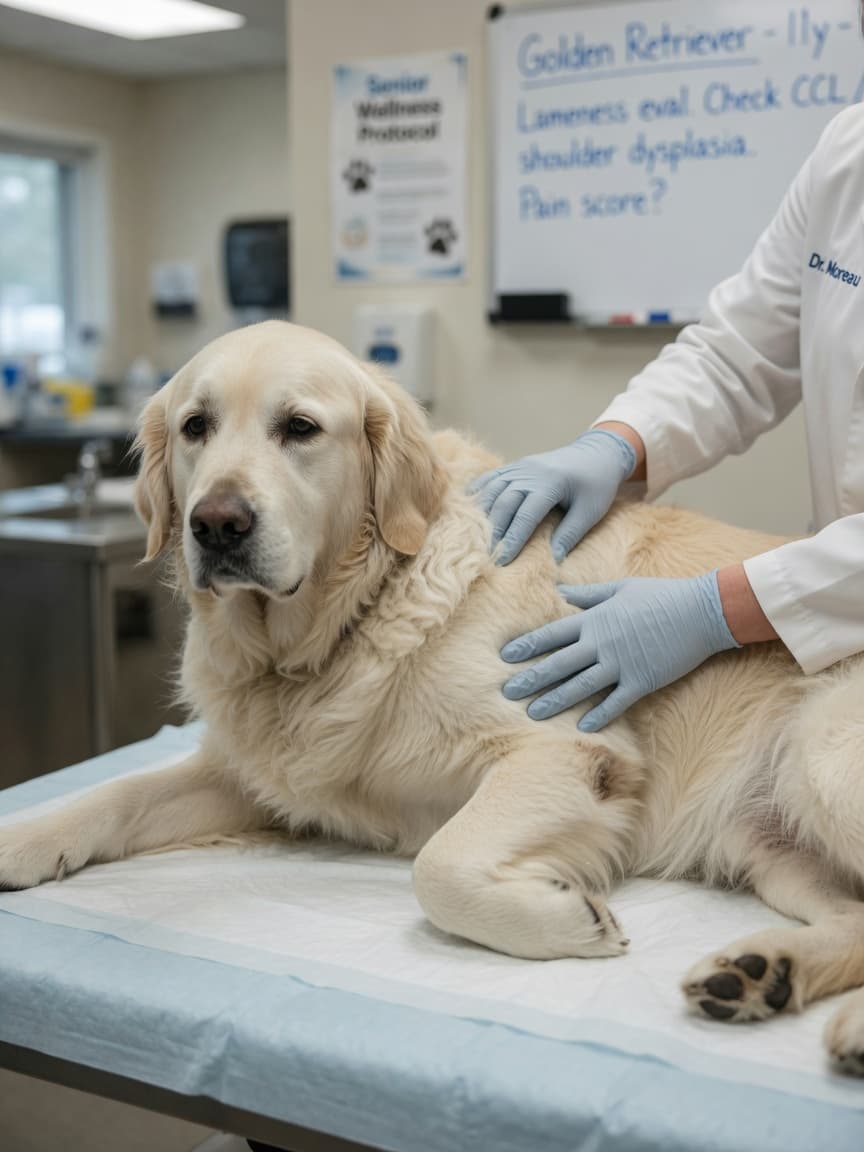
Osteosarcoma is the most common primary bone cancer in dogs, accounting for approximately 85% of all canine bone malignancies. This aggressive tumour typically affects large and giant breed dogs, particularly during their middle to senior years. Whilst an osteosarcoma diagnosis can feel devastating, understanding this condition, recognising early warning signs, and exploring treatment options can help you provide your dog with the best possible care and quality of life.
What is Osteosarcoma?
Osteosarcoma is a malignant tumour that originates in the bone-forming cells of the skeleton. Unlike benign bone conditions, this cancer grows rapidly and can metastasise (spread) to other parts of the body, most commonly to the lungs. In dogs, osteosarcoma most frequently develops in the long bones of the limbs, particularly around the shoulder, elbow, hip, and knee joints. The disease is particularly aggressive because it tends to spread early, often before any obvious signs appear.
Which Dogs Are Most at Risk?

Whilst osteosarcoma can affect any dog, certain factors increase susceptibility:
- Breed: Large and giant breeds including Great Danes, Golden Retrievers, German Shepherds, Rottweilers, and Dobermanns are at higher risk
- Age: Dogs typically between 7-10 years old are most commonly diagnosed, though younger dogs can develop the disease
- Size: Larger dogs have a significantly higher incidence rate than small breeds
- Previous injuries: Trauma or fractures at specific sites may increase localised risk
- Sex: Male dogs appear to be affected slightly more frequently than females
Recognising the Warning Signs
Early detection makes a meaningful difference in management outcomes. Watch for these warning signs:
- Persistent limping or lameness in a single limb
- Swelling around a joint or along a leg bone
- Reluctance to bear weight on one leg
- Pain when the affected limb is touched
- Decreased activity or reluctance to exercise
- Difficulty rising from a lying position
- Noticeable lameness that doesn't improve with rest
If you notice any of these signs, particularly in a large-breed dog, arrange a veterinary consultation promptly. Many owners initially attribute limping to minor injuries or arthritis, so professional assessment is crucial.
Diagnosis and Staging
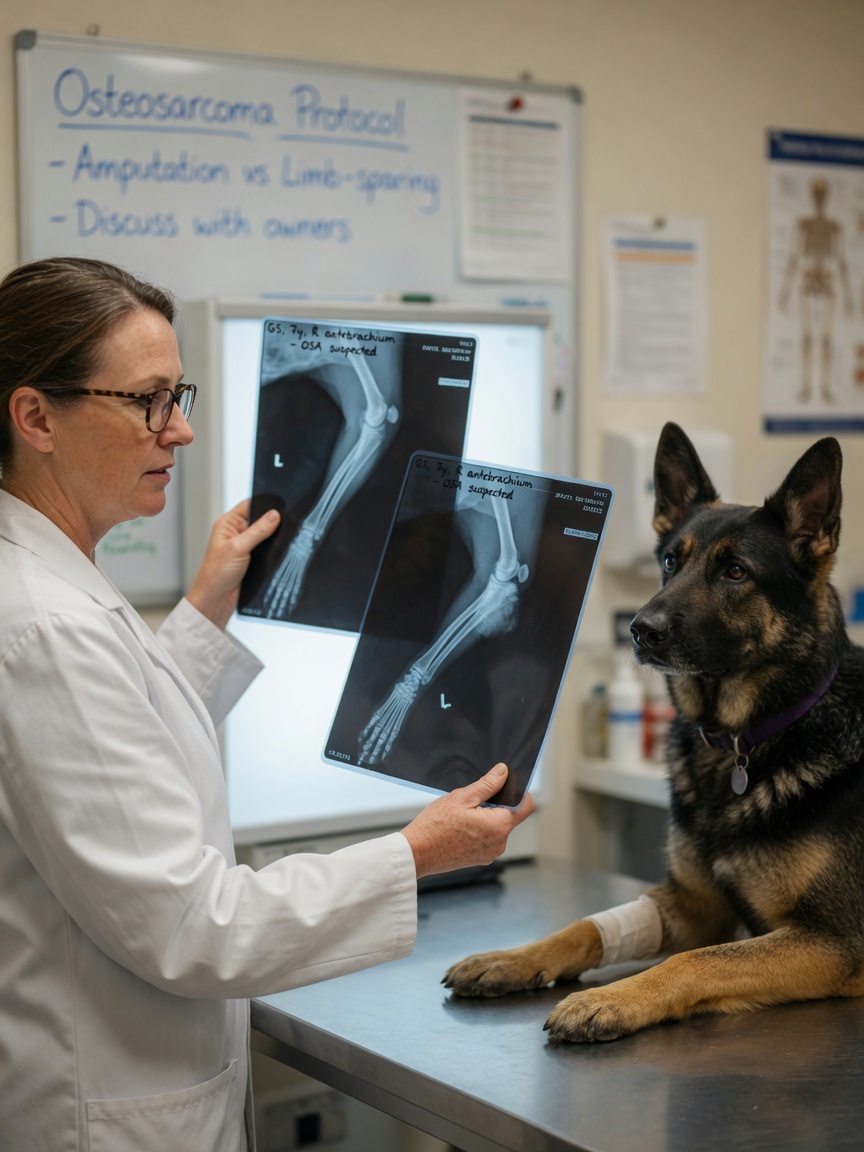
Your veterinary surgeon will begin with a physical examination and discuss your dog's symptoms. Diagnosis typically involves:
- X-rays of the affected limb to visualise bone changes characteristic of osteosarcoma
- Chest X-rays to screen for lung metastases
- Blood tests to assess overall health and organ function
- Occasionally, biopsy or CT scanning for confirmation and detailed assessment
Staging helps determine how advanced the cancer is and guides treatment planning.
Treatment Options
Most dogs receive a combination of treatments for optimal outcomes:
- Surgery: Amputation of the affected limb remains the most effective treatment, removing the primary tumour. Many owners are surprised by how well dogs adapt to three-legged mobility
- Chemotherapy: Post-operative chemotherapy significantly extends survival time by targeting potential metastatic disease
- Pain management: Prescription pain relief is essential for comfort and quality of life
- Palliative care: For dogs whose owners choose not to pursue surgery, pain management and comfort care remain important
Quality of Life and Recovery
Dogs that undergo amputation typically recover remarkably well. Most adapt within weeks and enjoy normal, active lives. Chemotherapy side effects are generally milder in dogs than humans. With appropriate treatment, many dogs live 12-24 months or longer after diagnosis.
Key Takeaways
Osteosarcoma is serious, but it's not a death sentence. Early detection through vigilant observation of limping or swelling significantly improves outcomes. Discuss all treatment options openly with your veterinary team, considering your dog's age, overall health, and your family's circumstances. Whatever path you choose, prioritising pain relief and quality of life ensures your dog remains comfortable and happy during this challenging time.
```