
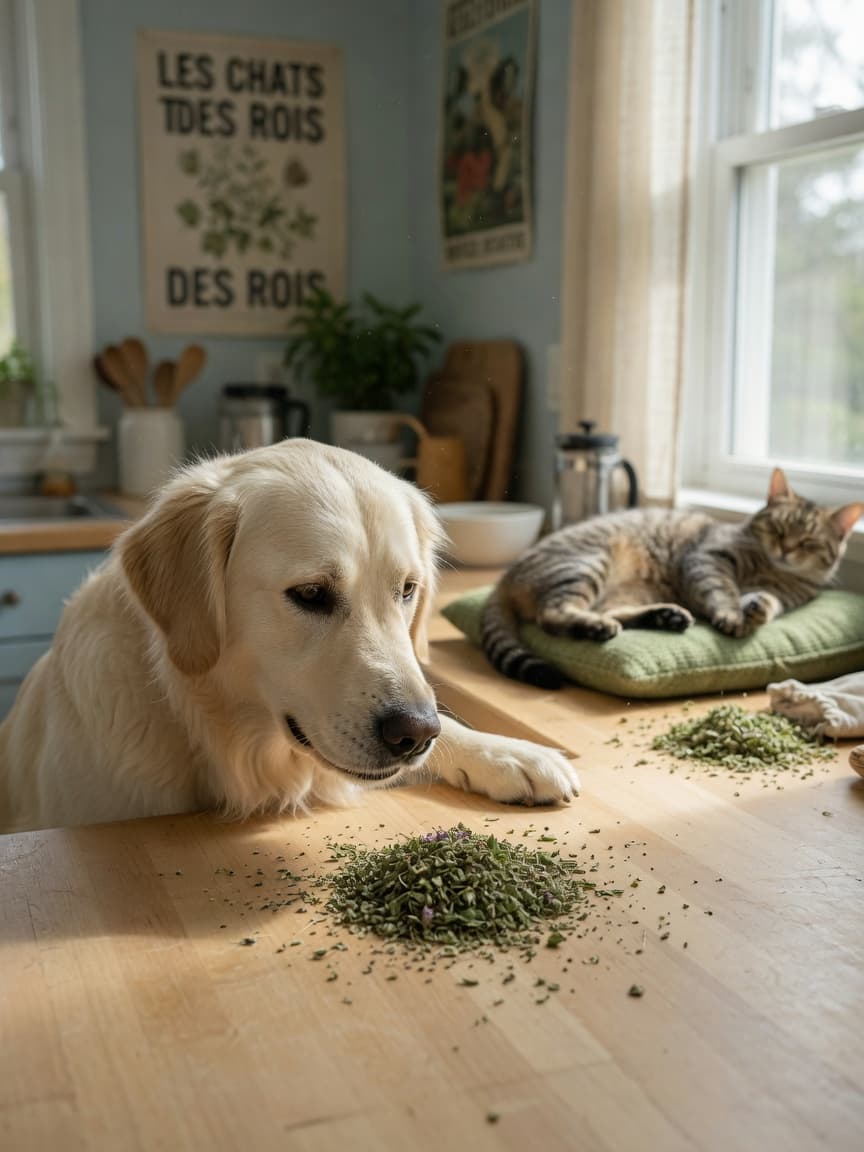
You've probably watched your cat go absolutely wild for catnip, rolling around and purring with abandon. But what about your dog? Can they enjoy catnip too, or is it something you should keep strictly in the feline corner of your home? The truth might surprise you – catnip isn't toxic to dogs at all, but whether it's beneficial depends on several factors. Let's explore what science tells us about dogs and catnip.
What Exactly Is Catnip?
Catnip, scientifically known as Nepeta cataria, is a herbaceous plant from the mint family. It contains a volatile compound called nepetalactone, which triggers a euphoric response in approximately 70% of cats. This compound binds to receptors in a cat's olfactory system, creating that characteristic amusing behaviour we all love to watch.
But here's where it gets interesting: dogs simply don't have the same sensory receptors that respond to nepetalactone. This means most dogs won't experience the euphoric "high" that cats do. So in that sense, catnip isn't particularly exciting for your canine companion – but that doesn't make it harmful.
Is Catnip Toxic to Dogs?
The straightforward answer is no. Catnip is not toxic, poisonous, or dangerous to dogs. Even if your dog accidentally consumes a moderate amount of catnip, they won't suffer any adverse health effects. The plant is entirely safe for canine consumption.
However, there are a few practical considerations:
- Digestive upset: Consuming large quantities could potentially cause mild gastrointestinal discomfort, including loose stools or vomiting
- Choking hazard: Dried catnip can pose a choking risk if your dog tries to gulp it down without proper chewing
- Allergic reactions: Though rare, some dogs may have individual sensitivities to plant material
Will Catnip Do Anything for Your Dog?
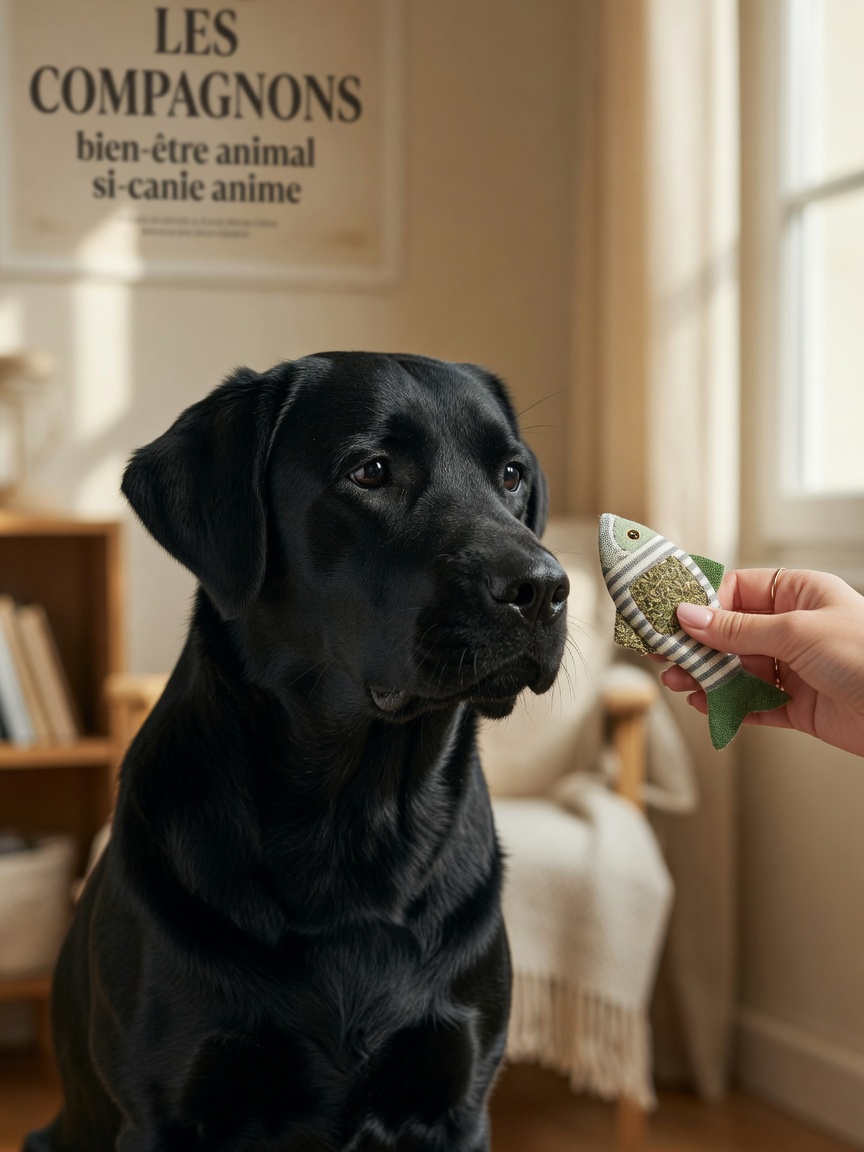
Since most dogs lack the neurological response to catnip that cats have, they typically won't become excited or intoxicated by it. However, this doesn't mean catnip is completely pointless for dogs. Some dogs may show mild interest in fresh catnip due to its pleasant scent, particularly if they're already curious about the mint family of herbs.
A small percentage of dogs might have a subtle reaction to catnip, though this is far less pronounced than in felines. If your dog does show interest, it's usually driven by curiosity rather than the neurochemical response we see in cats.
Better Alternatives for Your Dog's Enrichment
Rather than relying on catnip for your dog's entertainment, consider these proven alternatives:
- Valerian root: A herb that some dogs find interesting and calming
- Silvervine: Similar to catnip but occasionally effective for dogs in the same way it works for some cats
- Interactive toys: Puzzle feeders, Kong toys, and tug toys engage dogs more effectively
- Chew toys: Long-lasting chews provide both mental stimulation and dental benefits
- Training and play: Regular interactive sessions with their owner remain the best enrichment
Safety Tips If Your Dog Encounters Catnip
If you have both cats and dogs in your home, here's how to keep everyone safe:
- Store catnip products in a location your dog cannot access
- Supervise any catnip play sessions between species
- If your dog ingests a small amount, monitor them for any signs of digestive upset
- Contact your vet if your dog consumes large quantities or shows any concerning symptoms
Key Takeaways
Catnip isn't bad for dogs – it's simply ineffective for most of them. Unlike cats, dogs lack the neurological receptors that make catnip produce its famous euphoric effects. Whilst it's perfectly safe for your dog to consume small amounts, catnip won't provide the enrichment and excitement it offers felines. Instead, focus on dog-specific enrichment strategies that truly engage your pup's senses and intelligence. If you're looking to add new enrichment to your dog's routine, explore other herb-based options or stick with time-tested toys and interactive play – your dog will thank you for it!