
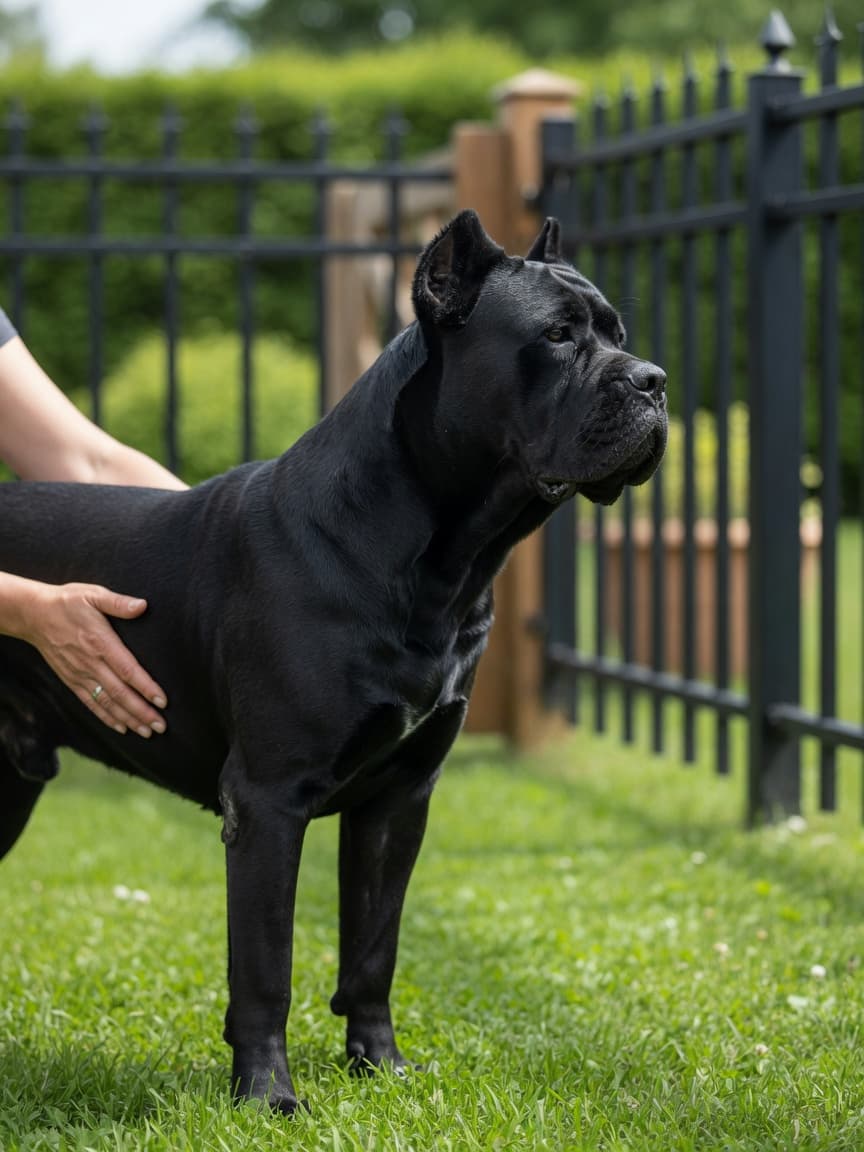
The Cane Corso is a large, powerful Italian mastiff-type breed best suited to experienced owners who can offer firm, consistent training and plenty of space; loyal and protective by nature, it forms deep bonds with its family but needs early socialisation to manage its natural wariness of strangers. As with most giant breeds, joint health and a shortened lifespan compared to smaller dogs are the headline concerns owners should plan for from puppyhood onward.
Breed Overview
- Size: Large to giant; males typically stand around 64–70cm at the shoulder, females slightly smaller, with a muscular, athletic build
- Lifespan: Commonly reported as 9–12 years
- Coat: Short, dense, and low-maintenance; comes in colours including black, grey, fawn, and brindle
- Origin: Italy, descended from ancient Roman molossian war and guardian dogs, historically used for guarding property, hunting large game, and working livestock
Temperament & Family Fit

Cane Corsos are intelligent, watchful, and deeply devoted to their families. They are natural guardians with a strong protective instinct, which means they can be reserved or suspicious of unfamiliar people and animals if not properly socialised from a young age. With their own family, however, they are typically affectionate, calm indoors, and eager to please those they trust.
This is not a breed for first-time dog owners or households wanting a low-key companion. Cane Corsos need confident, consistent handling, early exposure to varied people and environments, and ongoing structure throughout their lives. They generally do well with children they are raised alongside, though their sheer size means interactions with small children should always be supervised. Early socialisation is one of the most important investments an owner can make, and understanding normal development during the puppy growth stages can help owners set realistic expectations for training and physical maturity.
Due to their strength and guarding tendencies, Cane Corsos are best suited to owners who have handled large or dominant breeds before, have secure garden fencing, and can commit to lifelong training and socialisation.
Health Issues in Cane Corsos
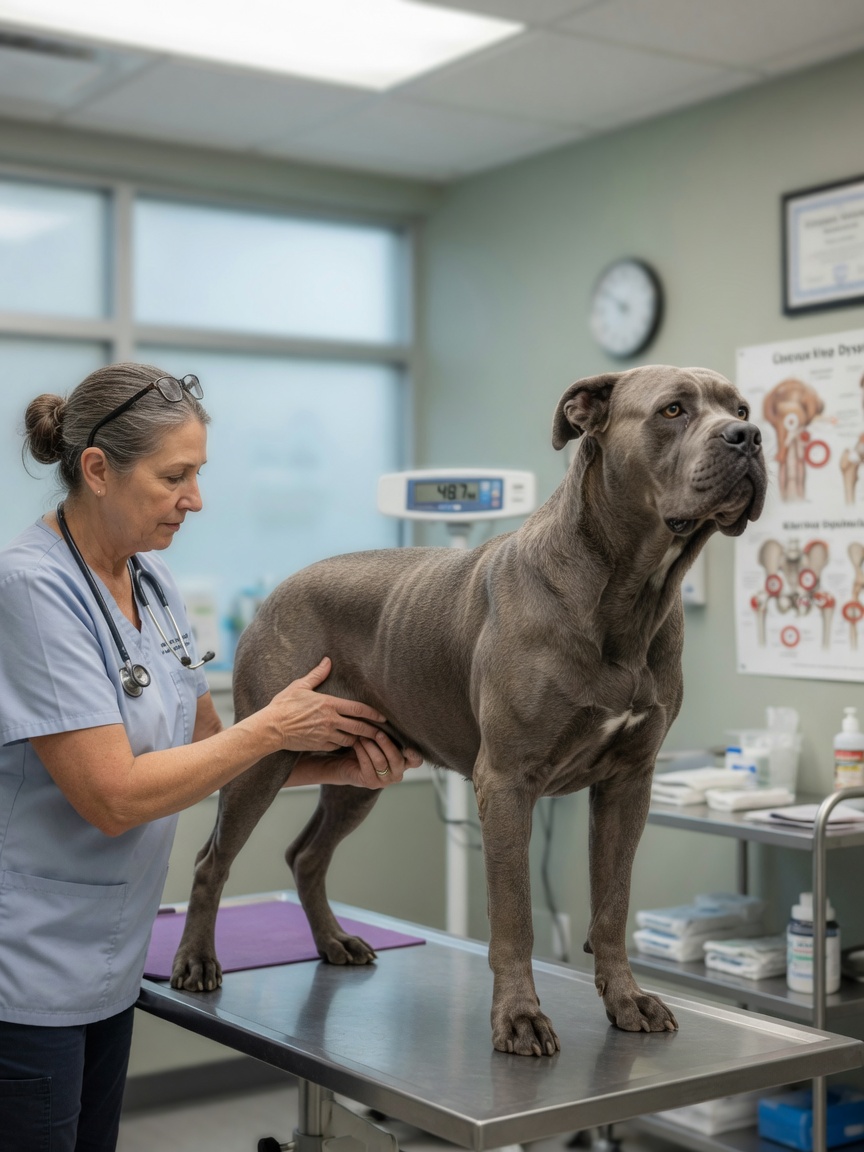
Like many large, fast-growing breeds, the Cane Corso has a number of well-documented health predispositions. Being aware of these allows owners to spot early warning signs and work proactively with their vet.
Hip and Elbow Dysplasia
These are developmental joint conditions where the hip or elbow joints do not form correctly, leading to instability, abnormal wear, and eventually osteoarthritis. They are commonly reported in large and giant breeds, including the Cane Corso, and are thought to have both genetic and environmental components, such as growth rate and body condition during puppyhood.
Early signs include reluctance to jump or climb stairs, a bunny-hopping gait, stiffness after rest, and lameness that may come and go. Signs can appear as early as a few months of age or develop gradually over years.
What owners can do: Ask breeders about hip and elbow scoring of the parents, avoid over-exercising or over-feeding puppies during rapid growth phases, and maintain a lean body condition throughout life. If arthritis develops later, there are many practical strategies covered in this guide to arthritis in dogs management that can help maintain mobility and comfort.
Gastric Dilatation-Volvulus (Bloat)
Deep-chested large breeds such as the Cane Corso are considered at higher risk of this life-threatening emergency, in which the stomach fills with gas and can twist on itself, cutting off blood supply. It can progress extremely quickly and is fatal without prompt veterinary intervention.
Early signs include a visibly distended or tight abdomen, unproductive retching, restlessness, pacing, excessive drooling, and general distress. This is always an emergency requiring immediate veterinary attention.
What owners can do: Feed two or more smaller meals a day rather than one large one, avoid vigorous exercise immediately before or after eating, use slow-feeder bowls if the dog eats quickly, and discuss preventative gastropexy surgery with a vet, particularly if there is a family history.
Dilated Cardiomyopathy (DCM)
DCM is a heart condition in which the heart muscle weakens and the chambers enlarge, reducing the heart's ability to pump blood efficiently. It has been reported in a number of large breeds, and Cane Corsos are among the breeds where cardiac screening is often recommended.
Early signs can be subtle initially and may include reduced stamina, coughing, laboured breathing, fainting episodes, or a swollen abdomen in more advanced cases. Because early stages can be silent, some cases are only picked up during a veterinary check-up.
What owners can do: Ask about cardiac screening for breeding dogs, attend regular veterinary check-ups where heart sounds are assessed, and report any unusual tiredness, coughing, or breathing changes promptly.
Intervertebral Disc Disease (IVDD)
IVDD occurs when the cushioning discs between the spinal vertebrae bulge or rupture, potentially compressing the spinal cord. While often associated with long-backed breeds, it is also reported in large, heavy-bodied breeds like the Cane Corso, where the sheer weight placed on the spine can be a contributing factor.
Early signs include reluctance to jump, a hunched back, yelping when touched or moved, wobbly or weak hind legs, and in severe cases, sudden loss of coordination or paralysis.
What owners can do: Avoid encouraging jumping from height, use ramps for cars or furniture, maintain a healthy weight to reduce spinal load, and seek immediate veterinary assessment if any neurological signs appear, as prompt treatment improves outcomes.
Eyelid Abnormalities (Entropion and Ectropion)
Cane Corsos can be prone to eyelid conformation issues — entropion, where the eyelid rolls inward, and ectropion, where it rolls outward. Both can cause chronic irritation, and entropion in particular can lead to corneal damage if the eyelashes rub against the eye surface.
Early signs include excessive tearing, squinting, redness, or visible rubbing at the eyes.
What owners can do: Have any persistent eye discharge or squinting checked by a vet promptly; surgical correction is often straightforward and highly effective when needed.
Obesity and Weight-Related Strain
As a large, heavy-boned breed, Cane Corsos are particularly vulnerable to the compounding effects of excess weight on joints, the heart, and overall lifespan. Weight gain can happen gradually and go unnoticed until mobility or breathing is affected.
Early signs include difficulty feeling the ribs, loss of a visible waist, reduced willingness to exercise, and heavier breathing during activity.
What owners can do: Monitor body condition regularly rather than relying on weight alone, measure food portions accurately, and limit high-calorie treats. Nutrition tailored to life stage becomes especially important as dogs age, and reviewing options such as those discussed in guides to senior dog nutrition can help owners adjust feeding as their Cane Corso matures.
Skin Issues and Allergies
Some Cane Corsos experience skin sensitivities, including allergic reactions to environmental triggers or certain food ingredients, which can present as itching, redness, or recurrent ear infections.
Early signs include excessive scratching, licking of the paws, chronic ear infections, or recurring hot spots.
What owners can do: Keep skin folds and ears clean and dry, and speak to a vet about diagnosis if itching persists. Resources such as this guide to dog skin allergies can help owners understand the difference between environmental and food-related triggers.
Nutrition & Feeding
Because Cane Corsos grow rapidly as puppies, controlled growth is important to reduce strain on developing joints — this means avoiding excessive calories or calcium supplementation, and choosing a food formulated for large-breed puppies where growth rate is more carefully managed. Overfeeding during the first year is one of the most common and avoidable contributors to later joint problems.
In adulthood, portion control matters more than any single ingredient. Feeding two smaller meals a day rather than one large meal may help reduce the risk of bloat, and using a slow-feeder bowl can help dogs that gulp their food. Fresh water should always be available, but heavy drinking and exercise immediately around mealtimes should be avoided.
Some owners explore specific diets for dogs with sensitivities; a hypoallergenic dog food guide can be a useful starting point for discussing options with a vet if food-related skin or digestive issues are suspected. Owners interested in general digestive support may also want to look into the current thinking on probiotics for dogs, though any dietary changes are best made under veterinary guidance, particularly for a breed prone to gastric issues.
Grooming & Care
The Cane Corso's short, dense coat is relatively low-maintenance. Weekly brushing is usually enough to remove loose hair and keep the coat in good condition, with more frequent brushing during seasonal shedding periods.
Routine care should also include regular nail trims, as overly long nails can affect gait and comfort, and ear checks, particularly if the dog is prone to infections. Skin folds, if present, should be checked and kept clean and dry to prevent irritation. Dental care, including regular tooth brushing, supports long-term health and can help prevent the build-up of plaque and associated dental disease.
Exercise & Training Needs
Cane Corsos are active, athletic dogs that need regular, structured exercise to stay physically and mentally satisfied. Daily walks combined with opportunities for controlled play or training sessions generally suit the breed well. However, vigorous exercise, particularly jumping or high-impact activity, should be limited during the first 12 to 18 months while bones and joints are still developing.
Training should begin early and continue consistently throughout the dog's life. Cane Corsos are intelligent and responsive to positive reinforcement, but their size and protective instincts mean that clear boundaries, reliable recall, and confident leash manners are essential from a young age. Early and ongoing socialisation with a variety of people, animals, and environments helps prevent the development of fearfulness or over-guarding behaviours. Given their strength, many owners find that professional training classes or guidance from an experienced trainer are valuable investments.
FAQs
Are Cane Corsos good with children?
Many Cane Corsos are affectionate and gentle with children they are raised alongside, particularly when well-socialised from puppyhood. However, due to their large size and strength, interactions with young children should always be supervised, and the dog should be taught appropriate boundaries early on.
How much exercise does a Cane Corso need?
Adult Cane Corsos generally need a good amount of daily physical activity, such as brisk walks and structured play, along with mental stimulation through training. Puppies need more careful, limited exercise to protect developing joints, gradually increasing as they mature.
Do Cane Corsos shed a lot?
Their short coat sheds moderately year-round, with heavier shedding during seasonal coat changes. Regular brushing helps manage loose hair and keeps the coat healthy.
What is the biggest health concern for this breed?
There is no single "biggest" issue, but joint conditions such as hip and elbow dysplasia, along with the risk of bloat, are among the most commonly reported concerns for the breed, making weight management, controlled growth, and awareness of emergency symptoms particularly important.
This guide is intended for general informational purposes only and does not replace individual veterinary advice. Always consult a qualified veterinarian for guidance specific to your dog's health, diet, and care needs.