
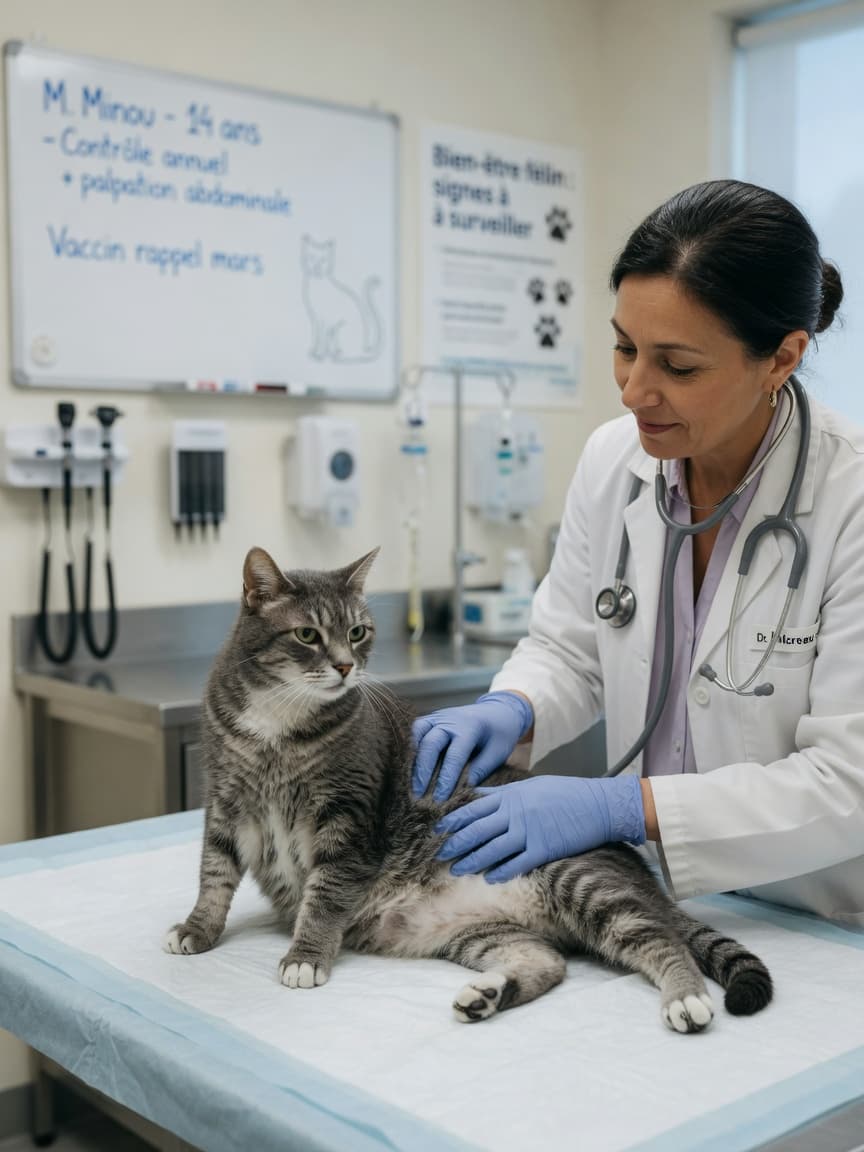
Receiving a cancer diagnosis for your beloved cat is one of the most distressing moments a pet owner can face. Yet understanding this disease, recognising early warning signs, and exploring treatment options can help you make informed decisions and provide your feline companion with the best quality of life possible. Cancer is, sadly, increasingly common in cats, particularly as they age, but advances in veterinary oncology mean there are now more treatment avenues available than ever before.
Understanding Feline Cancer
Cancer develops when cells in the body begin to grow abnormally and uncontrollably. In cats, cancer can affect virtually any organ or tissue, making it a complex disease to diagnose and treat. Unlike some human cancers, feline cancers rarely have a single identifiable cause, though certain risk factors—including age, genetics, and environmental exposure—may increase susceptibility. Cats aged 10 years and older are at significantly higher risk, which is why regular health screening becomes increasingly important in senior cats.
Common Types of Cancer in Cats

Several cancer types appear more frequently in feline patients:
- Lymphoma – The most common feline cancer, often affecting the digestive system, bone marrow, or lymph nodes
- Squamous cell carcinoma – A skin cancer frequently found around the face and ears, particularly in white or light-coloured cats
- Mast cell tumours – Skin tumours that can vary significantly in behaviour and severity
- Fibrosarcomas – Soft tissue cancers that can develop at injection sites
- Mammary gland cancer – More common in unspayed females and typically quite aggressive
Recognising Warning Signs
Early detection significantly improves treatment outcomes. Be alert for these potential symptoms:
- Unexplained weight loss or loss of appetite
- Vomiting or diarrhoea lasting more than a few days
- Lethargy or significant behaviour changes
- Lumps, bumps, or unusual swelling anywhere on the body
- Difficulty eating, swallowing, or breathing
- Persistent lameness or reluctance to move
- Abnormal bleeding or discharge
- Bad breath or oral abnormalities
If you notice any of these signs, contact your veterinary surgeon promptly. Many conditions other than cancer can cause these symptoms, but a thorough examination is essential.
Diagnosis and Treatment Options
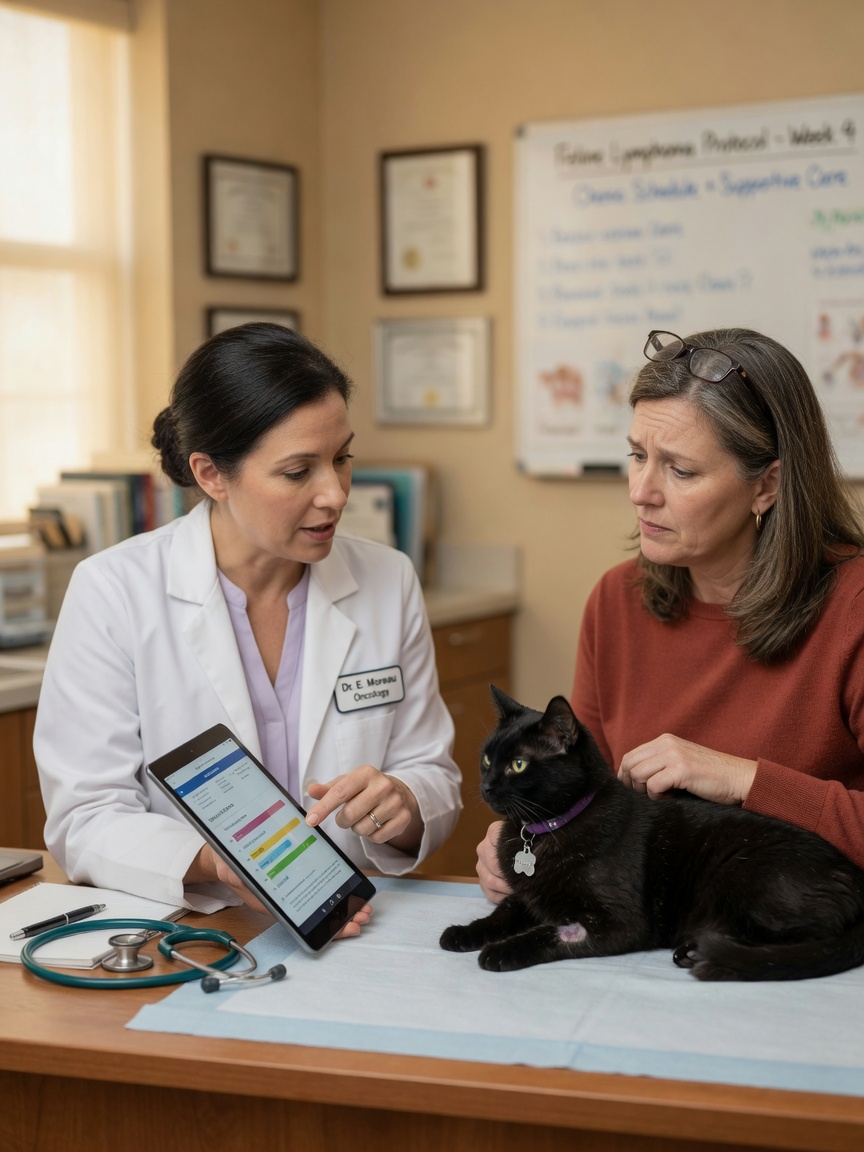
Your vet will likely recommend blood work, imaging (such as ultrasound or radiographs), and potentially biopsy for a definitive diagnosis. Once confirmed, treatment options may include:
- Surgery – Often the most effective treatment when tumours can be completely removed
- Chemotherapy – Used to target cancer cells systemically, with generally fewer side effects in cats than in humans
- Radiation therapy – Focused treatment for localised tumours, increasingly available at specialist centres
- Immunotherapy – Newer approaches that harness the immune system to fight cancer cells
- Palliative care – Focused on comfort and quality of life when curative treatment isn't suitable
Supporting Your Cat Through Treatment
Regardless of the chosen treatment approach, supporting your cat's overall wellbeing is crucial. Maintain a nutritious diet, ensure access to fresh water, and provide a comfortable, stress-free environment. Some cats benefit from dietary modifications or supplements, though always consult your vet before introducing changes. Regular monitoring appointments help your veterinary team track progress and adjust treatment as needed.
Key Takeaways
Whilst a cancer diagnosis is serious, cats with cancer can still enjoy good quality time with their families. Early detection through regular health checks, particularly in senior cats, remains your best defence. If you suspect any health concerns, seek veterinary advice promptly—many conditions are more manageable when caught early. Work closely with your vet to develop a treatment plan aligned with your cat's individual needs and your family's circumstances. Above all, focus on maximising comfort, maintaining cherished routines, and savoring the precious time you have together.