ForPetsHealthcare
Dogs

Cancer in Cats - Page 2

By Julia WrenfieldUpdated August 4, 20263 min read
Evidence-based · Sources checked
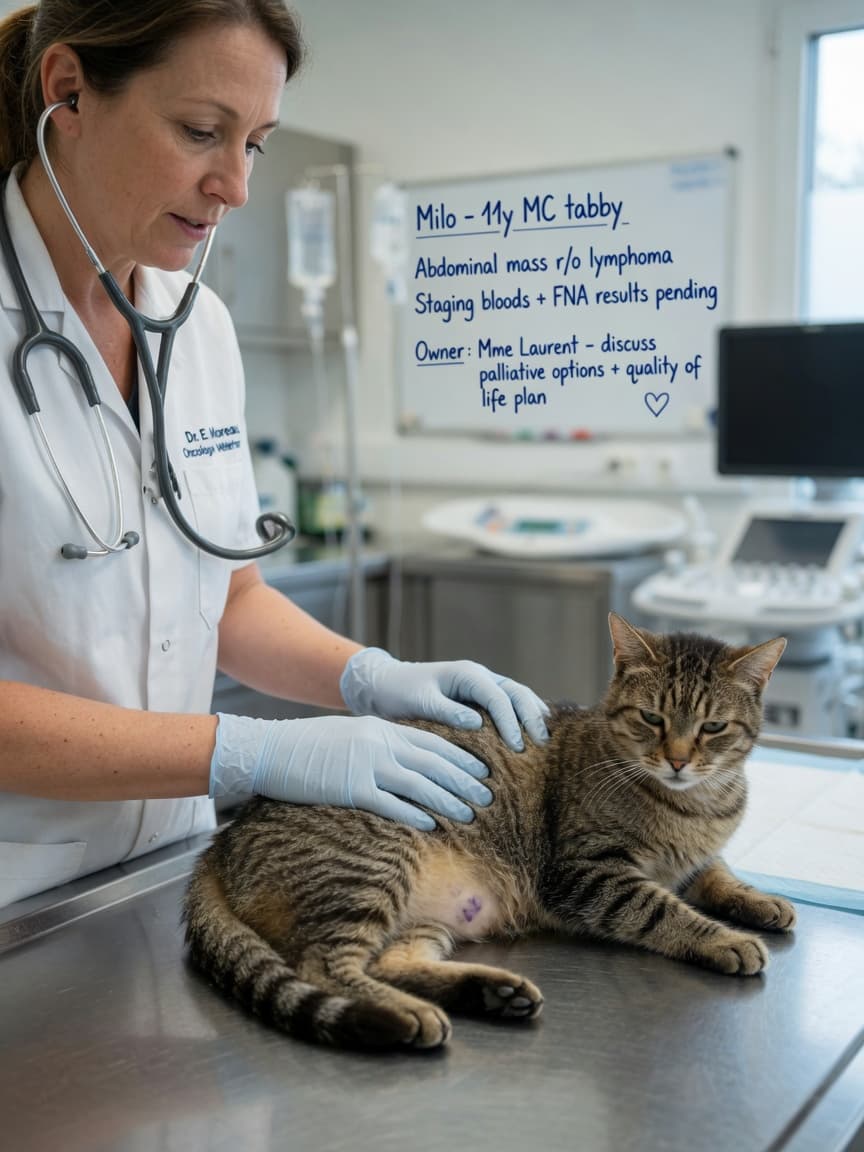
{"en": "Cat resting comfortably during cancer treatment, showing supportive care and quality of life management", "es": "Gato descansando c\u00f3modamente durante tratamiento del c\u00e1ncer, mostrando cuidados paliativos", "fr": "Chat reposant confortablement lors d'un traitement du cancer, illustrant les soins de soutien", "de": "Katze ruht sich aus w\u00e4hrend Krebsbehandlung, zeigt unterst\u00fctzende Pflege und Lebensqualit\u00e4t", "nl": "Kat rust comfortabel uit tijdens kankerbehandeling, ondersteunende zorg en kwaliteit van leven", "pt": "Gato descansando confortavelmente durante tratamento do c\u00e2ncer, mostrando cuidados de apoio", "it": "Gatto a riposo durante il trattamento del cancro, illustrando le cure di supporto e qualit\u00e0 della vita"}

Following on from our previous discussion about feline cancer diagnosis and types, this guide explores the practical management strategies, treatment options, and quality of life considerations for cats living with cancer. Understanding what to expect during treatment and how to support your cat at home can significantly impact their wellbeing and comfort during this challenging time.

Treatment Options for Feline Cancer

The treatment approach for your cat's cancer depends on several factors, including the cancer type, stage, location, and your cat's overall health status. Your veterinary oncologist will discuss the most suitable options:

  • Surgery: Often the most effective treatment, particularly for localised tumours. Early intervention typically yields better outcomes.
  • Chemotherapy: Uses medications to target cancer cells. Cats generally tolerate chemotherapy better than dogs, with fewer severe side effects.
  • Radiation therapy: Focuses high-energy beams on tumours. Particularly useful for cancers affecting the brain, nasal cavity, or spine.
  • Immunotherapy: Emerging treatments that harness the immune system to fight cancer cells.
  • Palliative care: Focuses on comfort and quality of life rather than cure, ideal when advanced disease is present.

Managing Side Effects at Home

Cats undergoing cancer treatment may experience side effects that require careful home management. Common concerns include:

  1. Loss of appetite: Offer highly palatable, warm foods. Consider smaller, more frequent meals. Consult your vet about appetite stimulants if needed.
  2. Nausea: Anti-nausea medications can help. Avoid strong-smelling foods that may worsen symptoms.
  3. Lethargy: Provide comfortable resting areas and maintain a calm environment.
  4. Hair loss or skin changes: Keep your cat's coat clean and protected from direct sunlight.
  5. Compromised immunity: Minimise exposure to other animals and maintain strict hygiene protocols.

Nutritional Support During Treatment

Weakened tabby cat eating nutrient-rich food during cancer treatment with caregiver support

Proper nutrition is vital for cats undergoing cancer treatment. Cancer cachexia (weight loss and muscle wasting) is common, so focus on high-quality, protein-rich diets. Work with your veterinary nutritionist to ensure your cat receives adequate calories and essential nutrients. Some cats benefit from supplements such as omega-3 fatty acids and antioxidants, though these should always be approved by your vet first.

Monitoring Your Cat's Progress

Regular monitoring helps assess how well treatment is working and allows for early detection of complications. Expect frequent vet visits initially, with bloodwork, imaging, or physical examinations. Keep detailed notes about your cat's eating habits, activity levels, and any changes in behaviour, as this information is invaluable for your veterinary team.

Emotional Support and Quality of Life
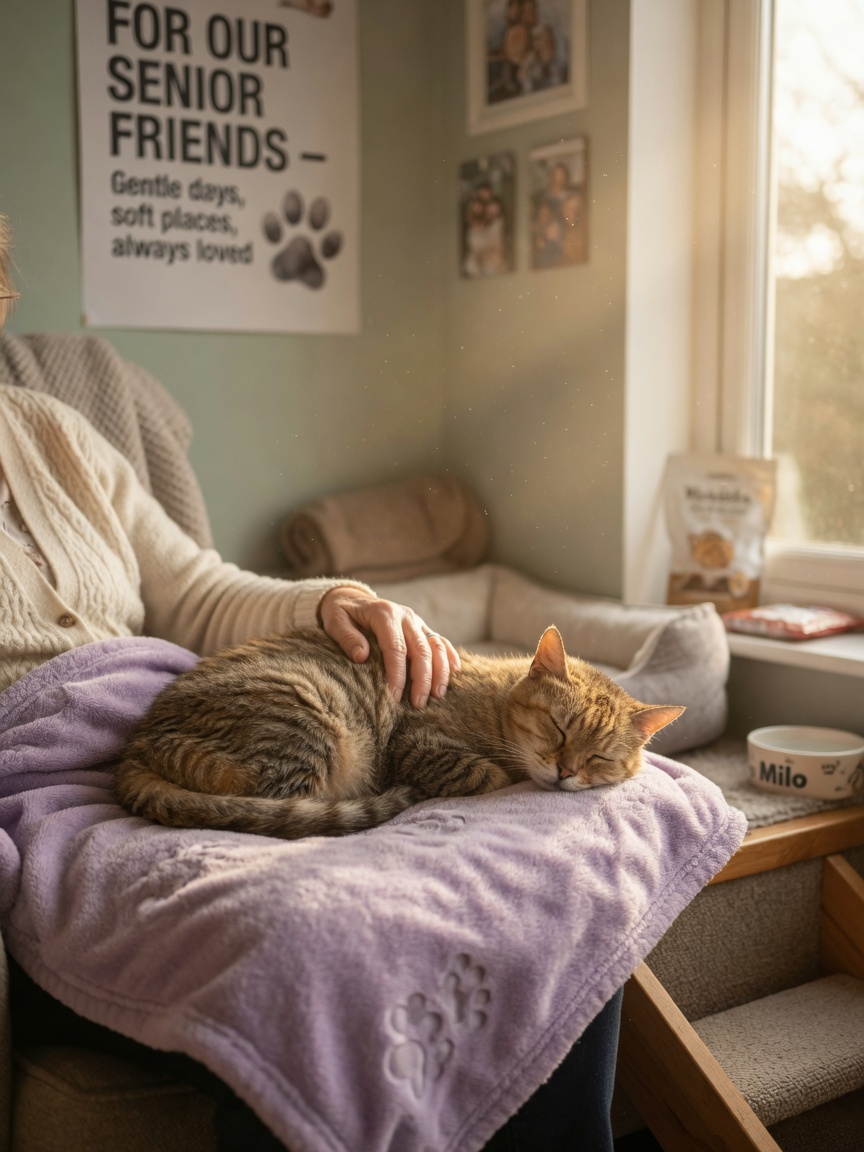
Elderly cat resting peacefully with owner's gentle hand, showing compassionate end-of-life care

A cancer diagnosis affects the entire household. Maintain your cat's normal routine as much as possible, offer gentle interactions, and provide accessible litter boxes, food, and water stations. Consider whether your home layout needs adjustment to accommodate reduced mobility. Spend quality time with your cat, and don't hesitate to seek support from your vet about end-of-life planning should circumstances change.

Key Takeaways

  • Treatment options range from curative (surgery, chemotherapy) to palliative, depending on circumstances.
  • Managing side effects at home significantly improves your cat's comfort and treatment tolerance.
  • Nutrition plays a crucial role in supporting recovery and maintaining muscle mass.
  • Regular monitoring helps track treatment effectiveness and detect complications early.
  • Quality of life should remain the priority throughout your cat's cancer journey.
#cancer in cats page 2#cat health#feline nutrition#forpetshealthcare

Sources & further reading

This article is based on peer-reviewed veterinary research and reputable animal-health sources. Explore the underlying science in our Research Library.

Related articles

The 19 Best Animal Shelters in the Netherlands (2026)

the Netherlands's animal shelters, rescue associations and refuges save thousands of dogs, cats and other animals every year, almost always on tiny budgets and volunteer power. To build the most objective ranking possible, we analysed public Google reviews across more than 56 registered animal-prote…

Read more →

The 25 Best Animal Shelters in Italy (2026)

Italy's animal shelters, rescue associations and refuges save thousands of dogs, cats and other animals every year, almost always on tiny budgets and volunteer power. To build the most objective ranking possible, we analysed public Google reviews across more than 121 registered animal-protection org…

Read more →

The 48 Best Animal Shelters in Germany (2026)

Germany's animal shelters, rescue associations and refuges save thousands of dogs, cats and other animals every year, almost always on tiny budgets and volunteer power. To build the most objective ranking possible, we analysed public Google reviews across more than 152 registered animal-protection o…

Read more →

The 32 Best Animal Shelters in France (2026)

France's animal shelters, rescue associations and refuges save thousands of dogs, cats and other animals every year, almost always on tiny budgets and volunteer power. To build the most objective ranking possible, we analysed public Google reviews across more than 89 registered animal-protection org…

Read more →

The 8 Best Animal Shelters in Portugal (2026)

Portugal's animal shelters, rescue associations and municipal centros de recolha save thousands of dogs, cats and other animals every year, almost always on tiny budgets and volunteer power. To build the most objective ranking possible, we analysed public Google reviews across more than 86 registere…

Read more →

Sphynx Cat Skin care and hygiene: Causes, Signs & Care

Sphynx cats have little to no coat, which means the skin itself takes on jobs that fur normally does — insulation, oil dispersal, and barrier protection — leaving it prone to greasiness, blocked pores, fungal infections, and sunburn. The single most important thing to know is that a Sphynx's skin ne…

Read more →
Disclaimer:This article is for informational purposes only and does not constitute veterinary advice. Always consult a qualified veterinarian for your pet's health concerns.

Free newsletter

Pet health tips, straight to your inbox

Weekly science-backed advice for dog & cat owners. No spam, unsubscribe anytime.