

Can Dogs Eat Kale? Benefits & Oxalate Warning
- Safe: A few small pieces of plain kale as an occasional treat for healthy adult dogs
- Unsafe: Large or frequent servings; any kale for dogs prone to bladder or kidney stones
- Risk: Calcium oxalates, isothiocyanates, and thiosulfates can cause serious health problems in excess
- Serving: No more than 1–2 small leaves per week for a medium-sized dog; always plain and unseasoned
Is Kale Actually Good for Dogs?
Kale has earned a well-deserved reputation as a nutritional powerhouse for humans, and it does contain a genuinely impressive lineup of vitamins and minerals. A single cup of raw kale delivers substantial amounts of vitamin K, vitamin A (in the form of beta-carotene), vitamin C, manganese, calcium, and iron. It is also rich in antioxidants including quercetin and kaempferol, which have been studied for their potential anti-inflammatory and cancer-protective properties. On the surface, this sounds like something every dog owner would want to add to their pet's bowl.
The reality for dogs is more complicated. Unlike humans, dogs do not need to obtain most of these nutrients from leafy greens because a complete and balanced commercial dog food should already supply them in appropriate amounts. More importantly, kale contains several naturally occurring compounds that can be genuinely harmful to dogs when consumed in more than tiny quantities. Understanding these compounds is the key to deciding whether and how to offer kale safely.
The Oxalate Problem: Kidney and Bladder Stones
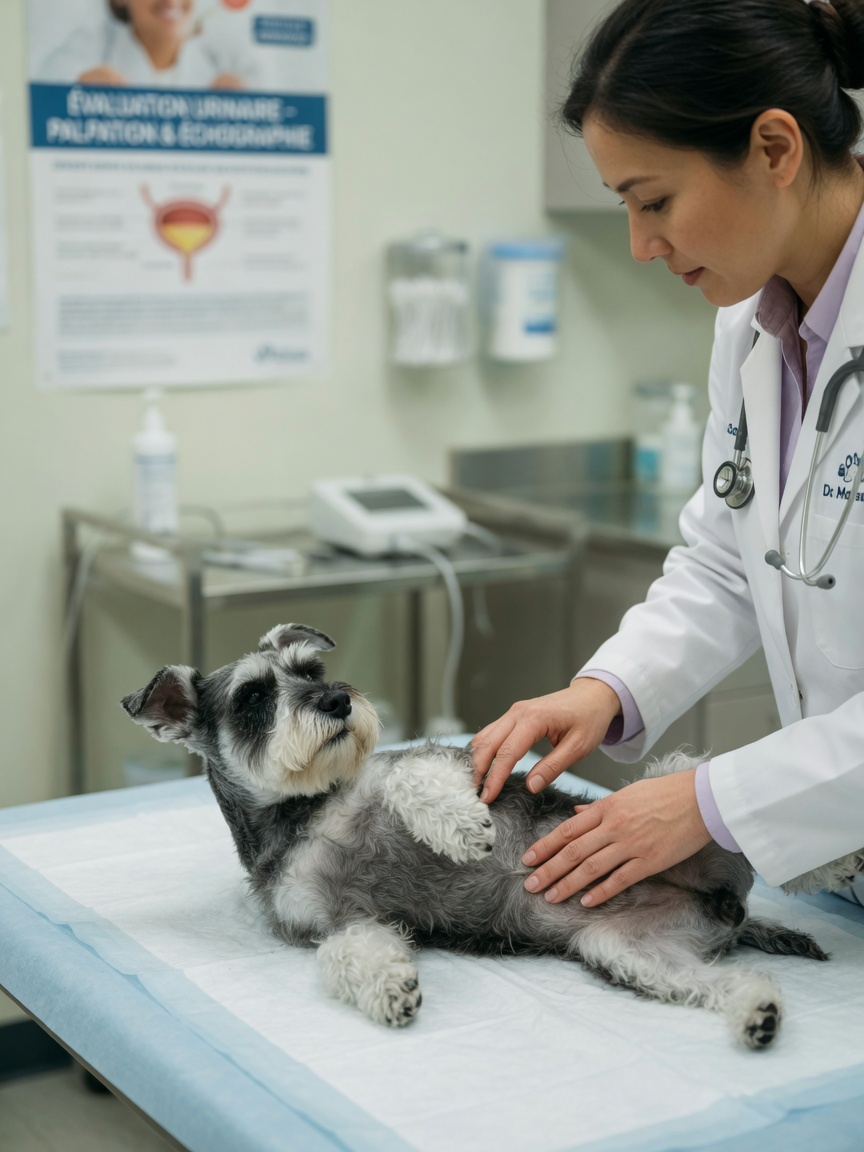
Kale is a significant source of calcium oxalates — naturally occurring plant compounds that bind to calcium in the body. In dogs that are predisposed to calcium oxalate uroliths (bladder or kidney stones), even moderate kale consumption can meaningfully increase the risk of stone formation or recurrence. Calcium oxalate stones are the most common type of urinary stones seen in dogs, and breeds such as Miniature Schnauzers, Bichon Frises, Shih Tzus, Lhasa Apsos, and Yorkshire Terriers are particularly susceptible.
For dogs that have already had a calcium oxalate stone, veterinary nutritionists almost universally recommend avoiding high-oxalate foods entirely. Even in healthy dogs without a history of urinary issues, regular kale feeding provides a consistent oxalate load that may contribute to stone development over time. This is not a theoretical risk — it is a well-documented clinical reality in veterinary practice, and it is the single most important reason to treat kale as a very occasional treat rather than a regular dietary addition.
Isothiocyanates and Thyroid Concerns
Kale belongs to the Brassica family of vegetables, which includes broccoli, cabbage, Brussels sprouts, and cauliflower. All Brassica vegetables contain sulfur-containing compounds called isothiocyanates, which are released when the plant tissue is damaged — for example, when a dog chews it. These compounds can cause gastrointestinal irritation in dogs, leading to gas, bloating, nausea, and loose stools even after relatively small servings.
More concerning for long-term use, isothiocyanates are known goitrogens — substances that interfere with thyroid hormone production. In humans, cooking substantially reduces the goitrogenic activity of Brassica vegetables, but dogs eating raw kale are exposed to the full concentration. For dogs with existing thyroid conditions, including those being treated with thyroid medication, adding kale to the diet is inadvisable without explicit veterinary guidance. Even in thyroid-healthy dogs, large amounts fed frequently could theoretically suppress thyroid function over time, though this has not been well-studied at the specific quantities a dog might realistically consume.
Thiosulfates: A Lower Risk Than Onions, But Still Present
You may have heard that onions and garlic are toxic to dogs due to compounds called thiosulfates, which cause oxidative damage to red blood cells and can lead to hemolytic anemia. Kale also contains thiosulfates, though at concentrations that are far lower than those found in alliums. The practical risk from thiosulfates in kale is considerably smaller — a dog would need to eat truly enormous quantities of kale to reach a dangerous thiosulfate dose. Nevertheless, this is a reason to keep portions small and to exercise particular caution with dogs that have any history of anemia or red blood cell disorders.
How Much Kale Is Safe, and Who Should Avoid It Entirely?
For a healthy adult dog with no history of urinary stones, no thyroid disease, and no known sensitivities, a small piece of kale — roughly one to two small leaves for a medium-sized dog — once or twice per week is unlikely to cause harm. It should always be offered plain, without any seasoning, oils, garlic, or onions. Steaming the kale lightly can reduce both the isothiocyanate content and the risk of GI upset, making it a somewhat safer preparation than raw.
Dogs who should avoid kale entirely include those with a history of calcium oxalate urinary stones or any urinary stone disease, dogs with diagnosed or suspected thyroid conditions, dogs on thyroid medication, small and toy breeds that are genetically predisposed to urolithiasis, and dogs with sensitive gastrointestinal systems. If you are ever uncertain whether your dog falls into one of these categories, a brief conversation with your veterinarian is worthwhile before introducing kale.
Better Greens for Dogs
If you want to offer your dog the benefits of leafy greens without the associated risks of kale, several alternatives are notably safer. Green beans are low in calories, low in oxalates, and well-tolerated by most dogs. Spinach is another option, though it also contains oxalates and should be fed in moderation. Zucchini, cucumber, and romaine lettuce are among the lowest-risk vegetable options and are enjoyed by many dogs as crunchy, hydrating snacks. Blueberries and carrots provide antioxidants without the goitrogenic compounds found in Brassica vegetables. The goal is variety and moderation — no single food, regardless of how nutritious it is for humans, should become a major part of your dog's diet outside of their regular balanced meal.
Key Takeaways
- Kale contains beneficial vitamins and antioxidants but also calcium oxalates, isothiocyanates, and thiosulfates that can harm dogs in excess
- Dogs prone to calcium oxalate bladder or kidney stones should avoid kale entirely — it can directly contribute to stone formation
- Isothiocyanates in kale are goitrogenic and may interfere with thyroid function, particularly with frequent or large servings
- A small amount of plain kale once or twice a week is unlikely to harm healthy adult dogs, but safer green alternatives exist
Looking for safer, vet-approved treat options for your dog? Browse natural dog treats on Zooplus →
References
- Lulich JP, Berent AC, Adams LG, et al. (2016). ACVIM Small Animal Consensus Recommendations on the Treatment and Prevention of Uroliths in Dogs and Cats. Journal of Veterinary Internal Medicine. PMID: 27676622
- Verbrugghe A, Bakovic M. (2013). Peculiarities of One-Carbon Metabolism in the Strict Carnivorous Cat and the Role in Feline Hepatic Lipidosis. Nutrients. PMID: 23486194