
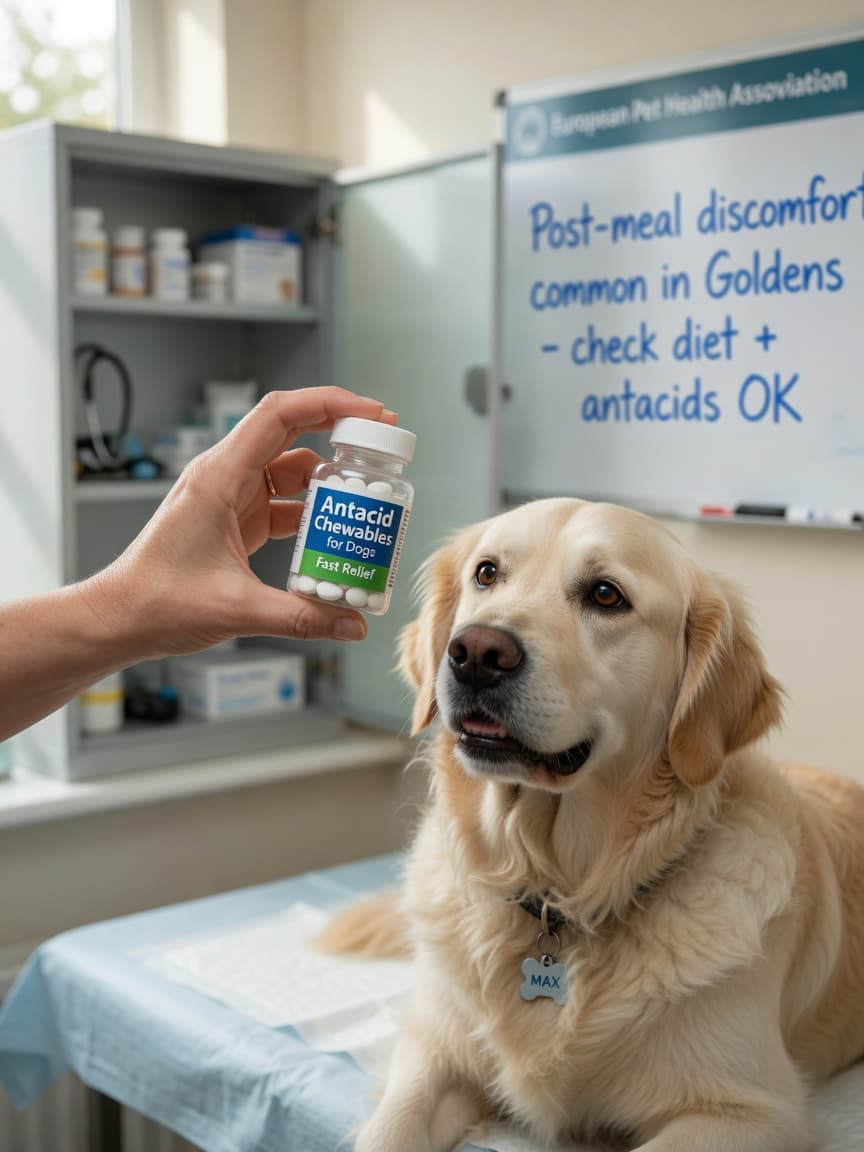
If your dog or cat has been experiencing signs of indigestion or stomach discomfort, you might be tempted to reach for an antacid from your medicine cabinet. While it's natural to want to help your furry companion feel better quickly, giving human antacids to pets without veterinary guidance can be risky. Understanding which antacids might be safe, in what circumstances, and at what dosages is crucial for responsible pet ownership.
Common Types of Antacids and Pet Safety
Antacids work by neutralising stomach acid, and several types are available over-the-counter. However, not all are equally safe for pets:
- Calcium carbonate: Generally considered safer for pets in small quantities, but can cause constipation
- Magnesium hydroxide: Can have a laxative effect and may cause diarrhoea, especially problematic in cats
- Aluminium hydroxide: Relatively safer but should only be given under veterinary supervision
- Sodium bicarbonate: Not recommended for pets due to sodium content and potential metabolic complications
Importantly, antacids containing xylitol (an artificial sweetener) are toxic to dogs and should never be given under any circumstances.
When Might Your Vet Recommend Antacids?
Veterinarians sometimes prescribe antacids or acid-reducing medications for pets experiencing genuine gastric acid issues. Common situations include:
- Acute gastritis or mild indigestion from dietary indiscretion
- Stress-induced acid reflux
- Post-operative nausea and stomach sensitivity
- Chronic conditions requiring long-term management
In these cases, your vet may recommend specific medications, dosages, and duration of treatment tailored to your pet's individual needs, weight, and health status.
Why You Shouldn't Self-Medicate Your Pet
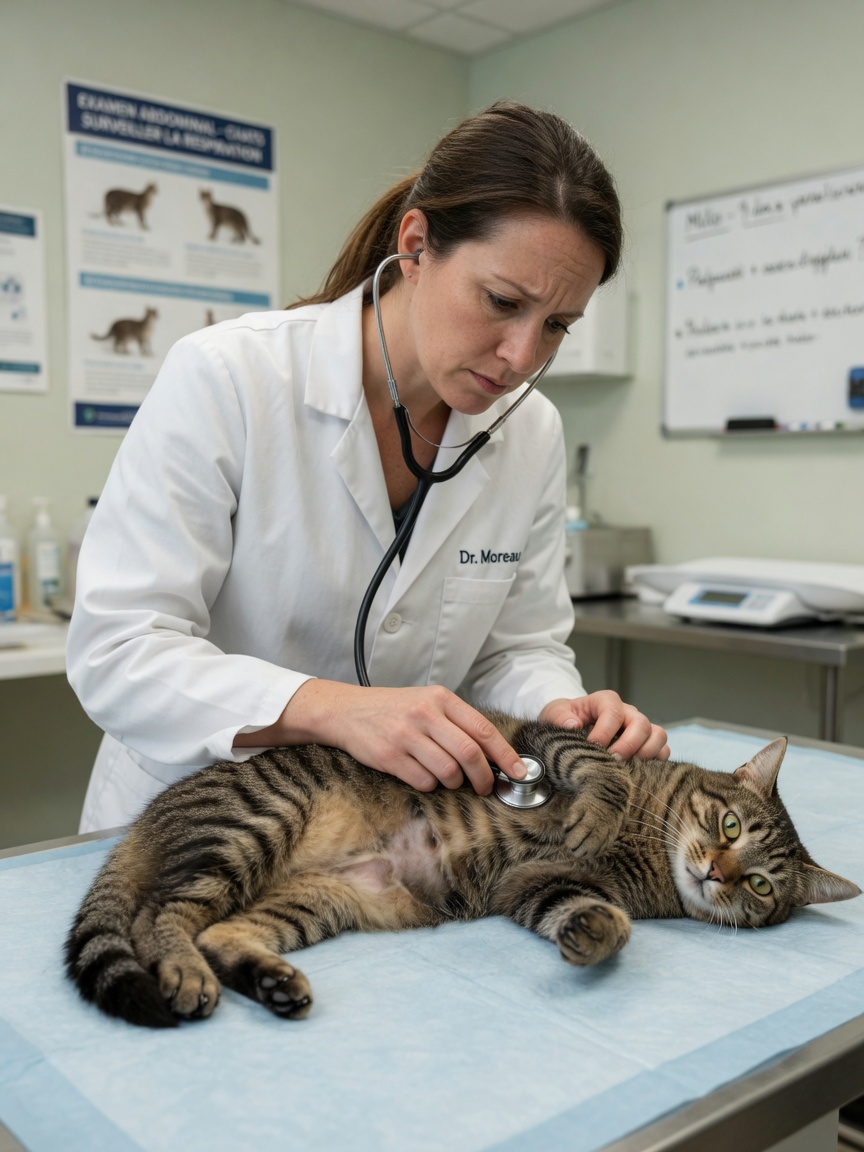
Stomach discomfort in pets can stem from numerous causes, many of which require different treatments. Giving antacids without a diagnosis might mask serious underlying conditions such as:
- Gastrointestinal obstruction or foreign body ingestion
- Pancreatitis
- Kidney or liver disease
- Bacterial or parasitic infections
- Food allergies or intolerances
By treating the symptom rather than the cause, you could delay critical diagnosis and treatment, potentially worsening your pet's condition.
Safe Alternatives and First Steps
If your pet shows signs of digestive upset, consider these safer approaches before reaching for medication:
- Temporary fasting: A 12-24 hour fast (with water available) can help settle an upset stomach
- Bland diet: Plain cooked chicken or white rice in small portions
- Probiotics: Pet-specific probiotics may support digestive health
- Hydration: Ensure your pet has access to fresh water
- Veterinary consultation: Contact your vet for persistent or severe symptoms
When to Contact Your Veterinarian
Seek professional advice promptly if your pet experiences:
- Vomiting or retching lasting more than a few hours
- Abdominal pain or distension
- Loss of appetite for more than 24 hours
- Diarrhoea or constipation lasting several days
- Lethargy or behavioural changes
Key Takeaways
While some antacids are less harmful than others, giving them to your pet without veterinary guidance is not advisable. The safest approach is always to consult your vet before administering any medication, including over-the-counter antacids. Your veterinarian can accurately diagnose the cause of your pet's symptoms and recommend appropriate, safe treatment. Remember, what helps a human with heartburn may not help—and could potentially harm—your beloved companion. When in doubt, reach out to your vet rather than self-treating your pet's digestive issues.