
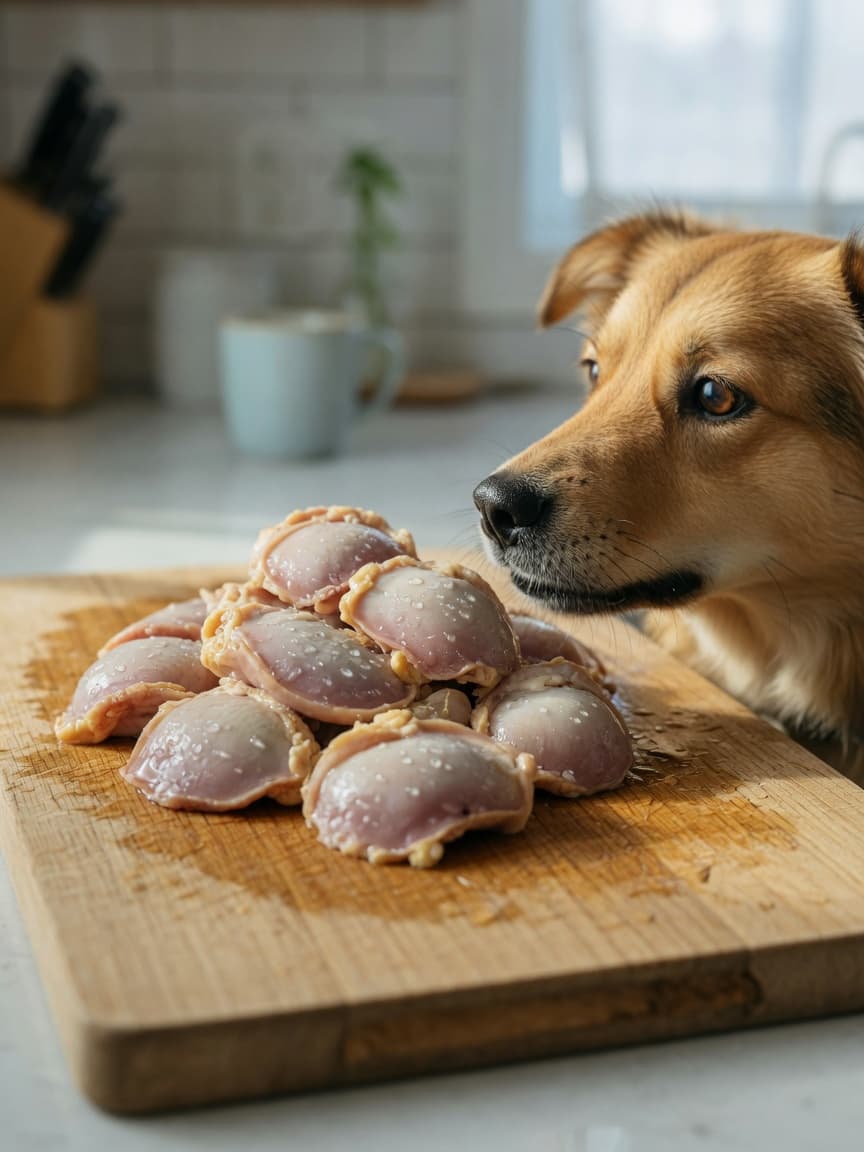
Chicken gizzards are increasingly popular amongst pet owners seeking whole-food nutrition for their dogs, and for good reason. These nutrient-dense organs are not only safe for dogs to eat, but they also offer surprising health benefits when prepared and served correctly. Whether you're considering adding them to your dog's regular diet or wondering if they're suitable for your pet, this guide covers everything you need to know about feeding chicken gizzards safely.
Are Chicken Gizzards Safe for Dogs?
Yes, chicken gizzards are completely safe for dogs when prepared properly. In fact, they're an excellent source of lean protein and essential nutrients that support canine health. Gizzards are muscular organs that help chickens digest food, making them particularly rich in natural enzymes and beneficial compounds.
Unlike some organ meats, gizzards carry minimal risk of bacterial contamination when sourced from reputable suppliers and handled with basic food safety practices. They're far less likely to harbour harmful pathogens than raw chicken meat, making them a relatively safe choice for dogs eating whole-food diets.
Nutritional Benefits of Chicken Gizzards
Chicken gizzards pack impressive nutritional value into a small package:
- High-quality protein: Essential for muscle maintenance, repair, and growth
- B vitamins: Support energy metabolism and nervous system function
- Iron and zinc: Important for immune function and oxygen transport
- Selenium: A powerful antioxidant that protects cells from damage
- Choline: Supports brain health and cognitive function
- Taurine: Particularly important for cardiac health in dogs
These nutrients make gizzards an excellent addition to a balanced diet, especially for working dogs or those with increased nutritional demands.
How to Prepare and Serve Chicken Gizzards
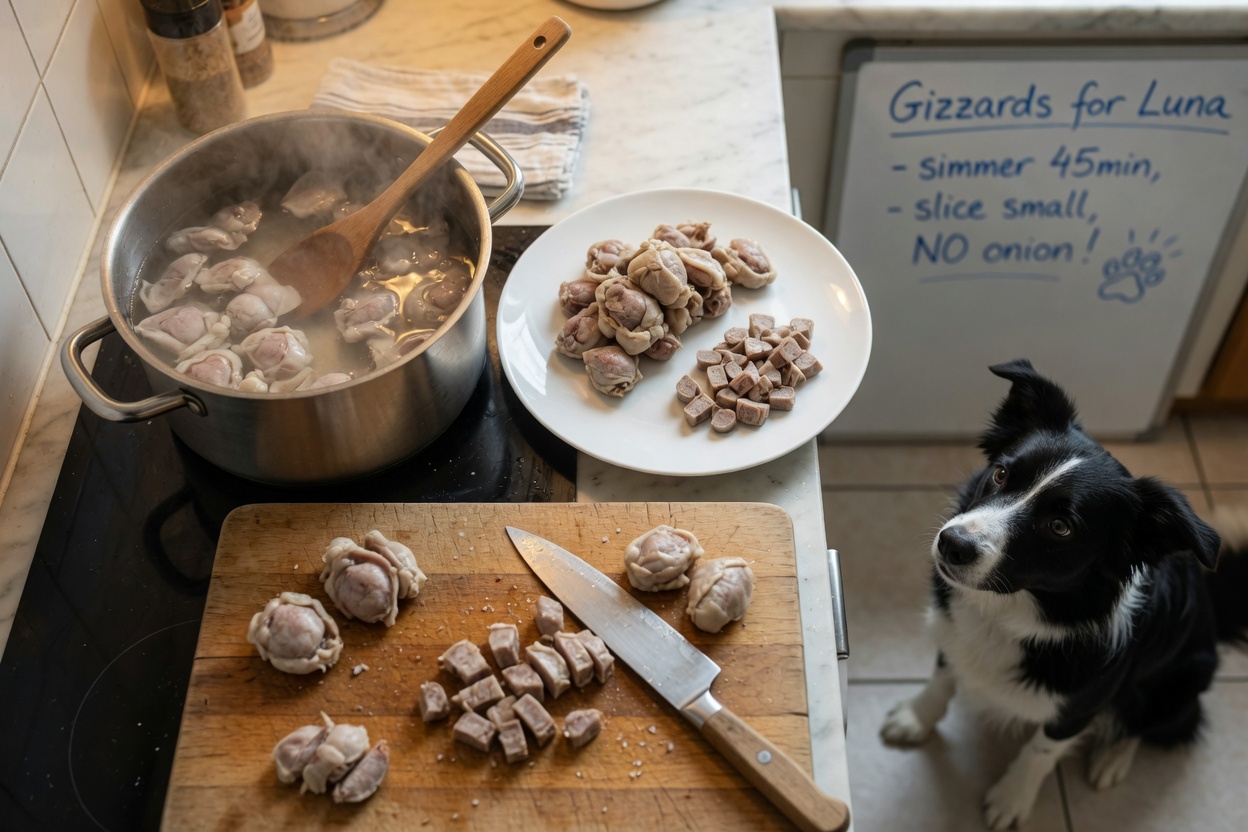
Proper preparation is essential for safety and digestibility. Follow these guidelines:
- Source quality: Purchase gizzards from reputable butchers or suppliers with good hygiene practices
- Clean thoroughly: Rinse under cold water and remove any visible debris
- Cook or freeze: Either cook gently until tender (boiling for 15-20 minutes) or freeze for a minimum of 7 days if serving raw
- Cool before serving: Always allow cooked gizzards to cool to room temperature
- Chop appropriately: Cut into suitable sizes based on your dog's age and size to prevent choking
Cooking is generally the safest option for most pet owners, as it eliminates potential pathogens whilst maintaining nutritional value.
Portion Sizes and Frequency
Gizzards should be treated as a nutritious supplement rather than a meal replacement. Offer them as an occasional treat or meal addition, comprising no more than 10% of your dog's daily caloric intake. For most dogs, this equates to approximately 30-50 grammes, two to three times weekly.
Always introduce new foods gradually over 7-10 days, mixing small amounts with your dog's regular food to allow their digestive system to adapt.
Frequently Asked Questions
Can puppies eat chicken gizzards?
Yes, but only from eight weeks onwards when they're fully weaned. Ensure pieces are appropriately sized to prevent choking.
Are raw gizzards better than cooked?
Both are nutritionally sound when handled safely. Cooked gizzards are generally recommended for most owners due to reduced contamination risk.
Can dogs with allergies eat gizzards?
Chicken gizzards are rarely allergenic and often tolerated by dogs with chicken meat sensitivities, though individual responses vary.
Key Takeaways
Chicken gizzards represent an excellent, nutrient-dense addition to your dog's diet when sourced and prepared safely. Their rich nutritional profile supports everything from muscle health to immune function. Whether you choose to cook or freeze them, always prioritise food safety and introduce them gradually. Consult your veterinary surgeon before making significant dietary changes, particularly if your dog has existing health conditions or digestive sensitivities. With proper preparation and appropriate portions, gizzards can be a delicious and beneficial treat your dog will genuinely enjoy.