
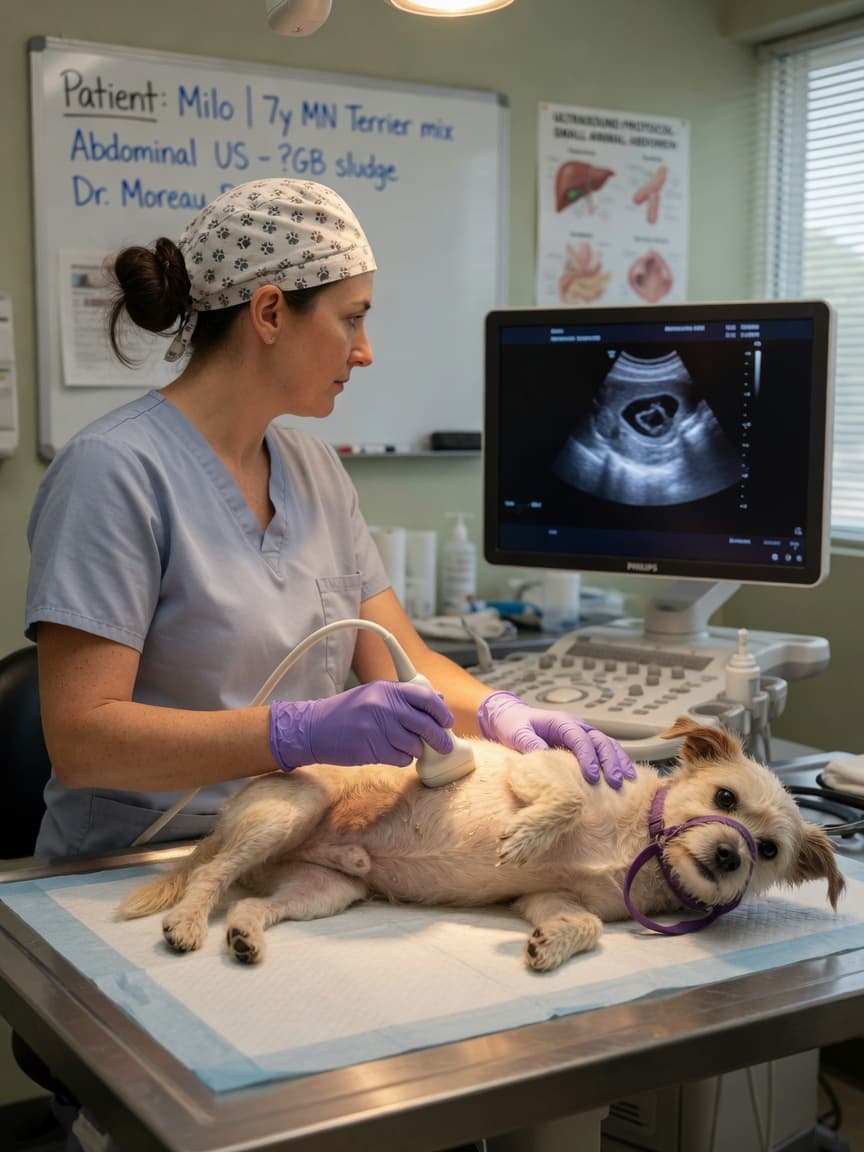
Gallbladder mucoceles in dogs represent one of the most serious yet often overlooked digestive conditions affecting our canine companions. This painful condition occurs when thick, mucous bile accumulates inside the gallbladder, potentially leading to rupture and life-threatening peritonitis. Understanding the signs, risk factors, and management strategies can help you protect your dog's health and catch this condition early when intervention is most effective.
What Is a Canine Gallbladder Mucocele?
A gallbladder mucocele develops when the bile within your dog's gallbladder becomes abnormally thick and mucous-like. The gallbladder's primary role is to store and concentrate bile, which aids in fat digestion. When bile thickens excessively, it cannot flow properly, leading to inflammation and potential obstruction. This condition is particularly concerning because a rupturing gallbladder can spill bile into the abdominal cavity, causing severe infection and shock.
Recognising the Symptoms
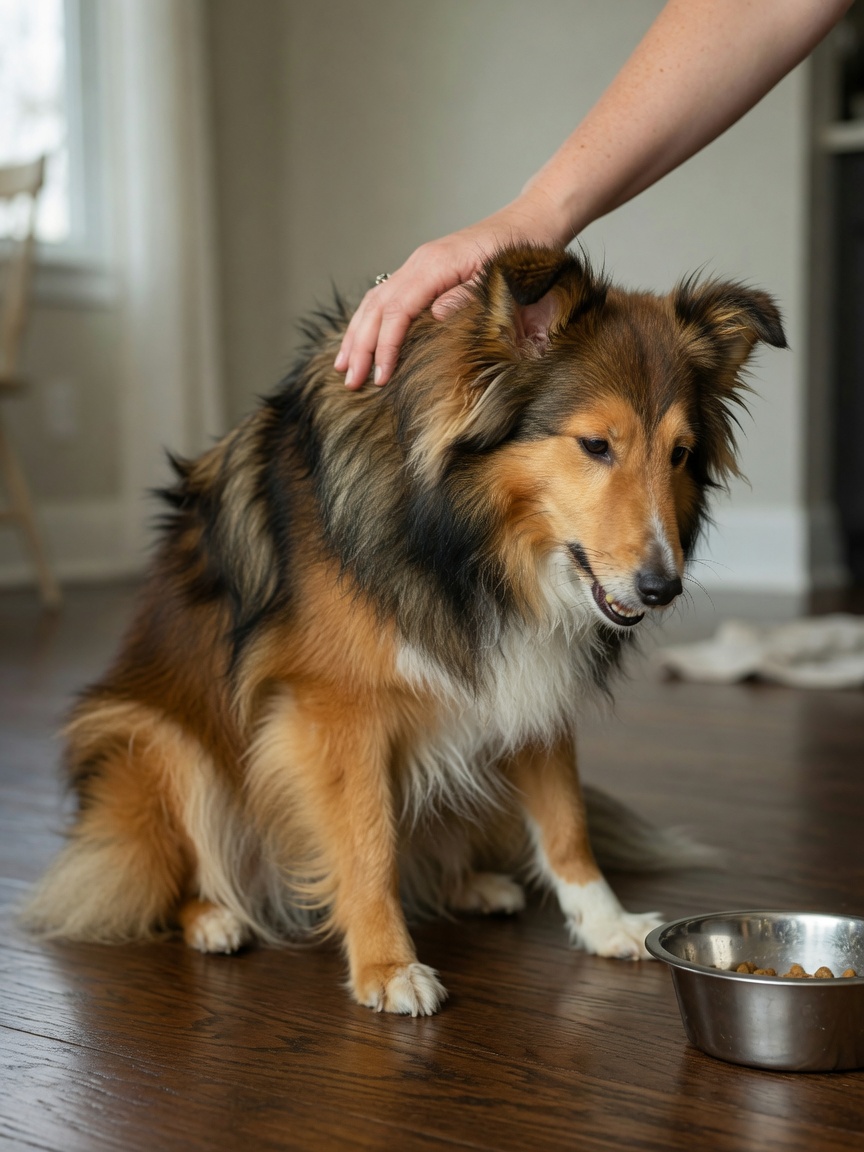
The clinical signs of gallbladder mucoceles can vary significantly, ranging from mild to severe:
- Vomiting and loss of appetite
- Abdominal pain or tenderness
- Lethargy and depression
- Jaundice (yellowing of gums, sclera, and skin)
- Diarrhoea or pale-coloured stools
- Fever in cases of infection or rupture
- Dehydration
- Collapse or shock in ruptured cases
Many affected dogs show gradual symptom onset over days or weeks, though rupture can occur suddenly. If your dog displays any combination of these signs, seek veterinary attention immediately.
Identifying Risk Factors
Whilst gallbladder mucoceles can affect any dog, certain breeds and conditions increase susceptibility:
- Shetland Sheepdogs, Chihuahuas, and Cocker Spaniels show higher predisposition
- Overweight or obese dogs
- Senior dogs, particularly females
- Dogs with hypothyroidism or Cushing's syndrome
- Chronic pancreatitis or inflammatory bowel disease
- High-fat diets
Diagnostic Approach and Veterinary Examination
Your veterinary surgeon will employ several diagnostic tools to confirm gallbladder mucoceles:
- Blood work: Elevated liver enzymes, bilirubin, and white blood cell counts often indicate gallbladder inflammation
- Abdominal ultrasound: The gold standard for visualising bile duct obstruction, gallbladder enlargement, and characterising bile consistency
- Physical examination: Assessment of abdominal pain and jaundice
- Additional imaging: CT scans may be recommended for complicated cases
Treatment Options
Treatment approaches depend on severity and whether rupture has occurred:
Medical Management (uncomplicated cases): Antibiotics, intravenous fluids, anti-nausea medication, and dietary modifications including fat restriction may stabilise mild cases. Close monitoring with repeat ultrasounds is essential.
Surgical Intervention: Cholecystectomy (gallbladder removal) is often necessary, particularly for severe cases, recurrent episodes, or ruptured gallbladders. This definitive treatment eliminates the problematic organ whilst allowing normal bile flow directly into the small intestine.
Long-Term Management and Prevention
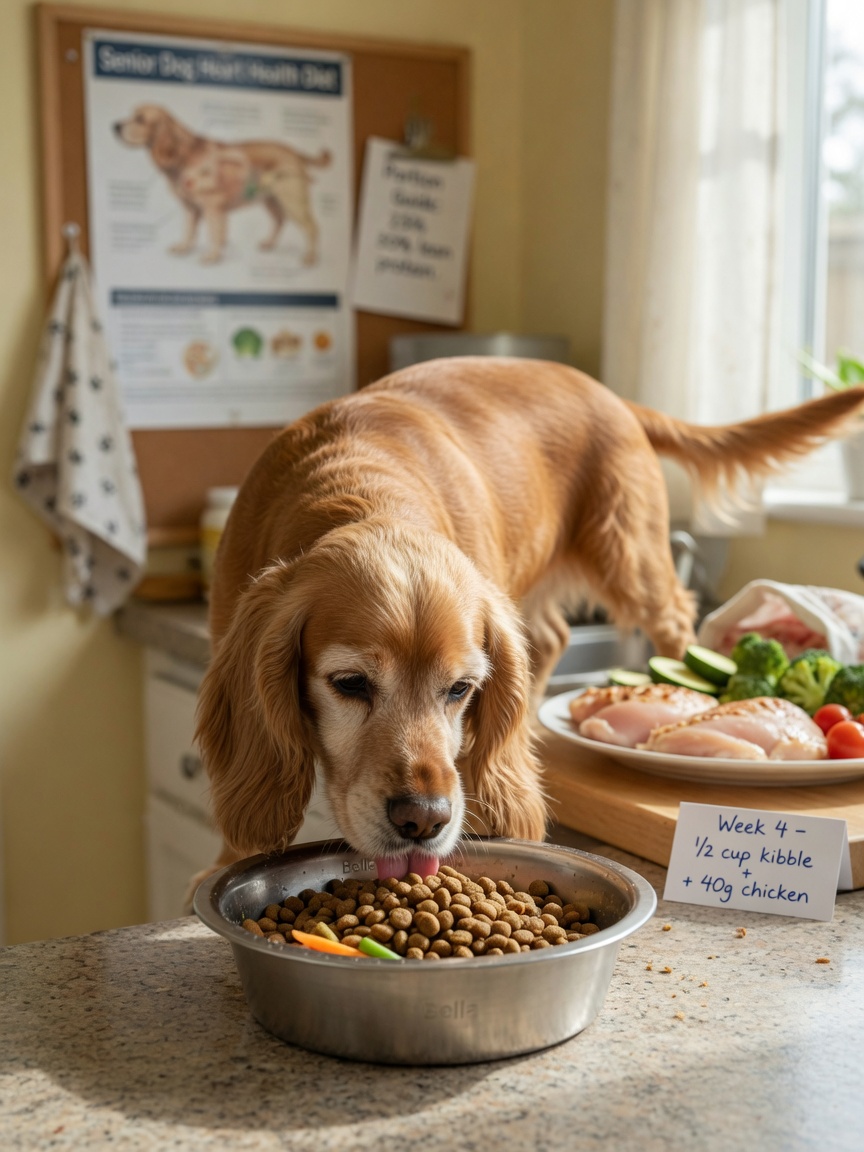
Post-recovery care significantly influences outcomes:
- Feed a high-quality, low-fat diet (less than 10% fat content)
- Maintain healthy body weight through appropriate exercise and portion control
- Manage underlying endocrine conditions properly
- Provide regular veterinary check-ups
- Avoid high-fat treats and table scraps
- Consider supplements such as ursodeoxycholic acid if recommended by your vet
Key Takeaways
Gallbladder mucoceles require prompt recognition and professional intervention. If your dog exhibits vomiting, abdominal pain, or jaundice, arrange urgent veterinary assessment. Breed-predisposed dogs and those with risk factors benefit from preventative dietary management. With appropriate treatment—whether medical or surgical—many dogs recover well and enjoy quality of life. Your vigilance and partnership with your veterinary team are crucial for the best possible outcomes.