
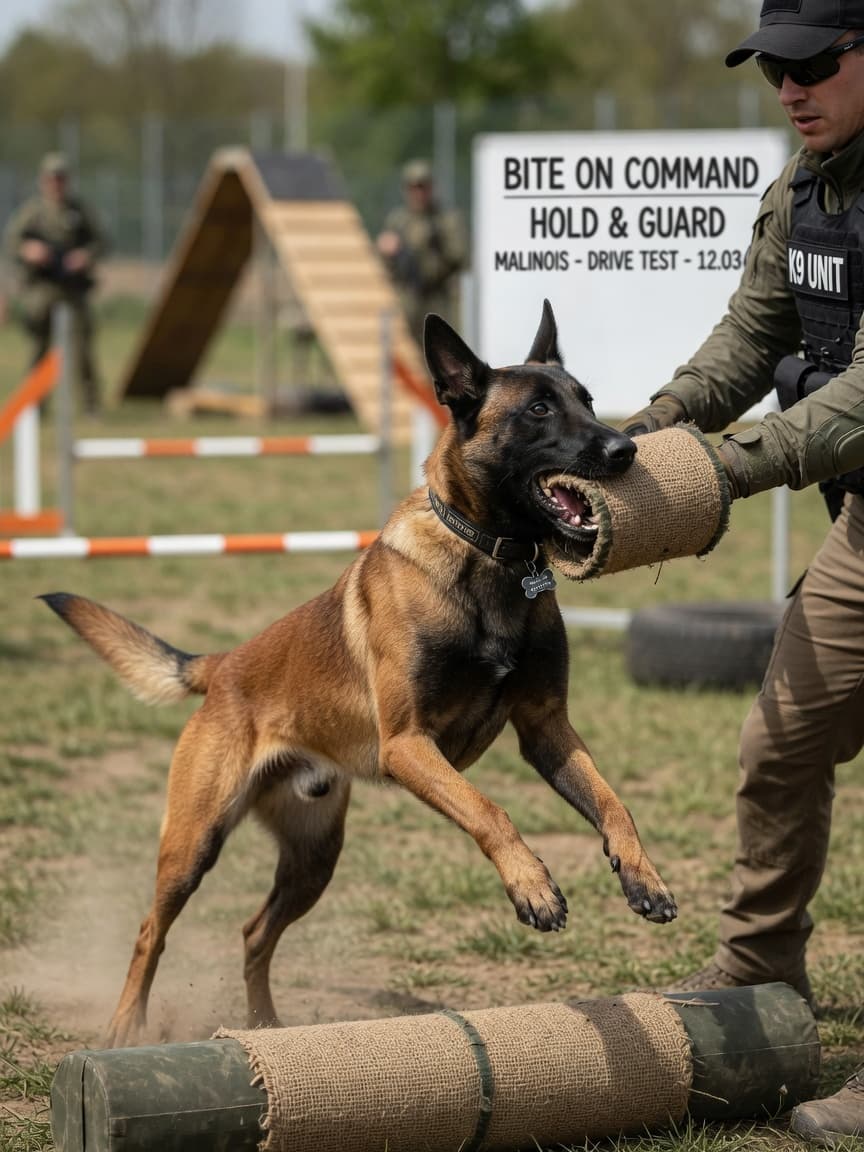
The Belgian Malinois is a highly intelligent, athletic working breed best suited to experienced owners who can provide substantial daily exercise, mental work, and structured training. Prized by police and military forces for their drive and trainability, they are not a relaxed family pet for the average household. The key health headline for this breed is that, despite their tough working reputation, they carry the same joint, eye, and neurological predispositions seen in many medium-to-large active breeds, and lifelong condition-appropriate care makes a real difference to their quality of life.
Breed Overview
- Size: Medium-large; typically 40–60cm at the shoulder, with a lean, athletic build.
- Lifespan: Generally 12–14 years, among the longer lifespans for a breed of this size.
- Coat: Short, straight double coat, usually fawn to mahogany with black overlay (masking) and black ears.
- Origin: Belgium, developed in the late 19th century as a herding and working dog, one of four recognised Belgian Shepherd varieties.
Temperament & Family Fit
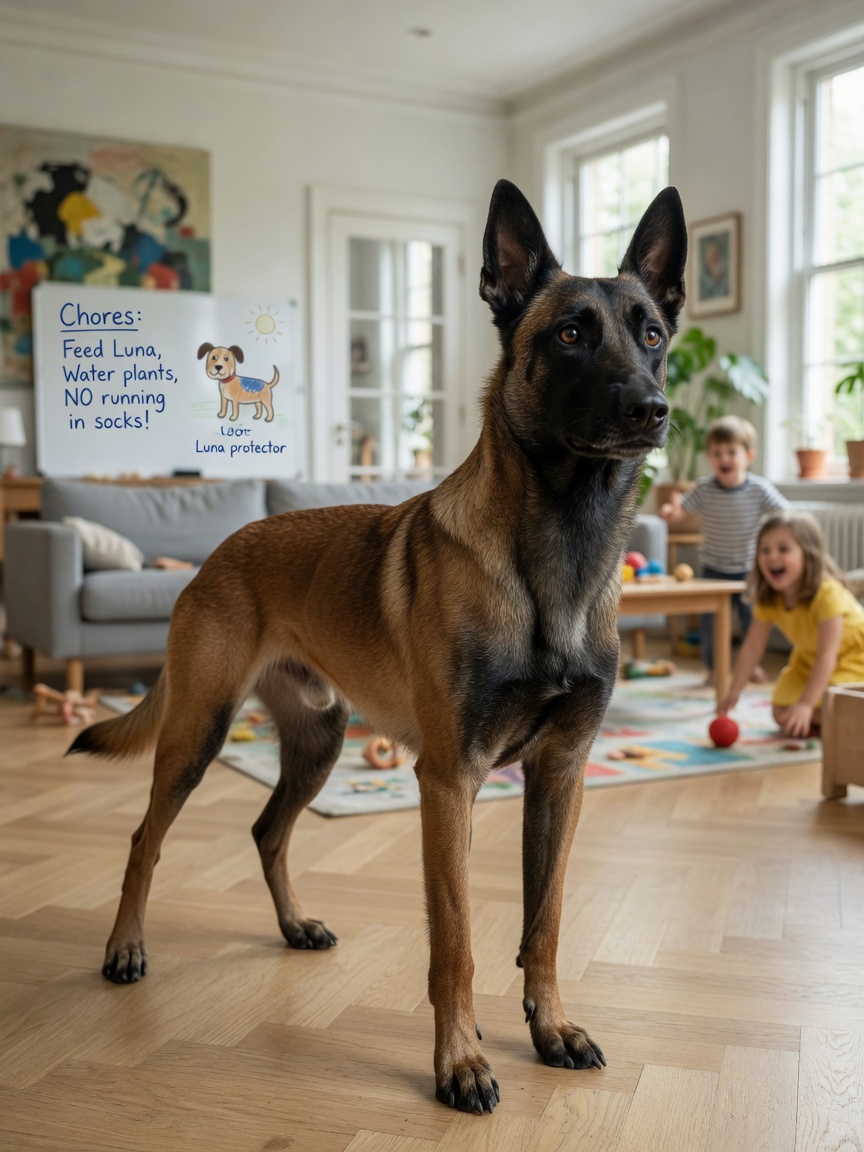
The Belgian Malinois is intensely loyal, alert, and eager to work. They form strong bonds with their handlers and are naturally protective, which makes early and ongoing socialisation important so that watchfulness doesn't tip into over-guarding or wariness of strangers. This is a breed built for a job — historically herding, and now widely used in police, military, and detection work — and that working drive doesn't switch off simply because a dog lives in a house rather than a kennel.
They can do well in families that are active, consistent, and experienced with dogs, but they are a poor match for first-time owners or households wanting a low-key companion. Malinois are typically fine with children they've grown up with, provided interactions are supervised, but their herding instincts (nipping at heels, chasing) and high energy can be overwhelming for very young children or small pets. Boredom and under-stimulation are the biggest risk factors for problem behaviours in this breed, including destructiveness, excessive barking, and reactivity. Owners noticing signs of stress or frustration in their dog may find it helpful to read about dog anxiety, as anxious or under-exercised Malinois can present with similar behavioural symptoms.
Health Issues in Belgian Malinoiss
The Belgian Malinois is a generally robust and long-lived breed compared with many purebred dogs, but it is not free from inherited and developmental health concerns. The conditions below are those most commonly reported and discussed by vets and breed health schemes.
Hip Dysplasia
Hip dysplasia is a developmental condition where the hip joint doesn't form or fit together properly, leading to instability, wear, and eventually arthritis. It's a concern in many active medium and large breeds, including the Malinois, particularly in dogs bred without health screening of the parents.
Early signs can include a bunny-hopping gait when running, reluctance to jump into a car or onto furniture, stiffness after rest, or intermittent lameness in one or both hind legs. Symptoms sometimes first appear during rapid growth phases in puppyhood, and understanding what's normal during this period is useful — see our puppy growth stages guide for context.
Owners can reduce risk by choosing puppies from parents with documented hip scores, avoiding excessive high-impact exercise (jumping, repeated stair use, forced long runs) before the growth plates close, and maintaining a lean body condition throughout life, since excess weight significantly increases joint strain. If dysplasia develops, many dogs are managed successfully long-term with weight control, joint supplements, tailored exercise, and pain relief; our guide to arthritis in dogs management covers strategies that apply to hip-related joint disease as dogs age.
Elbow Dysplasia
Similar in concept to hip dysplasia, elbow dysplasia refers to abnormal development of the elbow joint, which can cause pain, stiffness, and progressive arthritic change, usually in the front legs. It's a recognised issue in working and herding breeds with high physical demands placed on the forequarters.
Signs to watch for include forelimb lameness (often worse after exercise or first thing in the morning), a shortened stride, or holding a leg slightly out when standing. Diagnosis typically requires veterinary examination and imaging. As with hip dysplasia, screening of breeding stock, keeping puppies at a healthy lean weight, and avoiding excessive repetitive impact during growth are the main preventive steps available to owners.
Degenerative Myelopathy
Degenerative myelopathy is a progressive spinal cord disease seen in a number of breeds, including the Belgian Malinois, that causes gradual loss of coordination and strength in the hind limbs. It typically appears in older dogs and worsens slowly over months.
Early signs include dragging of the hind paws (sometimes noticed as scuffed nails), swaying of the hindquarters, or difficulty rising from a lying position, without obvious pain. Because these signs overlap with arthritis and other orthopaedic problems, veterinary assessment is important to reach the correct diagnosis. There's no cure, but physiotherapy, controlled exercise, and supportive equipment such as harnesses can help maintain mobility and quality of life for longer. Genetic testing is available and can inform breeding decisions.
Intervertebral Disc Disease (IVDD)
IVDD occurs when the cushioning discs between the vertebrae bulge or rupture, putting pressure on the spinal cord. While it's more strongly associated with short-legged breeds, it is also reported in athletic breeds like the Malinois, likely linked to their high-impact activity levels, jumping, and abrupt movements during work or play.
Signs range from mild (reluctance to jump, arched back, yelping when touched) to severe (wobbly gait, dragging limbs, or sudden inability to walk), and sudden severe signs are a veterinary emergency. Owners can help reduce risk by avoiding repetitive jumping onto hard surfaces, using ramps for cars where practical, and keeping the dog at a healthy weight to reduce spinal loading.
Progressive Retinal Atrophy and Other Eye Conditions
Progressive retinal atrophy (PRA) is an inherited condition causing gradual deterioration of the retina, leading to progressive vision loss and eventual blindness. It's slow-developing and dogs often adapt well, especially in familiar environments. Cataracts and other inherited eye conditions are also occasionally reported in the breed.
Early signs include reluctance to move in dim light, bumping into furniture at dusk, or increased hesitancy on stairs. There is no treatment to reverse PRA, but confirming the diagnosis via a veterinary ophthalmologist is useful for management and for informing breeding decisions, since responsible breeders screen for heritable eye disease.
Epilepsy
Idiopathic epilepsy, a seizure disorder with no identifiable underlying cause other than a presumed genetic component, is reported in the Belgian Malinois as it is in many breeds. Seizures typically first appear between one and five years of age.
Signs of a seizure include sudden collapse, paddling of limbs, loss of consciousness, and disorientation afterwards. Any dog experiencing a first seizure should be seen by a vet promptly to rule out other causes (such as toxin exposure or metabolic disease) before an epilepsy diagnosis is confirmed. Many dogs are well controlled long-term with anti-seizure medication and regular veterinary monitoring.
Skin and Allergic Conditions
Like many active, short-coated breeds, Malinois can develop skin allergies or sensitivities, sometimes linked to environmental allergens, fleas, or food. Working dogs exposed to varied outdoor environments may be more prone to picking up irritants or allergens.
Signs include persistent scratching, licking of paws, recurrent ear infections, redness, or hair loss in specific areas. If you notice these signs, it's worth reading our dog skin allergies guide for practical steps, and discussing diagnostic options such as elimination diets or allergy testing with your vet.
Nutrition & Feeding
Belgian Malinois are lean, high-drive dogs with substantial energy requirements, particularly if they're working, training intensively, or competing in dog sports. A good-quality diet appropriate to their life stage and activity level is essential — working or highly active adults often need considerably more calories than the average pet dog of similar size, while less active companions need portions adjusted downward to avoid unwanted weight gain.
Because excess weight adds strain to joints already predisposed to dysplasia and arthritis, body condition should be monitored regularly, with ribs easily felt (though not visible) and a visible waist from above. Puppies should be fed a diet formulated for growth, with attention to appropriate calcium and phosphorus levels to support steady, controlled bone development rather than overly rapid growth — again, our puppy growth stages guide is a useful reference for this stage.
Chicken is a common protein source in commercial diets and is generally well tolerated, though some dogs develop sensitivities; see can dogs eat chicken for more detail if you're considering diet changes. For dogs with suspected food sensitivities, a hypoallergenic dog food guide can help explain the options, and some owners explore probiotics for dogs evidence to support digestive and skin health, though this should complement, not replace, veterinary advice. As Malinois enter their senior years, transitioning to a diet designed for older dogs can help manage weight and joint comfort — see best dog food senior dogs for guidance.
Grooming & Care
The Malinois' short double coat is relatively low-maintenance in terms of styling but does shed, with heavier seasonal shedding typically occurring twice a year. Weekly brushing is usually sufficient to remove loose hair and keep the coat and skin healthy, increasing to several times a week during heavy shedding periods.
Routine care should also include regular nail trimming, ear checks (particularly important given their upright ear shape, which is generally less prone to infection than floppy-eared breeds but still benefits from checks), and consistent dental care. Dental disease is common across dog breeds generally, and starting a dental routine early makes a meaningful long-term difference — our dog dental care guide covers brushing techniques and other practical options.
Exercise & Training Needs
This is arguably the single most important section for prospective owners to take seriously: the Belgian Malinois has exceptionally high exercise and mental stimulation needs, well above those of most companion breeds. They were bred for sustained physical work and problem-solving, and a Malinois left under-exercised or under-stimulated is highly likely to develop behavioural problems, including destructiveness, excessive barking, hyperactivity, or anxiety-related behaviours.
Daily exercise should combine both physical activity (running, structured play, agility, or working-style exercises) and mental engagement (training sessions, scent work, puzzle feeders, obedience or sport disciplines such as IGP, agility, or herding trials). Many Malinois thrive with a "job" — even a simulated one — and tend to do best with owners who enjoy ongoing training as a shared activity rather than a box-ticking exercise.
Early, consistent, reward-based training and socialisation are essential, ideally starting in puppyhood and continuing throughout life. Their intelligence means they learn quickly, for better or worse — bad habits become established just as fast as good ones. Given their strong drive and sometimes reactive tendencies around unfamiliar people, animals, or situations, working with an experienced trainer or behaviourist is often worthwhile, and understanding the signs of stress can help owners intervene early; see our guide on dog anxiety for further reading.
FAQs
Are Belgian Malinois good family dogs?
They can be, but only in the right household. Malinois need an experienced, active owner committed to daily exercise and ongoing training. They are not typically recommended as a first dog or for families seeking a low-energy companion, though with sufficient structure and stimulation, they can be devoted and affectionate family members.
How much exercise does a Belgian Malinois need?
Considerably more than most breeds — typically well over an hour of varied physical activity daily, plus regular mental stimulation through training or structured tasks. Working-line Malinois in particular often need a genuine job or sport outlet to stay content.
Do Belgian Malinois have many health problems?
They are generally a robust breed with a good lifespan, but like most purebred dogs they have recognised predispositions, including hip and elbow dysplasia, certain eye conditions, epilepsy, and spinal issues such as IVDD or degenerative myelopathy. Choosing a health-screened breeder and maintaining a healthy weight and activity level throughout life both help reduce risk.
Is the Belgian Malinois the same as a German Shepherd?
No, though they're often confused due to similar colouring and build. They are distinct breeds with different origins, and the Malinois is generally lighter, leaner, and has an even higher energy and working drive than the average German Shepherd.
This guide is intended for general information purposes only and does not replace individual veterinary advice. Always consult your vet for guidance specific to your dog's health, history, and needs.