
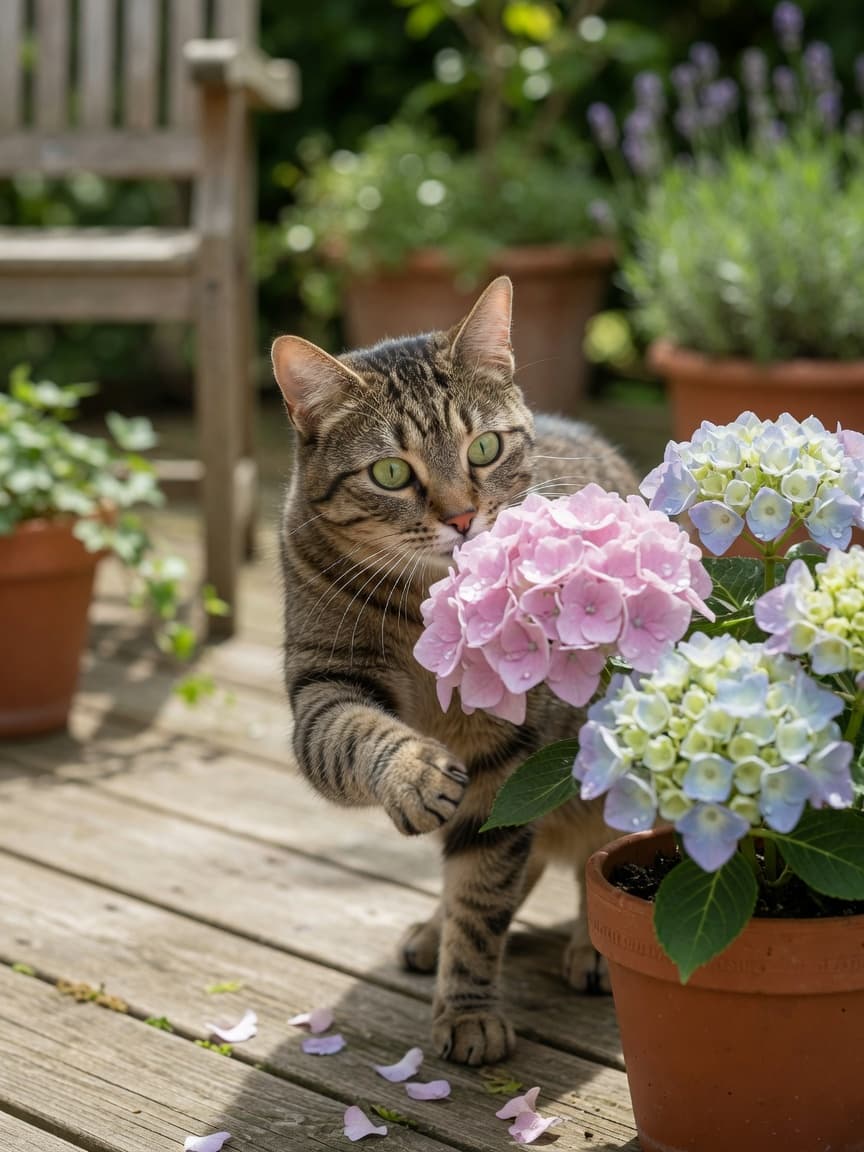
If you're a cat owner with a love for gardening, you've probably wondered whether your feline friend is safe around your prized hydrangeas. The short answer is: yes, hydrangeas are toxic to cats, and whilst they're rarely life-threatening, they can cause genuine discomfort. Understanding the risks and knowing how to keep your cat safe is essential for responsible pet ownership. Let's explore what you need to know about hydrangeas and your curious companion.
What Makes Hydrangeas Toxic to Cats?
Hydrangeas contain cyanogenic glycosides, compounds that can release cyanide when the plant material is ingested and broken down in the cat's digestive system. These toxic compounds are found throughout the plant, including the leaves, buds, and flowers. The concentration varies depending on the plant's maturity and growing conditions, but even small amounts can cause mild to moderate poisoning in cats.
Whilst the amount of cyanide released is typically not fatal in most cases of accidental ingestion, it's still significant enough to warrant concern and veterinary attention if exposure occurs.
Signs of Hydrangea Poisoning in Cats
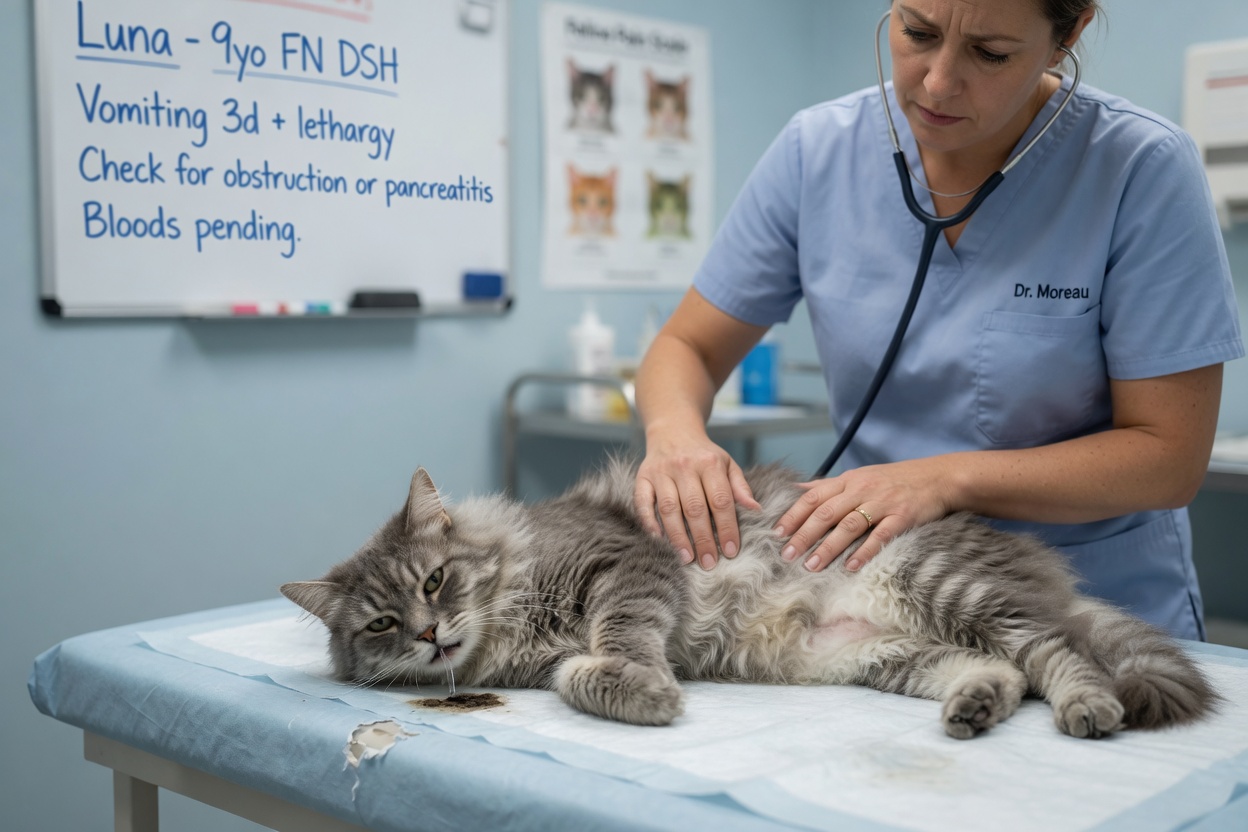
If your cat has nibbled on hydrangea leaves or flowers, watch for these symptoms:
- Vomiting and diarrhoea
- Lethargy or unusual tiredness
- Loss of appetite
- Abdominal pain or discomfort
- Drooling or excessive salivation
- Difficulty breathing (in severe cases)
Symptoms typically appear within 1-3 hours of ingestion. If you notice any of these signs and suspect your cat has eaten hydrangea, contact your veterinarian immediately.
Risk Factors: Is Your Cat at Risk?
Not all cats will be equally affected by hydrangea exposure. Several factors influence the severity of poisoning:
- Amount consumed: Larger quantities pose greater risk than a single leaf or flower
- Cat's size and age: Smaller cats and kittens are more vulnerable to toxins
- Overall health: Cats with existing kidney or digestive issues may experience more severe symptoms
- Plant part ingested: Buds may contain higher toxin concentrations than mature flowers
Outdoor cats and curious kittens face the highest risk, as they're more likely to explore and sample plants.
Practical Steps to Protect Your Cat
Prevention is always better than treatment. Here's how to keep your feline friend safe:
- Remove hydrangeas from accessible areas: If you keep hydrangeas indoors, place them in rooms where your cat cannot venture unsupervised
- Create a cat-safe garden: Consider replacing hydrangeas with pet-safe alternatives like spider plants, cat grass, or African violets
- Supervise outdoor time: Monitor your cat when they're in the garden, particularly if hydrangeas are growing nearby
- Educate family members: Ensure everyone in your household understands the danger and knows not to let cats near the plants
- Provide alternatives: Offer cat-safe plants and chew toys to satisfy your cat's natural curiosity
What to Do If Your Cat Eats Hydrangea
If you suspect your cat has ingested hydrangea, act quickly:
- Remove your cat from the area immediately
- Contact your veterinarian or emergency animal poison control centre
- Have information ready: how much was eaten, which plant part, and when
- Do not induce vomiting unless instructed by your vet
- Follow veterinary guidance regarding treatment, which may include supportive care and monitoring
Key Takeaways
Hydrangeas are definitely toxic to cats, but with sensible precautions, you can enjoy your garden whilst keeping your pet safe. Remove or restrict access to these plants, provide alternatives, and remain vigilant. Most cases of accidental ingestion result in mild symptoms that resolve with veterinary care. By understanding the risks and taking preventative action, you can create a harmonious environment where both your cat and your garden thrive safely.