
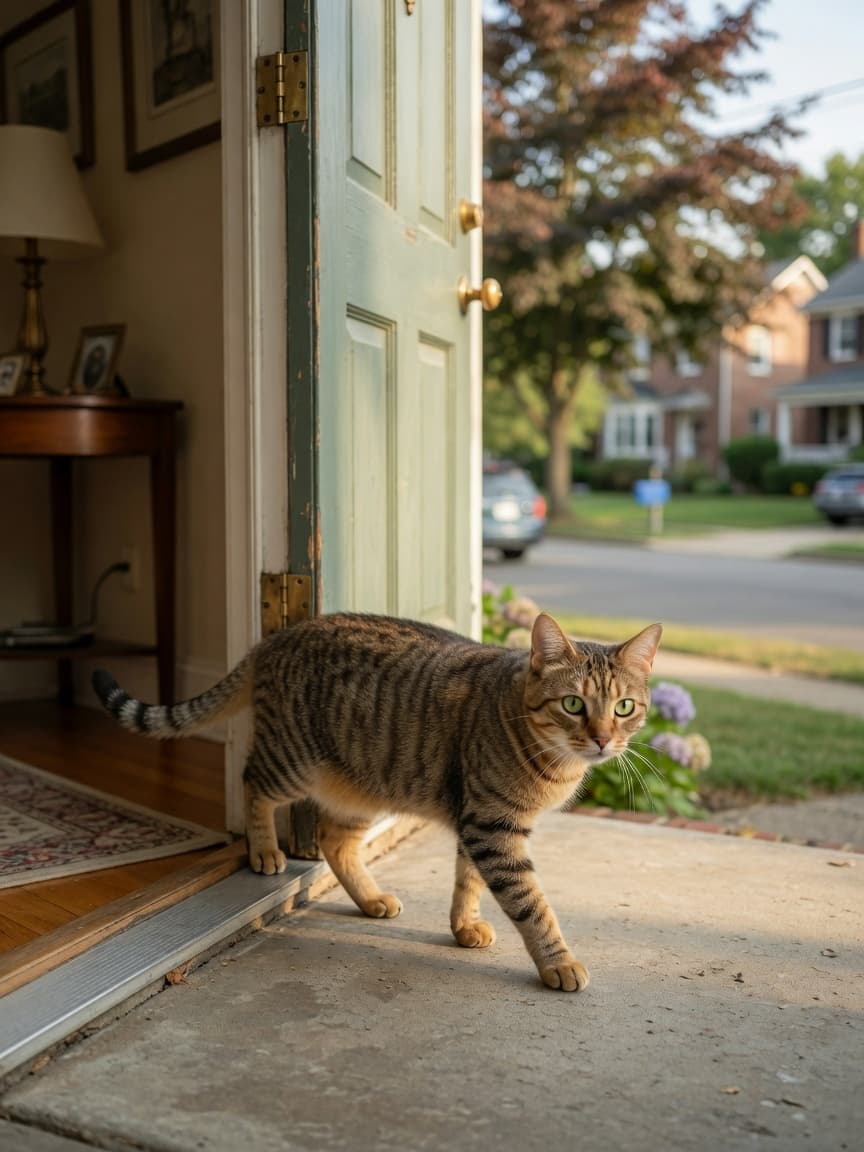
Every pet owner's worst nightmare is watching their beloved cat slip through an open door and disappear into the neighbourhood. Yet despite our fears, many cats do manage to find their way home, often after days or even weeks away. Understanding why cats run away in the first place—and how their remarkable navigation abilities help them return—can help you prevent escapes and know what to do if your cat goes missing.
Why Do Cats Run Away?
Cats don't run away in the traditional sense like dogs might. Instead, they wander, explore, and sometimes don't return. The reasons vary considerably:
- Mating Instinct: Unneutered or unspayed cats are driven by powerful hormonal urges to find mates, particularly during spring and autumn. This is one of the most common reasons for cat escapes.
- Territory Exploration: Cats are curious creatures with a natural instinct to patrol and expand their territory. An open door presents an irresistible opportunity.
- Stress or Change: Moving house, new pets, or household disruptions can cause anxious cats to flee in search of familiar surroundings.
- Medical Issues: Cats experiencing pain, thyroid problems, or cognitive dysfunction may behave unpredictably and wander away.
- Prey Drive: Birds, small rodents, and insects can lure even contented indoor cats outside.
- Accidental Escape: Sometimes cats simply slip out unexpectedly when doors or windows are left open.
How Do Cats Navigate Home?

Cats possess several sophisticated navigation systems that help them find their way home, even from unfamiliar locations.
The Olfactory Map
Cats have an extraordinary sense of smell—approximately 14 times more powerful than humans. They create detailed mental maps of their neighbourhood using scent markers, including their own scent glands and the odours of other cats, plants, and familiar landmarks. Within a familiar territory, they use these scent trails like GPS coordinates.
The Magnetic Compass
Research suggests cats may possess magnetoreception—the ability to sense the Earth's magnetic field. This innate compass helps them maintain directional awareness, particularly over longer distances.
Visual Memory
Cats remember visual landmarks within their territory remarkably well. Familiar trees, houses, and street features help them navigate by sight, especially when they've lived in an area for some time.
The Sun Position
Like many animals, cats likely use the sun's position to maintain a sense of direction and time, providing additional navigational cues.
How Far Can Cats Travel?
Research published in animal behaviour journals shows that lost cats typically stay within a 200-metre radius of their home, though some travel further. Indoor cats taken to new locations often struggle more than outdoor cats accustomed to exploration. Studies indicate that cats found after going missing were usually discovered within their original territory or along pathways between their home and other familiar locations.
Preventing Cat Escapes

- Ensure your cat is spayed or neutered, which dramatically reduces escape behaviour
- Use secure carriers and cat baskets for travel
- Install cat-proof fencing or outdoor enclosures if you wish to provide garden access safely
- Maintain a consistent routine to reduce stress-related wandering
- Microchip your cat and ensure your contact details are current with the registry
- Keep updated photographs of your cat for identification purposes
- Create a safe indoor environment with enrichment to reduce escape motivation
What To Do If Your Cat Goes Missing
- Search nearby hiding places immediately—sheds, garages, and bushes
- Notify local animal shelters, vets, and microchip registries
- Post on local social media groups and lost pet websites
- Leave out familiar-smelling items and your cat's litter tray outside
- Search at dawn and dusk when it's quieter
- Check with neighbours and local businesses
Key Takeaways
Whilst cats possess remarkable navigation abilities, preventing escapes through spaying, microchipping, and environmental enrichment is far more reliable than hoping they'll find their way home. Most cats can navigate familiar territories successfully, but the stress, dangers, and uncertainty make prevention the best strategy. By understanding what drives cats to wander and implementing protective measures, you can keep your feline friend safe and secure for years to come.