

Have you ever wondered whether your dog remembers their mother, littermates, or the place where they were born? It's a question that tugs at many dog owners' hearts, especially those who've rescued adult dogs or adopted puppies early in life. The answer is more nuanced than a simple yes or no, and understanding how canine memory works can deepen your appreciation for your dog's emotional world.
How Canine Memory Works
Dogs possess several types of memory that function differently from human memory. Research suggests that dogs have an excellent sense of smell-based memory, which they rely on far more than visual recognition. When a dog encounters their biological parent again, they're likely recognising them primarily through scent rather than visual recall.
Studies indicate that dogs can retain information for several months to years, depending on the significance of the experience and how frequently it's reinforced. However, their memory isn't narrative or autobiographical like ours—they don't reminisce about events the way humans do.
Recognising Their Littermates and Mother
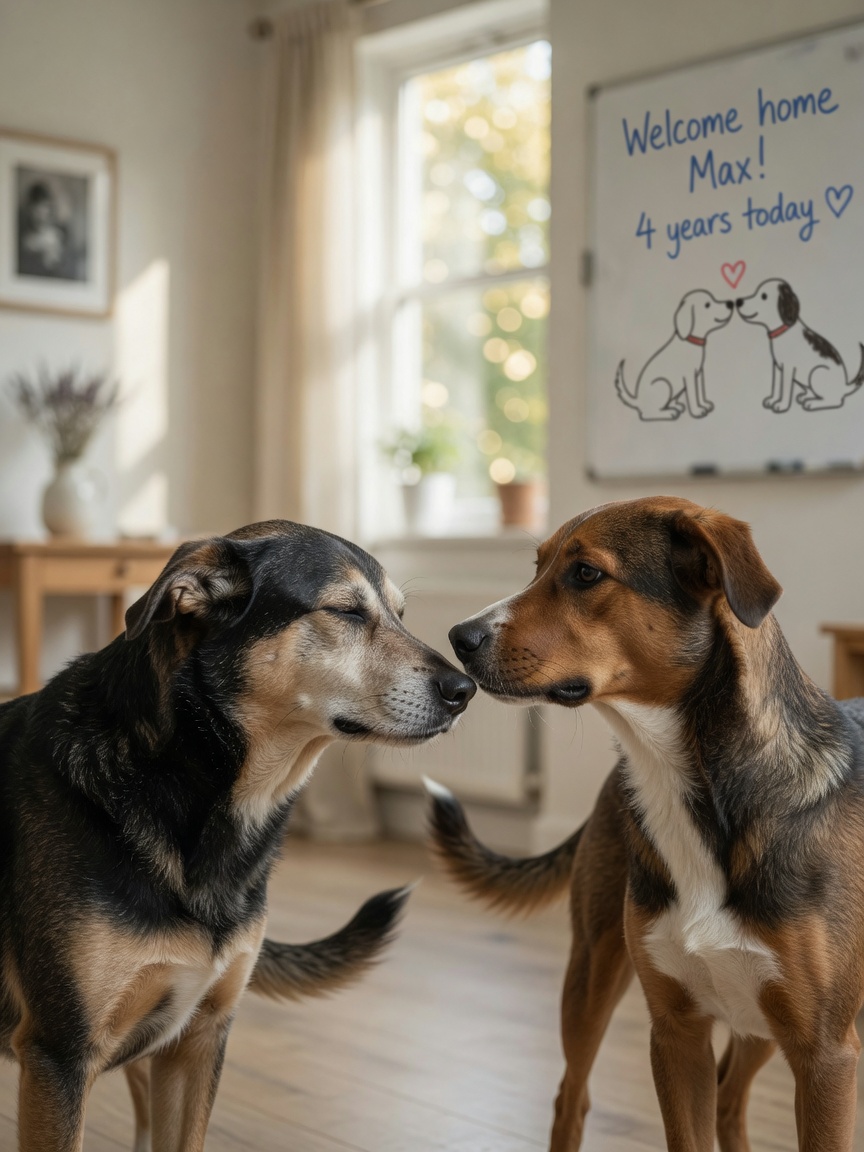
If puppies remain with their mother and littermates until 8-12 weeks of age, they do develop bonds and scent-based recognition. Research suggests that adult dogs can recognise their littermates and mother if reintroduced, particularly through scent.
However, the emotional significance differs from human family relationships. Dogs separated from their litter early—which is the norm for most pet dogs—typically don't experience lasting grief or search for their biological family members. This is actually adaptive; in the wild, young dogs naturally disperse to avoid inbreeding.
The Role of Critical Imprinting Periods
The imprinting period in puppies occurs between 3-12 weeks of age. During this time, puppies form attachments and learn social skills. Early separation from their mother doesn't cause lasting trauma if the puppy receives proper socialisation with humans and other dogs.
What matters most during this period is:
- Adequate socialisation with humans and other animals
- Consistent, gentle handling
- A safe, enriching environment
- Appropriate weaning (typically by 8 weeks)
Your Dog's "Parents" Are You
Here's the heartwarming truth: the most important parental figures in your dog's life are you and your family. Dogs form powerful bonds with their caregivers, particularly those who provide food, safety, and companionship during their formative months with you.
Your dog's attachment to you is far more significant than any memory of their biological mother. This bond develops through daily interaction, consistent care, and positive experiences together. The relationship you build creates lasting neural pathways that shape your dog's behaviour, emotional security, and personality throughout their life.
What About Rescue Dogs and Early Separation?
If you've adopted a rescue dog separated from their mother early, there's no need for guilt. Early separation doesn't cause lasting psychological damage if the puppy received proper care. Many dogs thrive beautifully after early removal from their mothers, particularly when raised in loving homes.
Signs of a well-adjusted dog include:
- Secure attachment to their primary caregiver
- Appropriate social behaviour with other dogs
- Manageable stress response to novel situations
- Ability to form new bonds and trust relationships
Key Takeaways
Dogs do have memory and can recognise littermates or mothers through scent if reintroduced. However, they don't experience lasting grief or longing for biological family members the way humans might. Instead, they're remarkable creatures capable of forming profound bonds with their human families—bonds that matter far more than genetic connections. Whether your dog spent their first weeks with their biological mother or came to you earlier, what truly shapes who they become is the love, consistency, and care you provide every single day.