
The Promise and the Peril of Herbal Pet Care
Herbal medicine for pets has moved well beyond the fringes of the internet. You will find herbal tinctures and botanical blends on the shelves of mainstream pet shops, and a growing number of veterinarians are trained in phytotherapy — the formal, clinical application of plant-based medicine. But the same herb that supports one bodily system can devastate another, and an herb that is perfectly safe for a human or even a dog can be lethally toxic to a cat.
Understanding which herbs have real utility, which carry genuine risk, and how to navigate the murky middle ground is essential for any pet owner interested in this area.
Herbs With Credible Evidence of Benefit
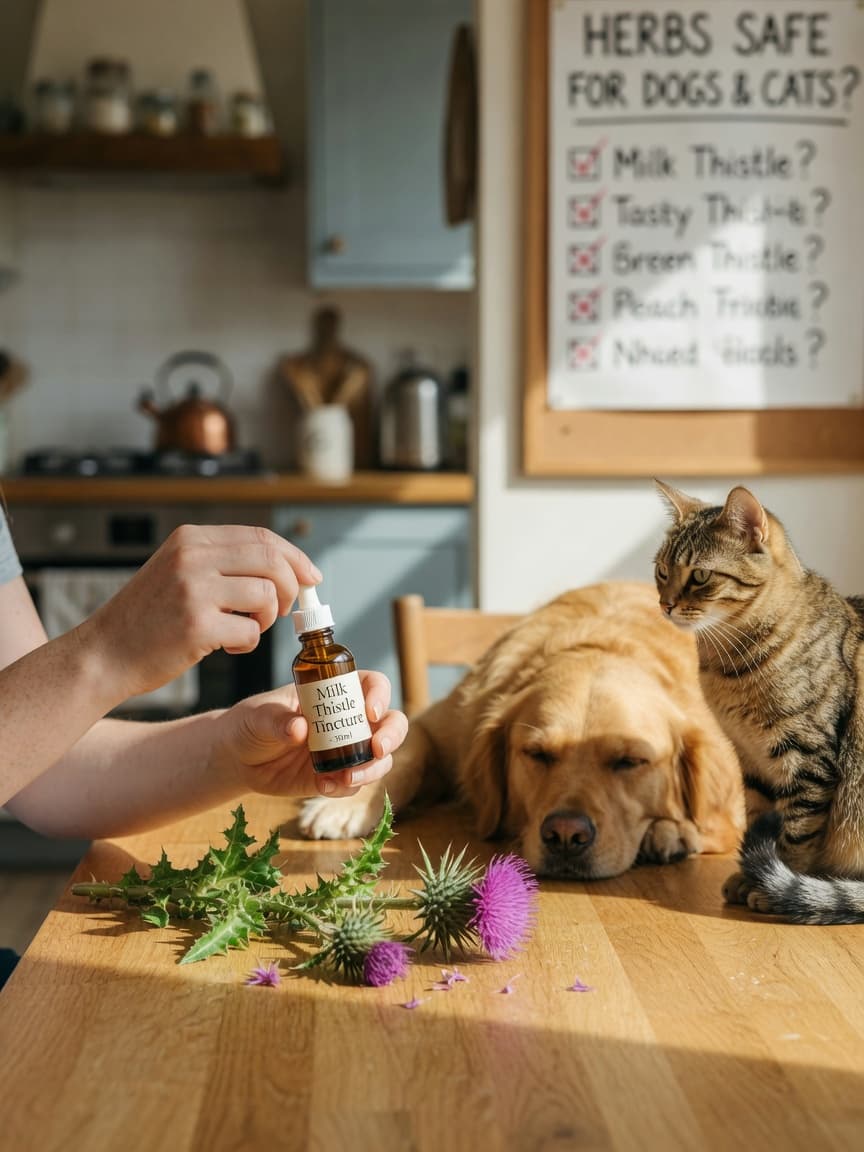
Milk Thistle
Milk thistle, specifically its active compound silymarin, is one of the most studied hepatoprotective herbs across species. It works as an antioxidant in liver cells, helps stabilise cell membranes, and may support the regeneration of liver tissue. In veterinary practice, it is commonly used as a supportive treatment for dogs with liver disease, or for dogs undergoing treatments that are hard on the liver such as long-term NSAID use or certain chemotherapy protocols.
The evidence in dogs is largely extrapolated from human and rodent studies, and optimal dosing in dogs is still not definitively established. However, given its strong safety profile and the mechanistic plausibility of its effects, many vets are comfortable recommending it as part of a liver support protocol.
Slippery Elm
Slippery elm bark contains mucilage — a gel-like substance that coats and soothes mucous membranes throughout the digestive tract. It has a long history of use for gastrointestinal complaints including diarrhoea, constipation, and inflammatory bowel conditions. In practice, many holistic vets recommend it for dogs and cats with chronic digestive issues, and it is generally very well tolerated.
Formal clinical trials in companion animals are limited, but the mechanism of action is straightforward and the safety profile is excellent. It should be given away from other medications as the mucilage can theoretically affect absorption.
Valerian
Valerian root is perhaps the most commonly used herbal anxiolytic in pets. It is frequently included in calming products for dogs and is considered reasonably safe for short-term use. The evidence is mixed — some dogs respond well, others show minimal effect — which may reflect individual variation in how animals metabolise its active constituents.
One important note: valerian has the opposite effect in cats from what many people expect. Rather than sedating them, it tends to produce an excitatory response similar to catnip. This is not dangerous, but owners should be aware of it.
Herbs That Carry Significant Risk
Pennyroyal
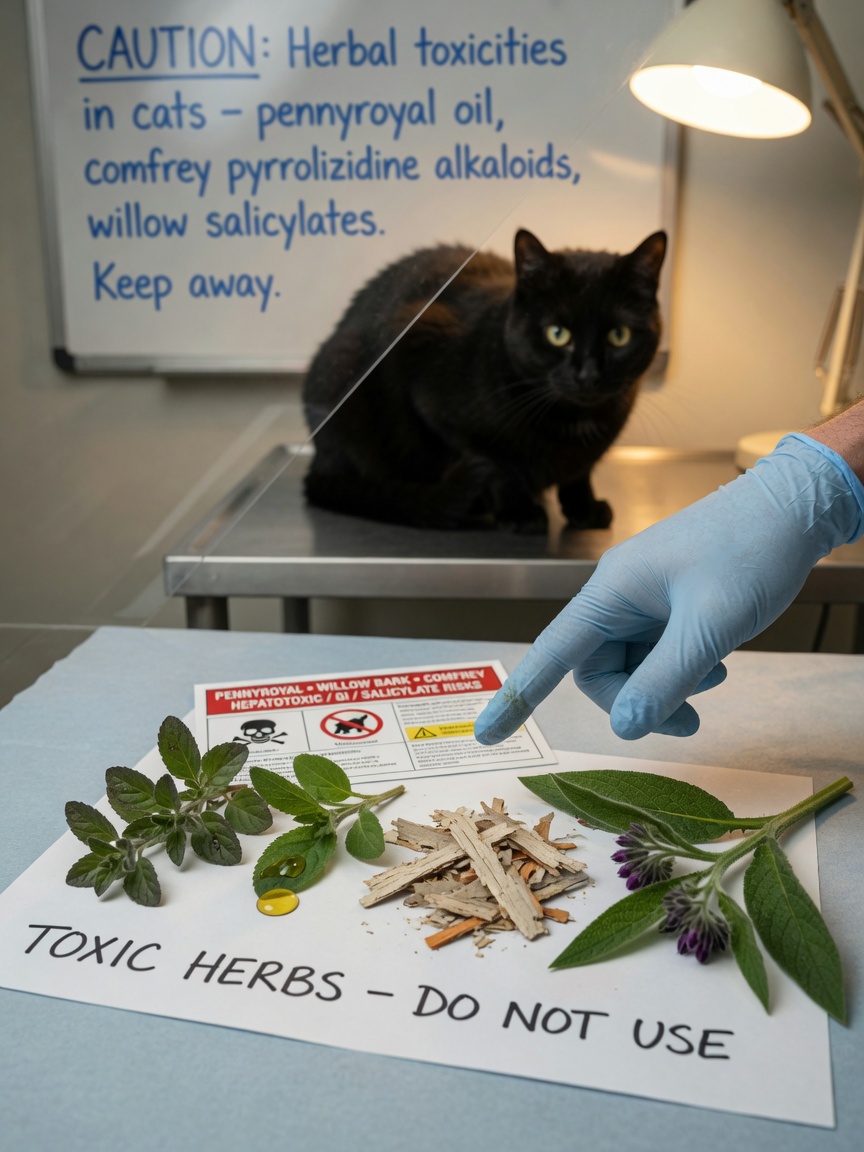
Pennyroyal is sometimes promoted as a natural flea repellent and has been used in flea collars and sprays. It is genuinely toxic. Pennyroyal oil contains pulegone, which is metabolised into toxic compounds in the liver. Ingestion can cause severe liver damage, and topical exposure in sufficient quantities has caused fatalities in both dogs and cats. This herb should be avoided entirely in pet care products.
White Willow Bark
White willow bark contains salicin, a compound related to aspirin, and is sometimes recommended as a natural pain reliever for dogs. The problem is that cats are severely deficient in the enzymes needed to metabolise salicylates, making even small amounts potentially fatal for them. In dogs, the risks are lower but still present, particularly with high doses or prolonged use. Given that proper veterinary pain management options exist, this is a herb best avoided.
Comfrey
Comfrey contains pyrrolizidine alkaloids, which are known hepatotoxins. Despite historical use as a wound healer, internal use of comfrey is not recommended in animals. Even topical use should be limited, particularly on broken skin where absorption may be significant.
The Cat Problem: Why Feline Herbal Safety Is Different
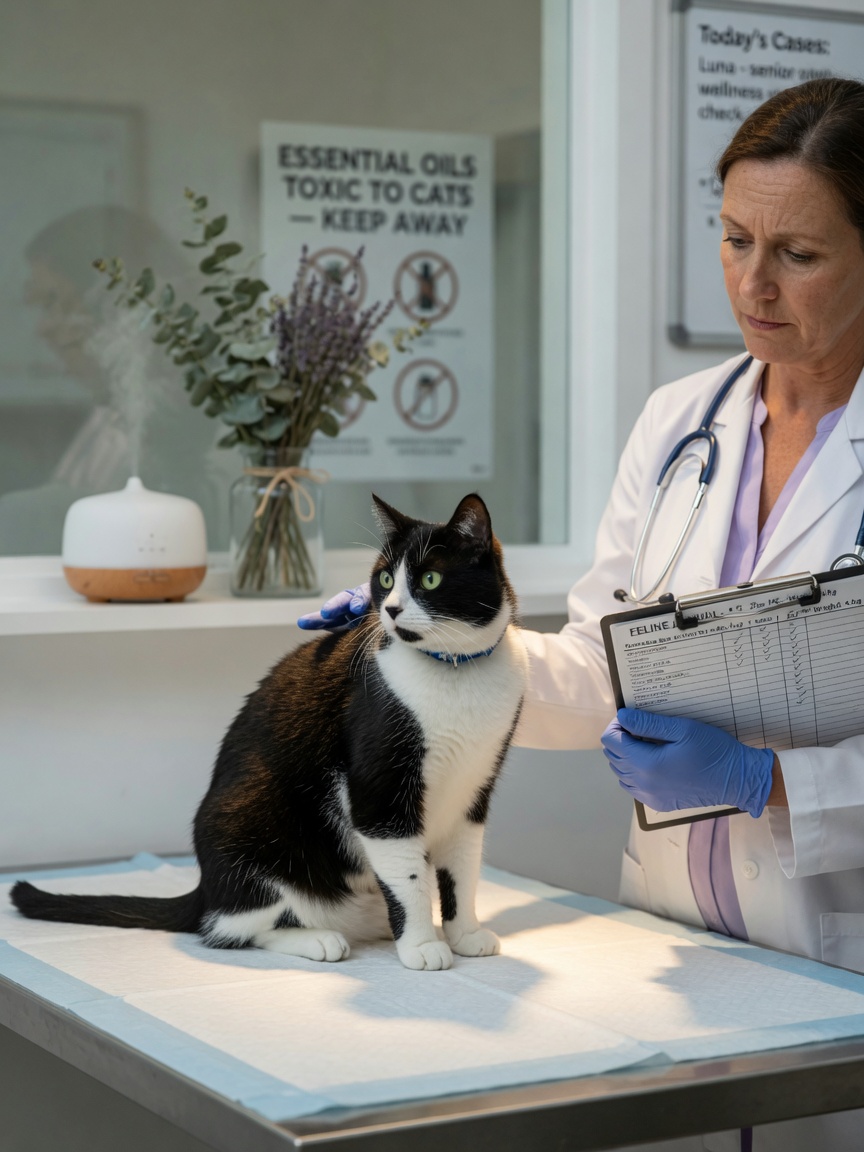
Cats deserve special mention in any herbal safety discussion. Unlike dogs, cats lack certain liver enzymes (particularly glucuronyl transferase) that are critical for metabolising a wide range of compounds. This makes them uniquely vulnerable to many substances that other species handle without issue.
- Tea tree oil (melaleuca) is toxic to cats even at low concentrations applied topically.
- Eucalyptus oil can cause drooling, lethargy, and neurological symptoms in cats.
- Many essential oils — lavender, peppermint, oregano, thyme — should not be diffused in enclosed spaces with cats or applied to their skin.
- Some herbs in the Allium family (garlic, onion) cause oxidative damage to red blood cells in both cats and dogs, with cats being more sensitive.
If you share your home with a cat, this needs to factor into every decision you make about aromatherapy, cleaning products, and topical preparations for your dog as well.
What "Herbal" on a Label Actually Tells You
Very little, unfortunately. The supplement industry for pets is not as tightly regulated as pharmaceutical products, and the term "herbal" carries no legal definition in most markets. Products may contain wildly varying concentrations of active compounds, may be contaminated with other substances, or may simply not contain what the label claims.
When choosing herbal products for pets, look for brands that provide third-party testing, clear standardisation of active compounds, and ideally have a veterinary herbalist or pharmacist involved in product development. Avoid products that claim to treat or cure specific diseases — this is both a legal issue and a red flag for marketing-over-substance.
Working With a Veterinary Herbalist
If you are seriously interested in herbal medicine for your pet, particularly for a chronic condition, the best route is to consult a vet who has additional training in phytotherapy. In the UK, this would typically be a member of the Association of British Veterinary Acupuncturists or a vet with postgraduate training in integrative medicine.
Herbal medicine at its best is not about replacing veterinary care — it is about complementing it. A vet who understands both conventional and botanical pharmacology is in the best position to help you use herbs safely and effectively.
- Always disclose all herbs and supplements to your vet, as interactions with medications are possible.
- Introduce new herbs one at a time so you can identify any adverse reactions.
- Do not increase doses beyond recommendations hoping for better results.
- If in doubt, wait and ask a professional before giving anything new.
Herbal medicine has genuine potential in pet care, but only when approached with the same rigour we would expect from any other form of treatment. Enthusiasm without knowledge can cause real harm — the dose, the species, and the source all matter enormously.