
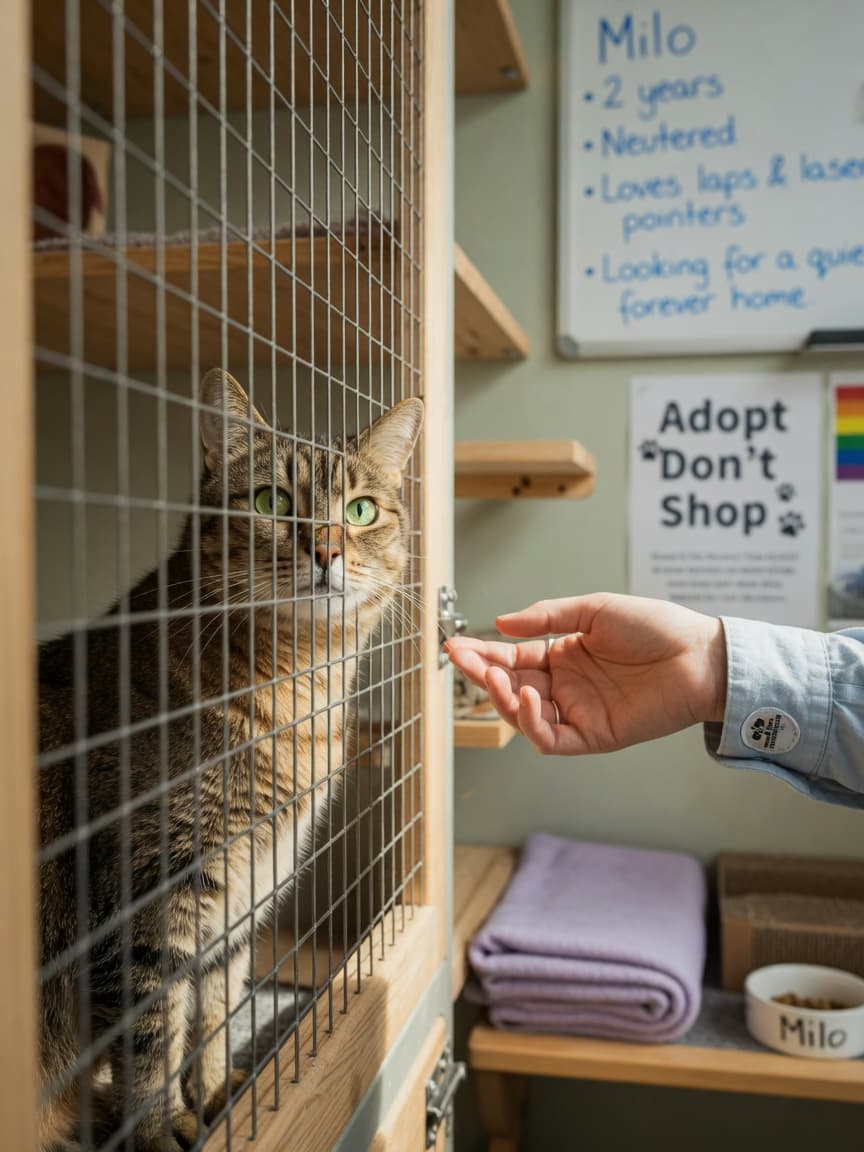
Giving a Cat a Second Chance in Europe
Cats are the most popular pet in Europe, yet shelters across the continent remain full. In France alone, the SPA (Société Protectrice des Animaux) rehomes tens of thousands of cats each year. Adopting a cat from a rescue organisation rather than buying from a breeder or private seller is not only a compassionate choice — it is increasingly the recommended approach by European veterinary bodies and animal welfare organisations alike. This guide walks you through the key requirements, health considerations, and practical steps for adopting a cat anywhere in the EU.
EU Regulations for Cat Transport and Adoption
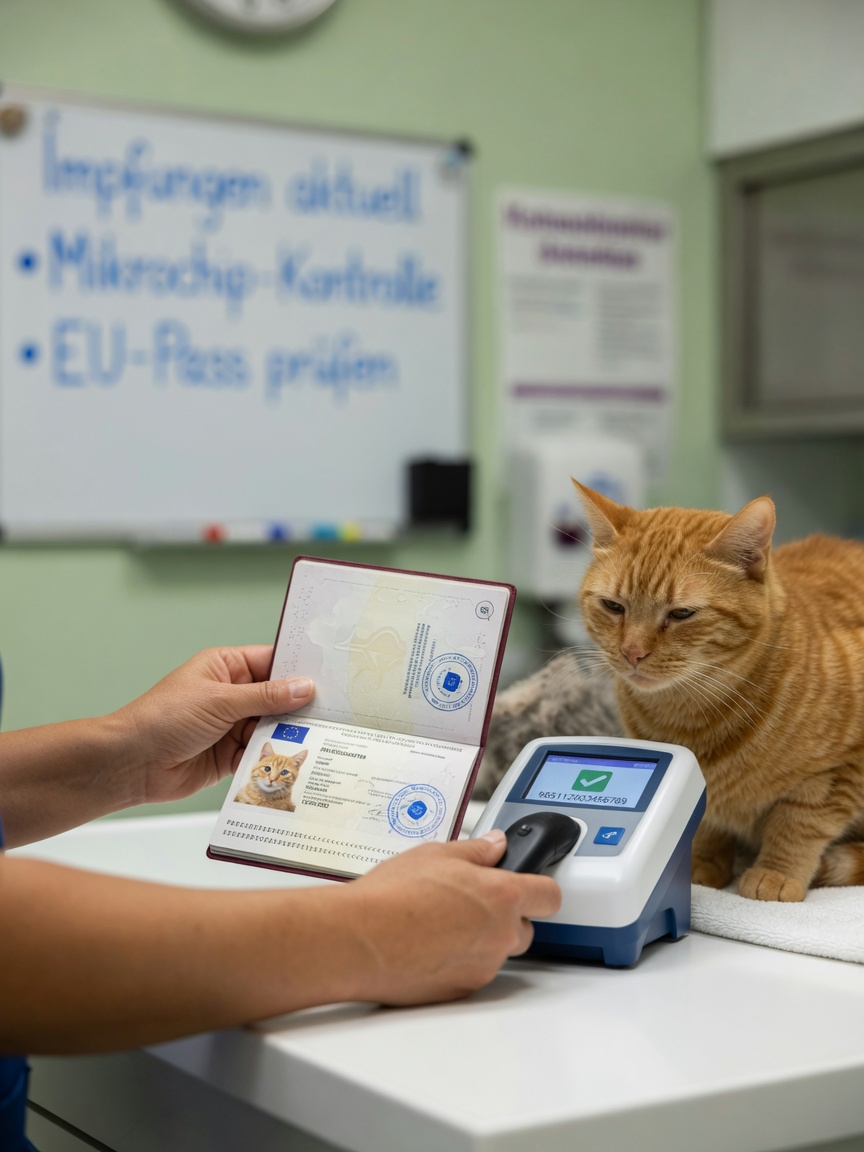
Under EU Regulation 576/2013 on the non-commercial movement of pet animals, cats being transported across EU borders must be microchipped to the ISO 11784/11785 standard and carry a valid EU Pet Passport. The passport, issued by an authorised veterinarian, records the cat's microchip number, rabies vaccination status, and owner details.
For domestic adoptions within the same EU country, the specific rules vary. In many countries, rescue organisations are required by law to microchip cats before rehoming them. In Germany, for example, registration with the national TASSO database (Europe's largest free pet registration service) is strongly encouraged and increasingly mandatory in some Länder. In the Netherlands, the Dierenbescherming requires microchipping and registration as standard practice for all rehomed animals.
Reputable Rescue Organisations Across Europe
Europe has an excellent network of cat rescue organisations operating to high welfare standards:
- SPA (France): With over 60 shelters nationwide, the SPA conducts thorough behavioural and health assessments and requires an adoption interview.
- Dierenbescherming (Netherlands): One of the most well-funded animal welfare organisations in Europe, operating shelters and foster networks across the country.
- TASSO e.V. (Germany): Whilst primarily a registration service, TASSO works closely with rescue networks and can help match prospective owners with cats in their region.
- Tierschutzvereine (Germany): Local animal protection societies operate in virtually every German city and town, with rigorous adoption processes.
- Protectoras de Animales (Spain): Municipal shelters and private rescues across Spain have large numbers of cats available for adoption, many at low or no cost.
When choosing a rescue, look for organisations that carry out FIV and FeLV testing, provide vaccination records, and offer post-adoption support.
FIV and FeLV Testing Before Adoption
Feline Immunodeficiency Virus (FIV) and Feline Leukaemia Virus (FeLV) are serious viral infections that can significantly affect a cat's health and lifespan. Reputable rescue organisations across Europe routinely test for both before rehoming cats, particularly those that have been strays or have lived in multi-cat environments.
An FIV-positive cat can still live a happy, comfortable life, particularly as an indoor-only cat. An FeLV-positive cat requires careful management and should not live with FeLV-negative cats. Always ask for test results before adoption, and if they are not available, request that your vet carries out these tests at the first health check.
Indoor vs Outdoor Life: EU Context
Whether to keep a cat indoors or allow outdoor access is a significant consideration that varies across Europe. In dense urban environments such as Paris, Amsterdam, or Barcelona, indoor-only living is common and well-supported by enrichment strategies. In rural areas or smaller towns, supervised outdoor access or secured garden spaces are more typical.
European veterinary organisations generally recommend that cats adopted from shelters be kept indoors initially — for at least four to six weeks — to allow them to settle and to prevent them from fleeing in a panic. Long-term, the decision depends on the individual cat's temperament, your local environment, and traffic risks. Flat-dwelling cats in cities are often perfectly content indoors with appropriate stimulation.
Your First Vet Visit After Adoption
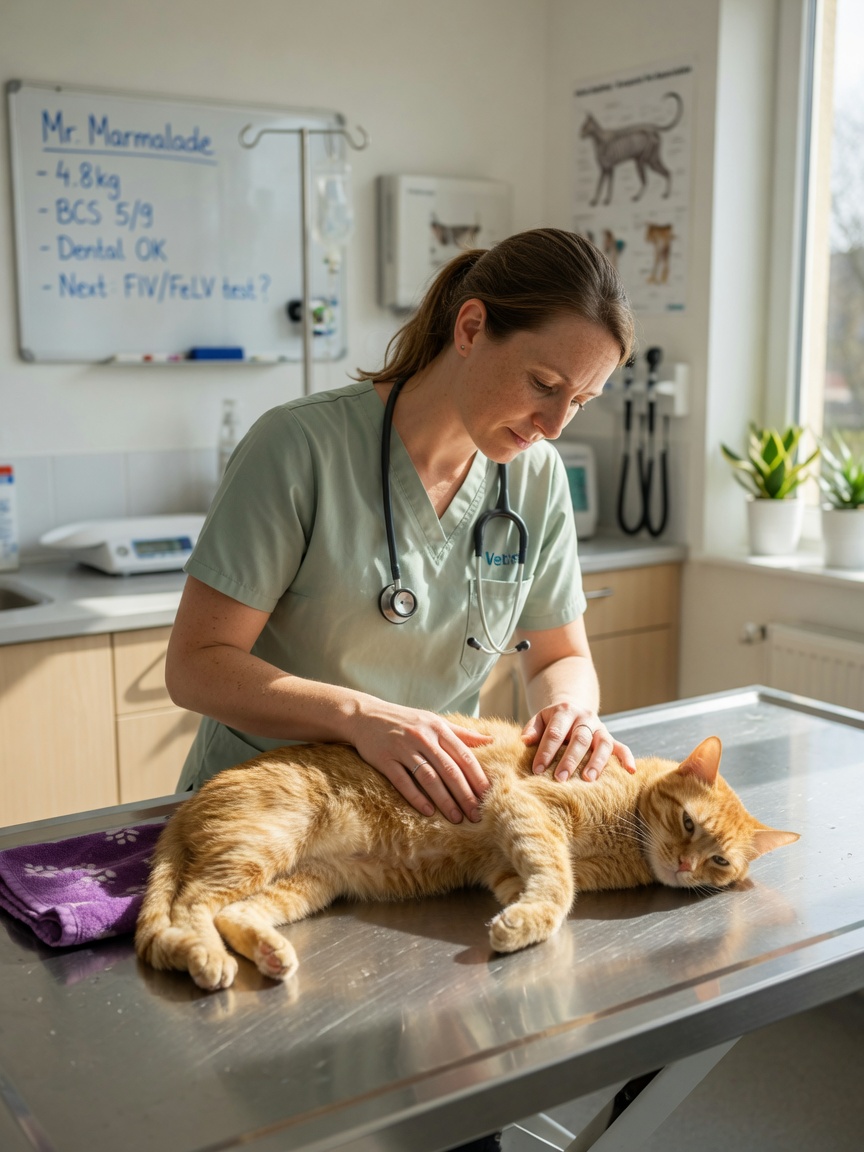
Book a full health check within the first week of bringing your cat home. Your vet will:
- Scan the microchip and verify registration details
- Review vaccination records and schedule any overdue boosters
- Test for FIV and FeLV if not already done
- Check for parasites — fleas, ear mites, and intestinal worms — and recommend a prevention programme in line with ESCCAP European guidelines
- Assess body condition, dental health, and overall wellbeing
- Discuss neutering if not yet carried out
Neutering Recommendations in Europe
European veterinarians widely recommend neutering cats between five and six months of age, before they reach sexual maturity. Many rescue organisations neuter cats before rehoming them, but if your adopted cat is still intact, your vet will advise on the best timing. Neutering reduces roaming behaviour, significantly lowers the risk of certain cancers, and helps address the ongoing stray cat population problem across the EU.
Vaccination Schedule for Adopted Cats
The core vaccines recommended for cats across Europe include protection against:
- Cat flu (feline herpesvirus and calicivirus)
- Feline panleukopenia (enteritis)
- Feline leukaemia virus (FeLV) — particularly recommended for cats with outdoor access
Booster schedules vary depending on the vaccine used and the cat's lifestyle, but annual or triennial boosters are standard across EU veterinary practice. Your vet will create a personalised schedule based on your cat's health history and risk factors.
Integrating Your New Cat With Existing Pets
If you have existing pets at home, a careful, gradual introduction is essential. Keep the new cat in a separate room initially, allowing scent exchange before any face-to-face meetings. This process can take one to two weeks and should never be rushed. See our dedicated article on introducing a new pet to your home for a step-by-step guide.
Setting Up for Success: Supplies and Essentials
Before your cat arrives, prepare a quiet, comfortable base room with a litter tray, food and water bowls, a scratching post, and a cosy bed or hiding space. Zooplus offers an excellent range of cat essentials — from litter and feeding bowls to interactive toys and carriers — delivered across Europe at competitive prices. Avoid placing the litter tray next to food and water, as cats prefer these areas to be separate.
With patience, the right setup, and a little time, your new feline companion will blossom into a confident, happy member of your household.