
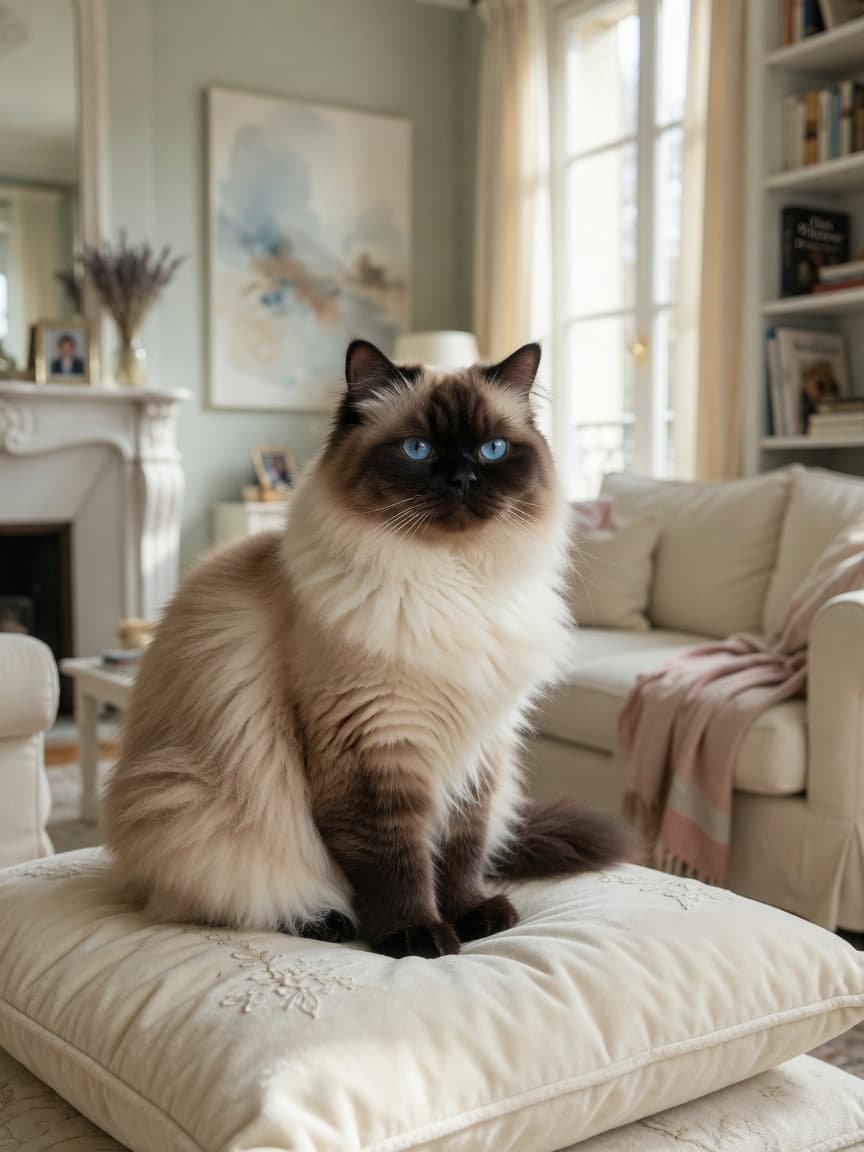
Il gatto Himalayano è un compagno tranquillo e affettuoso, ideale per chi apprezza uno stile di vita sereno tra le mura domestiche e non teme un impegno considerevole in termini di toelettatura. Noto per i suoi straordinari occhi blu, il mantello colourpoint e il carattere dolce e non esigente, questa razza è essenzialmente un Persiano a pelo lungo con la colorazione del Siamese introdotta tramite selezione. Il principale problema di salute per i futuri proprietari è la malattia policistica renale, insieme ad altre condizioni legate alla conformazione del cranio schiacciato (brachicefalo): entrambe richiedono una gestione informata e proattiva.
Panoramica della razza
- Taglia: media, in genere 3,5–5,5 kg, con una corporatura solida e compatta (tipo cobby)
- Longevità: comunemente riportata tra i 9 e i 15 anni con cure attente
- Mantello: doppio, lungo e denso, in schemi colourpoint (seal, blu, chocolate, lilac, rosso, crema e varianti tabby/lynx), sempre con occhi blu
- Origine: sviluppato a metà del XX secolo negli Stati Uniti e in Gran Bretagna incrociando Persiani con gatti Siamesi, per unire la corporatura del Persiano alla colorazione del Siamese
Temperamento e inserimento in famiglia
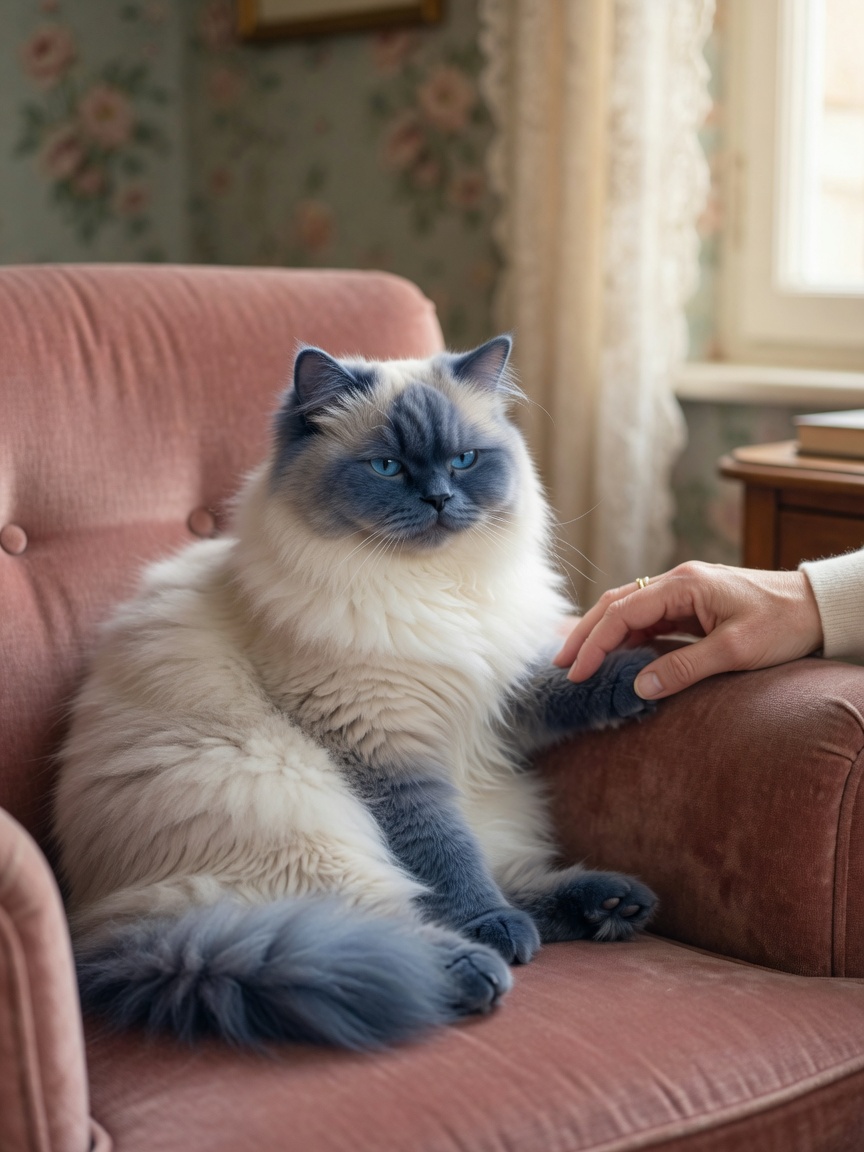
Gli Himalayani sono noti per il temperamento placido e dolce. Tendono a essere affettuosi senza risultare troppo esigenti, e preferiscono stare accanto alle loro persone piuttosto che sempre in braccio. La maggior parte degli esemplari ha una voce sommessa, è gentile con i bambini attenti e tollera cani ed altri gatti tranquilli e ben educati. Non sono tipicamente molto energici né particolarmente atletici, e in genere si adattano bene a una vita esclusivamente in casa, cosa che protegge anche i loro occhi sensibili, il mantello e l'apparato respiratorio dai rischi ambientali.
È una razza che prospera con la routine e la prevedibilità. Cambiamenti improvvisi dell'ambiente o rumori eccessivi possono causare stress, e il pelo lungo significa che non sono adatti a famiglie in cui la toelettatura quotidiana non è semplicemente praticabile. Si legano strettamente alla loro famiglia e possono chiudersi in sé stessi senza regolari interazioni delicate, ma allo stesso tempo non sono il tipo appiccicoso e vocale che si osserva in alcune altre razze. Per le famiglie che desiderano un gatto decorativo, affettuoso e tranquillo piuttosto che un avventuriero attivo, l'Himalayano è spesso una scelta azzeccata.
Problemi di salute nei gatti Himalayani
Gli Himalayani condividono molte delle stesse predisposizioni genetiche e strutturali dei Persiani, a causa dell'ascendenza comune e della corporatura con muso schiacciato. Un allevamento responsabile e il riconoscimento precoce dei sintomi fanno una differenza significativa sulla qualità della vita a lungo termine.
Malattia policistica renale (PKD)
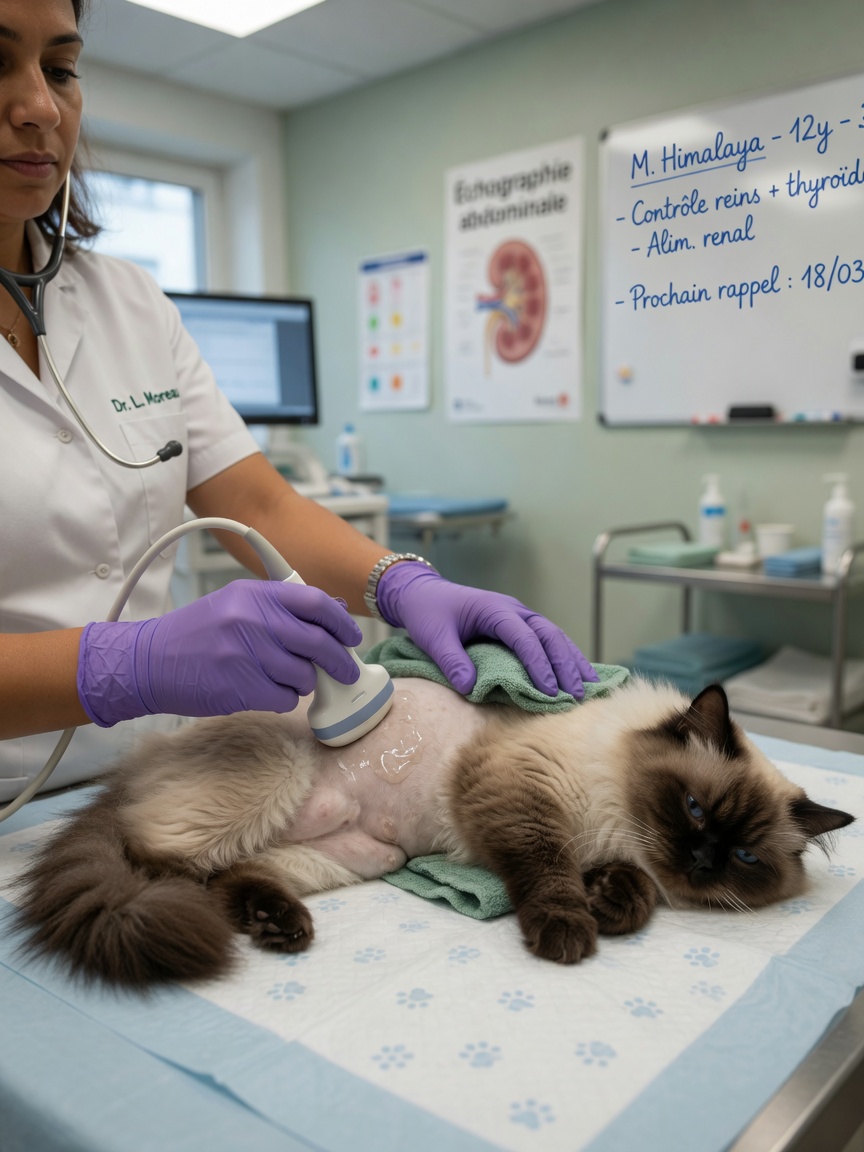
La PKD è una condizione ereditaria in cui all'interno del tessuto renale si sviluppano gradualmente cisti ripiene di liquido, riducendo lentamente la funzionalità renale nel tempo. È una delle condizioni ereditarie più ampiamente documentate nelle razze derivate dal Persiano, Himalayano incluso. I primi segni sono spesso sfumati e possono comprendere aumento della sete, urinazione più frequente, perdita di peso e riduzione dell'appetito, e compaiono tipicamente in età media man mano che le cisti si ingrandiscono. Poiché la malattia progredisce gradualmente, molti gatti non mostrano sintomi evidenti nei primi anni di vita.
I proprietari possono chiedere agli allevatori se i gatti genitori sono stati sottoposti a screening tramite ecografia o test genetico, poiché i programmi di allevamento affidabili mirano a ridurre l'incidenza della PKD nelle proprie linee. Controlli veterinari di routine che includano il monitoraggio della funzionalità renale, in particolare dall'età media in poi, aiutano a individuare precocemente eventuali cambiamenti. Una volta identificate alterazioni renali, sono spesso raccomandati il supporto dietetico e dell'idratazione, e il veterinario potrebbe suggerire un'alimentazione personalizzata per alleggerire il lavoro dei reni.
Problemi legati alla brachicefalia
Il muso appiattito dell'Himalayano, ereditato dall'ascendenza persiana, può influire sulla respirazione, sul drenaggio lacrimale e sull'allineamento dentale. Alcuni gatti presentano una respirazione rumorosa o faticosa, specialmente con il caldo o dopo uno sforzo, mentre altri sviluppano un'epifora cronica con macchie lacrimali dovute a condotti lacrimali stretti o ostruiti. La struttura mandibolare accorciata può anche portare ad affollamento dentale e a un maggiore accumulo di tartaro.
I primi segni da osservare comprendono respirazione rumorosa o con rumori nasali a riposo, macchie umide persistenti sotto gli occhi, alito cattivo o tartaro visibile. I proprietari possono aiutare mantenendo il muso pulito ogni giorno, programmando controlli dentali regolari ed evitando il surriscaldamento o l'attività intensa. I gatti con un appiattimento facciale più marcato dovrebbero essere monitorati con particolare attenzione nelle stagioni calde.
Atrofia retinica policistica e progressiva (PRA)
Alcune linee di Himalayano presentano una predisposizione all'atrofia retinica progressiva, una degenerazione graduale della retina che porta a un calo della vista e infine alla cecità. Poiché i gatti si adattano notevolmente bene alla perdita della vista, specialmente in una casa familiare, i primi segni sono facili da non notare: cercate esitazione sulle scale, urti contro i mobili in penombra o pupille dilatate che non rispondono normalmente alla luce.
Non esiste una cura per la PRA, ma una diagnosi confermata permette ai proprietari di adattare l'ambiente domestico (mantenendo costante la disposizione dei mobili, aggiungendo luci notturne) per aiutare i gatti colpiti a restare sicuri di sé e al sicuro. Gli allevatori che effettuano screening per questa condizione contribuiscono a ridurne la diffusione nel corso delle generazioni.
Sensibilità del mantello e della pelle
Il doppio mantello denso, pur essendo bellissimo, è soggetto a infeltrimento, e il pelo infeltrito può intrappolare umidità e detriti contro la pelle, portando occasionalmente a irritazioni cutanee localizzate o infezioni se non si interviene. Alcuni Himalayani mostrano anche sensibilità a determinati prodotti per la toelettatura o a fattori alimentari, che si manifestano con grattamento eccessivo, pelle desquamata o diradamento localizzato del pelo.
La spazzolatura quotidiana riduce notevolmente il rischio di infeltrimento e offre ai proprietari l'occasione di individuare precocemente i problemi cutanei. Se un gatto sviluppa prurito persistente, rossore o perdita di pelo, vale la pena discutere delle possibili sensibilità con il veterinario: alcuni dei principi generali trattati in risorse come una guida alle allergie cutanee, pur essendo scritta pensando ai cani, riflettono concetti di base simili relativi all'individuazione e alla gestione di fattori ambientali o alimentari, che possono valere anche per altre specie.
Problemi dentali e di conformazione mandibolare
A causa della mandibola accorciata, gli Himalayani possono essere predisposti a malocclusione (scorretto allineamento dei denti), affollamento dentale e, di conseguenza, a una maggiore tendenza all'accumulo di placca e tartaro. Se non gestita, questa situazione può evolvere in malattia gengivale. I segni includono alito cattivo, tartaro visibile, riluttanza a mangiare cibo secco o il gesto di portarsi la zampa alla bocca.
Controlli dentali di routine e lo spazzolamento dei denti, laddove il gatto lo tolleri, sono le misure preventive più efficaci. Il veterinario può consigliare la cadenza delle pulizie professionali in base alla conformazione dentale individuale.
Considerazioni su articolazioni e mobilità
Pur essendo un tema meno discusso rispetto ad alcune razze canine, la corporatura cobby e dall'ossatura pesante degli Himalayani può sottoporre le articolazioni a uno sforzo aggiuntivo nel corso della vita, e alcuni esemplari sviluppano rigidità o mobilità ridotta con l'età. I primi segni includono la riluttanza a saltare sui posatoi preferiti, rigidità dopo il riposo o una minore cura delle zone difficili da raggiungere. Mantenere un peso corporeo sano è uno dei modi più efficaci per ridurre il carico articolare, e i principi generali di gestione discussi nelle risorse su salute articolare e gestione dell'artrite — come il controllo del peso, cucce di supporto e il monitoraggio dei cambiamenti nella mobilità — sono in linea di massima rilevanti anche per i gatti che invecchiano, anche se quella risorsa specifica è impostata sui cani.
Alimentazione e nutrizione
Gli Himalayani stanno meglio con una dieta di alta qualità adeguata alla loro fase di vita, al livello di attività e a eventuali condizioni di salute diagnosticate. Poiché sono predisposti a una corporatura cobby e compatta, il controllo delle porzioni è importante: questi gatti possono prendere peso facilmente se alimentati a volontà, e il peso in eccesso aggrava lo sforzo articolare e respiratorio associato alla loro struttura brachicefala.
Il cibo umido può favorire l'idratazione, aspetto particolarmente rilevante data la predisposizione della razza ai problemi renali; i gatti con uno stimolo della sete naturalmente ridotto traggono beneficio da pasti ricchi di umidità. Anche forma e dimensione delle crocchette contano: alcuni proprietari trovano che i croccantini di forma specifica siano più facili da afferrare e masticare per i gatti dal muso schiacciato rispetto alle crocchette standard.
Se al vostro Himalayano vengono diagnosticati problemi renali, il veterinario potrebbe raccomandare una dieta di supporto renale formulata per ridurre in modo appropriato il carico di fosforo e proteine. Per i gatti che mostrano sensibilità alimentari o problemi cutanei, i principi di risorse come una guida alla dieta ipoallergenica possono offrire un quadro di partenza utile per discutere le diete a eliminazione con il veterinario, anche se formulata pensando principalmente alla digestione canina. Come per qualsiasi gatto, i cambiamenti alimentari vanno introdotti gradualmente e discussi con il team veterinario, in particolare per i gattini, le cui esigenze nutrizionali cambiano notevolmente durante la crescita — un concetto approfondito più in generale in guide come la guida alle fasi di crescita, che, pur essendo specifica per i cani, illustra l'importanza generale di un'alimentazione adeguata alla fase di vita, valida anche per i gattini.
Alcuni proprietari valutano anche integratori a supporto intestinale per gatti con digestione sensibile; sebbene le evidenze nella ricerca specifica sui felini siano ancora in evoluzione, la discussione più ampia nelle risorse sull'uso dei probiotici e le relative evidenze offre una panoramica utile su come questi prodotti vengono generalmente valutati, il che può orientare una conversazione con il veterinario sulle opzioni per i gatti.
Toelettatura e cure
La toelettatura è probabilmente il più grande impegno quotidiano legato al possesso di un Himalayano. Il loro mantello lungo e denso si infeltrisce facilmente, in particolare intorno alle ascelle, sulla pancia e dietro le orecchie, e l'infeltrimento può rapidamente diventare fastidioso o portare a problemi cutanei se trascurato. La spazzolatura quotidiana con un pettine a denti larghi e una spazzola cardatrice è in genere necessaria, non facoltativa, per questa razza.
La cura del muso è altrettanto importante. Il muso piatto porta spesso a un eccesso di lacrimazione e a macchie, quindi pulire quotidianamente la zona oculare con un panno pulito e umido aiuta a prevenire fastidio e scolorimenti. Anche un'attenzione regolare alle pieghe intorno al naso può prevenire l'accumulo di detriti e i cattivi odori. Le unghie vanno tagliate regolarmente e le orecchie controllate settimanalmente per verificare l'accumulo di cerume o segni di irritazione.
Il bagno occasionale è una pratica comune per questa razza, sia per mantenere il mantello gestibile sia per rimuovere l'eccesso di sebo che può contribuire all'infeltrimento. Molti Himalayani, se abituati gradualmente al bagno sin da gattini, lo tollerano abbastanza bene. La toelettatura professionale ogni poche settimane è un'opzione apprezzata dai proprietari che trovano difficile mantenere una toelettatura completa in casa.
Esigenze di esercizio e addestramento
Gli Himalayani non sono una razza molto energica e in genere si accontentano di sessioni di gioco moderate e di bassa intensità piuttosto che di un vigoroso esercizio quotidiano. Brevi momenti di gioco interattivo — bacchette con piume, giochi da inseguire delicati o distributori rompicapo — aiutano a mantenere un peso sano e forniscono stimolazione mentale senza sforzi eccessivi, aspetto particolarmente importante considerate le loro problematiche respiratorie da brachicefali.
Per la loro natura tranquilla, gli Himalayani si adattano generalmente bene a una vita esclusivamente in casa, che li protegge anche dai pericoli esterni, dai parassiti e dalle temperature estreme, più difficili da tollerare per i gatti dal muso schiacciato. Mettere a disposizione posatoi per arrampicarsi, tiragraffi e mensole alla finestra consente loro di esprimere i comportamenti naturali in sicurezza all'interno della casa.
Addestrare un Himalayano si basa tipicamente su pazienza e costanza piuttosto che su un coinvolgimento molto energico. L'abitudine alla lettiera è di solito semplice da acquisire e molti rispondono bene agli approcci basati sulla ricompensa per comportamenti di base come usare il tiragraffi o venire quando vengono chiamati. Data la loro sensibilità allo stress, le sessioni di addestramento tranquille e senza pressioni tendono a essere le più efficaci.
Domande frequenti
I gatti Himalayani sono ipoallergenici?
No. Gli Himalayani producono le stesse proteine allergeniche degli altri gatti e perdono una considerevole quantità di pelo lungo, che può diffondere la forfora in tutta la casa. Chi soffre di allergie dovrebbe trascorrere del tempo con la razza prima di prendere un impegno e considerare di discutere strategie di gestione con un allergologo.
I gatti Himalayani vanno d'accordo con gli altri animali?
In genere sì. Il loro temperamento calmo e accomodante li rende di solito tolleranti verso altri gatti tranquilli e cani ben educati, in particolare quando le presentazioni sono graduali e supervisionate. Hanno meno probabilità di iniziare giochi turbolenti rispetto a razze più energiche.
Di quanta toelettatura ha davvero bisogno un Himalayano?
La spazzolatura quotidiana è fortemente raccomandata, insieme alla pulizia regolare del muso per gestire le macchie lacrimali. Senza questa routine costante, i nodi possono formarsi rapidamente e diventare fastidiosi o causare problemi cutanei sotto il mantello.
Qual è il problema di salute più importante da discutere con un allevatore?
La malattia policistica renale è il problema ereditario più significativo in questa razza, e gli allevatori affidabili dovrebbero essere in grado di condividere le informazioni sugli screening sanitari dei gatti genitori. Vale anche la pena chiedere degli screening oculari e dentali, date le predisposizioni note della razza.
Questa guida è fornita a scopo informativo generale e non sostituisce un parere veterinario personalizzato. Consultate sempre il vostro veterinario per indicazioni specifiche sulla salute, la storia clinica e le necessità del vostro gatto.