
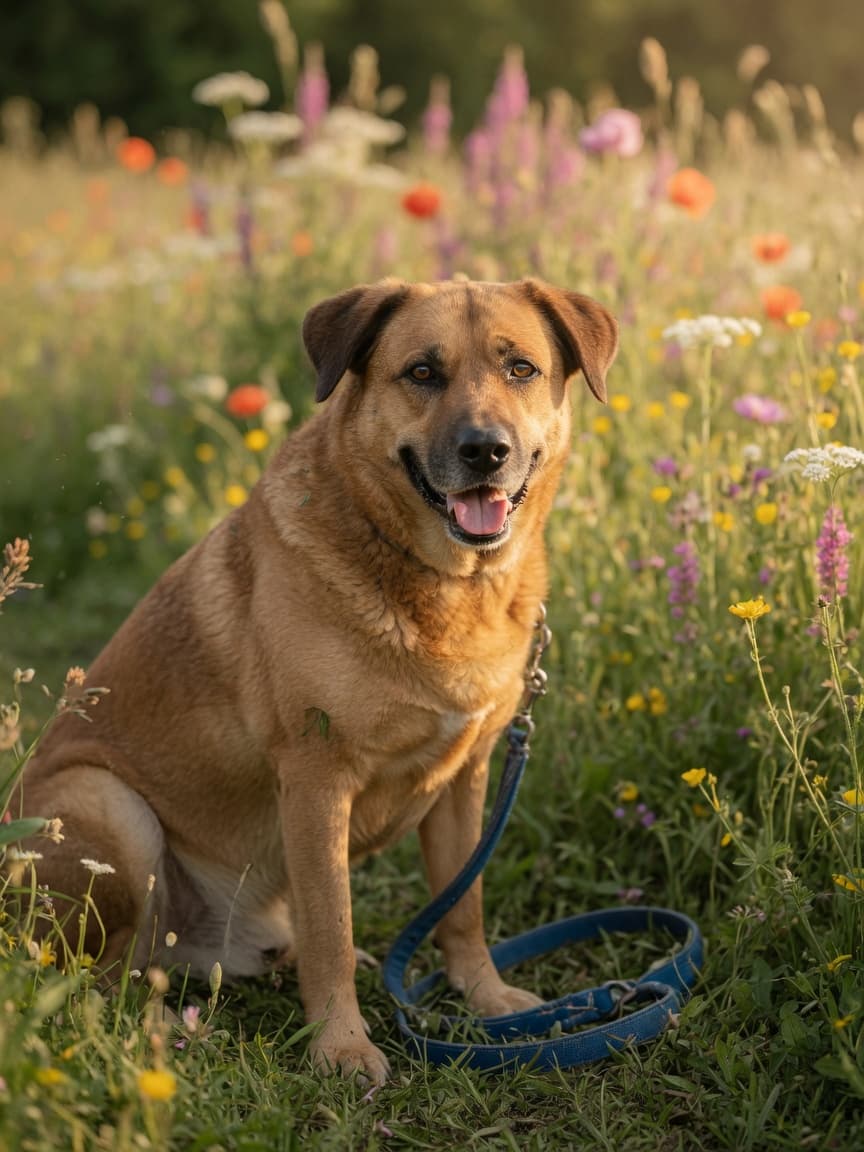
Réactivité en Laisse chez le Chien : Causes et Solutions
Par Julia Wrenfield, Rédactrice et Chercheuse en Bien-être Animal — 25 juin 2026
- Définition : Mouvements de traction, aboiements ou grognements en réaction à un stimulus en laisse
- Déclencheurs les plus courants : Autres chiens, étrangers, cyclistes, amateurs de skateboard
- Causes profondes : Frustration de barrière, peur ou socialisation insuffisante
- Méthodes de référence : BAT 2.0 et LAT (Look at That)
- Concept clé : Travailler sous le seuil de réactivité — le chien doit rester calme pour apprendre
La réactivité en laisse est l'un des problèmes comportementaux les plus courants chez les animaux de compagnie — et l'un des plus embarrassants pour les propriétaires. Un chien qui se transforme de compagnon doux en bête féroce dès qu'il aperçoit un autre chien lors d'une promenade décourage les propriétaires de faire exercice quotidiennement. Mais la réactivité en laisse n'est ni de l'agressivité ni un mauvais tempérament. C'est une réponse prévisible à une contrainte spécifique, et avec le bon protocole, elle s'améliore significativement chez la plupart des chiens.
Pourquoi la Réactivité en Laisse se Développe
Frustration de Barrière
Beaucoup de chiens réactifs en laisse sont en réalité des chiens frustrés de salutation. Sans laisse, ils s'approchaient des autres chiens joyeusement. En laisse, l'incapacité à s'approcher normalement crée une frustration qui s'escalade en ce qui ressemble à de l'agressivité. La laisse devient associée à des intentions bloquées, et avec le temps, même la simple vue d'un stimulus à distance déclenche la réaction de frustration anticipée. Ces chiens affichent souvent un langage corporel souple et agité au début d'une réaction avant qu'elle n'escalade.
Peur et Socialisation Insuffisante
Les chiens sous-socialisés pendant la fenêtre critique (environ 3 à 14 semaines d'âge) sont plus susceptibles de trouver menaçants les personnes, chiens et objets inconnus. En laisse, la fuite n'est pas une option complète, donc le chien peut choisir la réponse « attaque » — aboyer et tirer pour augmenter la distance. Ces chiens réactifs affichent souvent un langage corporel défensif : accroupissement, oreilles en arrière, queue basse.
La Laisse elle-même comme Déclencheur
Après des expériences négatives répétées en laisse — être mordu par un autre chien, être forcé d'approcher un stimulus accablant, ou être « corrigé » (tiré) par le propriétaire — la laisse elle-même peut devenir un prédicteur de mauvaises choses, augmentant davantage l'excitation de base pendant les promenades.
Le Concept de Seuil de Réactivité
Comprendre le seuil de réactivité est le concept le plus important pour traiter la réactivité en laisse. Le seuil est le point auquel un chien passe de la conscience à la réaction. Sous le seuil, le chien remarque un stimulus mais peut toujours réfléchir, réagir aux ordres et accepter des friandises. Au-dessus du seuil, le chien est dans un état de surcharge émotionnelle — aucun apprentissage n'est possible, et l'expérience renforce le comportement réactif.
Tous les protocoles efficaces nécessitent de travailler sous le seuil. Si votre chien réagit, vous êtes déjà trop près — augmentez immédiatement la distance.
BAT 2.0 (Entraînement à l'Ajustement du Comportement)
Développée par Grisha Stewart, BAT 2.0 est l'un des protocoles les plus efficaces pour les chiens réactifs. Le principe fondamental est que le chien a de l'autonomie — il choisit de regarder le stimulus puis choisit de détourner le regard ou de s'éloigner, et le renforçateur naturel est la distance accrue par rapport au stimulus (pas une friandise). Cela renforce la véritable confiance et l'autorégulation émotionnelle plutôt que d'enseigner simplement au chien à se comporter pour de la nourriture en présence d'un stimulus.
Le protocole BAT 2.0 basique lors des promenades :
- Configurez ou trouvez un stimulus à une distance significative — bien sous le seuil du chien.
- Laissez le chien remarquer le stimulus. Ne forcez pas une réponse.
- Au moment où le chien se désintéresse (détourne le regard, renifle le sol, tourne la tête), félicitez-le discrètement et éloignez-vous immédiatement du stimulus avec le chien (renforçateur fonctionnel = distance).
- Diminuez graduellement la distance au cours de plusieurs séances à mesure que la réaction du chien s'améliore.
BAT 2.0 nécessite une mise en place — idéalement avec un chien « figurant » au langage corporel approprié de l'autre côté d'un champ. C'est le plus puissant quand il est guidé initialement par un instructeur certifié BAT.
LAT — Look at That
Développée par Leslie McDevitt (du programme Control Unleashed), LAT enseigne au chien à regarder un stimulus puis à regarder le propriétaire pour une récompense. Cela recontextualise le stimulus comme un « bouton de distributeur de friandises » — voir le stimulus prédit de regarder en arrière le propriétaire pour de la nourriture, ce qui est incompatible avec la chaîne réactive.
Enseigner LAT :
- Dans un environnement peu distrayant, apprenez au chien que regarder un objet que vous pointez rapporte un clic et une friandise.
- Commencez à introduire l'ordre « regarde ça » tandis que le chien jette un coup d'œil à l'objet.
- Progressez graduellement vers les véritables déclencheurs à distance infraseuil.
- Marquez et récompensez au moment où le chien jette un coup d'œil au stimulus et commence à vous regarder.
- Avec le temps, le chien commence automatiquement à chercher votre regard en voyant un stimulus — la réponse émotionnelle a changé.
Protocole Étape par Étape pour les Promenades
| Phase | Action | Objectif |
|---|---|---|
| 1. Évaluer l'itinéraire | Promenez-vous quand et où les déclencheurs sont minimaux (tôt le matin, rues calmes) | Réduire les épisodes réactifs pendant le traitement |
| 2. Augmenter la distance | Traversez la rue, faites demi-tour ou cachez-vous derrière une voiture garée quand vous voyez un déclencheur | Rester sous le seuil |