
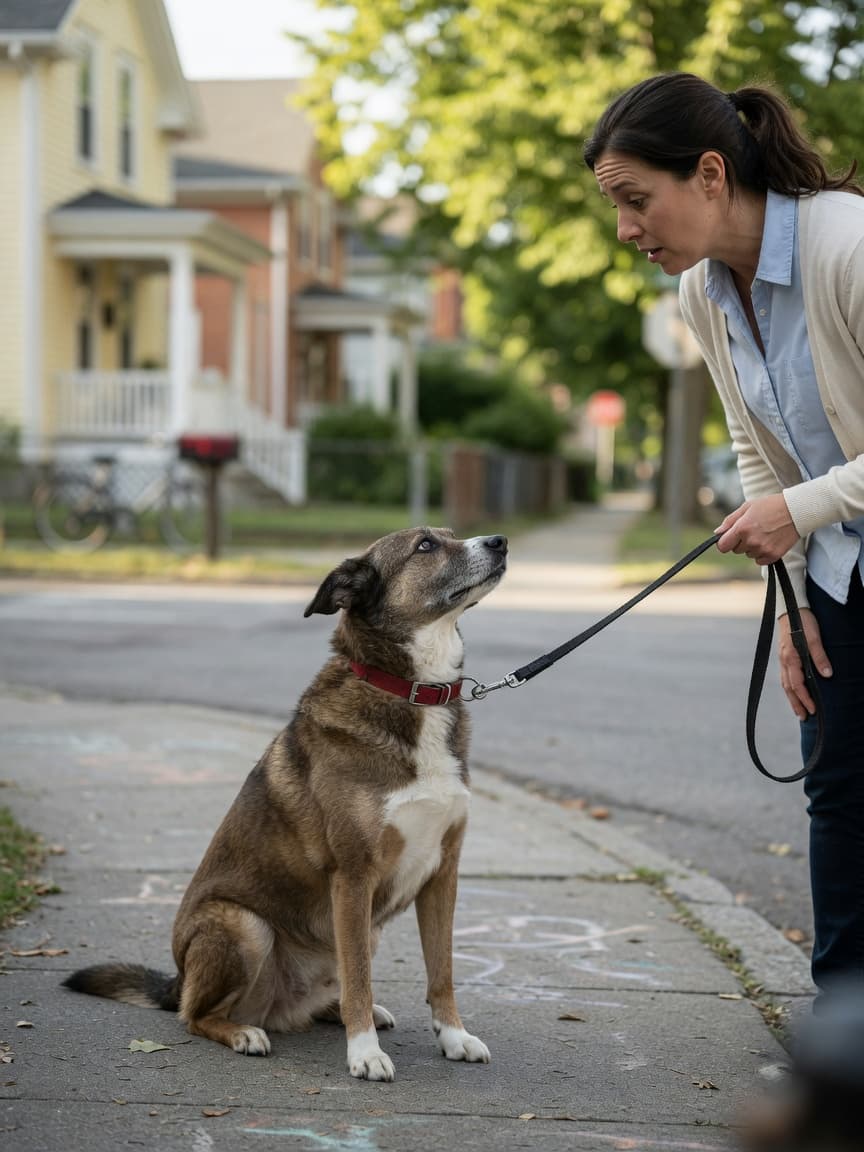
One of the most frustrating situations for any dog owner is when your beloved companion suddenly refuses to walk. Whether your dog stops mid-stroll, digs in their heels at the front door, or simply won't budge, this behaviour can leave you puzzled and concerned. The good news is that most dogs who refuse to walk are trying to communicate something important. Understanding the underlying cause is the first step toward getting your furry friend back on track and enjoying those essential daily walks together.
Physical Health Issues
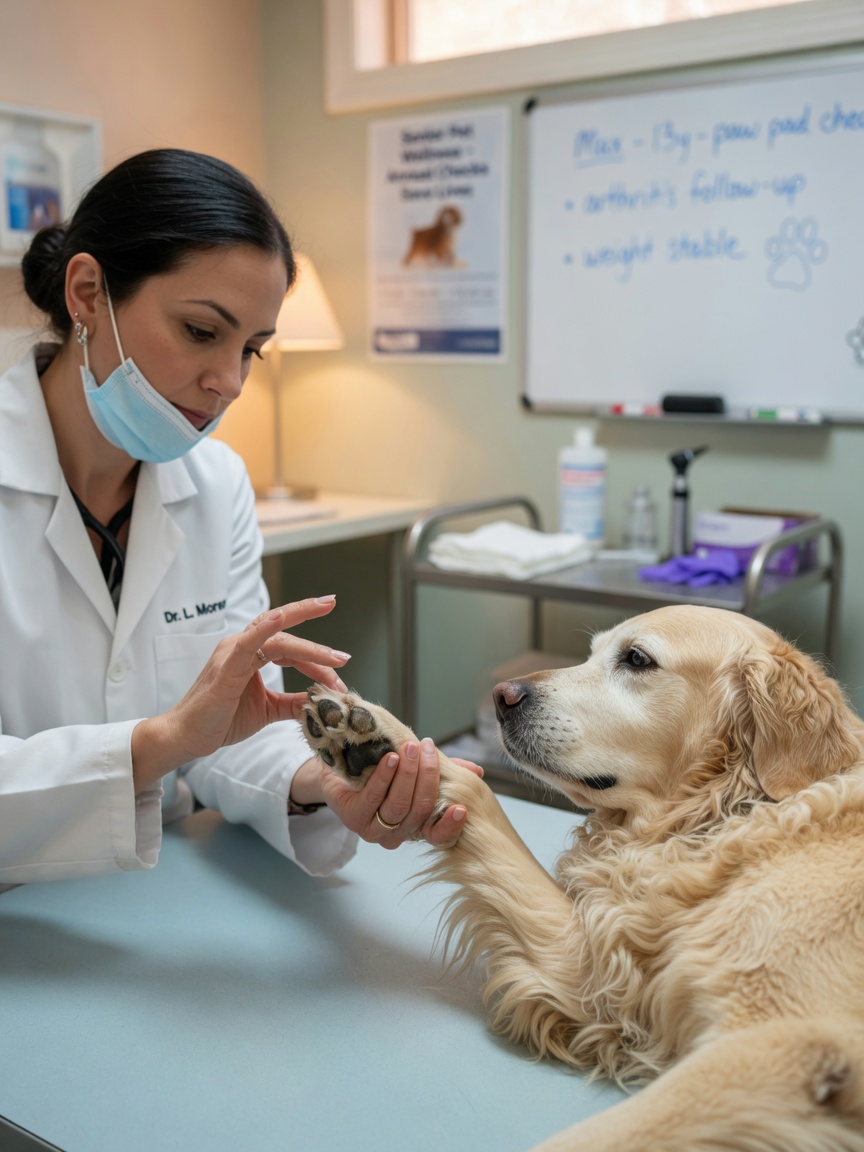
Before assuming behavioural problems, it's crucial to rule out medical concerns. Pain or discomfort is one of the most common reasons dogs refuse to walk.
- Joint and bone problems: Arthritis, hip dysplasia, and other orthopaedic conditions are particularly common in older dogs and certain breeds. These cause pain during movement, making your dog reluctant to walk.
- Paw injuries: Examine your dog's paws carefully for cuts, splinters, swelling, or infections. Even a small thorn or blister can make walking unbearable.
- Muscle strain: Your dog may have pulled a muscle or ligament, causing soreness that discourages walking.
- Ear infections: Dogs with ear problems sometimes refuse walks because they feel unwell or experience dizziness.
- Other illnesses: Fever, gastrointestinal upset, and systemic conditions can cause lethargy and reluctance to exercise.
If your dog shows other symptoms such as limping, excessive panting, changes in appetite, or behavioural changes, consult your veterinary surgeon promptly.
Fear and Anxiety
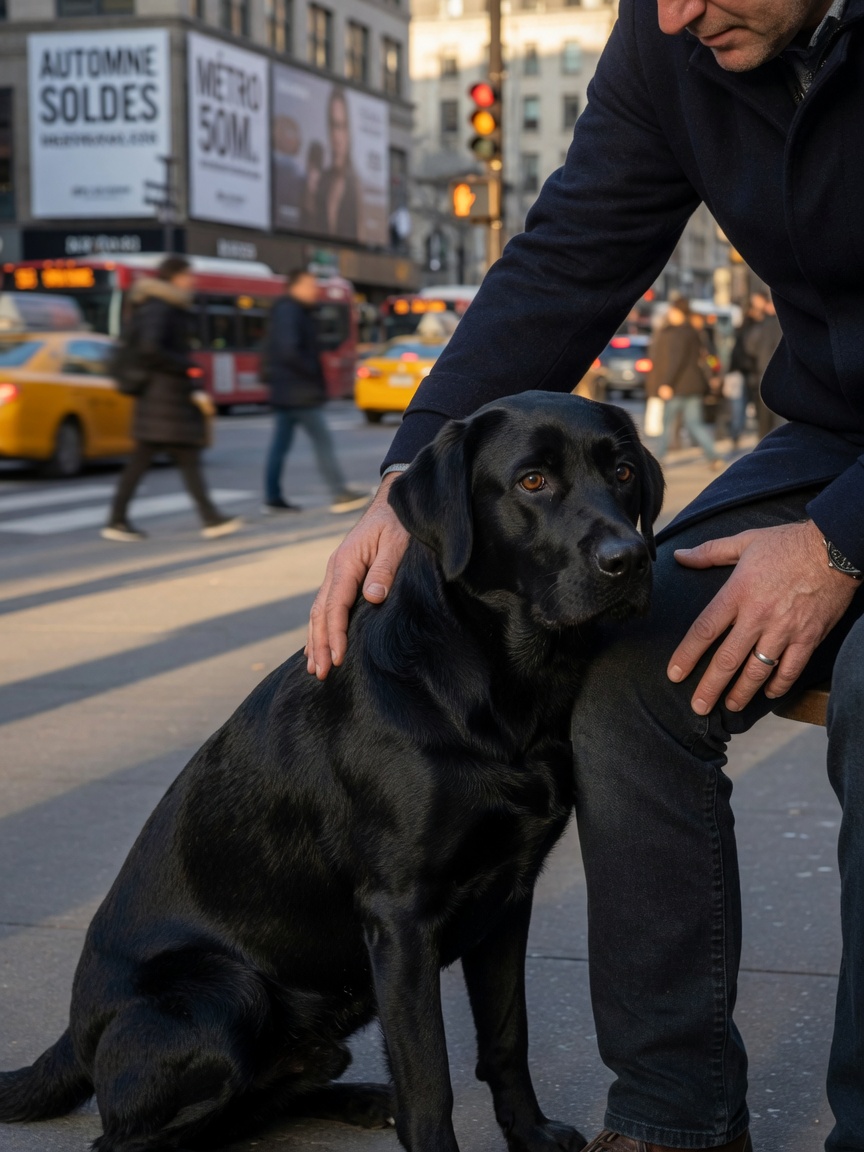
Psychological factors are equally important. Dogs can develop genuine fear or anxiety related to walks.
- Fear of specific locations: Traffic noise, building sites, or particular streets can trigger anxiety in sensitive dogs.
- Fear of other dogs: A negative past experience with another dog may cause your dog to avoid areas where they're likely to encounter others.
- Environmental changes: New neighbours, roadworks, or seasonal changes might unsettle your dog.
- Separation anxiety: Some dogs become anxious when leaving home and refuse walks as a result.
Age-Related Factors
Both very young puppies and senior dogs have specific exercise limitations. Puppies under 12 months need shorter, frequent walks to avoid damaging developing joints. Elderly dogs may become reluctant due to decreased mobility, cognitive changes, or medical conditions. Adjust walk duration and pace to match your dog's life stage, and always follow veterinary guidance regarding appropriate exercise levels.
Environmental Stressors
Weather conditions and seasonal factors play a significant role. Dogs may refuse walks during extreme heat, cold, heavy rain, or snow. Similarly, icy surfaces can be uncomfortable on sensitive paw pads. Consider protective booties for winter walks and plan outings during cooler parts of the day in summer.
Behavioural and Training Issues
Sometimes refusal to walk stems from learned behaviours or inadequate training. A dog who wasn't properly socialised to walks as a puppy, or one rewarded with attention for refusing to move, may continue the behaviour. Additionally, using an uncomfortable collar or lead can discourage walking.
What You Can Do
- Schedule a veterinary examination to eliminate medical causes.
- Inspect paws thoroughly and maintain good grooming.
- Introduce walks gradually with positive reinforcement and treats.
- Use a comfortable harness rather than a neck collar if possible.
- Identify specific triggers causing fear or anxiety.
- Consider professional help from a certified dog behaviourist if anxiety is severe.
- Adjust walk times and routes to reduce stress factors.
Key Takeaways
Dog refusal to walk warrants investigation into health, emotional wellbeing, and environmental factors. Always consult your veterinary surgeon first to rule out medical issues. With patience, appropriate training, and environmental adjustments, most dogs can return to enjoying walks and the vital exercise they need for optimal health.