
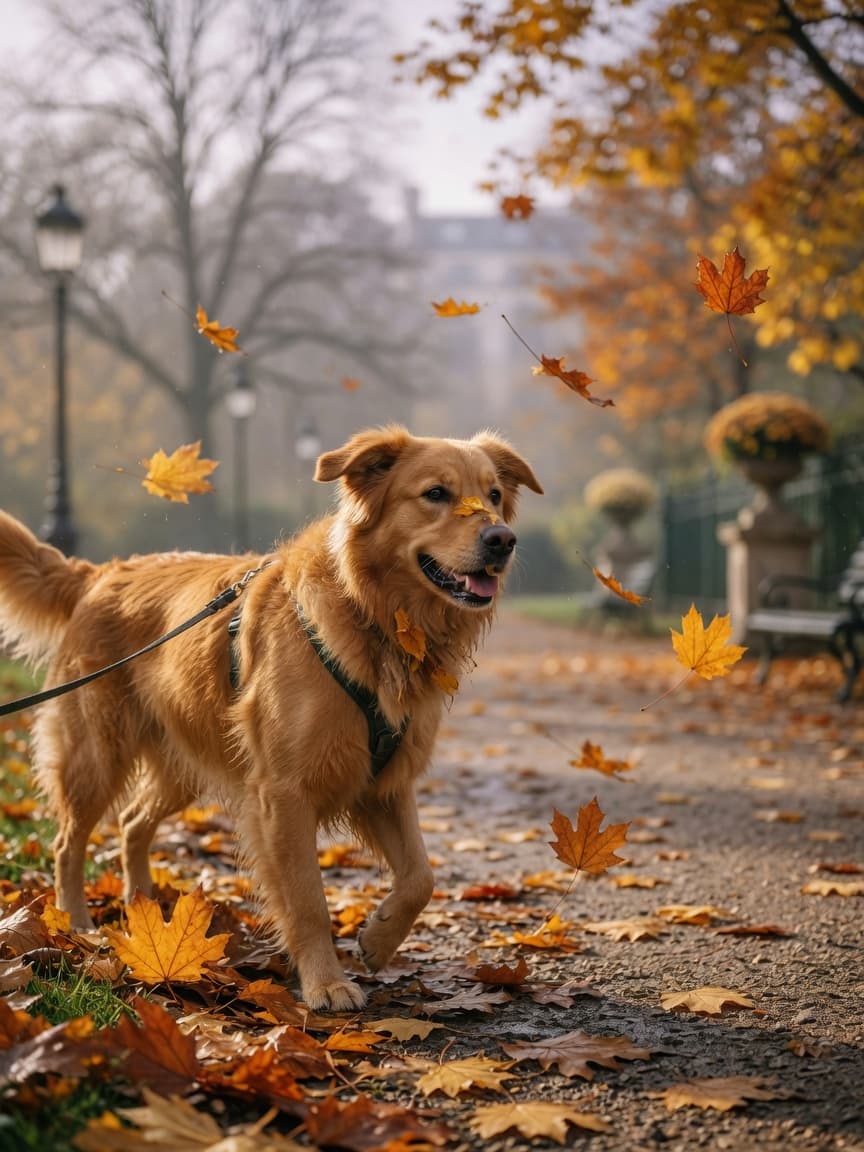
As autumn leaves begin to fall across Europe, our canine companions face a unique set of seasonal health challenges and opportunities. Whether your dog is a working partner or beloved family member, understanding the specific needs of the changing season can help ensure they remain healthy, happy, and active throughout the autumn months. This comprehensive guide explores the most important health considerations for dogs during fall 2022, drawing on current veterinary research and nutritional science.
Seasonal Weather Changes and Skin Health
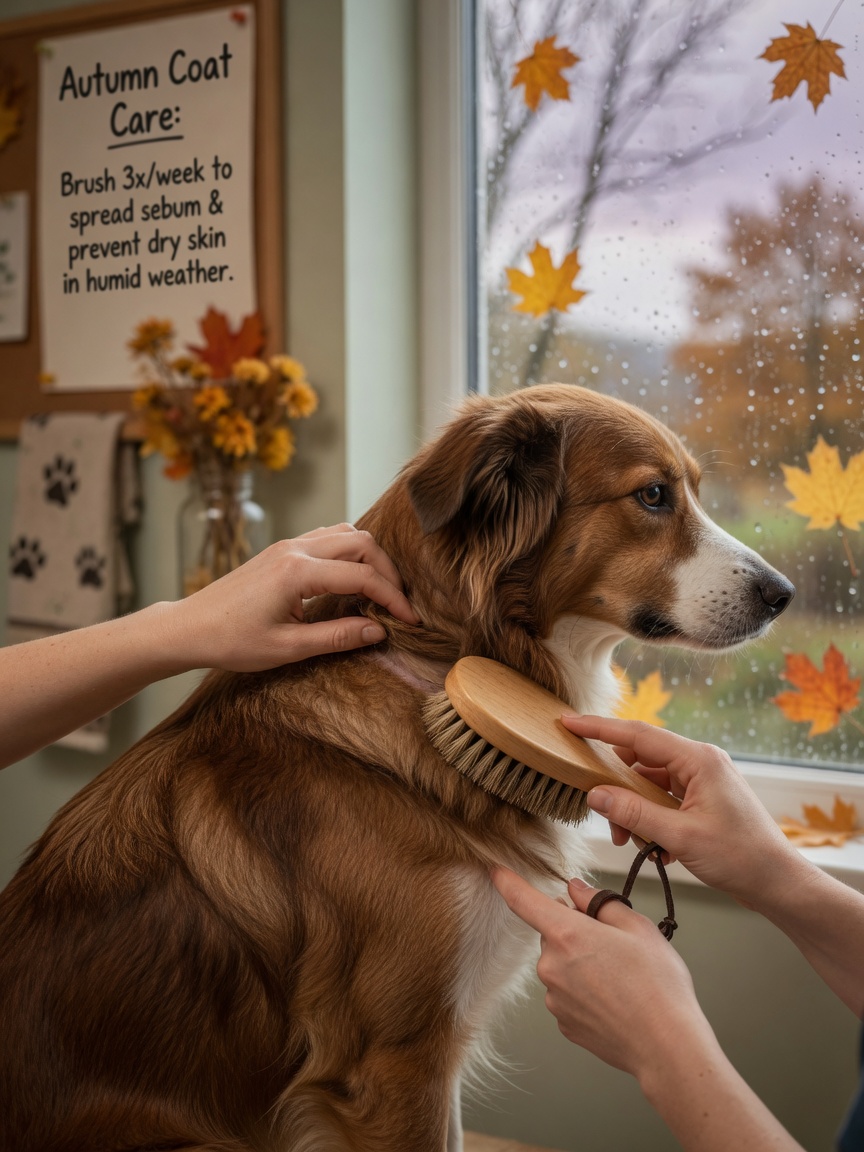
Autumn's cooler temperatures and increased humidity can significantly impact your dog's skin and coat. As temperatures drop, many dogs experience dry skin conditions that may worsen existing dermatological issues.
- Monitor for excessive scratching, flaking, or redness—signs of seasonal dermatitis
- Increase omega-3 and omega-6 fatty acid intake through diet or supplements
- Bathe your dog less frequently (every 6-8 weeks rather than weekly) to preserve natural skin oils
- Consider a humidifier in your home if you're using central heating
- Groom regularly with a quality brush to distribute natural oils throughout the coat
Fall allergies are equally significant. Whilst spring pollen garners most attention, autumn mould spores and ragweed can trigger allergic responses in sensitive dogs. If your canine partner seems unusually itchy or develops respiratory symptoms, consult your veterinarian about allergy management strategies.
Exercise and Joint Health in Cooler Weather
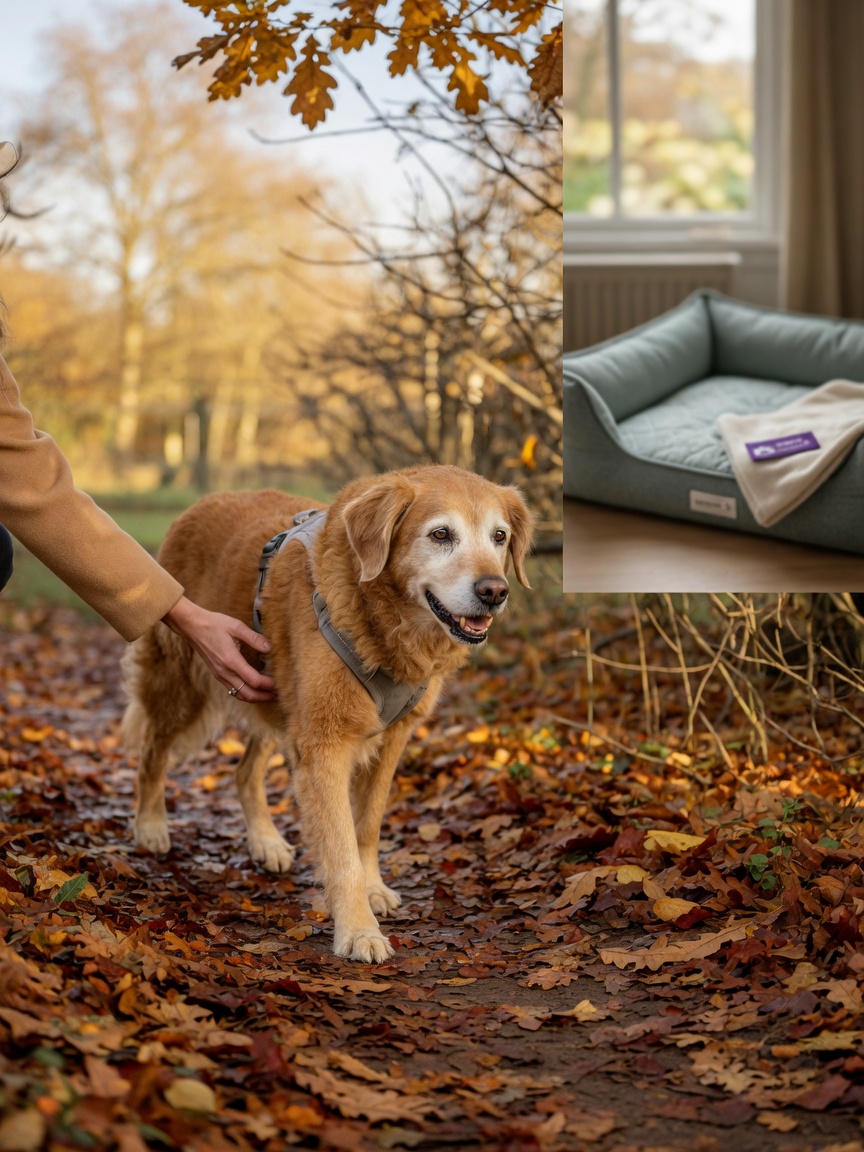
Many dogs become less active as temperatures cool, but this can lead to joint stiffness and weight gain. Senior dogs and those with existing joint conditions require particular attention during autumn.
- Maintain consistent exercise routines—aim for at least 30 minutes of moderate activity daily
- Warm up gradually before vigorous exercise to prevent muscle strain
- Consider supplement support with glucosamine and chondroitin for ageing joints
- Monitor body condition score regularly, as dogs naturally tend to retain more weight in cooler months
- Provide orthopaedic bedding in warmer, draught-free areas of your home
Damp autumn conditions can exacerbate arthritis symptoms. If you notice your dog moving stiffly after rest or hesitating before jumping, discuss pain management options with your veterinarian.
Nutritional Adjustments for Autumn
As activity levels fluctuate with the season, your dog's nutritional needs may shift. A balanced diet remains fundamental, but autumn-specific considerations include:
- Antioxidant-rich foods to support immune function during the transition to winter
- Adequate protein to maintain muscle mass despite potential exercise changes
- Healthy fats for skin and coat condition
- Regular weight monitoring to prevent autumn-related weight gain
Ensure fresh water is always available, as dogs often drink less in cooler weather whilst still requiring adequate hydration.
Parasite Prevention During Autumn
Many pet owners mistakenly believe parasite prevention becomes unnecessary as temperatures drop. However, fleas, ticks, and worms remain active threats well into autumn, particularly in milder European regions.
- Continue year-round flea and tick prevention as recommended by your veterinarian
- Maintain regular worming schedules—typically every three months for adult dogs
- Check your dog's ears regularly, as autumn moisture can promote ear mite infections
- Keep bedding clean and frequently washed to reduce parasite burden
Mental Health and Enrichment
Reduced daylight hours can affect your dog's mood and behaviour. Providing mental stimulation becomes increasingly important as outdoor play time may decrease.
- Introduce puzzle toys and food-enrichment activities
- Maintain indoor training sessions and skill practice
- Consider dog sports or classes to sustain engagement
- Ensure adequate rest—cooler weather often prompts healthy sleep patterns
Key Takeaways for Autumn Care
Supporting your canine partner through the autumn season requires attention to skin health, consistent exercise, appropriate nutrition, continuous parasite prevention, and mental enrichment. By implementing these evidence-based strategies, you'll help ensure your dog remains healthy and content as the seasons change. Remember, every dog is unique—discuss individual health concerns with your veterinarian to develop a personalised autumn wellness plan tailored to your companion's specific needs.