ForPetsHealthcare
Dogs

Why Socialization Is So Important for Dogs - DogTime

By Julia WrenfieldUpdated August 4, 20264 min read
Evidence-based · Sources checked
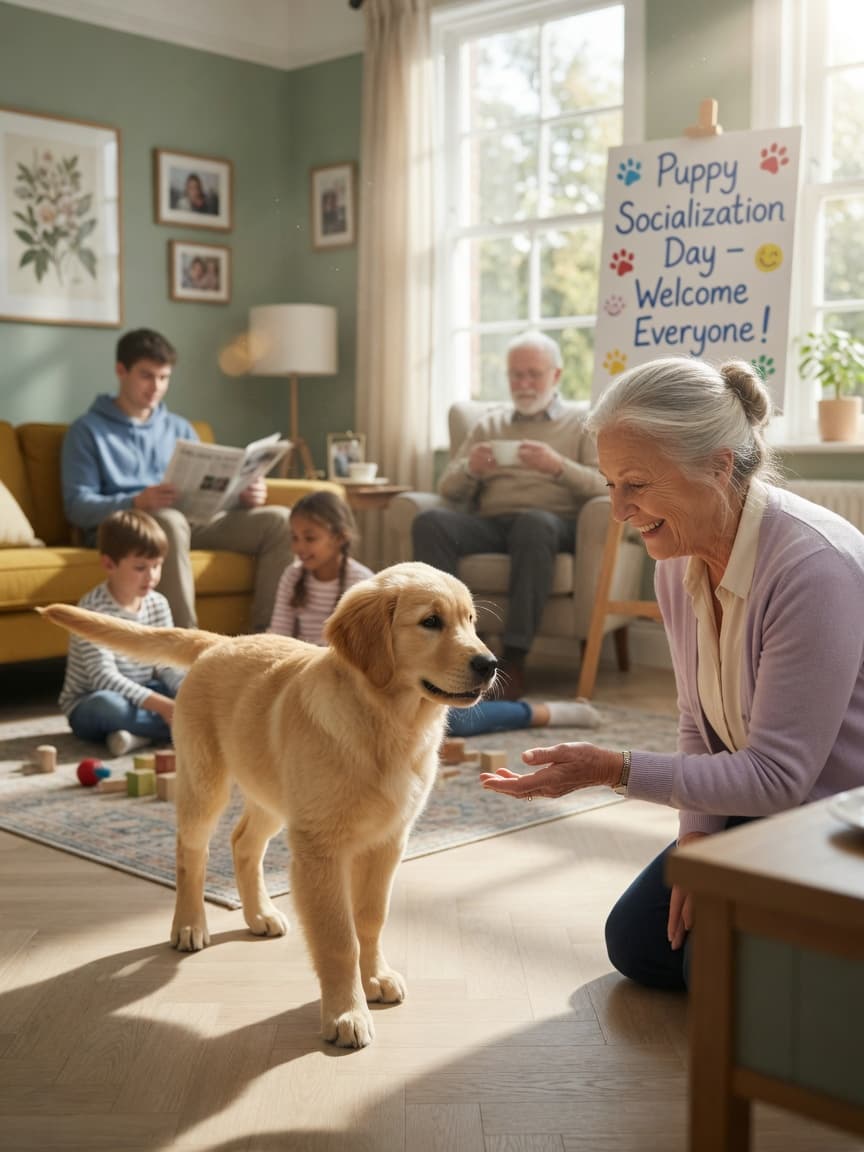
{"en": "Puppy playing with other dogs and people during early socialization training in a safe outdoor environment", "es": "Cachorro jugando con otros perros y personas durante el entrenamiento de socializaci\u00f3n temprana", "fr": "Chiot jouant avec d'autres chiens et personnes lors d'une formation de socialisation pr\u00e9coce", "de": "Welpe spielt w\u00e4hrend fr\u00fcher Sozialisierungstraining mit anderen Hunden und Menschen", "nl": "Puppy speelt met andere honden en mensen tijdens vroege socialisatietraining buiten", "pt": "Filhote brincando com outros c\u00e3es e pessoas durante treinamento de socializa\u00e7\u00e3o precoce", "it": "Cucciolo che gioca con altri cani e persone durante il training di socializzazione precoce"}

If you've ever noticed how some dogs confidently greet strangers while others hide behind their owners' legs, you've witnessed the profound impact of early socialization. Socialization isn't just about teaching your dog good manners—it's one of the most critical factors in developing a confident, well-adjusted companion who can navigate the world with ease. During those crucial early months of life, your puppy's brain is exceptionally receptive to new experiences, making this period an invaluable window of opportunity that shapes their entire personality and behaviour for years to come.

What Is Socialization and Why Does It Matter?

Socialization refers to the process of exposing your puppy to a wide variety of people, animals, environments, and experiences in a positive way. This isn't simply about having your dog interact with others—it's about building their confidence and teaching them that the world is a safe, interesting place worth exploring. Research consistently shows that well-socialised dogs exhibit fewer behavioural problems, lower stress levels, and greater adaptability throughout their lives.

The critical socialisation period occurs between 3 and 14 weeks of age, though learning continues well beyond this window. During this time, puppies are naturally curious and less fearful, making it the optimal period for introducing new experiences.

Key Benefits of Proper Socialization

  • Reduced anxiety and fear: Exposed puppies are less likely to develop phobias of common sights, sounds, and situations
  • Better behaviour: Socialised dogs typically display fewer aggression issues and destructive behaviours
  • Improved adaptability: Your dog will handle changes in routine, new environments, and unexpected situations with greater composure
  • Stronger bonds: Positive interactions during development create more confident, trusting companions
  • Enhanced quality of life: A well-socialised dog can accompany you to more places and participate in more activities

Practical Socialization Strategies
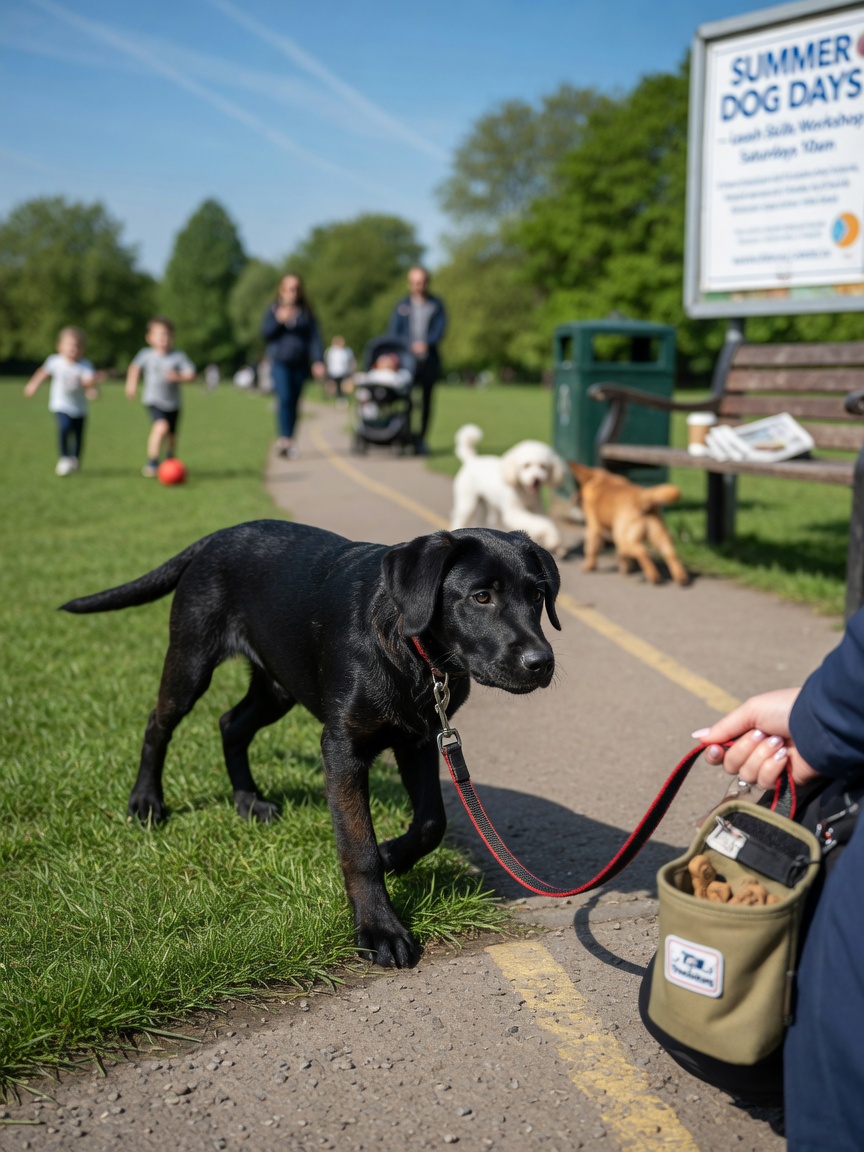
A young black Labrador Retriever puppy confidently exploring a busy public park with varied terrain, surrounded by other dogs and people, showing healthy curiosity and positive engagement with diverse stimuli

Start early and keep experiences positive. Gradually introduce your puppy to different people, including children, elderly individuals, and people of various appearances. Expose them to different environments—busy high streets, parks, quiet gardens, and car journeys. Let them encounter various animals, household sounds (vacuum cleaners, washing machines), and different textures underfoot.

The key principle is positive association. Always pair new experiences with rewards such as treats, praise, or play. Never force your puppy into uncomfortable situations, as this can create negative associations rather than confidence.

Common Socialization Mistakes to Avoid

  1. Waiting too long—the critical window closes, making socialisation more challenging later
  2. Overwhelming your puppy with too many new experiences simultaneously
  3. Forcing interactions when your puppy shows signs of stress or fear
  4. Neglecting socialisation with other dogs due to fear of disease (proper vaccination protocols protect against this)
  5. Assuming adult dogs don't benefit—older dogs can still learn, though it requires patience

Socialization Beyond Puppyhood
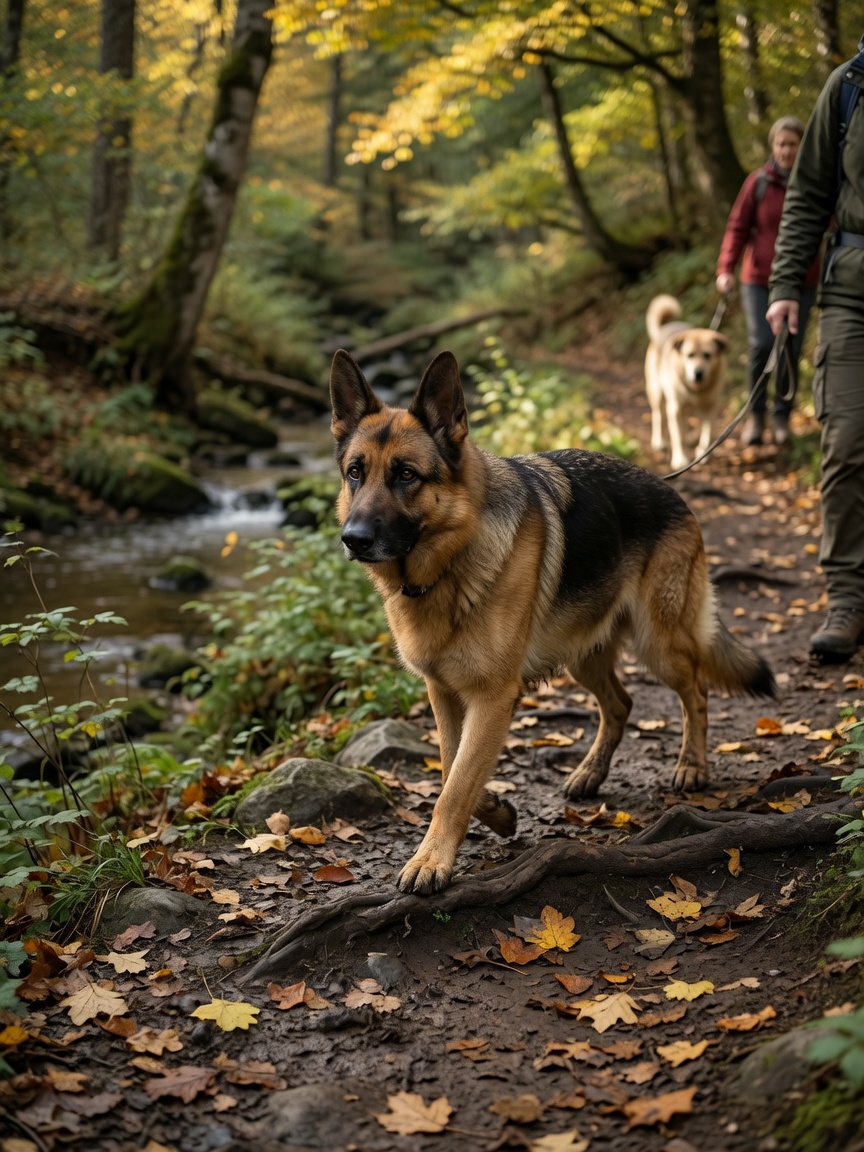
An adult German Shepherd with tan and black sable coat confidently navigating a woodland hiking trail with varied terrain, showing sustained composure and positive engagement with environmental stimuli during adulthood

Whilst the early months are critical, socialization shouldn't stop once your puppy reaches adulthood. Continued exposure to new experiences throughout your dog's life maintains their confidence and adaptability. Regular visits to different environments, varied walking routes, and ongoing positive interactions with other dogs and people help sustain the benefits achieved during the critical period.

Key Takeaways

Socialization is an investment in your dog's mental health and your future relationship together. By exposing your puppy to diverse positive experiences during the critical window, you're laying the foundation for a confident, well-adjusted companion who approaches life's challenges with curiosity rather than fear. The effort you invest in these early months pays dividends throughout your dog's entire life, resulting in fewer behavioural problems, reduced anxiety, and countless shared adventures. Remember: a well-socialised dog isn't just better behaved—they're genuinely happier.

#why socialization is so important for dogs dogtime#dog health#dog nutrition#forpetshealthcare

Sources & further reading

This article is based on peer-reviewed veterinary research and reputable animal-health sources. Explore the underlying science in our Research Library.

Related articles

The 19 Best Animal Shelters in the Netherlands (2026)

the Netherlands's animal shelters, rescue associations and refuges save thousands of dogs, cats and other animals every year, almost always on tiny budgets and volunteer power. To build the most objective ranking possible, we analysed public Google reviews across more than 56 registered animal-prote…

Read more →

The 25 Best Animal Shelters in Italy (2026)

Italy's animal shelters, rescue associations and refuges save thousands of dogs, cats and other animals every year, almost always on tiny budgets and volunteer power. To build the most objective ranking possible, we analysed public Google reviews across more than 121 registered animal-protection org…

Read more →

The 48 Best Animal Shelters in Germany (2026)

Germany's animal shelters, rescue associations and refuges save thousands of dogs, cats and other animals every year, almost always on tiny budgets and volunteer power. To build the most objective ranking possible, we analysed public Google reviews across more than 152 registered animal-protection o…

Read more →

The 32 Best Animal Shelters in France (2026)

France's animal shelters, rescue associations and refuges save thousands of dogs, cats and other animals every year, almost always on tiny budgets and volunteer power. To build the most objective ranking possible, we analysed public Google reviews across more than 89 registered animal-protection org…

Read more →

The 8 Best Animal Shelters in Portugal (2026)

Portugal's animal shelters, rescue associations and municipal centros de recolha save thousands of dogs, cats and other animals every year, almost always on tiny budgets and volunteer power. To build the most objective ranking possible, we analysed public Google reviews across more than 86 registere…

Read more →

Sphynx Cat Skin care and hygiene: Causes, Signs & Care

Sphynx cats have little to no coat, which means the skin itself takes on jobs that fur normally does — insulation, oil dispersal, and barrier protection — leaving it prone to greasiness, blocked pores, fungal infections, and sunburn. The single most important thing to know is that a Sphynx's skin ne…

Read more →
Disclaimer:This article is for informational purposes only and does not constitute veterinary advice. Always consult a qualified veterinarian for your pet's health concerns.

Free newsletter

Pet health tips, straight to your inbox

Weekly science-backed advice for dog & cat owners. No spam, unsubscribe anytime.